
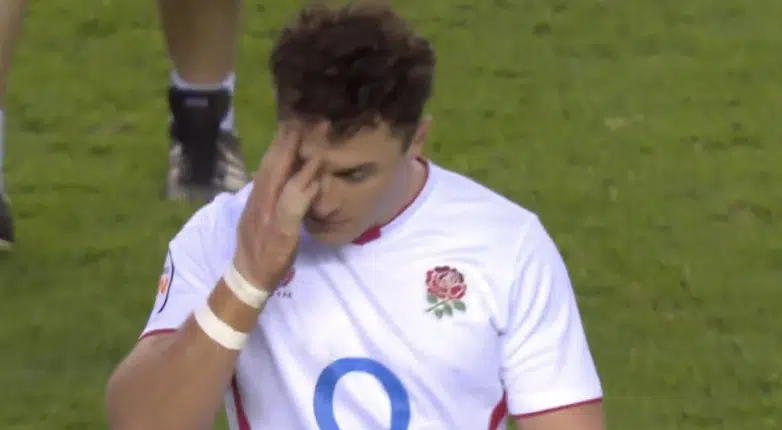
England were reduced to 14 players after Henry Arundell was shown a second yellow card, resulting in his dismissal just minutes before half-time.
Watch the Guinness Six Nations at your local Greene King sports pub
First Yellow: Hands in the Ruck
Arundell’s first trip to the sin bin came after he was penalised for using his hands in the ruck. At the breakdown, players must enter legally and compete for the ball while remaining on their feet. Handling the ball illegally in that situation is an offence, and the referee deemed it worthy of a yellow card.
That decision sent the England back off for 10 minutes and served as an official warning.
Second Yellow: Taking a Player in the Air
Shortly after returning — and only minutes before the break — Arundell was penalised again, this time for taking an opponent in the air during an aerial contest.
Player safety is a major focus in modern rugby union. Challenging or making contact with a player who has jumped to catch a high ball, without ensuring their safe landing, is treated seriously due to the risk of injury. The referee ruled that Arundell’s involvement warranted a second yellow card.
Under the laws of the game, two yellow cards automatically become a red card. As a result, Arundell was sent off.
What It Means for England
Following the red card, England must play with 14 players for 20 minutes. After that period, they are allowed to bring on a replacement for the final quarter of the second half. Arundell himself cannot return to the field. He was eventually replaced by Fin Smith in the second-half.
The timing — just before half-time — was particularly damaging, forcing England to reshuffle defensively and manage the closing stages of the first half a player down before facing a sustained period of numerical disadvantage in the second.
EDITORS PICKS:
Like this:
Like Loading…