
Ellie was just 21 when she learned news that would change her life. In the months after, ‘the secret was killing her’ as she tried to hide news she never thought she’d get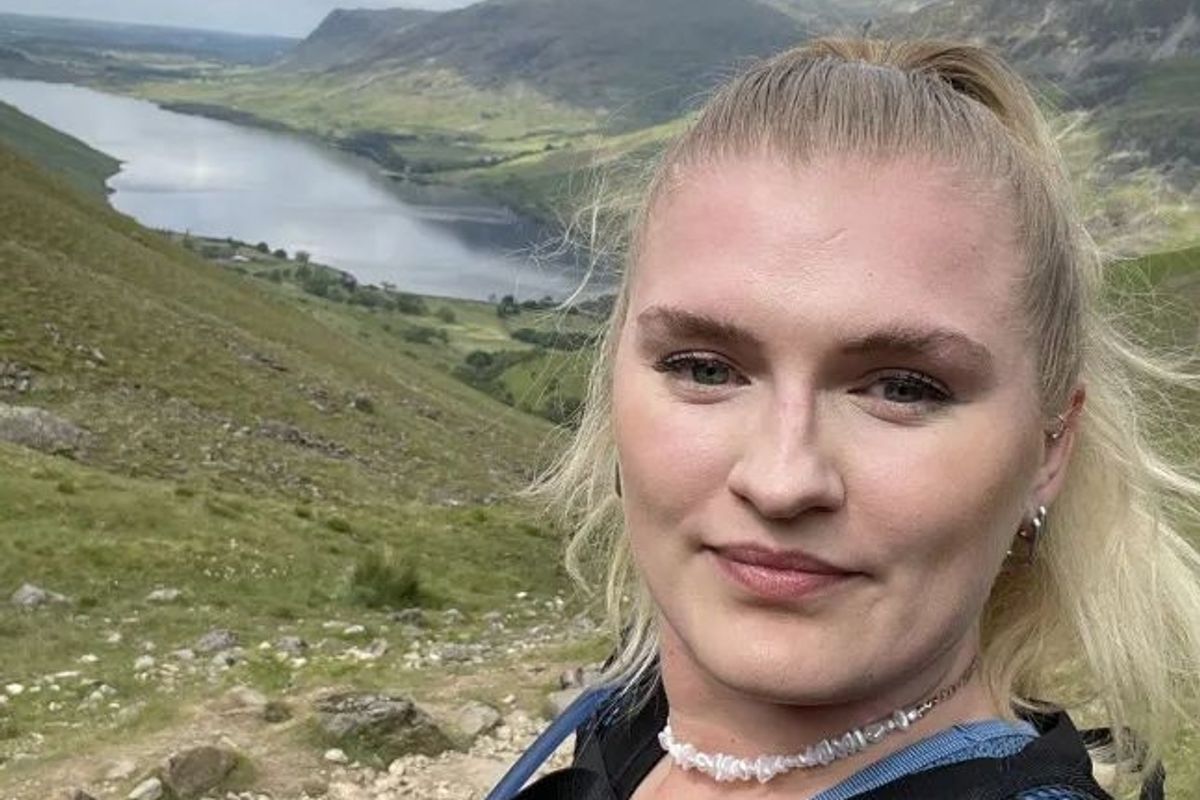
Ellie had no reason to suspect anything was wrong – until she got that phone call from the doctors(Image: Ellie Harrison)
“I had no symptoms, I wasn’t expecting anything to come back. Two weeks later, I get a phone call asking me to come in. Everyone knows it’s not a good thing when you get a phone call like that.”
Ellie Harrison was just 21-years-old, living in London as she came to the end of a placement year, before moving back to university to finish her final year. She had no idea it would become a year that would change her life.
In the months after, she says ‘the secret was killing me’ as she tried to hide news she never thought she’d get. “Constantly keeping up the lie, people wondering what these tablets were. It was too much for someone to carry,” Ellie explains.
Eventually, Ellie broke that news – she was HIV positive.
Try MEN Premium NOW for just £1
For more than seven years, since learning of her status in 2018, Ellie has dedicated her life to being the figurehead she wishes she’d have had to guide her through those early stages of diagnosis. And to changing attitudes that are still all-too trapped in the past.
“I was living in London, coming to the end of a placement year before going back to do my final year of university,” Ellie, now based in Manchester, tells the Manchester Evening News.
“I had been in a relationship for a while, but as I was coming to the end of my placement year it was going to go long-distance and it was looking like we were going to break up. I thought the first thing to do was to start a sexual health test.”
Ellie had no reason to suspect anything was wrong – until she got that phone call from the doctors. The test for HIV had come back positive.
“I had no knowledge of HIV, I was so confused about how this had even happened,” she shares. “As a young, white female, in a relationship, you don’t expect it.
“I really struggled at the start, wondering why this happened to me, feeling confused, I’d falsely bought into the misunderstanding and stigma like HIV being a ‘gay disease’ – things that are quite frankly wrong.
“But when you know that little about something, it’s easy to just grip onto the only things you’ve heard. It’ll be eight years in August since I was diagnosed – and attitudes to HIV have not changed that much.”
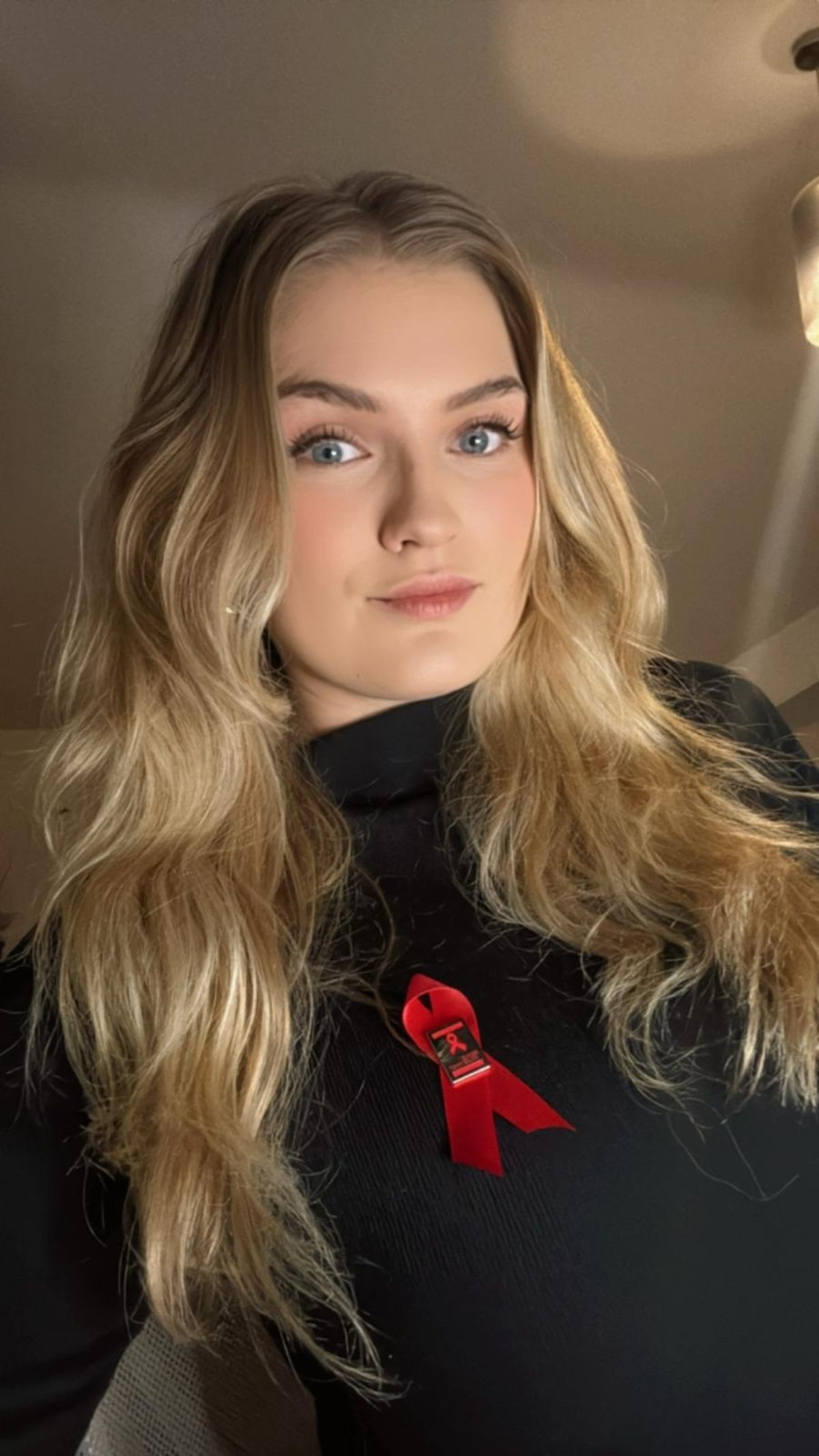
“I thought, ‘if I can’t find her, I’ll just have to be her’,” says Ellie, when it came to trying to find someone like her living with HIV(Image: Ellie Harrison)
Ellie continues: “I didn’t know that HIV can be undetectable if you take a pill every day. I didn’t know that, statistically, HIV is not that uncommon.
“People still don’t think they’re at risk. A lot of sexual health kits don’t test for HIV, a lot of people don’t get offered a test for HIV. I had had unprotected sex – why would I be any less at risk even though I’m a young woman?”
Now, because of Ellie’s activism, HIV is ‘everywhere’ to her. But back in 2018, she says it had never been really talked about in her circles.
At first, Ellie decided to keep her diagnosis to herself. “My status hadn’t even been confirmed by the time I told my mum and dad. I just knew that when I was told to come in, I wasn’t going to be told I was negative,” she says.
“My parents were fantastic, but after that I tried to keep it a secret. But people were asking questions, and I started confiding in a few people at university.
“I realised that everyone in my group of friends knew, and over the next 48 hours I learned that basically my whole final year knew and had kept it from me. There was a lot of pity, and people not saying nice things.
“Things like, ‘she must feel awful’. But I didn’t know why I would have to, I take one pill every day and it doesn’t change my life at all. After that, I got a ‘positive’ symbol tattooed on my finger.
“I hadn’t told all those people, and had lost that freedom. But I could at least talk about it more openly.”
“I had no knowledge of HIV, I was so confused about how this had even happened,” Ellie shares. “As a young, white female, in a relationship, you don’t expect it”(Image: Ellie Harrison)
But Ellie faced hiding her HIV positivity again when she entered the world of work.
Now 29 and the head of supply chain for a fashion brand, she tells the M.E.N.: “For two, three years it felt like I was living a lie. Because it’s not something you can really talk about in an office, and I didn’t want to be judged or have it harm my career.
“I didn’t know how people would react, but everything was great. Now, we talk about it casually.”
Ellie decided to become an activist about three years into her life with HIV and, she says, the need for people like her to speak out is urgent. In 2024 in the north west, 45 per cent of people were diagnosed late with HIV, when the virus has already had a chance to damage their immune system, according to the Terrence Higgins Trust.
The HIV charity says new YouGov polling data has revealed only 20 per cent of adults in England say they have ever tested for HIV. One in five women (21 per cent) said they had not tested because they had never been offered a test, while nearly three in ten men (29 per cent) said that they had not tested because, although they had had condomless sex, they did not think their partners could have HIV.
The Terrence Higgins Trust adds that people thinking that HIV cannot affect them or their partners is a major barrier to people getting an HIV test and can lead to a much later diagnosis, when the virus has already had a chance to impact a person’s immune system.
There are an estimated 4,700 people living with undiagnosed HIV in the England, and in 2024, 50 per cent of new diagnoses were amongst heterosexuals – with 29 per cent amongst gay, bi and other men who have sex with men.
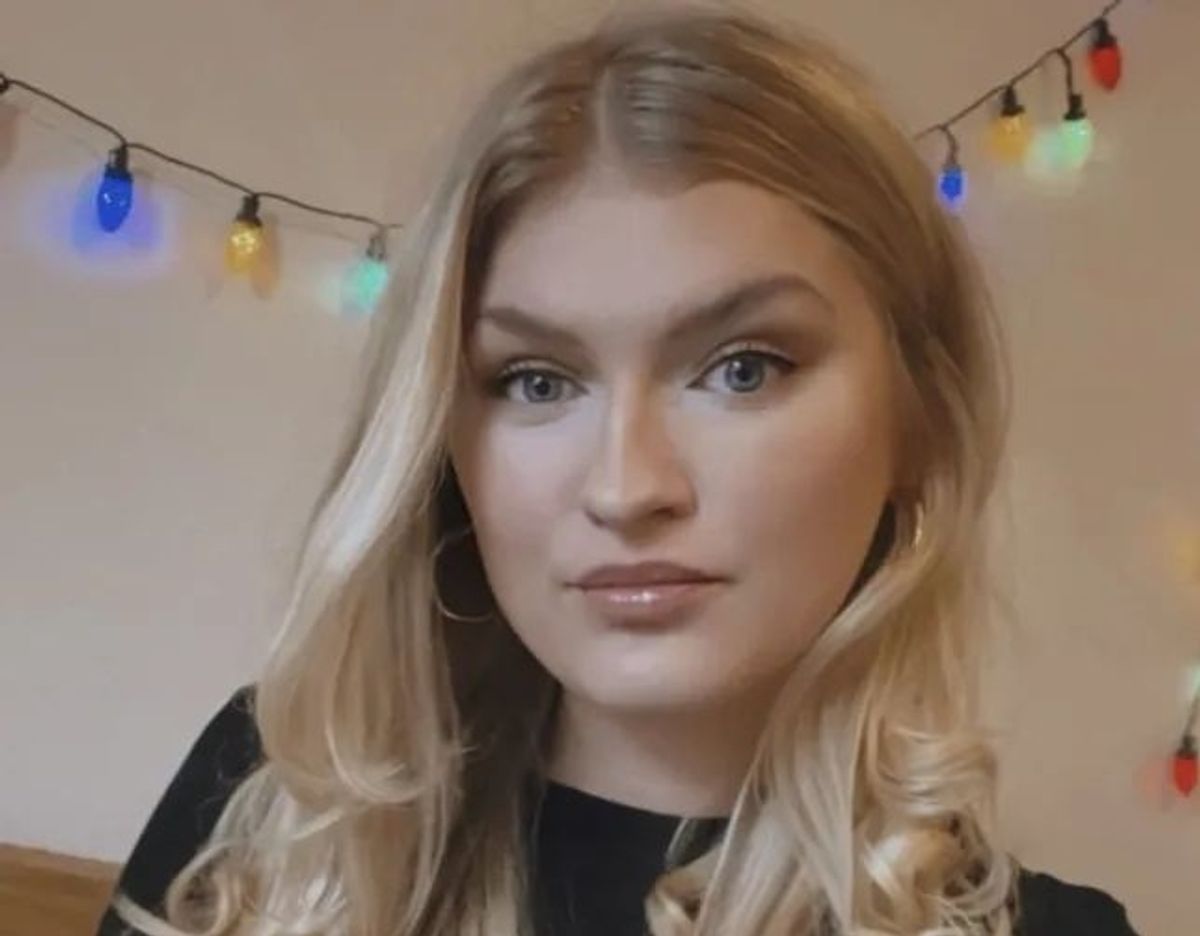
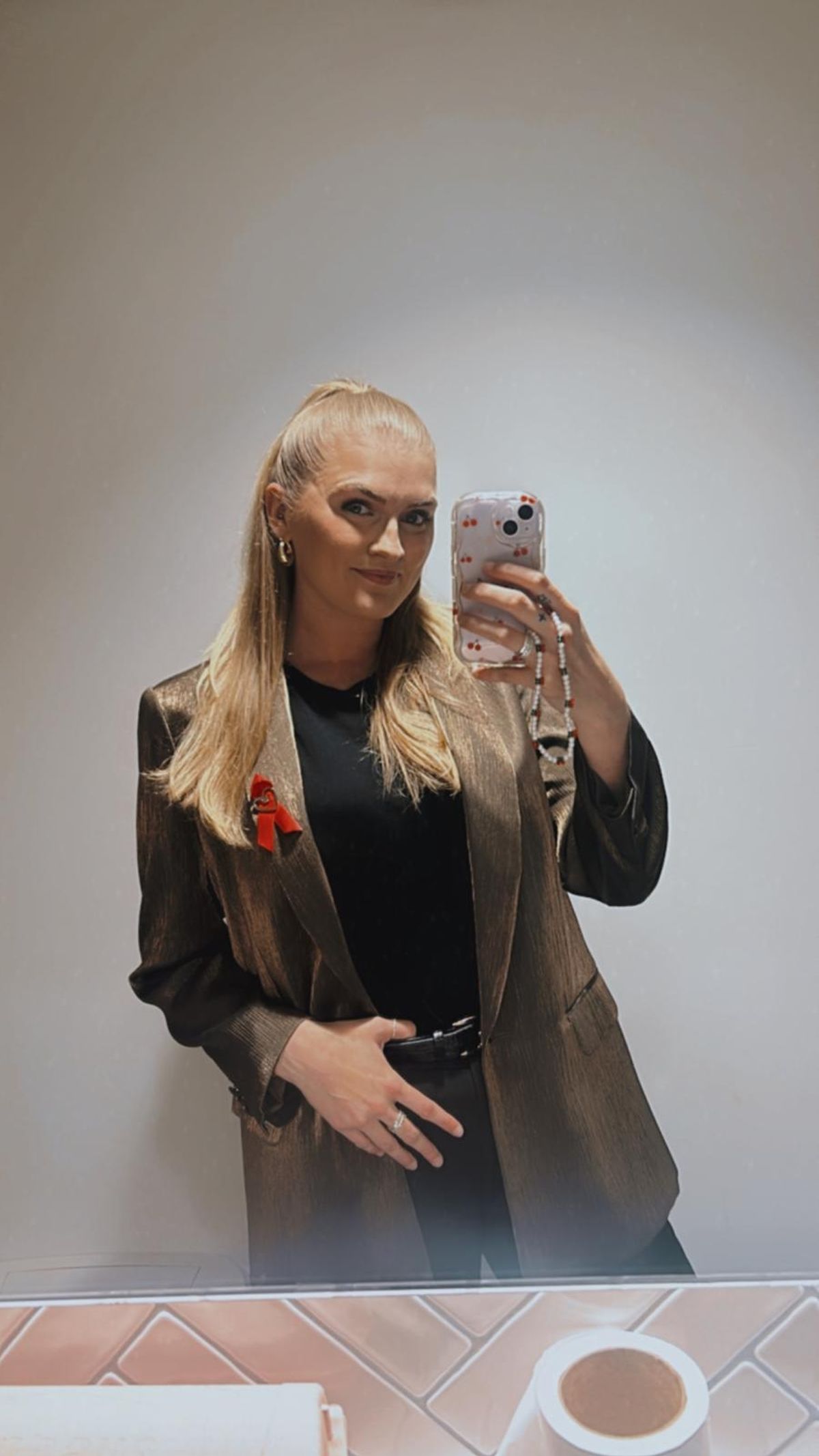
Ellie is raising awareness that free, confidential, and life-saving treatment is available to anyone who is diagnosed with HIV, meaning they can stay healthy and cannot pass on HIV to anyone(Image: Ellie Harrison)
Ellie is backing the charity’s campaign for more people to get tested to help bring down the numbers of late diagnoses as National HIV Testing Week gets underway this week. The government is aiming to end new HIV transmissions in England by 2030, and published a new HIV Action Plan in December, backed by over £170 million in new funding.
Increasing HIV testing is one of the five key priorities in the new plan. If negative, people can take steps to stay negative. If reactive, people living with HIV can access life-saving treatment which means they can experience a full, healthy life and can’t pass the virus on to sexual partners or a newborn baby.
The campaign is backed by a host of celebrities, including Loose Women panellist Charlene White, along with TV doctor and Strictly Come Dancing star Dr Ranj. They are encouraging people to order a free HIV home testing kit and know their status.
“I didn’t think it would happen to me until it did,” says Ellie. “When I would Google ‘HIV’, I didn’t feel like I was finding people that were like me. There wasn’t a young woman talking about this.
“I thought, ‘if I can’t find her, I’ll just have to be her’. We have to make sure we talk about the diversity of HIV.
“60 per cent of people with HIV globally are women, 30 per cent of people with HIV in the UK are women.
“And it’s still a dirty word, there’s still this idea that it’s dirty or unclean. What we have to try and do, the only thing you can really do, is to educate.
“Not force it down people’s throats, but to really share how people are at risk and what they should be doing. People only think to test when they know they’re at risk or have symptoms.
“You shouldn’t wait to go to the dentist if you’re in pain – so you shouldn’t be waiting until you think there’s a problem here either. It should be a more regular part of life, like testing once a year or between partners.”
“I’ve made it my mission to normalise HIV, I want to make it feel as minimally scary so as many people get tested as possible,” explains Ellie.
“We could eradicate HIV by 2030. It would be the first virus in human history to be eradicated without a vaccine. How incredible would that be?”
During National HIV testing week, the Department of Health and Social Care funds the total value of tests ordered via the freetesting.hiv website. There are two types of at home testing kits to choose from:
Self-testing, that gives you results within 15 minutesSelf-sampling, which you send off to a lab to get your result. This kit also tests for syphilis.
Alongside free postal test kits being available during National HIV Testing Week, there are also testing events and drop-ins happening across the country. A variety of online, postal and face to face testing is also available year-round through local authority commissioned sexual and reproductive health services.
Free, confidential, and life-saving treatment is available to anyone who is diagnosed with HIV, meaning they can stay healthy and cannot pass on HIV to anyone. People can live with HIV for years without showing symptoms. Testing is the only way for someone to know their status.