
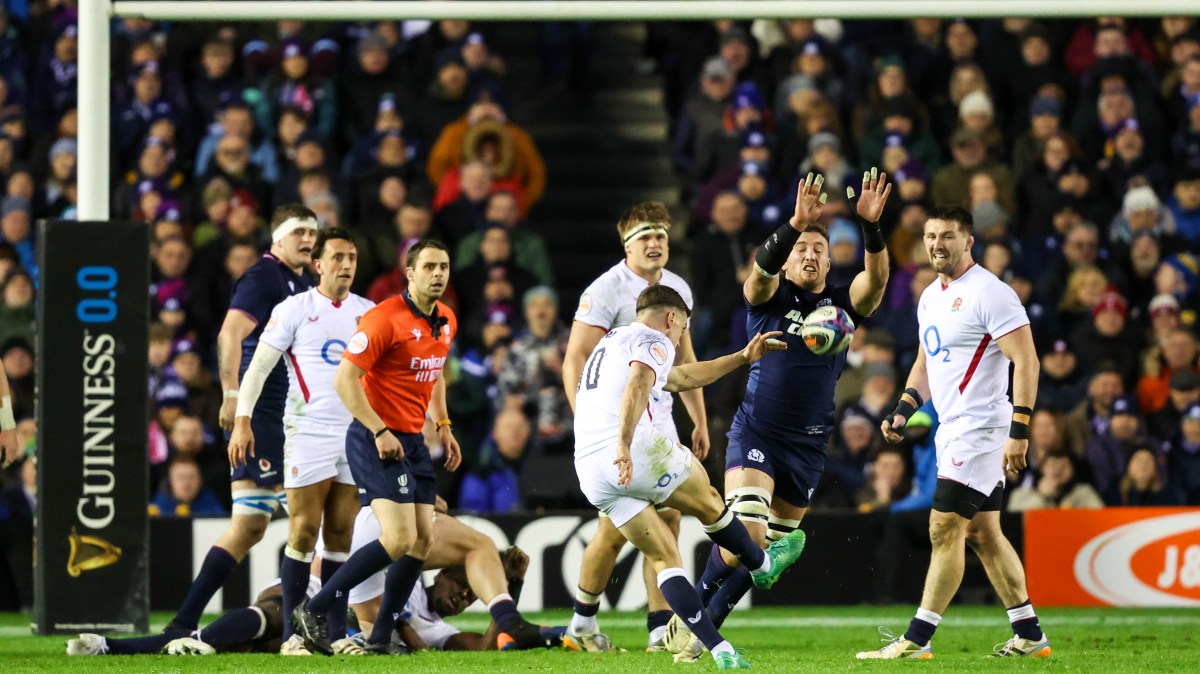
Sir Clive Woodward had a name for it that became pretty well-known after England won the 2003 World Cup: Thinking Clearly Under Pressure, or T-CUP. As far as that goes, the defeat by Scotland at Murrayfield was a humbling lesson for England.
They will be incredibly disappointed. This is a short tournament and if you slip up once, your chance to achieve something really special — and England made it known they were targeting a grand-slam game in Paris — is gone. But the truth is that England need to have a look at themselves, to understand that, in Test rugby, not everything goes your way. But at that point, the art is to remember your game plan, to double down on your basic skills, and not to abandon them.
England have become a different team in the past 12 months. They won 12 consecutive matches. They built expectation. They’ve started to go into matches as favourites, just as they did at Murrayfield. And they didn’t cope with it remotely well. They let their early errors shape the result. Psychologically, Scotland had won it within 20 minutes.
Itoje was withdrawn with half an hour to go
RUSSELL CHEYNE/REUTERS
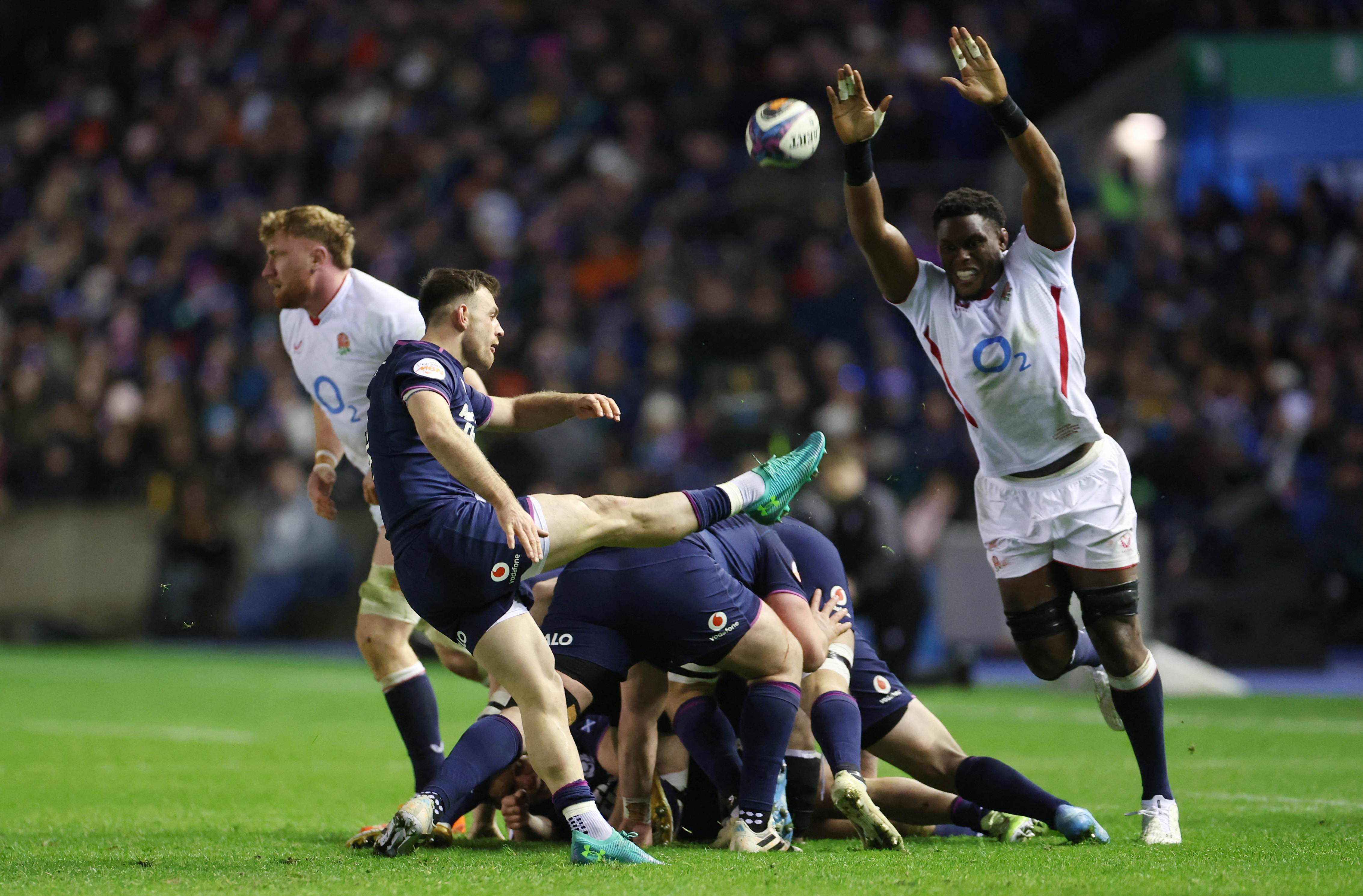
George Ford has been excellent for England in the past year. That’s indisputable. But to hit a drop-goal, 11 points down, dominating possession and on the front foot? It’s not what you want. The leaders in the England team need to consider how they turn the tide in those matches when the opposition click — my goodness, didn’t Scotland click? — and composure is required.
And that doesn’t just mean Maro Itoje. Although he was replaced by Alex Coles in the 57th minute — only the fifth time he has been replaced in his Test career — the captain has had an incredibly difficult time, dealing with the death of his mother, and he has given so many immense performance to England in his 99-cap career that he has plenty of credit in the bank. It comes down to the other key drivers in the group, too: Jamie George was captain last week; Ellis Genge has captained the side; so too Ford. Now is the time for those guys to sit down and think about their response to adversity.
Scotland, of course, were magnificent. Gregor Townsend’s side performed awfully against Italy last weekend. They were never as bad as that 18-15 defeat suggested; I think it led a lot of people into a false sense of security.
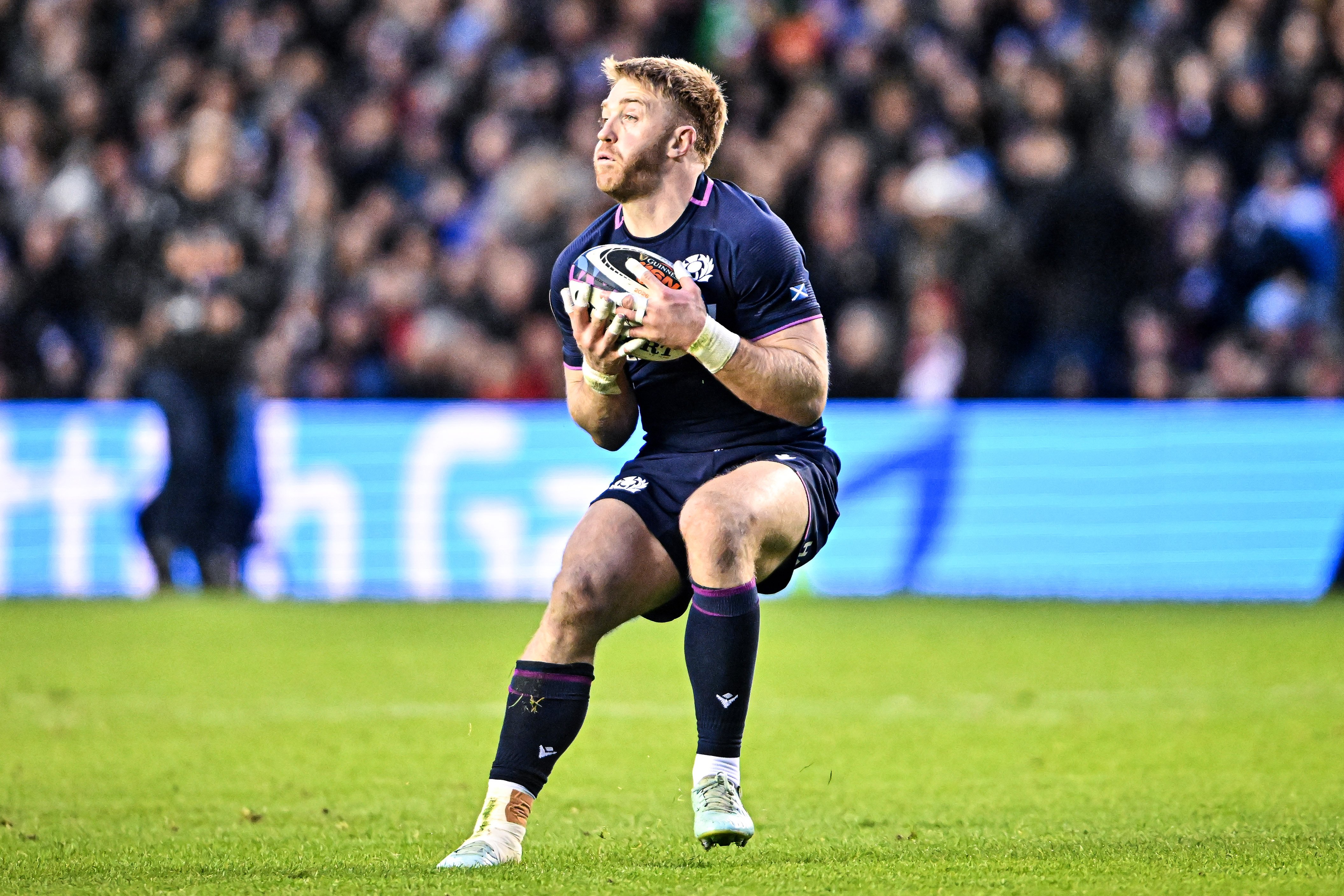
Steyn was superb in the air
JAMIE JOHNSTON/SHUTTERSTOCK
Here, I was just so impressed by them. They did the simple stuff. Everywhere you looked they were winning key battles. Kyle Steyn in the air was untouchable; they got go-forward up front, dominating the collisions; and in Finn Russell they have one of the world’s best fly halves. With front-foot ball, who else would you want pulling the strings?
Under his guidance, the Scottish backline revealed some holes in England’s defence that we thought had been sealed. Huw Jones — again! — was England’s tormentor. He now has eight tries in the Calcutta Cup, the most of any player in the Six Nations era, overtaking Duhan van der Merwe.
Rory Darge was immense. Matt Fagerson was hugely influential when he came off the bench for the injured Jamie Ritchie, who himself was excellent in the first half. The received wisdom was that it would be England’s bench which made the difference. They didn’t — Scotland’s did.

Adam Hastings and Tom Jordan with the Calcutta Cup
JAMIE JOHNSTON/SHUTTERSTOCK
I have no objection to the way that Borthwick laid England’s grand-slam objectives on the table before the start of the tournament. He was right to do it. He put the pressure on his players and he’s learnt that they aren’t quite up to it. I said last week that the very best teams don’t lose at Murrayfield. That remains true. For the players, coaches and fans, defeat by Scotland is a reality check. England still have a way to go to earn a seat at rugby’s top table alongside South Africa.
That said, the tournament remains live. This was a reminder of the wonderful unexpectedness of this tournament and France, after all, still need to travel to Murrayfield. For their part, Borthwick’s team should still be confident of beating Ireland. And in this defeat, can be a lesson for them: find the emotional pitch and calmness under pressure that Scotland did here, and England will be all the better for it.