
VIRGINIA, USA- Virginia is set to host a major milestone in hypersonic aviation as Brisbane-based Hypersonix Launch Systems confirms a late February launch window for its first DART AE flight test. The mission will lift off from Mid-Atlantic Regional Spaceport at Wallops Island, located within the Virginia Spaceport Authority complex, using Rocket Lab USA as the launch provider.
The Cassowary Vex mission will deploy the 3.5-meter DART AE vehicle aboard Rocket Lab’s HASTE suborbital rocket from Launch Complex 2 at Wallops Flight Facility in Wallops Island. The customer for the launch is the U.S. Defense Innovation Unit in partnership with Hypersonix, and the test aims to validate sustained hydrogen-powered hypersonic flight above Mach 5.
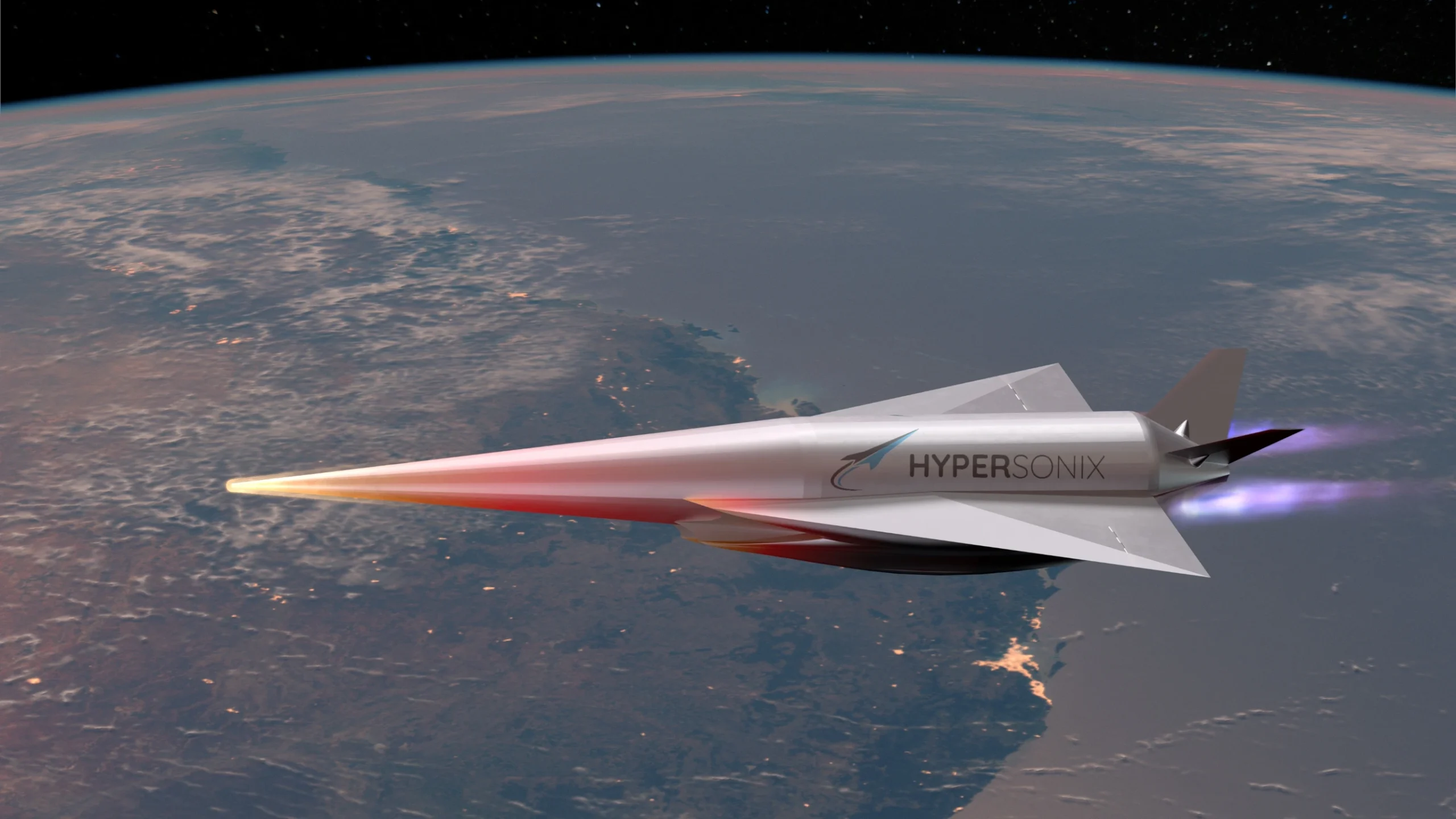 Photo: Hypersonix Launch Systems – X
Hypersonix Launch Systems: Mission Overview
The Cassowary Vex flight represents the first airborne test of the DART AE platform under real hypersonic conditions.
Engineers designed the vehicle to test propulsion, high-temperature materials, onboard sensors, and autonomous guidance systems at speeds that cannot be replicated in ground facilities.
Rocket Lab’s HASTE vehicle provides a tailored suborbital trajectory that enables high-speed atmospheric testing.
The company has positioned HASTE as a responsive platform for defense and research customers seeking rapid hypersonic experimentation.
Hypersonix confirmed that the exact launch date will be announced within 24 hours of the official window opening. A live broadcast will be available through Rocket Lab’s digital channels.
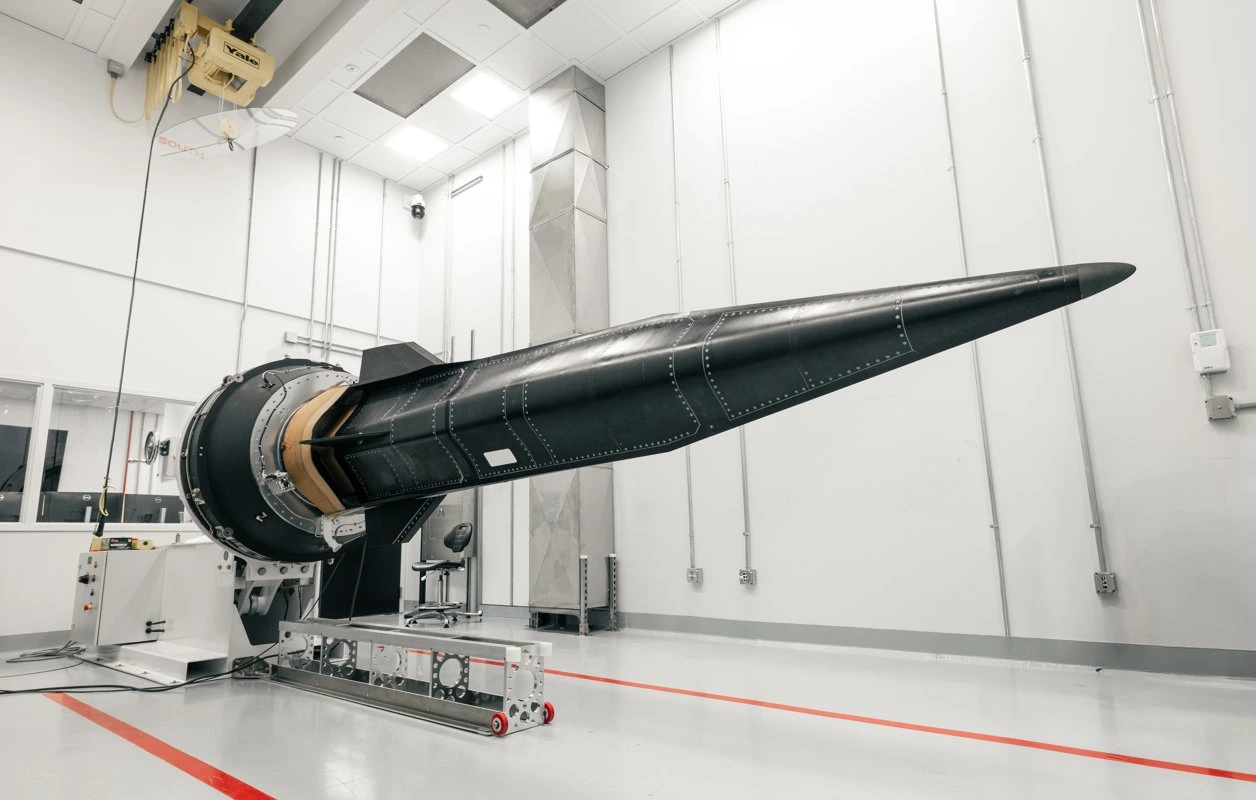 Photo: Hypersonix Launch Systems – X
SPARTAN Engine Technology
At the center of the program is the SPARTAN scramjet engine, a fully 3D-printed hydrogen-fueled propulsion system.
Unlike conventional kerosene-powered scramjets, SPARTAN produces zero carbon dioxide at combustion and contains no moving parts, which simplifies maintenance and improves durability.
Scramjet engines operate by allowing supersonic airflow through the combustion chamber, enabling efficient propulsion at extreme speeds. Hypersonix states that SPARTAN is designed for sustained Mach 5-plus flight, offering reusable performance rather than one-time experimental use.
Dr. Michael Smart, the company’s co-founder and former NASA researcher, has emphasized that real-flight data is essential. Ground tests cannot fully simulate the thermal loads and aerodynamic stresses experienced in upper-atmosphere hypersonic travel.
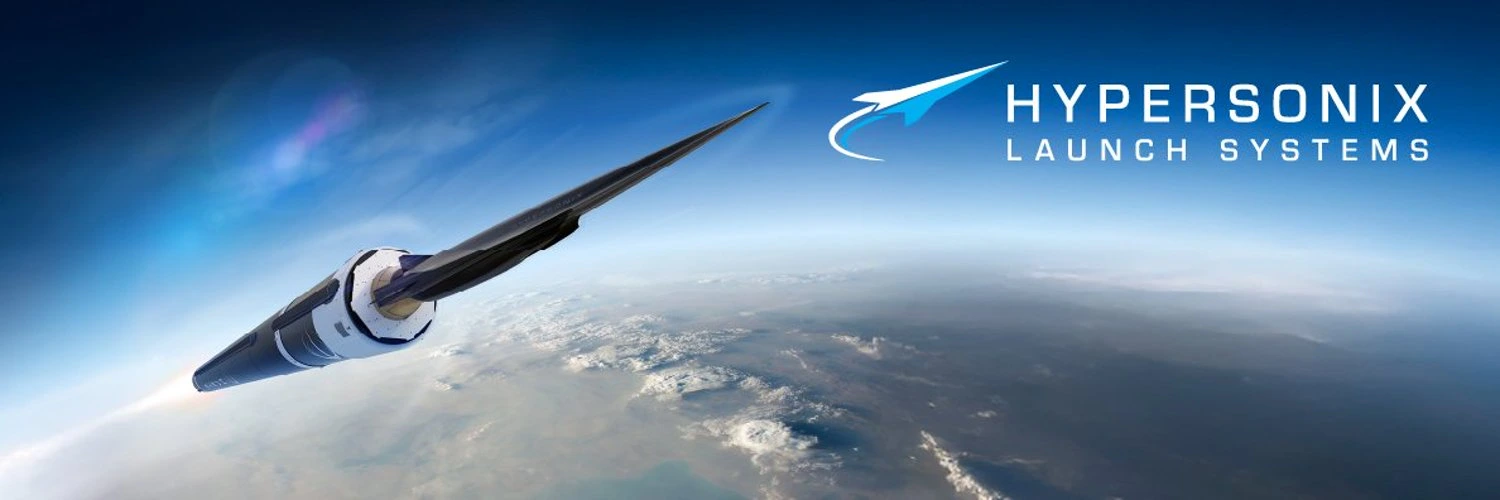 Photo: Hypersonix Launch Systems – X
Industry Significance of Hypersonix’s Launch
Global interest in hypersonic systems has intensified as governments seek faster, longer-range aerospace capabilities.
The United States has expanded test infrastructure in recent years, while allied nations are investing in reusable platforms rather than disposable systems.
Hypersonix recently secured $46 million in Series A funding to accelerate development.
Backers include Australia’s National Reconstruction Fund Corporation, Queensland Investment Corporation, High Tor Capital, Saab, and RKKVC.
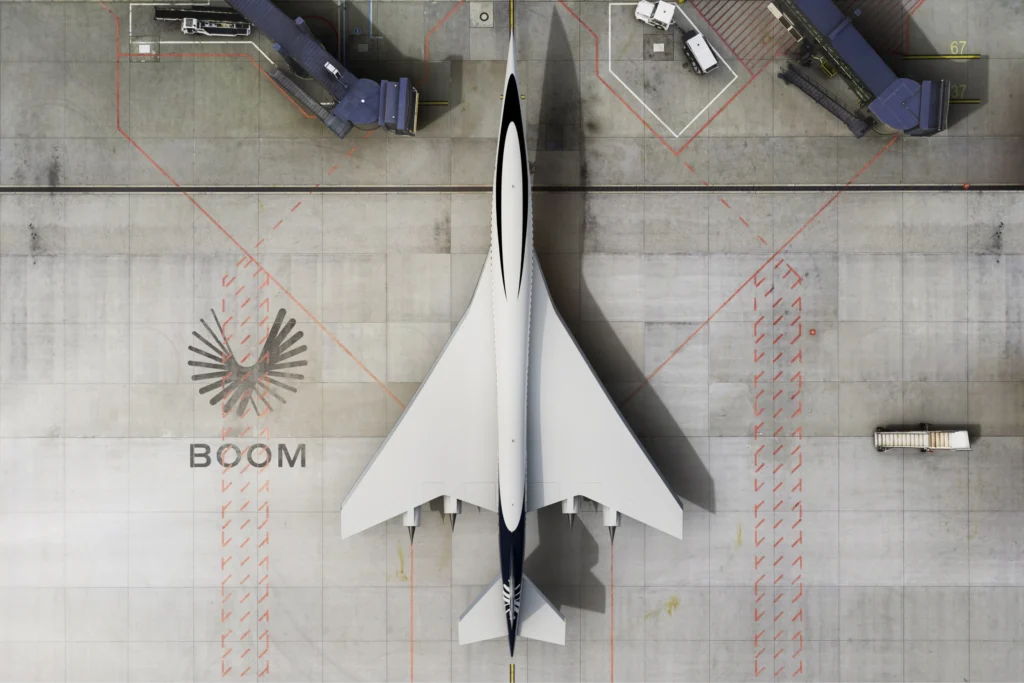 Boom Overture | Photo: Boom Supersonic
Bottom Line
Chief Executive Matt Hill described the upcoming mission as a transition from laboratory validation to operational relevance.
The company currently employs more than 50 aerospace specialists in Brisbane and is advancing its next platform, VISR, designed for intelligence, surveillance, and reconnaissance missions.
If successful, Cassowary Vex could demonstrate that hydrogen-powered reusable hypersonic aircraft are viable within existing commercial launch frameworks.
That outcome would mark a meaningful shift in both propulsion sustainability and strategic aerospace capability.
Stay tuned with us. Further, follow us on social media for the latest updates.
Join us on Telegram Group for the Latest Aviation Updates. Subsequently, follow us on Google News