RenewaFLEXNL, a three-year Dutch initiative led by TNO, aims to accelerate long‑duration energy storage (8–100 h) to reduce grid congestion and better integrate renewable energy. pv magazine spoke with the project coordinator, Iraxte Gonzalez Aparicio, about diverse storage technologies, real-world applications, regulatory guidance, and energy management system tools to support large-scale solar‑plus‑storage deployment in the Netherlands and beyond.
February 12, 2026
Emiliano Bellini
A new initiative led by the Netherlands Organisation for Applied Scientific Research (TNO) aims to increase the use of long‑duration energy storage (LDES) solutions to address the country’s chronich grid congestion issues.
Dubbed RenewaFLEXNL, the 3‑year project includes 17 partners from across the energy sector to test and integrate storage solutions that can hold renewable energy for hours, or even days, to better balance supply and demand.
“Expected otputs include a national LDES deployment strategy, system‑level scenarios, and regulatory guidance to inform incentives, congestion management, and the recognition of LDES in markets and permitting—supporting faster solar‑plus‑storage adoption in the Netherlands and serving as a model for other EU countries,” the project coordinator, Iraxte Gonzalez Aparicio, told pv magazine. “Key barriers include regulatory challenges, such as unclear storage roles, ownership, and market access; economic hurdles like Capex, revenue certainty, and contracting; and technical issues, including medium voltage (MV) and high voltage (HV) integration and standardized energy management and assurance.
“To address these, we provide legal recommendations, contract templates, and rollout strategies at both Dutch and EU levels,” she went on to say. “And although momentum is building, our assessment shows further steps are needed: clarify the legal status of storage, enable multi‑market participation for LDES, align tariffs with congestion value, and support first‑of‑a‑kind multi‑day projects to de‑risk Capex. Our deliverables are designed to support exactly these policy moves.”
RenewaFLEXNL intends to fill these gaps by exploring technologies that could provide the flexibility needed for a fully renewable system. The project will run three pilot demonstrations that reflect real‑world energy system challenges. In the Port of Rotterdam, LDES will link offshore wind with industrial heat and electricity demand. In De Kwakel, greenhouses will use stored energy to reduce dependence on gas-fired combined heat and power. And in Altena, renewable generation will be coupled with storage to power electric truck charging and local heat supply.
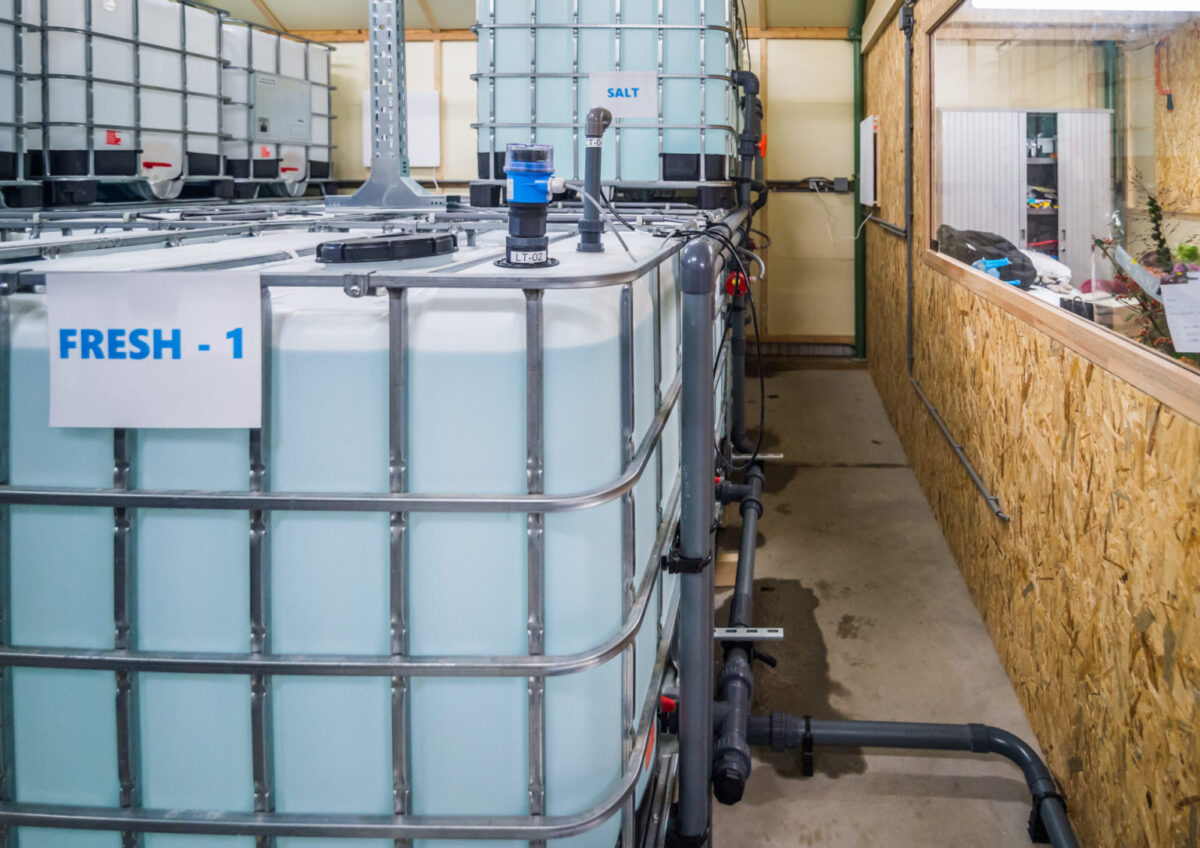
A range of storage technologies will be tested, from saltwater flow batteries and iron‑air systems to hybrid thermal‑electric solutions combining heat pumps and water‑based storage. Beyond hardware, the project will evaluate system-level performance, economic feasibility, and potential regulatory frameworks that could support wider adoption of long‑duration storage.
“We will use the 8–100 h range definining long‑duration storage, as it covers both day‑night shifting and multi‑day weather lulls that short‑duration batteries cannot address,” Gonzalez Aparicio explained. “This duration is most effective at reducing curtailment and enhancing reliability in systems with high wind and solar penetration.”
The consortium will initially test three Dutch LDES solutions: Aquabattery, which is storage technology using just saltwater as the storage medium and is described as a flow battery that is able to independently amend power (kW) and energy (kWh) capacity; Ore Energy, which is a 100-hour iron-air LDES solution; and BB1 Project BV hybrid thermal and electrical long‑duration energy storage system that combines heat pumps, water‑based heat storage and sodium‑ion batteries with smart control to store renewable electricity as both heat and power for extended periods.
“Selection of these technologies was based on the fact they rely on safe and abundant materials, fit for 8–100h duty, and their integration potential with PV, wind and offtakers, as well as their bankability and assurance pathways,” Gonzalez Aparicio said. “For multi‑day needs, iron‑air is promising on cost and duration, while flow batteries offer scalable, non‑critical materials and long lifetimes; thermal storage paired with electrified heat can be highly cost‑effective wherever heat demand is large.”
“We are also building an open energy management system (EMS) blueprint with modules for LDES control, hybrid operations, and a grid‑congestion model; it uses renewable generation forecasts and demand profiles to optimize when storage absorbs PV and wind surplus and when it dispatches to local loads or the grid,” she added. “The EMS incorporates market signals and DSO/TSO constraints, co‑optimizing behind‑the‑meter and front‑of‑the‑meter operation to avoid congestion while maximizing value stacking. We also develop assurance methods to ensure safe, predictable behavior alongside BMS/converters.”
The consortium brings together utilities, network operators, technology developers, academic partners and industry users, including Vattenfall, Stedin, TU/e, Aquabattery, Ore Energy, BB1 Project, and Energy Storage NL.
This content is protected by copyright and may not be reused. If you want to cooperate with us and would like to reuse some of our content, please contact: editors@pv-magazine.com.
Popular content