
(Credits: Far Out / Apple Corps LTD)
Sun 15 February 2026 17:00, UK
It tends to be difficult for anyone to poke holes in anything The Beatles ever did.
Even if they weren’t the most technical musicians in the world, there’s hardly any piece of their discography that isn’t perfect in its own way. They practically carved out the kind of career that every other band tries to build itself on, but even towards the end of their time together, George Harrison could remind everyone that they weren’t as infallible as everyone else claimed they were.
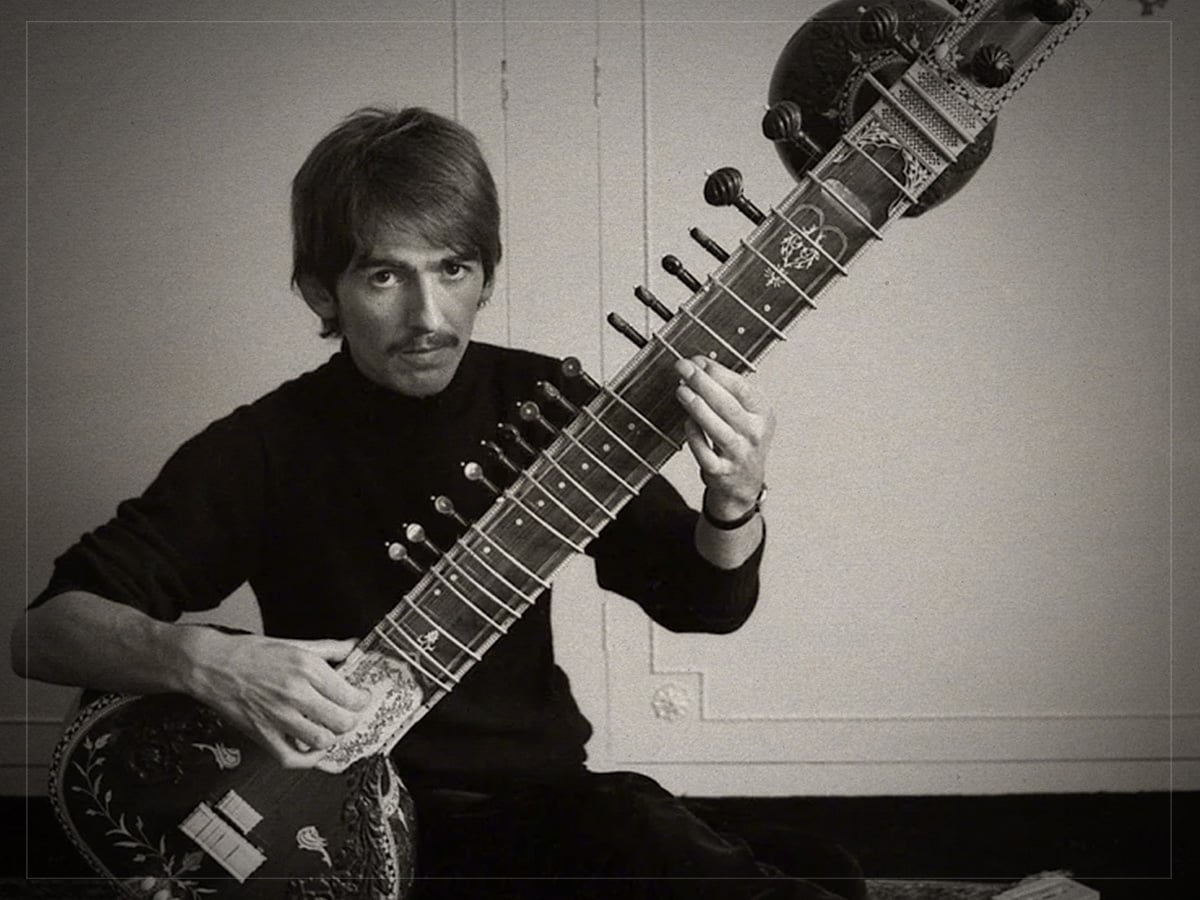
Then again, Harrison was always going to be a bit more critical when it came to some of their best work. He had a slew of great songs in his arsenal, and when each one of them seemed to get passed over for whatever John Lennon and Paul McCartney were working on, it’s not like he was exactly crying over the band splitting up. It had been a long time coming, and Harrison was more than happy to let loose when he finally released All Things Must Pass.
But even when you look at what the rest of the band were going through, it’s not like their final days were the happiest times in the world. The days of them being the four lovable mop-tops were long gone, and even though they were among the only people in the world who knew what it was like to be in each other’s shoes, they weren’t about to sit around and force themselves to enjoy playing music together.
Abbey Road might have been the final highlight for them to wrap up their career, but that only came to be because of how dire the Get Back sessions were. Almost half the band were storming out halfway through those sessions, but if those sessions were the straw that broke the camel’s back, the tension really started to get the better of them when they began working on The White Album.
Everyone was inspired to go in different directions on their massive double album, but that is also what makes it a bit of a mess. The shining moments are among the best songs that the band ever made, but when you look at them next to tunes like ‘Wild Honey Pie’ and ‘Revolution 9’, there are moments where many would have had to wonder if they had their shit together when the tape started rolling.
Harrison may have had the best showing on the album that any other Beatles project up to that point, but even he could admit that the album should have been cut down, saying, “I think in a way it was a mistake doing four sides because, first of all, it’s too big for people to really get into. Maybe now people have listened to it for years since it was out then they’ll have their own favourites. There’s a couple of things that we could have done without on the album. Maybe we [should have] made it a compact 14 songs. But then again, that’s a personal thing.”
George Martin had already talked about pairing the album down to something a bit more digestible, but even if you make it 14 tracks, that would leave a lot of holes in the album. ‘Revolution 9’ would be understandable to get rid of, but it’s hard to think of the record without some of its deeper cuts, whether it’s the strange journey of ‘Happiness is a Warm Gun’, the hard rock clangour of ‘Helter Skelter’, and Harrison’s masterpiece, ‘While My Guitar Gently Weeps’.
The album does stand out as a hot mess in its final form, but that’s also what makes it perfect in a way. The Fab Four had already made one of the best concept albums of their career, so having an album that goes on a bit long with absolutely no concept was the next best thing they could have asked for.
The Far Out Beatles Newsletter
All the latest stories about The Beatles from the independent voice of culture.
Straight to your inbox.