
‘Hot Space’ – Queen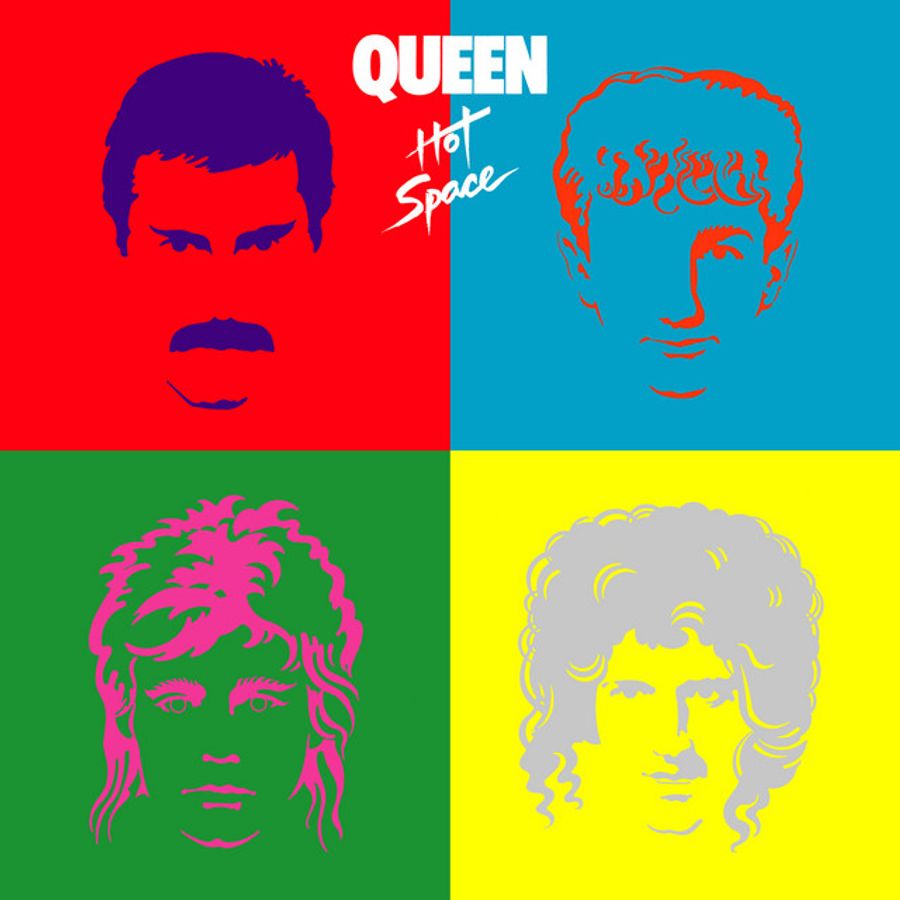
During Queen‘s prime, there was no guarantee of what any song was going to sound like. In the wake of tracks like ‘Bohemian Rhapsody’, the band could have thrown anything at their fans and know that they would get some sort of reaction, either working in the world of show tunes or doubling down on heavy rock. As the 1980s were dawning, their success with the song ‘Another One Bites the Dust’ made for a complicated album cycle when the band entered the studio.
Looking to capitalise on what they had been working on, Freddie Mercury originally thought that the best way to usher Queen into the next generation was to work with dance music, bringing in various synthesisers throughout the recording of Hot Space. Even though the band acquiesced then, Roger Taylor and Brian May spoke about having a miserable time in the studio trying to bring the tracks to life, making themselves sound like a rock and roll version of disco.
Although Mercury would stand by the album as brilliant for the next few years, it was no surprise that nearly every song was cut from their live setlist shortly afterwards, with ‘Under Pressure’ featuring David Bowie being one of the few standouts. Queen was meant to sound bombast, but bringing in squelchy synthesisers cheapened what made them powerful in the first place.
‘The La’s’ – The La’s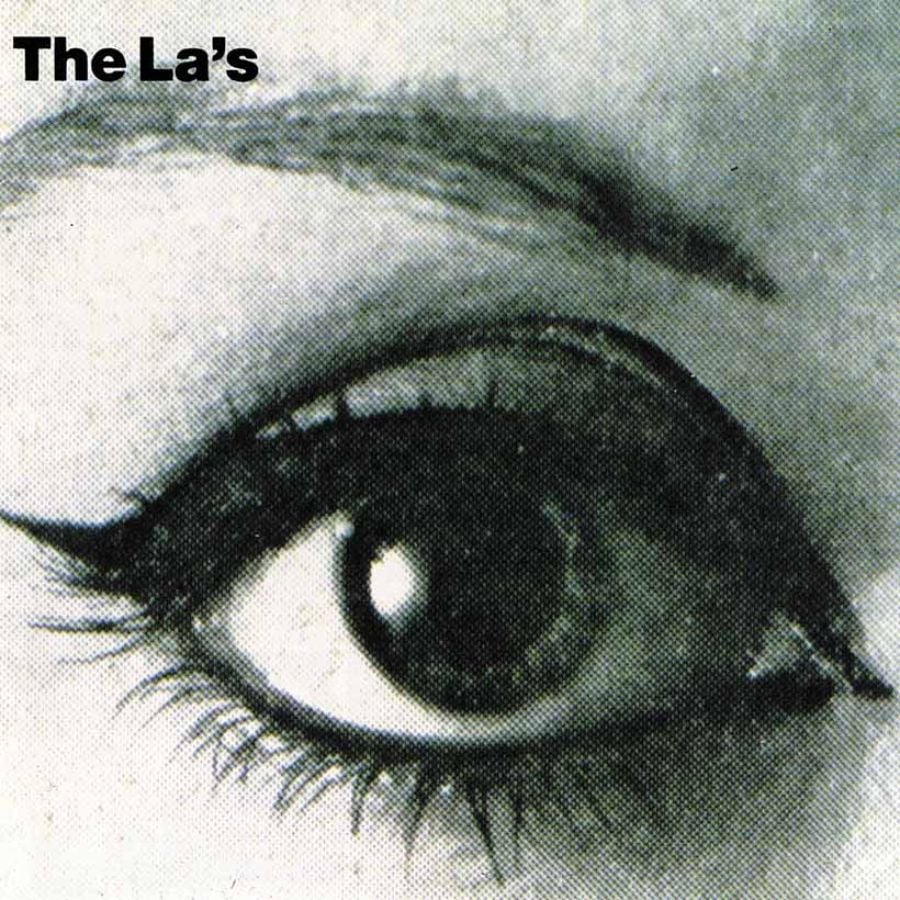
If not for The La’s, the British indie rock scene would have looked very different in the 1990s. While Lee Mavers may have been a reclusive soul, the amount of pop smarts he packed into songs like ‘There She Goes’ and ‘Liberty Ship’ became the prototype for the Britpop movement years later, with artists like Noel Gallagher claiming to be a massive fan. Although Mavers made a masterpiece, the whole album resulted from deliberate sabotage.
Throughout the recording process, Mavers was known for chasing after a sound that would never come, deliberately tearing up good demos because he thought it could be done better. When the band’s label started to give them ultimatums, Mavers thought it best to make an album that was as ramshackle as possible in the hopes that it would give them more time to work on their material.
Not wanting to mess around anymore, the label released the album as is instead, which became the classic that most British rock fans hear today. Although songs like ‘There She Goes’ may have been beautiful for what they were, it would be the final album the band ever made, with Mavers venturing down the rabbit hole again in search of misguided perfection.
‘Somewhere in England’ – George Harrison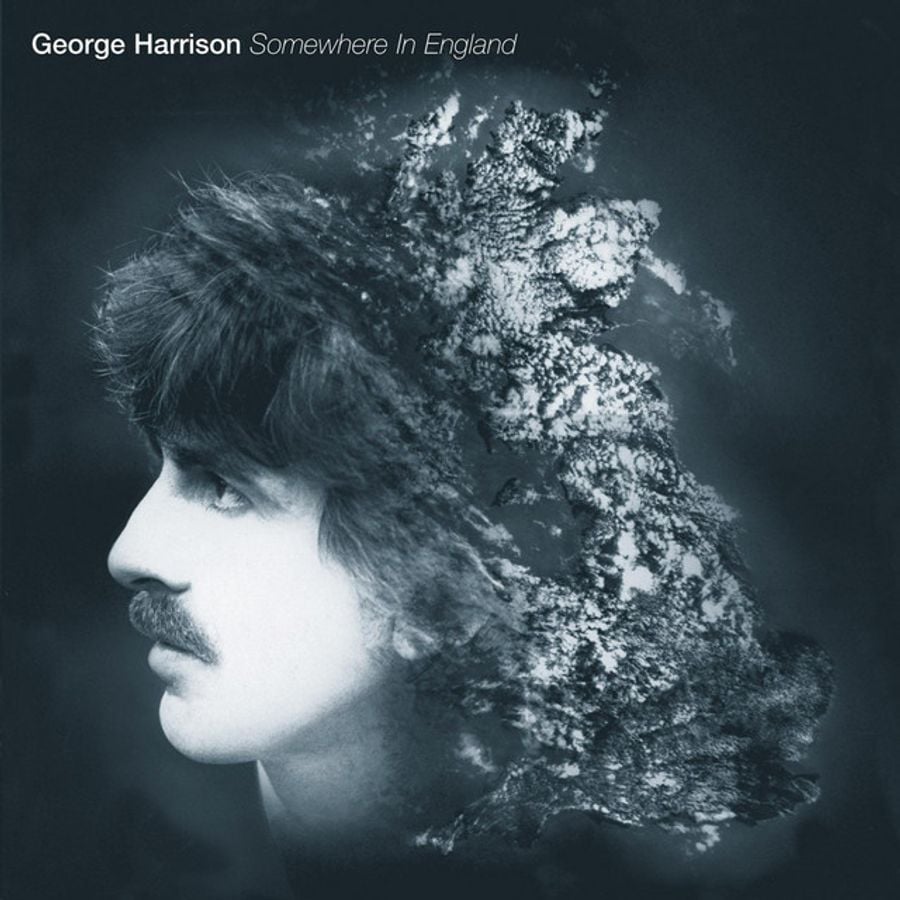
It almost feels taboo to tell a member of The Beatles that what they have isn’t good enough. Being members of one of the biggest acts in the world, every one of them knew how to handle themselves in the studio, even if they were working on songs that were half-finished. While Paul McCartney may have been venturing into pop territory in the 1980s, George Harrison had his entire album rejected with Somewhere In England.
Thinking that it didn’t have enough single material, Harrison’s label originally sent the tapes back, telling Harrison to write songs with more commercial appeal. Not being pleased with going back into the studio, Harrison’s passive-aggressive tendencies were on full display in songs like ‘Blood From a Clone’, with lyrics that directly confront the business suits that forced him to rerecord material in the first place.
Even with the different changes, Harrison still didn’t garner many hits from the album, with ‘All Those Years Ago’ only gaining traction following John Lennon’s tragic passing. Although Harrison would bounce back towards the end of the decade, moves like this actively discouraged him from putting out music, instead focusing on his film studio, Handmade Films. The moral of the story: never question what a Beatle wants to put out.
‘One by One’ – Foo Fighters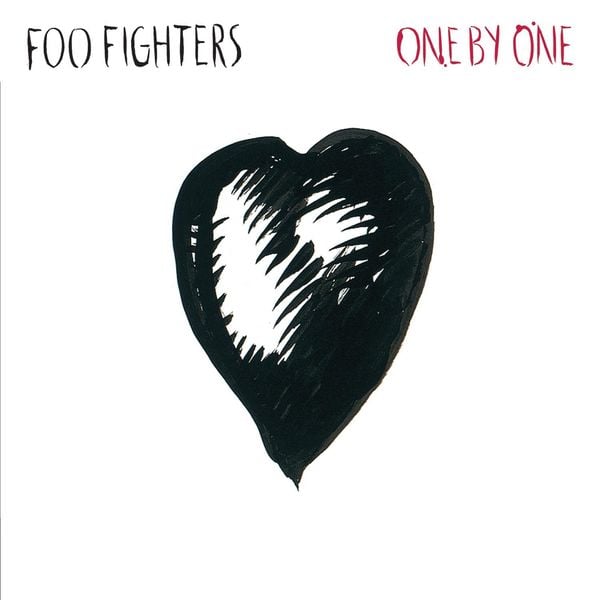
In the wake of Nirvana, Dave Grohl could have easily gone on to a solo career if he wanted to. While he may have become a huge star outside the grunge heavyweights, Grohl’s decision to put a band behind him has made Foo Fighters a more collaborative effort whenever they mix a record. Although the songs are all written by Grohl, everyone’s heart wasn’t into making their fourth album, One By One.
After finally reaching level ground as a quartet, Grohl quickly became bored working on the sessions, eventually taking some time off to work with fellow rock legends Queens of the Stone Age. By the time he returned to the band, his bandmates were none too happy to see him enjoying his side gig more than the group, building up to a massive argument between Grohl and Taylor Hawkins a few days before a major festival gig.
While they bravely made it through the set, Grohl knew they shouldn’t put out the accompanying record, throwing away one million dollars worth of recordings to play the entire album again in the studio. Despite a handful of solid tracks like ‘All My Life’ and ‘Times Like These’, Grohl has stated that he never wants to play any of the filler songs on the album ever again.
‘Lionheart’ – Kate Bush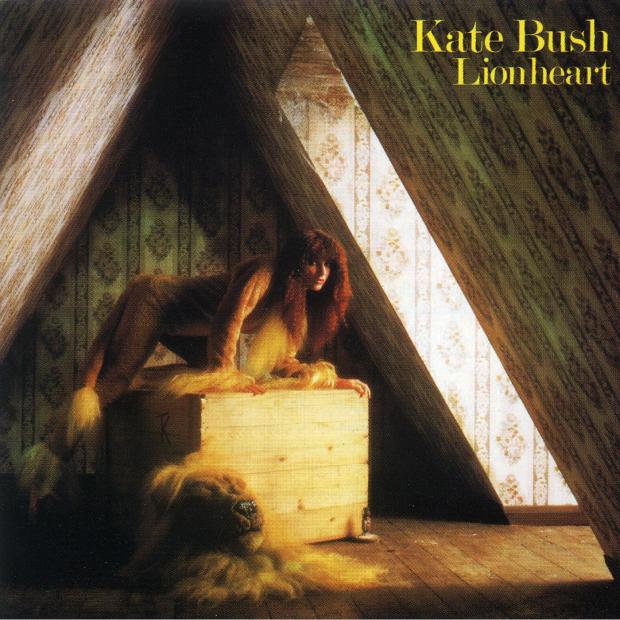
Only a handful of artists come into the world fully formed like Kate Bush did. Although most debuts are the product of artists hashing out their sound in the studio for the first time, The Kick Inside sounds like it was delivered by an artist twice Bush’s age, as she dipped her toes into the world of progressive music and baroque pop with ease on tracks like ‘Wuthering Heights’. While her debut may have allowed her to get acquainted with the studio, Lionheart was the almighty comedown.
Wanting to make the most out of their new hit artist, EMI rushed Bush back into the studio without any time to write new songs. While most artists operate under the same principles for their sophomore releases, Bush was unwilling to spit out anything that wasn’t pure, instead going back to the songs she wrote when she was a teenager to flesh them out for her new project.
Even though songs like ‘Wow’ have the trademark Bush sheen to them, it’s clear that they would have benefited from having more time in the studio, especially with the half-baked material in the deep cuts. The label may have been concerned that Bush would get lost in the shuffle, but if there’s one thing that Kate Bush fans have learned over the multiple decades of her output, it’s that she is not a woman to be rushed.
‘Angles’ – The Strokes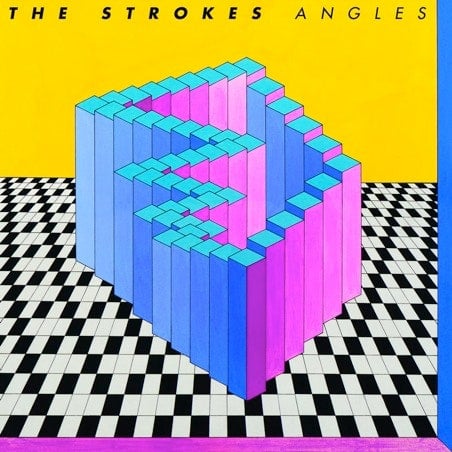
Sometimes, hitting the ground running on one’s first album can be the kiss of death. Although The Strokes may have had the biggest hits of their career off their debut, Is This It, every subsequent album has been about them trying to distance themselves from how they traditionally work. While First Impressions of Earth promised fans a different kind of band than the old days, Angles came close to breaking up the band throughout the sessions.
Rather than go into the studio as a group, every track on the album was assembled from every member working there, while Julian Casablancas would work off of sketches without them. Even though the distance may have sparked creativity, it was not fun to make, with the rest of the band feeling that they were intentionally distanced from the music they were playing every day.
By the time the band got out of the studio, many members had already washed their hands of the project, saying they would leave the band if they tried making an album the same way again. Although Angles does provide a few nuggets of The Strokes’ brilliance, it’s hard to tell what’s genuine collaboration and when the band is being held at arm’s length.
‘Let Me Up (I’ve Had Enough)’ – Tom Petty & The Heartbreakers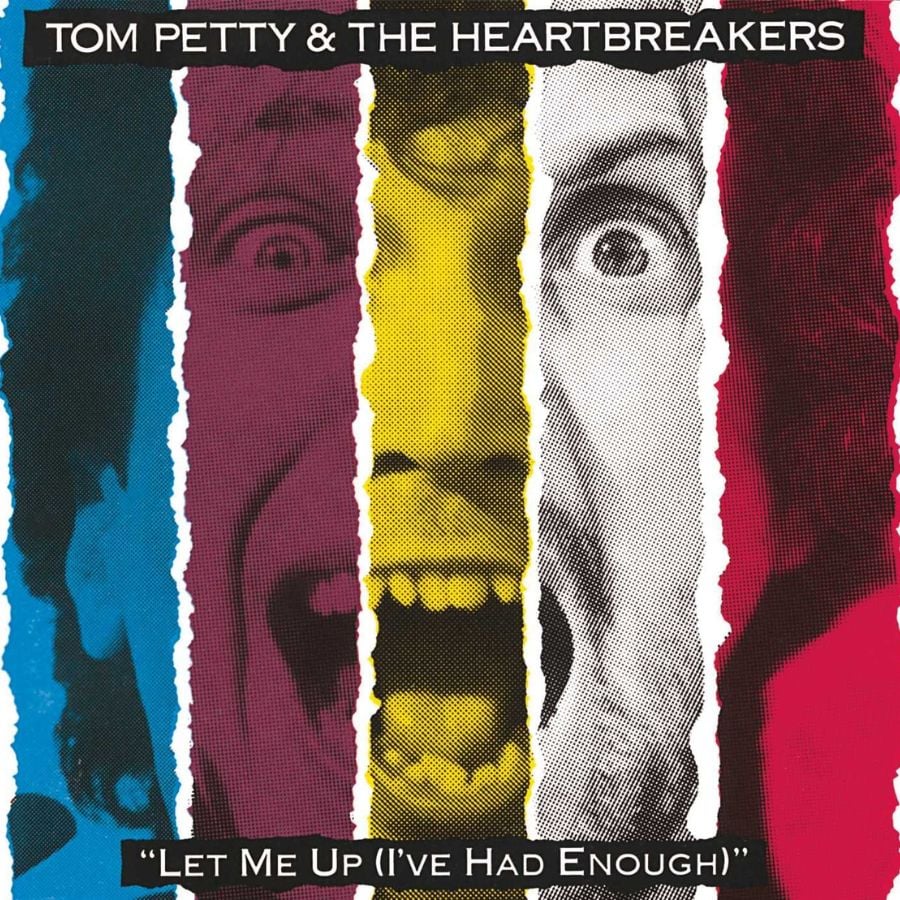
The start of the 1980s didn’t treat Tom Petty nicely. While he may have still been riding high off Damn the Torpedoes, the death of his mother cast a dark shadow over the heartland rocker for the next few years, coupled with the departure of bassist Ron Blair and the hiring of Howie Epstein. Although Southern Accents was a hard album to work through, Petty maintains that he was spinning his wheels for the follow-up.
After getting experience working as Bob Dylan’s backing band on the road, the Heartbreakers returned to the studio with mere sketches of ideas. While the Dylan collaboration ‘Jammin Me’ was a frontrunner for a single, the rest of the album was split down the middle, arranged from half-formed ideas that Petty and Mike Campbell had been working on independently.
It’s easy to see where the divide is, with Petty’s earnest songwriting clashing with the massive bombast of Campbell’s production on songs like ‘Runaway Trains’. Rather than making their next artistic statement, Let Me Up (I’ve Had Enough) may be one of the most aptly named projects that The Heartbreakers ever worked on together.
‘Diver Down’ – Van Halen
Ever since their debut, Van Halen had been on a steady rollercoaster of endless work. Since Eddie Van Halen could spit out one classic lick after another, it wasn’t long after the band came off the road that they would find themselves in the studio making the next album for the label. Although the band could afford to take a well-earned break after the release of Fair Warning, something strange happened when they recorded a one-off single.
Looking to have something out in the world for fans, David Lee Roth had the idea of recording the song ‘Oh Pretty Woman’ by Roy Orbison. Once the song started to climb the charts, though, the label had other plans, strongarming the band to go back into the studio and pump out material they could sell to the mainstream market.
Instead of a true artistic statement, Diver Down is practically the product of the band going into the studio to jam for a few hours, resulting in only a handful of original material interspersed with Eddie’s trademark instrumentals and a few covers thrown in for shits and giggles like the big band number ‘Big Bad Bill’. Although Van Halen worked best when under the gun, Diver Down happens when you push the biggest band in the world as far as they are willing to go.
‘St Anger’ – Metallica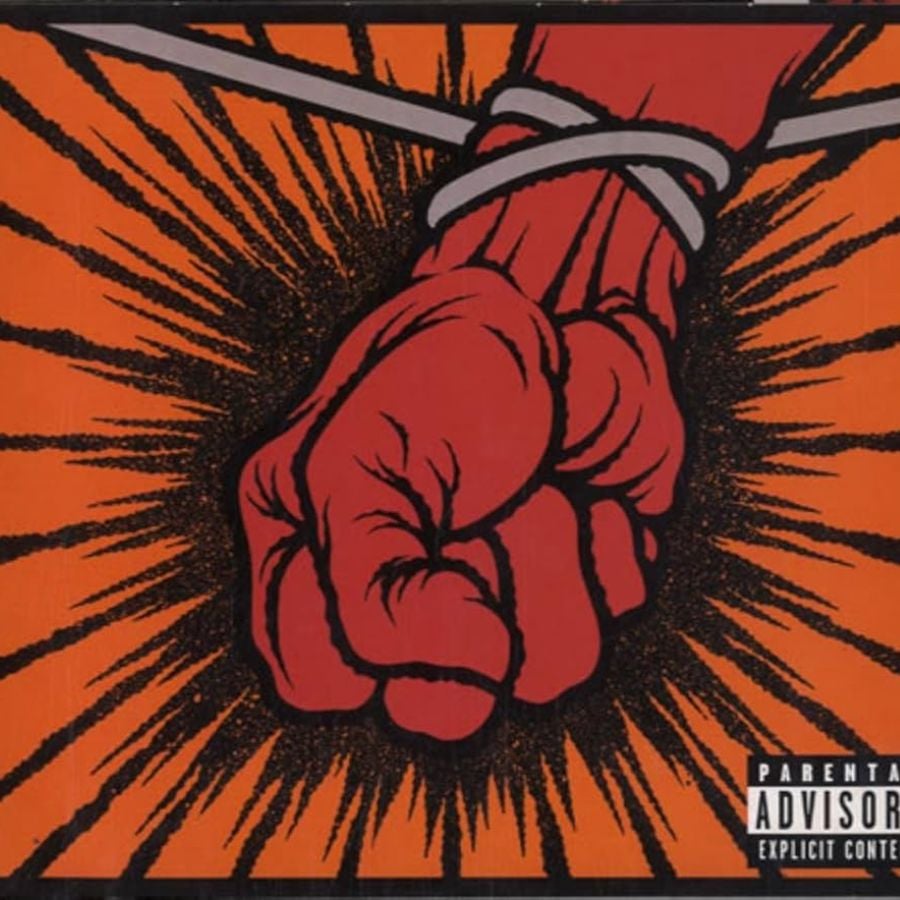
At the dawn of the 2000s, there wasn’t a bigger metal band than Metallica. Although their last handful of records may have been hit and miss for mainstream metal fans, hard rock fans were delighted to see them going in a commercial direction for songs like ‘King Nothing’ and ‘Until it Sleeps’. While the band may have been in their prime in the public eye, they slowly began to crumble after their classical concert S&M.
Tired of being taken for granted, bassist Jason Newsted would quit the mind, citing creative differences as his main deciding factor. As the group went back into the studio, though, their attempts to make things work as a trio brought out the worst in them, with James Hetfield leaving for rehab and not returning for over a year. Even upon his return, Hetfield was unsure of what he wanted to do, not looking to go out on the road and restricting the band’s schedule to a few hours a day.
Despite the prolonged sessions, St Anger would become one of the most divisive albums in Metallica’s catalogue, with many fans pointing out the terrible production and lacklustre riffs than what they usually expect out of the band. Then again, this album doesn’t seem to be about serving the fans. Metallica made this record for themselves, and the only reason they are still active today is because of the long hours they put into working on themselves during these sessions.
‘Let It Be’ – The Beatles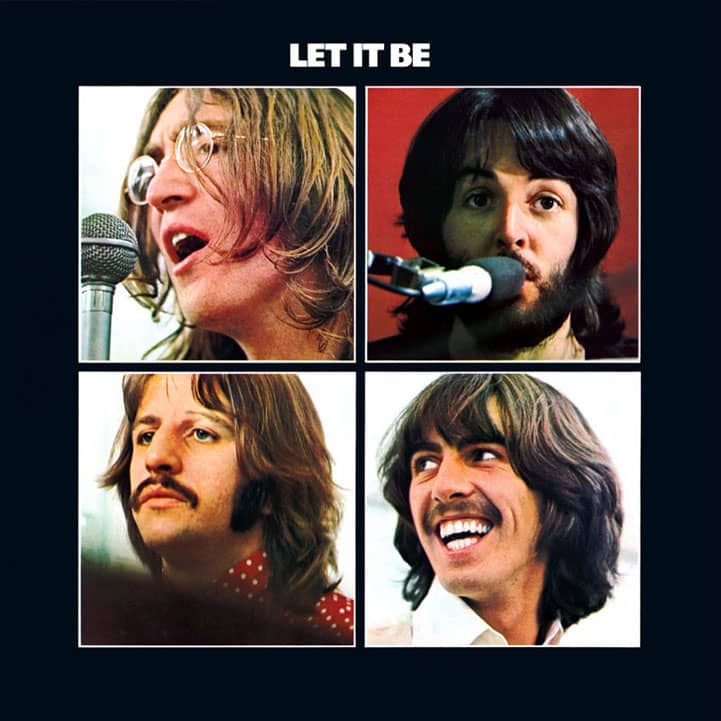
Given all of the bad blood between them, it may have made sense for The Beatles to break up after releasing their double LP, The White Album. Having gone through meditation practices and walking away as very different people, the massive undertaking became a slog to work through, with John Lennon and Paul McCartney getting into vicious disagreements about the band’s direction. While the group eventually reconciled, McCartney’s idea of getting the band back to their roots made for disaster on Let It Be.
Throughout the recording, the band never got back on the same page, leading to George Harrison abruptly quitting halfway through the sessions to focus on solo material. While the group eventually convinced him to return, the final album wasn’t up to their usual standards, putting the material on the shelf to work on their true farewell album, Abbey Road.
Despite the band being broken up after Abbey Road was completed, that wasn’t good enough for EMI, who brought Phil Spector in to produce the Let It Be sessions to sound like a proper album, which McCartney would come to loathe when he heard it. Although The Beatles had sculpted a perfect finale to their career on Abbey Road, Let It Be is a peek behind the curtain of their usual process, serving as more of an odds-and-ends collection than a proper follow-up album.