
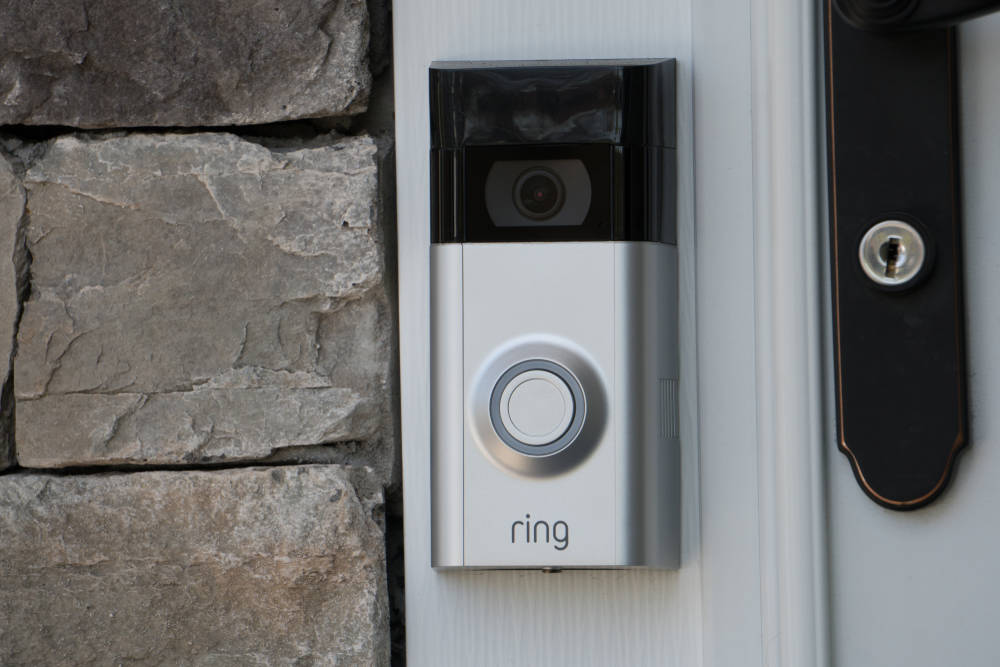
Ring has cut ties with Flock, citing resource constraints, mere months after the pair announced a partnership.
The pair spoke of their intention to work together on Ring’s Community Requests feature back in October, but Ring said this week the integration “would require significantly more time and resources than anticipated.”
The Amazon-owned smart home company made no mention of it in the announcement, but the cancellation comes at a tricky time following backlash over its recent Super Bowl ad.
Ring had used its 30-second slot to highlight its AI-powered Search Party feature, which recruits Ring devices in a neighborhood to activate when someone triggers a lost pet alert. All the devices switch on to locate the animal and reunite it with their owner.
It’s a cute idea in theory, but when depicted in video, many viewers said they saw Search Party as dystopian, and questioned whether this technology could be used for more nefarious means.
While there’s no suggestion the cancellation is linked to this, it also follows another recently announced (and banned by a few states) Ring facial recognition feature, as well as recent criticism leveled at Flock by privacy rights org EFF over its license plate recognition system.
Flock manufactures video cameras, gunshot and audio detectors, and license plate readers, all of which are widely used by US police forces. Recent reports also indicate that this leads to database searches that inform Immigration and Customs Enforcement (ICE) activity.
It should be said that Flock recently addressed these concerns, saying that it has no partnerships with ICE or the Department of Homeland Security, and that ICE does not have direct access to Flock-captured footage.
However, the American Civil Liberties Union previously pointed out, citing a 404 Media probe, that many police searches of Flock camera footage are carried out on behalf of ICE agents.
That reportedly includes ICE agents working for the Enforcement and Removal Operations division, which has been violently arresting suspected illegal immigrants on the streets of the US for months by order of President Trump. The same ICE officers have been linked to multiple killings following detention attempts under the division’s orders.
Ring assured customers that none of its video footage was ever sent to Flock between the initial partnership announcement and this week, when that deal was folded up.
It stated: “Following a comprehensive review, we determined the planned Flock Safety integration would require significantly more time and resources than anticipated. As a result, we have made the joint decision to cancel the planned integration. The integration never launched, so no Ring customer videos were ever sent to Flock Safety.
“At Ring, our mission has always been to make neighborhoods safer. That mission comes with significant responsibility – to our customers, to the communities we serve, and to the trust you place in our products and features.”
Flock said that an engagement period, during which the two companies consulted customers, public officials, and communities about expectations regarding accountability, transparency, and lawful use, led to the decision.
“Technology plays a powerful role in helping communities prevent and solve crime,” said Garrett Langley, founder and CEO at Flock Safety. “But that impact only matters if it strengthens trust and aligns with local community expectations.
“Our priority is ensuring that every tool we build and deploy reflects the standards our customers and their communities expect. Right now, that means staying focused on local innovation and disciplined, responsible growth.”
Ring said that it still plans to push on with Community Requests, a feature that allows customers to share footage with law enforcement if they issue a request. Customers are free to ignore these.
Announced in September 2025, Community Requests followed the January 2024 shuttering of Ring’s Request for Assistance (RFA) feature. They’re both very similar, allowing police to request footage from users, with the main difference being that Community Requests involves Axon for secure evidence handling.
Footage goes to Axon, which hands it over to law enforcement, provided the request comes with some information about why it was made.
If the partnership went ahead, Flock would have been the second third-party company to handle Community Requests after Axon – an intermediary between user footage and public safety organizations. ®