
Labour will trigger a radical redrawing of election boundaries likely to benefit left-wing parties by allowing voters to be registered automatically under new laws.
The elections bill opens the door to automatic voter registration, aiming to introduce an opt out system to capture about seven million people missing from the electoral roll.
In the shorter term, people would be able to opt in to register to vote when using public services, like booking a doctor’s appointment or claiming benefits.
The changes will significantly affect the next independent redrawing of constituency boundaries, due in 2031. Hundreds of seats will need to be redrawn, according to analysis by The Times.
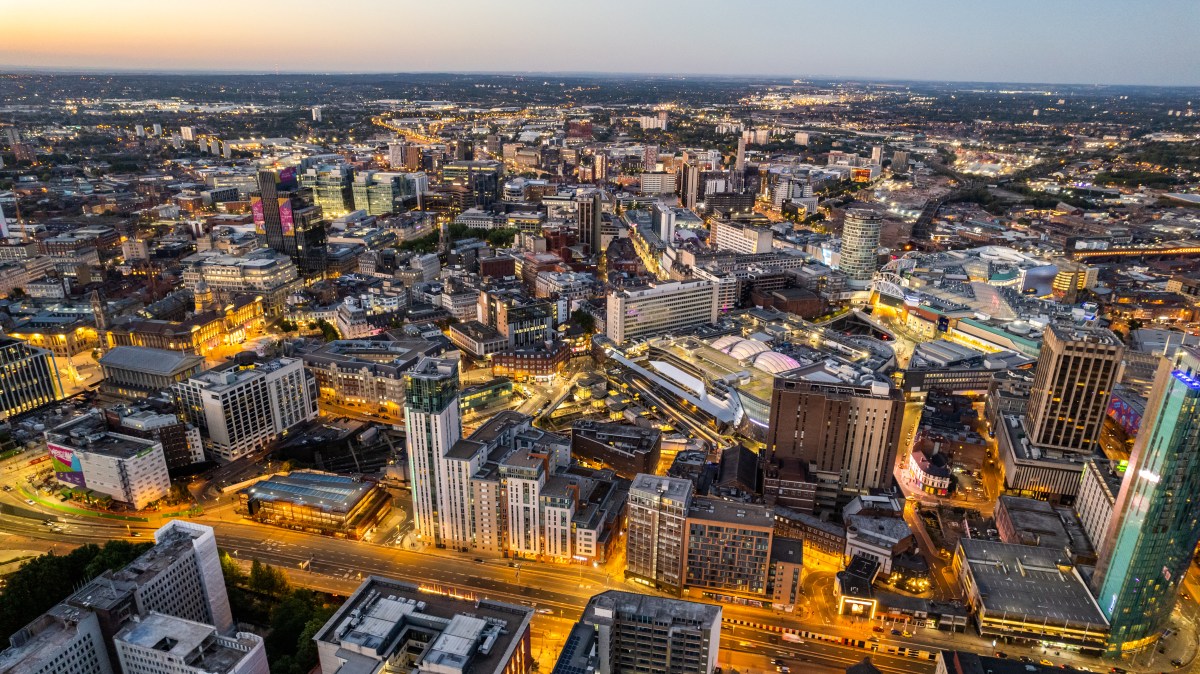
Dense urban areas such as central Birmingham would gain more seats, which are historically more likely to vote Labour. About a third of Labour-held seats would need to be redrawn to reflect the change in voter numbers, compared with less than a fifth of Conservative constituencies.
Birmingham Ladywood — a seat represented by Shabana Mahmood, the home secretary — could expand from about 83,000 to more than 100,000 registered voters if all those not on the electoral roll are added.
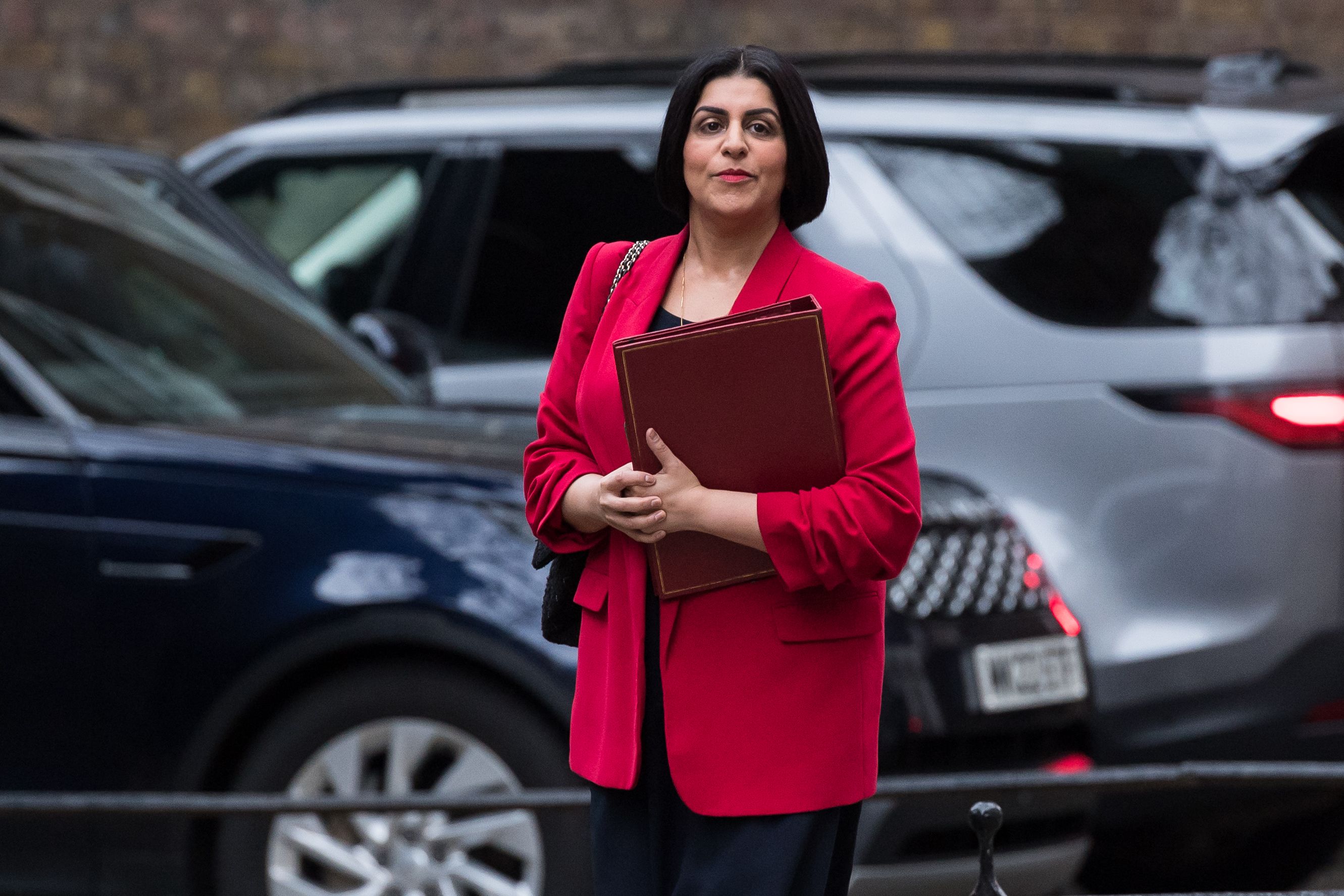
Shabana Mahmood’s constituency would expand
SHUTTERSTOCK EDITORIAL
Since the maximum size of a constituency is expected to be about 88,000 voters, the seat would have to be carved up and parts merged with surrounding areas. This creates more representation in parliament for the area, even with the population keeping level. In total, up to 170 seats are likely to be outside the range allowed for the size of a constituency as a direct result of voter registration changes.
The Boundary Commissions in each of the four nations in the UK are required by law to review parliamentary constituencies every eight years. The last changes came into force in November 2023. The commissions use the electoral register at a defined point in time to determine their boundaries, not the total population of the area.
There is a significant disparity over which demographic groups are signed up to vote. The most recent figures from the Electoral Commission show 30 per cent of eligible voters from the Commonwealth — who are entitled to take part in general elections — are not registered. About 28 per cent of eligible black voters are unregistered, compared with only 13 per cent of white voters.
Five per cent of those who are eligible and own a home are not registered, compared with 35 per cent of private renters.
Labour sources emphasised that although the demographics of the unregistered voters are historically more likely to vote for the party, changes in voting patterns mean that anyone from independent candidates to Reform UK could pick up the votes in future instead.
The elections bill, formally known as the Representation of the People Bill, was introduced to parliament last week and introduces powers for “registration without an application”.
This would allow officials to write to eligible voters to let them know they are unregistered, and specify a deadline by which to object to being added to the electoral roll. Once the time period passes, the officer adds the person to the register. The procedure would also apply when a voter moves to a new address.
The powers will be piloted by local councils over the next few years, and reviewed by the Electoral Commission and the government, before they are rolled out nationwide. It is unclear exactly what form the registration system would take nationally at the point that the Boundary Commissions draw up their recommendations, or how many unregistered voters will have been picked up.
Tom Brake, the chief executive of Unlock Democracy, which has been campaigning for the introduction of automatic voter registration, said: “Ministers are right to want to remove unnecessary barriers to voting when we have the technology to do so securely and cost effectively. Automatic voter registration has the potential to give voice to the millions of eligible voters missing from the electoral roll, so that parliament can fully represent the people it serves.”
The government said the bill “aims for a gradual shift towards a more automated registration system to simplify the process, reducing the need for voters to repeatedly fill out their details across various government services”.
A government source added that they intended to “actively explore and test new and more automated methods of registration” but that “any permanent changes to the registration process will be based on robust evidence and user research”.