
(Credits: Far Out / Showtime / The Eagles / Larry Bessel / Los Angeles Times)
Sun 15 February 2026 18:36, UK
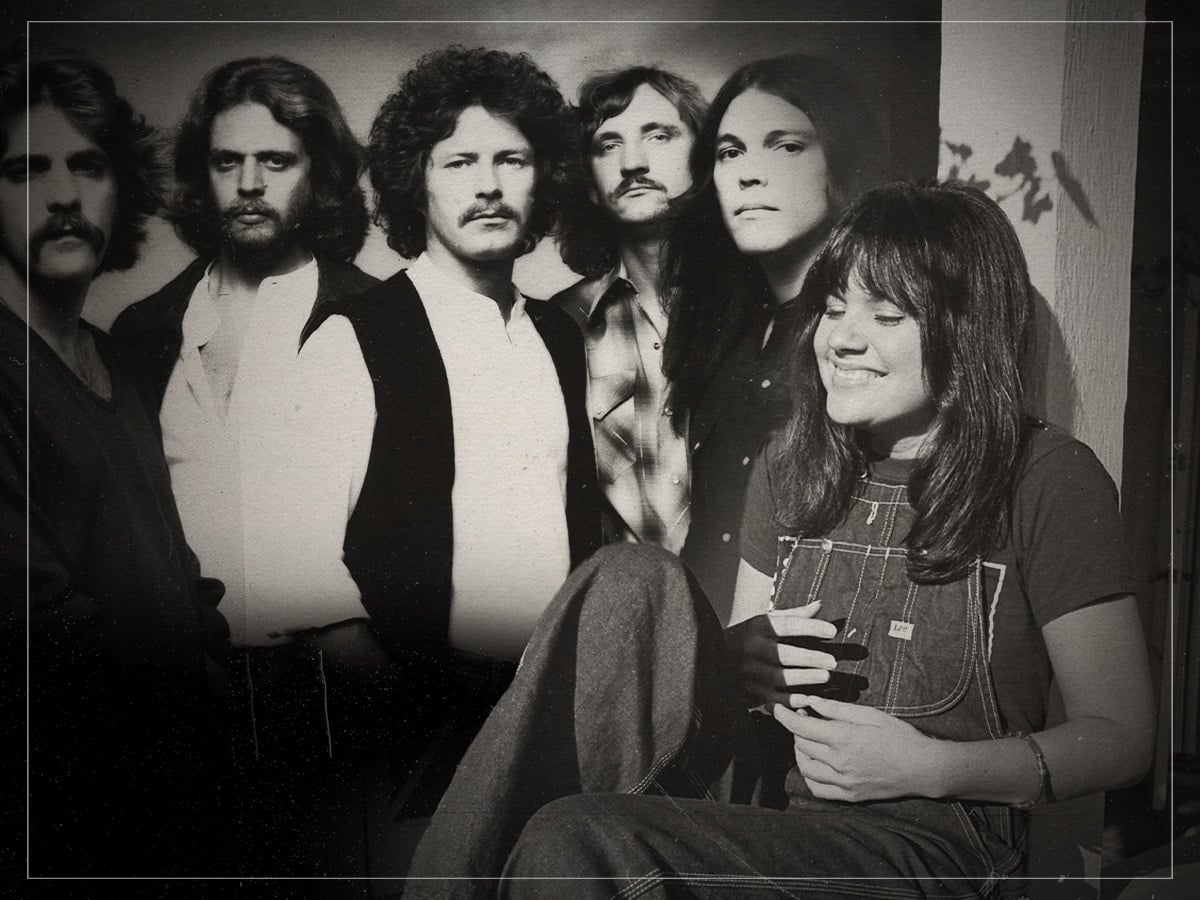
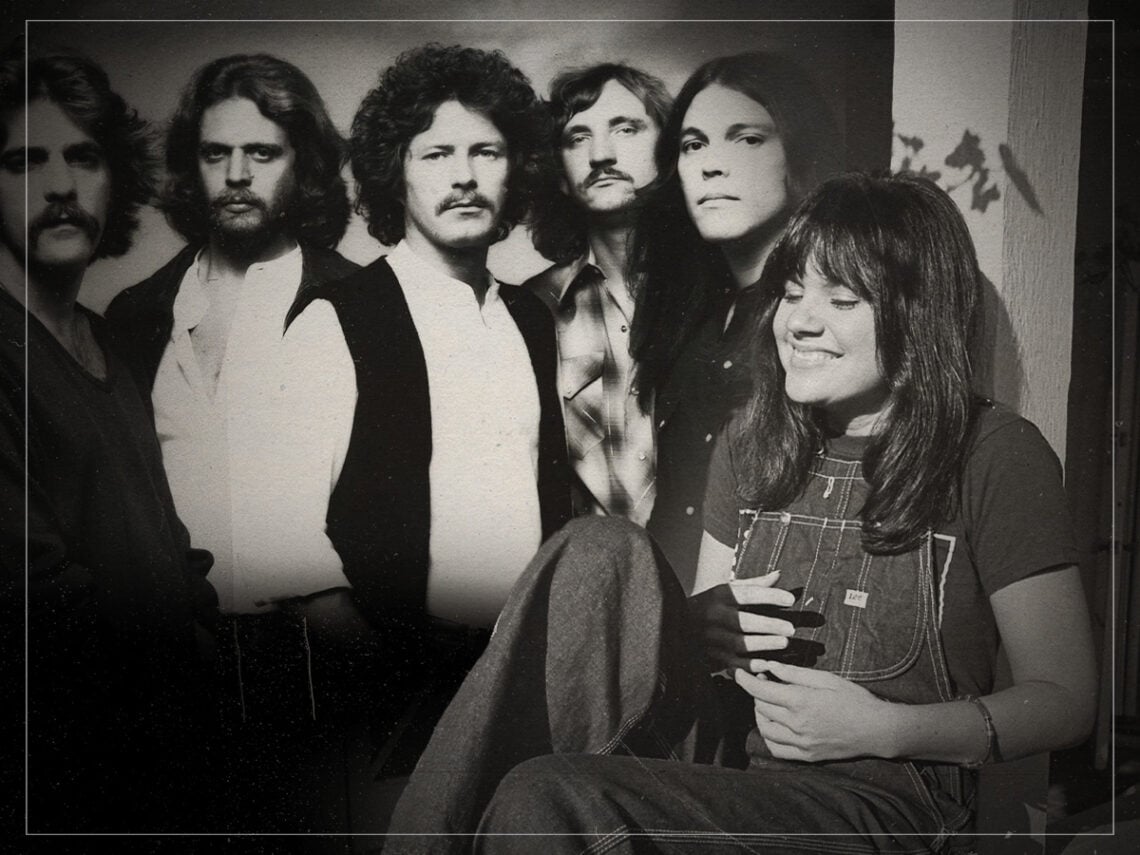
The stories of Linda Ronstadt and the Eagles are inseparable intertwined in a few different ways. But overwhelmingly, the headline is this: Ronstadt didn’t just work with the Eagles, she made them.
It could be argued that it’s a chicken-and-egg situation of who came first, with Ronstadt joking to Uncut once, “I really was terrible in the beginning,” claiming, “I had no idea what I was doing. It wasn’t until about 1980 that I really started to learn how to sing.” But in those early days when she claimed to be clueless, she had a powerful backing band to help her out.
During some of her first tours as a solo artist, her backing band included Don Henley and Glenn Frey, along with Bernie Leadon and Randy Meisner. The four would go on to be the founding members of the Eagles, but back then, they were all simply session musicians hired for the job.
They came together in a mish-mash sort of way as Ronstadt was essentially hiring anyone she stumbled upon and liked. “We walked to The Troubadour one Monday night and heard this band called Shiloh onstage. They were playing my version of ‘Silver Threads and Golden Needles’ exactly off the record, including the guitar solo. So I thought, ‘Maybe I can just hire this band, they already know the arrangements!’,” she recalled, and on the spot, she hired the band’s drummer: Henley.
Later on, she needed a guitar player, and there was a good one already in front of her, playing with her then-boyfriend, as she said, “I needed a guitar player, so I asked Glenn Frey, who used to sing with my boyfriend, JD Souther”.
As for the rest, Ronstadt said, “John [Boylan] suggested Randy Meisner to play bass and I suggested Bernie Leadon, so those four became my band with the idea that they’d go on their own as soon as they got a deal.”
All put together in the close quarters of life on the road, the guys fell into a natural chemistry. “When we were on the road, Glenn and Don roomed together, and they each discovered that the other was a good singer and writer, so they started working together,” Ronstadt said, adding, “By the end of the tour, they decided to form a band.”
Given that they were backing Ronstadt up, the go-to would be that she made them. However, the singer herself argued against that, claiming, “I had a hand in forming the Eagles, yes,” adding, “But it was their talent and their mutual interaction that really did it”. And that talent boosted her too, as she kept the band close on tour and on tape.
 (Credits: Far Out / Alamy)What Linda Ronstadt songs did the Eagles play on?
When it comes to Ronstadt’s recorded music, the Eagles played a major role for a good while. From the moment the boys were brought into her live band in the early 1970s, they were also brought into the studio with their first recorded contributions coming on her 1972 self-titled record, which truly felt like a relaunch of the artist. All four founding members played across this record, contributing to almost every song.
After the Eagles themselves took off with their own hit album in 1972, their contributions weren’t quite as regular. Frey plays on two songs on Ronstadt’s 1973 record Don’t Cry Now, while JD Southern wrote ‘The Fast One’, ‘Don’t Cry Now’ and ‘I Can See It’ for the album. Ronstadt also covers the band’s ‘Desperado’ there, but they don’t join the backing band.
On 1974’s Heart Like A Wheel, she played matchmaker again as the Eagles played alongside Timothy B Schmit, who would later join the band. Souther contributed again by writing ‘Faithless Love’ while Henley and Frey dropped in for some guitar and drums on its closing track, ‘You Can Close Your Eyes’.
After a gap, Ronstadt and Henley came together again in 1977 to sing on ‘Blue Bayou’, joining their voices for the successful cover.
So their worlds were forever in orbit as the two seemed to work in perfect unity, with Eagles calling Ronstadt their “muse”, while she found her feet in her country-rock sound, undeniably thanks to the support of the band.