
Wimbledon has told players it will not be making any changes to its camera set-up at this year’s championships despite a backlash over behind-the-scenes access at the Australian Open.
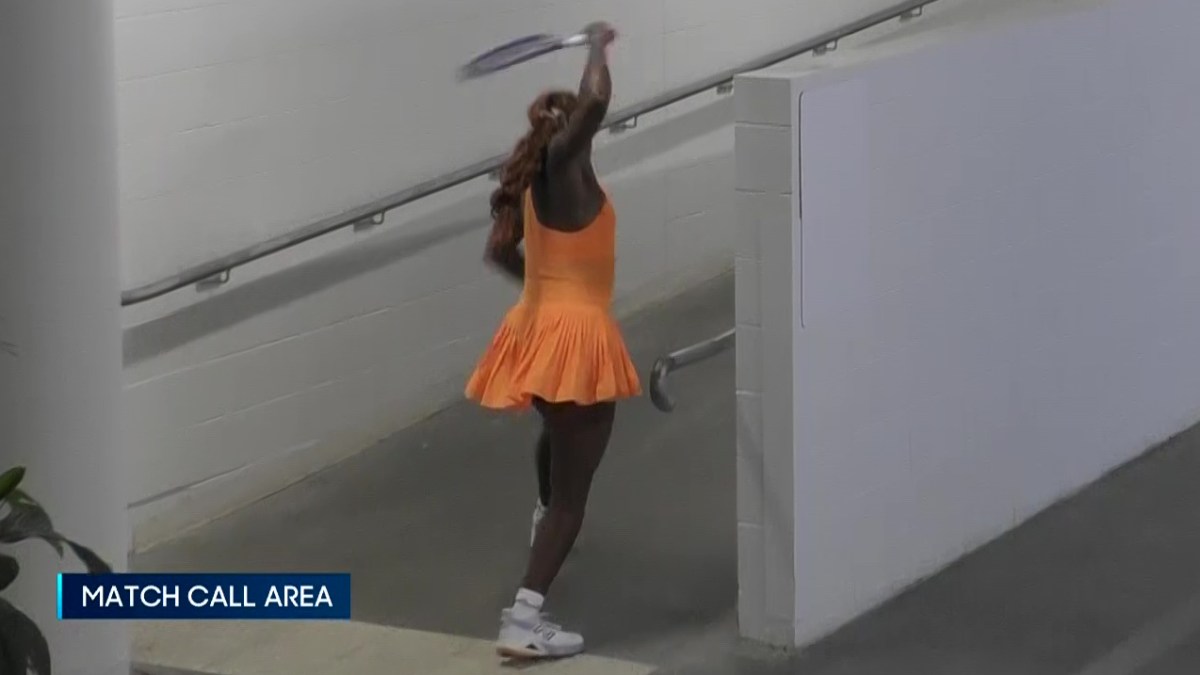
The Times has learnt that one of tennis’s leading agents wrote directly to all four grand-slam tournaments and raised concerns about a perceived invasion of privacy, after Coco Gauff was filmed smashing her racket in a warm-down area having been defeated by Elina Svitolina in the quarter-finals in Melbourne.
Gauff, the world No4, said that she had “tried to go somewhere where I thought there wasn’t a camera, because I don’t necessarily like breaking rackets”. However, the only area off limits to cameras at the Australian Open is the players’ changing rooms, and the footage was quickly broadcast on television and social media.
Iga Swiatek, who went viral on social media after a clip emerged in which she was stopped by security after forgetting her accreditation, also questioned the extent of camera access.
Please enable cookies and other technologies to view this content. You can update your cookies preferences any time using privacy manager.
Enable cookiesAllow cookies once
“The question is, are we tennis players or are we animals in the zoo, where they are observed even when they poop? That was exaggerating, obviously, but it would be nice to have some privacy,” Swiatek, the world No2, said. “It would be nice also to have your own process and not always be observed.”
However, it is understood that Wimbledon will resist making any changes to its broadcast set-up and the All England Club confirmed its position to a wider group of players’ representatives on Friday.
In a letter, Wimbledon highlighted the benefit of having backstage cameras in warm-down areas, but stressed that it was acutely aware of the need to prioritise players’ welfare and added that they would maintain private areas for players and their teams without cameras. It added that all footage would be reviewed by an in-house team before being broadcast, rather than being freely transmitted on TV. Wimbledon further attempted to reassure players by stating that all cameras would be clearly visible and their specific locations relayed before the championships.
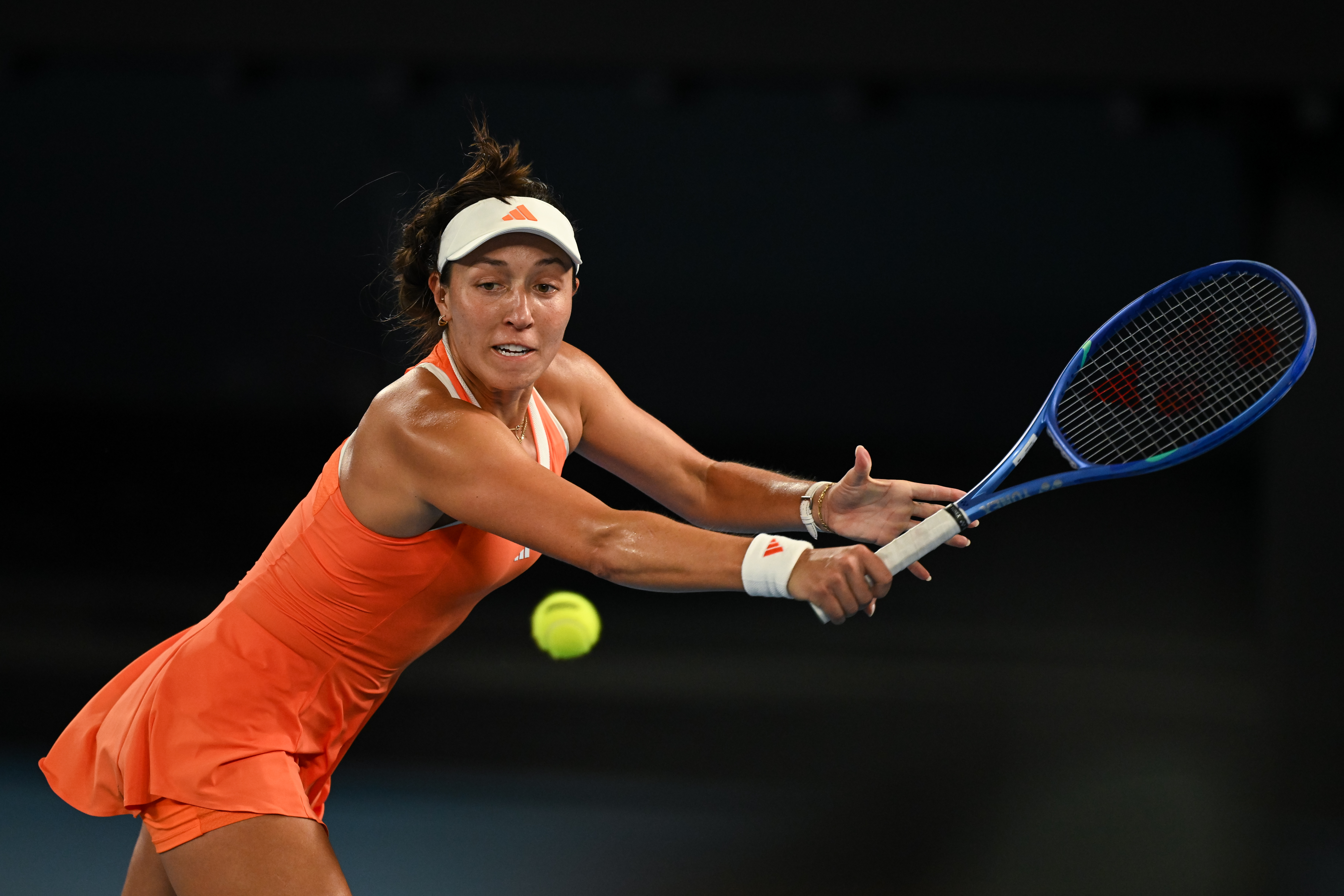
Pegula, a member of the WTA players’ council, says players should be consulted over camera access
DANIEL KOPATSCH/GETTY
Complaints about the level of intrusion have centred on the Australian Open, in particular in recent years, after it added an array of cameras to corridors across Melbourne Park in 2019.
“There are some spaces that you can at least go when you need to,” Swiatek said, in reference to the off-site facilities at Wimbledon and Roland Garros. “But there are some tournaments where it’s impossible and you are constantly observed, if not by the fans, who can just buy some ground passes and go to your practice, then by cameras.”
Jessica Pegula, the world No5 and a member of the WTA players’ council, cited concerns among female players about increased camera access without prior consultation, highlighting another incident in 2023, when Aryna Sabalenka was filmed smashing a racket in the warm-down area at Flushing Meadows after losing to Gauff in the US Open final.
“Honestly, we were talking about cameras years ago. I remember when [Madison] Keys, her No1 priority on the council was: ‘We have to stop with these cameras. This is crazy,’ ” Pegula said in Melbourne.
“They ended up putting up signs so people knew there were cameras. But this year it feels even worse. Like, I’ll be in the gym, and [on a television screen there] there’s video of me, like, walking into the site. I saw people that didn’t even know it was happening in areas that you don’t think someone is watching you. It’s in every single hallway.
“Coco wasn’t wrong when she said the only place is the locker room, which is crazy. You know, you’re just kind of going about your day. To feel like someone is constantly filming you, I saw online people were zooming in on players’ phones and stuff like that. That’s so unnecessary. I just think it’s really an invasion of privacy.”
The Times revealed last month that Wimbledon would like the BBC to revamp and modernise its coverage of the championships to keep pace with the other grand-slam events, amid internal discussions over extending its rights deal with the national broadcaster. Ceding ground in terms of backstage broadcast access would have represented a significant backwards step.
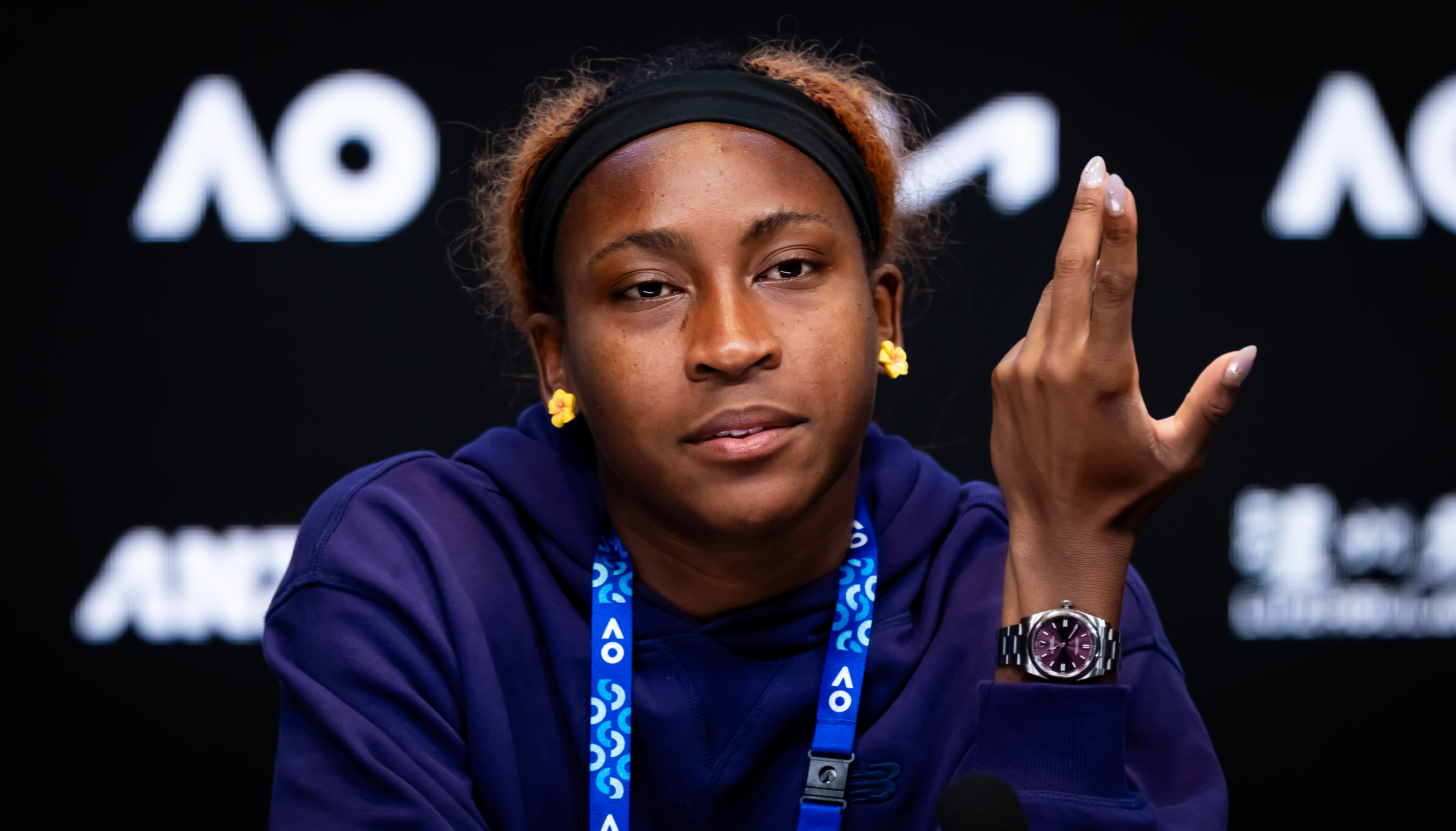
Gauff and fellow stars have accused the grand-slam organisers of not prioritising player welfare
ROBERT PRANGE/GETTY
However, the players’ complaints in Australia came against the backdrop of tense negotiations between the top ten male and female players and the grand-slam tournaments over receiving a greater share of the prize money and establishing a pension fund.
The group — of which Gauff, Pegula and Swiatek are outspoken members — rejected an offer from the grand-slams to set up a players’ council that would give them a greater say in the running of the major championships, and they accused the organisers of not prioritising their concerns about pay and player welfare.