

The NHS GP Dr Punam Krishan revealed a cheap and simple method which has been proven to lower cholesterol on BBC Morning LiveCharlotte Smith and Nicola Croal Trends, Showbiz and Lifestyle Writer
19:16, 16 Feb 2026

Dr Punam explained what can happen when PPIs are taken over an extended period(Image: BBC)
Dr Punam has issued advice for individuals struggling with high cholesterol, highlighting evidence supporting an inexpensive method that has been shown to reduce elevated levels within a brief period. The NHS GP appeared on a recent BBC Morning Live episode, where she explored the vital importance of a healthy diet in managing high cholesterol alongside presenters Gethin Jones and Michelle Ackerley.
During the segment, she informed viewers about how common high cholesterol is and stressed that it can impact anyone. She disclosed that roughly one in two adults will develop raised cholesterol levels, with many unaware of their situation as high cholesterol typically displays no symptoms.
This is why high cholesterol is often referred to as a ‘silent killer’. Cholesterol is a fatty substance manufactured by your liver and found in your bloodstream. Not all cholesterol is detrimental; it’s necessary for processes like cell construction and hormone creation, Lancs Live reports.
‘Good’ HDL cholesterol is the beneficial type, whilst a build-up of ‘bad’ LDL cholesterol represents the genuine health danger and is the number you need to lower, reports the Mirror. Over time, cholesterol can build up in your arteries, constricting and stiffening them and increasing the likelihood of heart disease.
Typically, there are no obvious warning signs until a serious event such as a heart attack or stroke occurs. When individuals do display symptoms, these often include breathlessness, chest pain, yellowish, soft, or fatty skin deposits, erectile dysfunction, poor blood flow, and a grey-white ring around the cornea’s edge.
What is the 8p ‘two-day’ method that reduces cholesterol?
According to research from the University of Bonn, a short oat-based diet appears “surprisingly effective” at reducing cholesterol levels. The findings have been published in the journal Nature Communications.
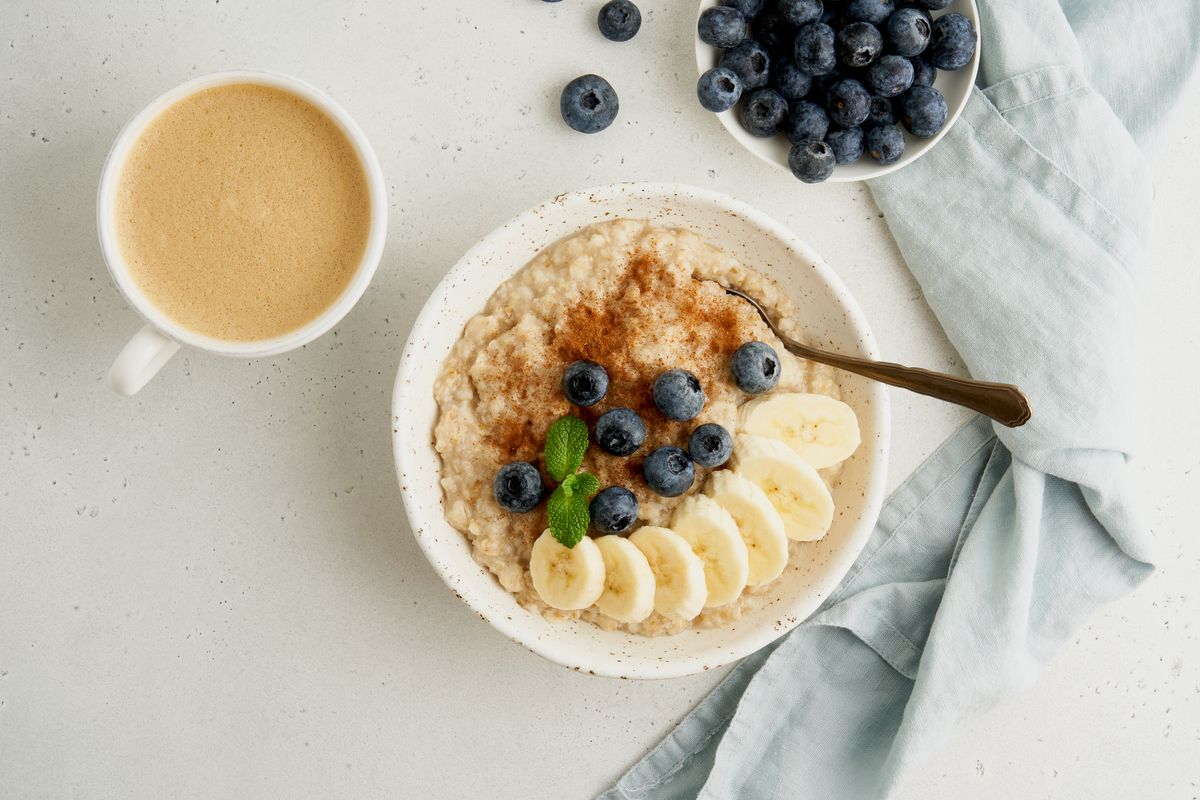
Oatmeal has soluble fibre, which can reduce your low-density lipoprotein (LDL) cholesterol(Image: Getty)
Dr Punam discussed the study on a BBC talk show, emphasising the significance of high-fibre foods in managing elevated cholesterol and potentially high blood pressure. She informed viewers about recent research which found that people who consumed high-fibre foods, including porridge, over several days appeared to improve their cholesterol levels and blood pressure.
She stated: “There has been a recent study that was looking at porridge, making headlines for cholesterol. It was about people having soluble fibre, so porridge and hot water, over a couple of days, seems to make some improvement in your cholesterol levels and your blood pressure.”
She further added: “That’s not to say that is what you should be doing all the time, but it is emphasising that actually having slow fibre in your oats, your beans, your lentils is fantastic for cholesterol, lowering and improving that. So over a long period of time, put that into your everyday balanced diet.”
For those looking to buy porridge oats, there’s no shortage of choices. Many supermarkets stock budget-friendly brands.
For instance, Asda offers a 1kg bag of porridge oats for 85p, working out at approximately 8p per 100g serving.
She emphasised that eating “slow fibre” foods, such as oats (porridge), beans, and lentils, can be “fantastic” for lowering cholesterol. She advises incorporating these slow fibre foods into a balanced daily diet over a prolonged period.
What did the “two days of oatmeal” study show?
People with metabolic syndrome experienced an average 10% drop in LDL cholesterol after just two days of eating 300g of porridge prepared with water. This dietary approach also led to a slight reduction in blood pressure and an average weight loss of 2kg (4.4 lbs).
The beneficial effects on metabolic health were still apparent six weeks after the two-day diet. Eating substantial amounts of oats seemed to modify gut bacteria, increasing the helpful bacteria that promote better cholesterol metabolism.
Using a high-dose, short-term, two-day strategy proved more successful than simply incorporating smaller amounts of oats into a normal diet over six weeks.
Can porridge really help lower cholesterol?
Regular consumption of porridge can help lower cholesterol levels, research suggests.
It contains a soluble fibre called beta-glucan, which forms a gel in the digestive system that binds to bile acids containing cholesterol and prevents their absorption.
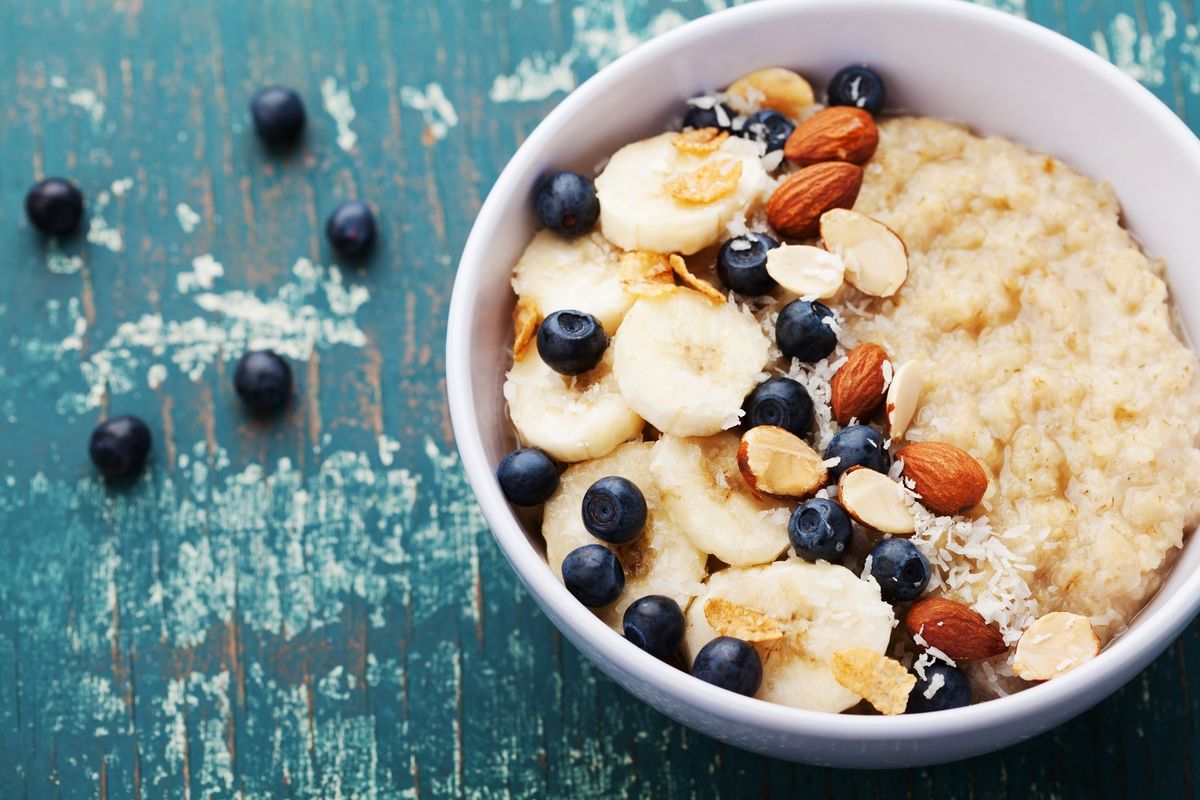
Porridge can help lower cholesterol levels(Image: Getty Images/iStockphoto)
Consuming around 3g of beta-glucan daily – approximately one 70g bowl of porridge – could lower your LDL (the “bad” cholesterol) by roughly 7%. Beta-glucan functions by attaching to cholesterol in the intestines, blocking its absorption and encouraging the liver to extract more LDL cholesterol from the blood.
A daily serving of 70g of dry oats (or a 30g packet, as some recommend) delivers the suggested 3g of beta-glucan.
Any variety of oats is effective, as long as they are whole grains. Research shows that eating oats regularly can provide cholesterol-lowering effects similar to statins, but without the possible side effects.
Oats also have a low glycaemic index, helping to keep blood sugar levels steady. For the best cholesterol-lowering outcomes, make porridge with water or low-fat milk and steer clear of adding sugar.
Enhancing porridge with toppings such as fruits (like berries and bananas) and nuts can increase the cholesterol-lowering advantages. Whilst porridge is beneficial, it should form part of a broader diet low in saturated fats and a healthy lifestyle overall, rather than being relied upon alone.
Consuming porridge is widely regarded as a beneficial habit thanks to its high fibre content and nutrients that promote heart health and aid weight management. Nevertheless, there are several factors worth considering, such as potential digestive issues from the substantial fibre levels, possible disruption to mineral absorption (caused by phytic acid), the danger of blood sugar spikes when opting for instant or sweetened versions, and potential gluten contamination.
Oats contain abundant soluble fibre, which may cause bloating, gas or stomach upset if you’re unaccustomed to a fibre-rich diet. Maintaining proper hydration is essential to help counteract the effects of fibre.
Instant, flavoured, or microwaveable porridge sachets frequently contain excessive added sugar and calories. Regular consumption of these could result in weight gain instead of loss, and they might not be the best option for keeping blood sugar levels steady.
What other measures can help reduce high cholesterol?
Dr Punam emphasises that high cholesterol doesn’t only affect older or overweight people. Even those who are slim, fit and active can experience raised cholesterol levels.
It’s a complicated matter shaped by various factors, including family history, genetic predisposition, and lifestyle choices. Reducing cholesterol generally demands a combination of physical exercise and changes to eating habits, as relying on either method alone is rarely effective.
Dr Punam stresses the significance of nutrition, pointing out that a diet laden with saturated fats and processed items can undermine the advantages of working out.
Items high in “slow fibre” like oats (porridge), beans, and lentils are “fantastic” for lowering and controlling cholesterol levels. These foods ought to be incorporated into a well-rounded diet over a prolonged timeframe.
Managing stress, encompassing elements such as a hectic lifestyle and sleeping habits, also influences cholesterol levels.
What else did Dr Punam mention?
Dr Punam recommended that anyone aged over 40 who has never had their cholesterol tested should book an appointment. She stressed this is especially important for those with substantial risk factors or a family history of high cholesterol.
For high-risk individuals, yearly testing is recommended, potentially rising to twice a year if on medication or if cholesterol levels continue to be raised, she said. A single test cannot offer a long-term picture and should be repeated to establish your baseline readings.
For many people, the only effective way to manage and lower cholesterol is through medication, including statins, which the NHS GP described as “safe and effective”. She pointed out that alternative treatments are available if one specific medication proves unsuccessful.
There should be no feelings of “stigma and shame” attached to long-term medication, as anything lowering your risk benefits your longevity, she told viewers.
She said: “I think there’s still ongoing stigma and shame, sometimes of having long-term medication, especially something that you might be on for life, but there’s absolutely no reason to do that. Anything that’s going to reduce your risk is going to be good for you in terms of your longevity.”