
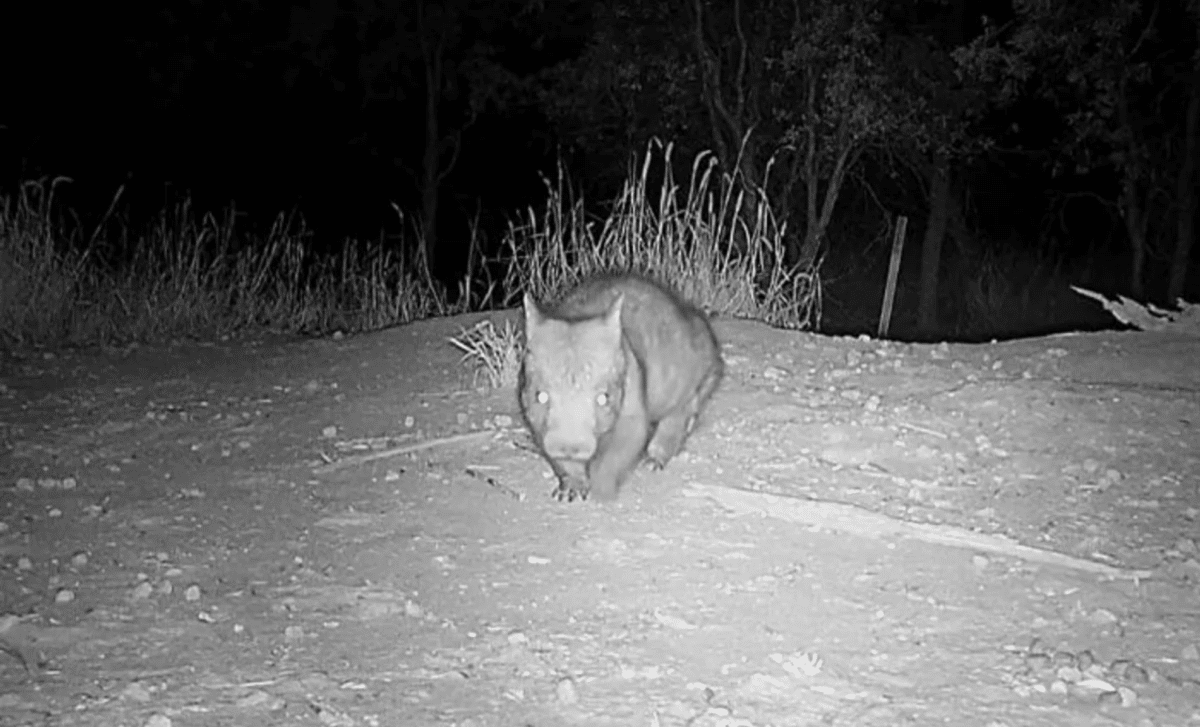
A breakthrough discovery in Australian wildlife conservation has emerged thanks to rare camera footage from the Australian Wildlife Conservancy (AWC). In June 2024, a young individual from one of the world’s most endangered species was spotted at the Richard Underwood Nature Refuge (RUNR), marking a pivotal moment for the species’ survival. This sighting is particularly significant given that there are fewer than 400 left in the world, making every new discovery vital for the species’ future. The footage gives hope that conservation efforts are having a real impact on preserving this once-nearly extinct animal.
The Significance of the Sighting: A New Hope for the Species
The discovery of a young individual offers a fresh sense of optimism for a species that has been on the brink of extinction. Once widespread across eastern Australia, the species in question faced a dramatic population decline throughout the 20th century due to habitat destruction, grazing competition, and predation. By 1982, only 35 individuals remained in a single population at Epping Forest National Park in Queensland. However, a remarkable shift is taking place, and the recent sighting at RUNR offers hope for a more stable future.
In June 2024, the AWC’s conservation efforts took a major step forward when footage from wildlife cameras captured a young animal emerging from its burrow. The young individual appeared healthy and well-fed, signs of successful breeding and a growing population within the refuge. As Senior Field Ecologist Andy Howe notes,
“It’s very gratifying to know that one of the world’s most critically endangered animals is doing well and breeding within the safety of the fenced area.”
Conservation at Work: Protecting a Species on the Brink
The discovery of a healthy young individual offers a tangible sign that the rigorous conservation measures in place at RUNR are working. Over the years, AWC has been dedicated to protecting this species through habitat restoration, controlled breeding programs, and ongoing monitoring of the population. The sighting of this young animal suggests that the species is not only surviving but thriving in their protected environment.
In Howe’s words,
“The animal is quite robust indicating that it is feeding well and getting enough nutrition.”
This observation speaks volumes about the quality of the environment within the refuge and the species’ ability to adapt to the safety provided. Such footage tells ecologists that the animals feel comfortable enough to breed, a significant milestone for any endangered species. This is vital evidence that the population in the refuge is now stable enough to support continued growth.
A Critical Turning Point: Why Every Sighting Matters
Each new birth and sighting of this critically endangered species is more than just a statistic—it is a lifeline for an animal that once faced near-certain extinction. The increasing numbers within the refuge suggest that the balance of their ecosystem is being carefully restored. The AWC’s efforts are not just about preservation but about creating the conditions necessary for the species to flourish.
Andy Howe emphasizes that the conservation success seen at the Richard Underwood Nature Refuge is the result of comprehensive management plans:
“Government funding enables AWC and its partners to improve the trajectory of the species by reducing key threats, commencing a genetic management plan, and increasing data knowledge—all of which will support a growing and sustainable population at RUNR and hopefully, assist with the establishment of future populations.”