
He also asked staff to send in positive stories on the anniversary of the attacks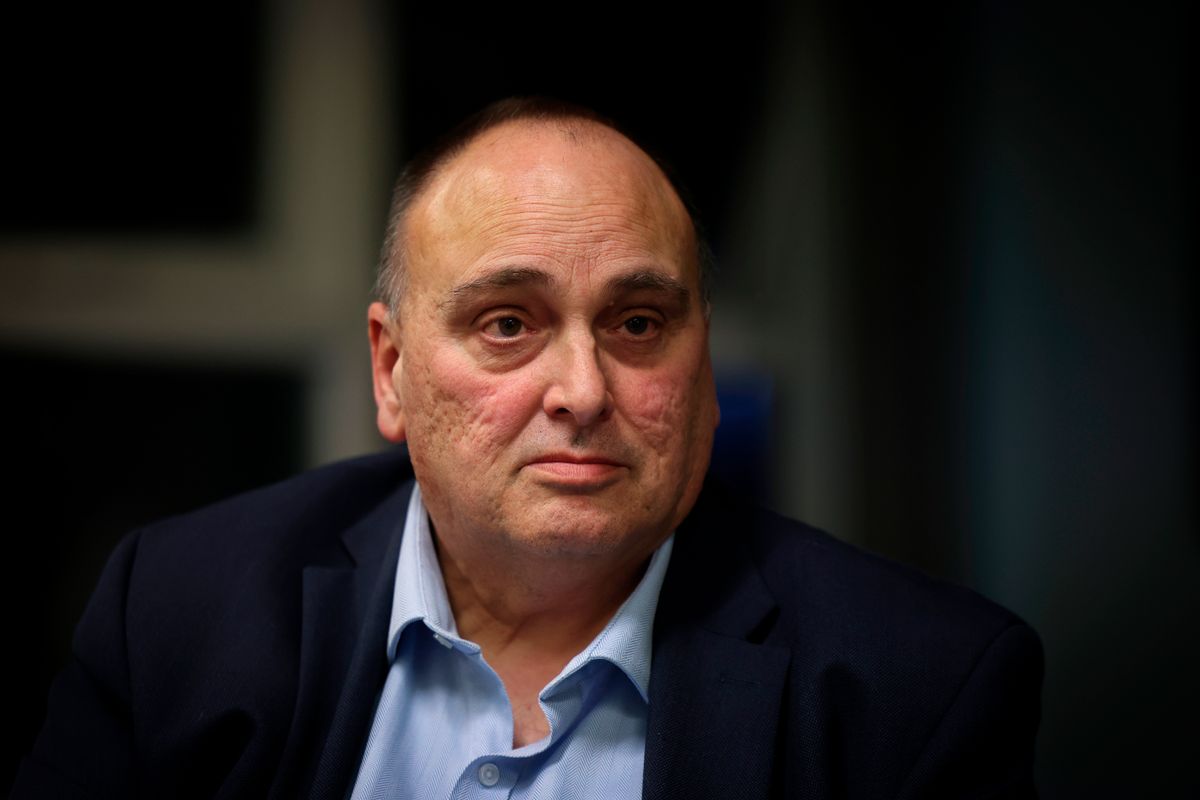
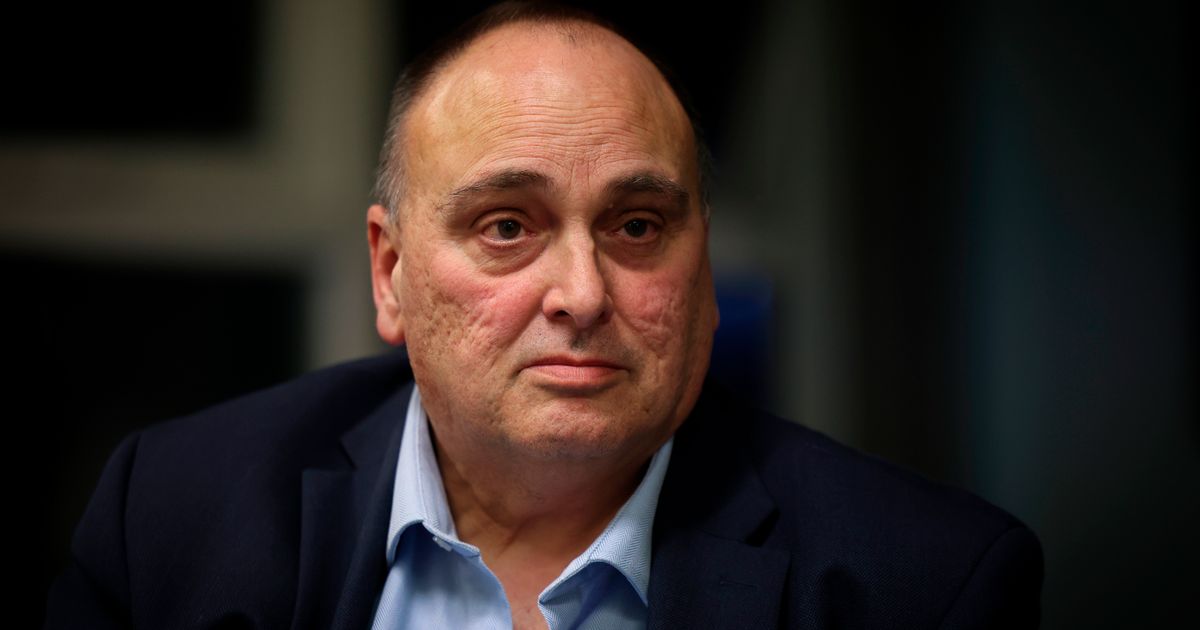
Ifti Majid, chief executive of Nottinghamshire Healthcare NHS Foundation Trust(Image: Joseph Raynor/ Reach PLC)
The outgoing boss of Nottinghamshire’s mental health services told staff he was “fed up” of how his schedule was being disrupted by the inquiry into the killings committed by patient Valdo Calocane.
Ifti Majid told Nottinghamshire Healthcare NHS Foundation Trust’s more than 11,000 staff in an email that he was fed up with needing to reschedule meetings to fill out vital evidence forms for the Nottingham Inquiry, which will soon examine how the trust’s failings led to paranoid schizophrenic Calocane fatally stabbing Grace O’Malley-Kumar, Barnaby Webber and Ian Coates on June 13, 2023.
Telling employees that he could not attend planned meetings, the chief of the scandal-plagued trust in October said: “Along with many colleagues in our trust, I now have to respond to a very detailed Nottingham Inquiry Rule 9 (set of legal questions) within a set timescale and I am so sorry, but this means that many of the sessions I have had planned to come out to teams and services need to be postponed.”
The NHS boss, who according to the trust’s most recent accounts had a salary of more than £195,000, then added: “I am fed up with needing to do this, but I am afraid needs must.”
Mr Majid, who had resisted calls to resign over the trust’s disastrous treatment of killer Calocane before announcing in November that he would retire this summer, a week later mentioned the process again.
“I am about half way through responding to my personal Nottingham Inquiry Rule 9 witness statement and that has taken me all week so far bar yesterday, with probably most of next week given over to it as well to finish it by the deadline,” he told colleagues on October 24, before referring to the important process as “all-consuming”.
Again, he aired his thoughts about the inquiry process on October 31, referring to the inquiry’s evidence gathering stage as “extremely time intensive” before adding that all of the more than 100 staff asked to provide evidence – including himself – were “finding it tough going”.
Mr Majid’s emails to staff were released after NottinghamshireLive made an Freedom of Information request to the trust, which has been under heavy scrutiny from health watchdogs and the families of knifeman Calocane’s victims since June 2023.
A review by the Care Quality Commission (CQC), which regulates healthcare, slammed the trust in 2024 for the “series of errors, omissions and misjudgements” that led to then 31-year-old Calocane’s violent rampage the year before.
Both this report, and a later NHS report published in 2025, criticised the trust for discharging Calocane in September 2022 to the care of his GP due to “non-engagement” and having no contact with him in the nine months to his stabbings, amongst various other failings.
On the second anniversary of the Nottingham attacks, Mr Majid sent an email that marked the “dreadful events” of two years prior, but went on to ask staff not to let something he called “organisational shame” stop the trust “talking about things that we have done that are good”.
“The worry for me if we don’t do more of this is about how our patients will feel,” he said.
Later in the email, sent on June 13, 2025, he told the trust’s thousands of workers: “I am sorry that scrutiny on the trust is going to continue through the summer unrelenting as the CQC will be back to do a well-led inspection and of course the Nottingham Inquiry is properly underway which drives media coverage.”
The CQC inspection mentioned was published in January and was highly critical of the trust’s leadership, which was rated “requires improvement”.
Dr Sanjoy Kumar, father of killed University of Nottingham student Grace, said he was “very disappointed” about the content of emails to staff and said they were “offensive” to the families of Calocane’s victims.
“This is an organisation that has been found to be inadequate for years, continues to be inadequate as per the CQC and with this attitude to leadership will continue to be inadequate for the people of Nottinghamshire,” Dr Kumar said.
“As a victim’s father, I remain deeply concerned at the apathy on display by this chief executive and the lack of any affirmative action taken against him by the CQC and Department of Health.”
A spokesperson for Nottinghamshire Healthcare said supporting the Nottingham Inquiry had been an “absolute priority” for Mr Majid and the trust since it was announced in February 2025.
“He has personally led the trust’s response and supported staff throughout the evidence gathering phase, the detailed preparations for the forthcoming oral hearings as well as ensuring the trust is best placed to learn from the findings to prevent incidents like this happening in the future,” the trust said.
“He is dedicated to supporting frontline staff to improve patient care and personally visits a number of the trust’s 120-plus locations on a weekly basis. Preparing for the Inquiry is time intensive and he has had to balance this with the practicalities of his chief executive role.
“The phrase ‘feeling fed-up when needing to move meetings’ which he used in his weekly staff update should be seen in this context as opposed to not being committed to the Inquiry.
“Whilst focusing on the Inquiry and the improvements highlighted in previous health service reviews, it’s important that we recognise the progress we have made and acknowledge the hard work of our staff and teams to provide safe, effective care.”