
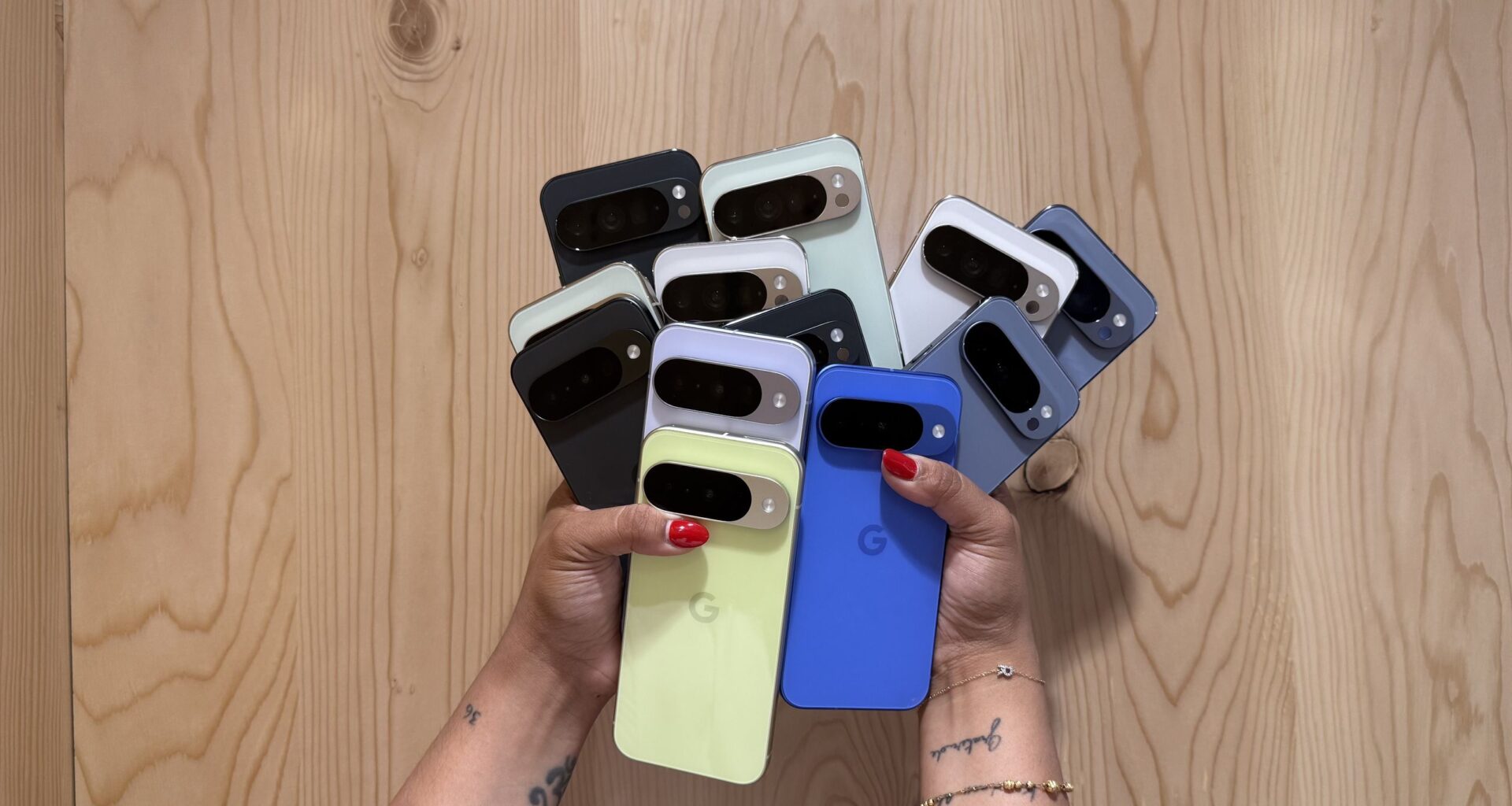
From the Nexus days of yore to the present, Google’s phones have certainly come a long way. The company initially relied on other OEMs to showcase its vision of Android, and followed it up by acquiring the phone businesses of many brands, eventually releasing its very own line-up that has continued to get better and better over the past few years. As such, the best Google Pixel phones these days span across multiple price segments, and even form factors.
As feature-laden as most of Google’s current offerings are, our favorite is actually kind of a two-fer, namely the Pixel 10 Pro or the Pixel 10 Pro XL. Apart from screen size and battery life (along with charging speeds) these two top-of-the-line smartphones share the exact same hardware specifications. In addition to the latest ‘Pro’ duo, Google’s Pixel portfolio has a phone for just about everyone’s requirements and budget.
Best overall
Best overall
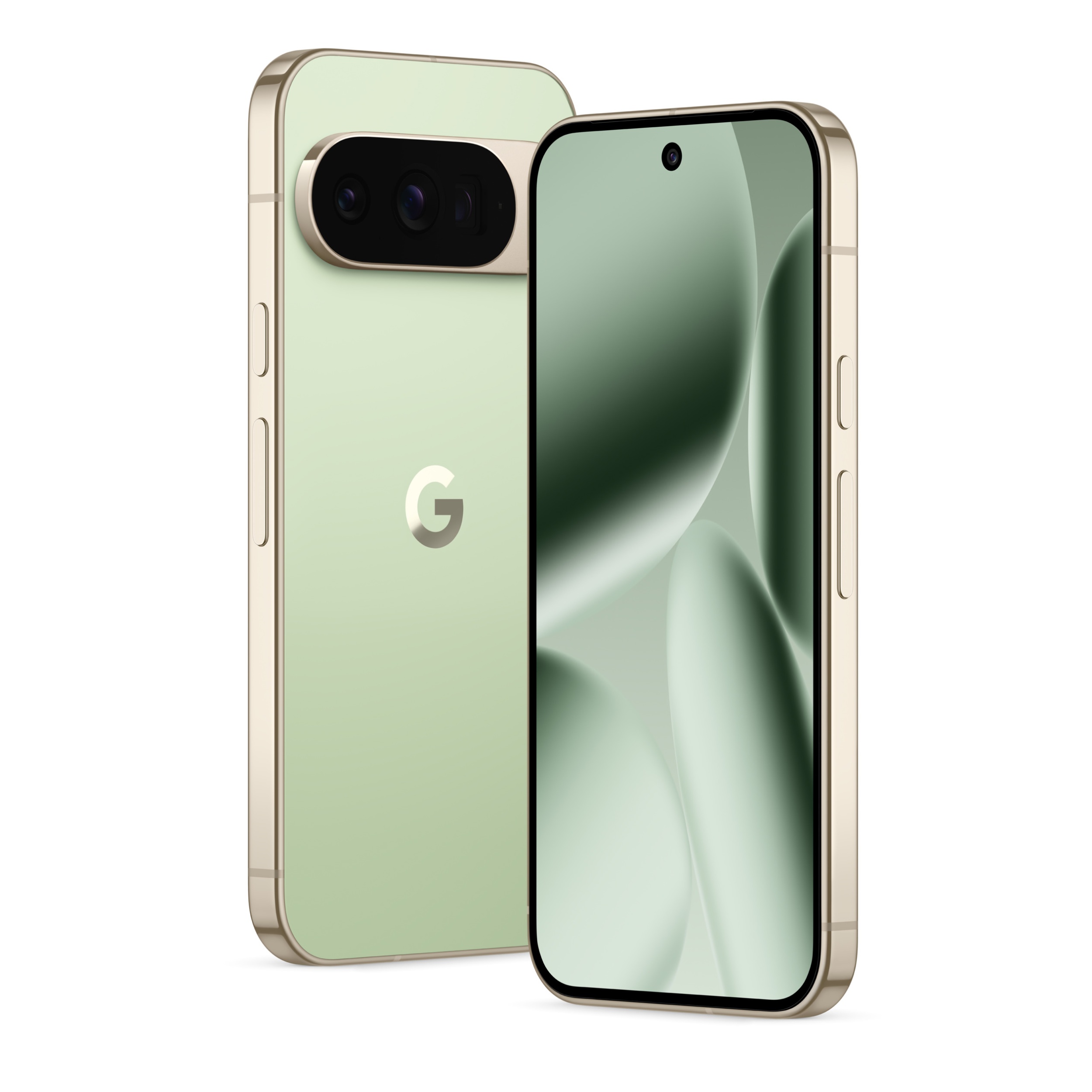
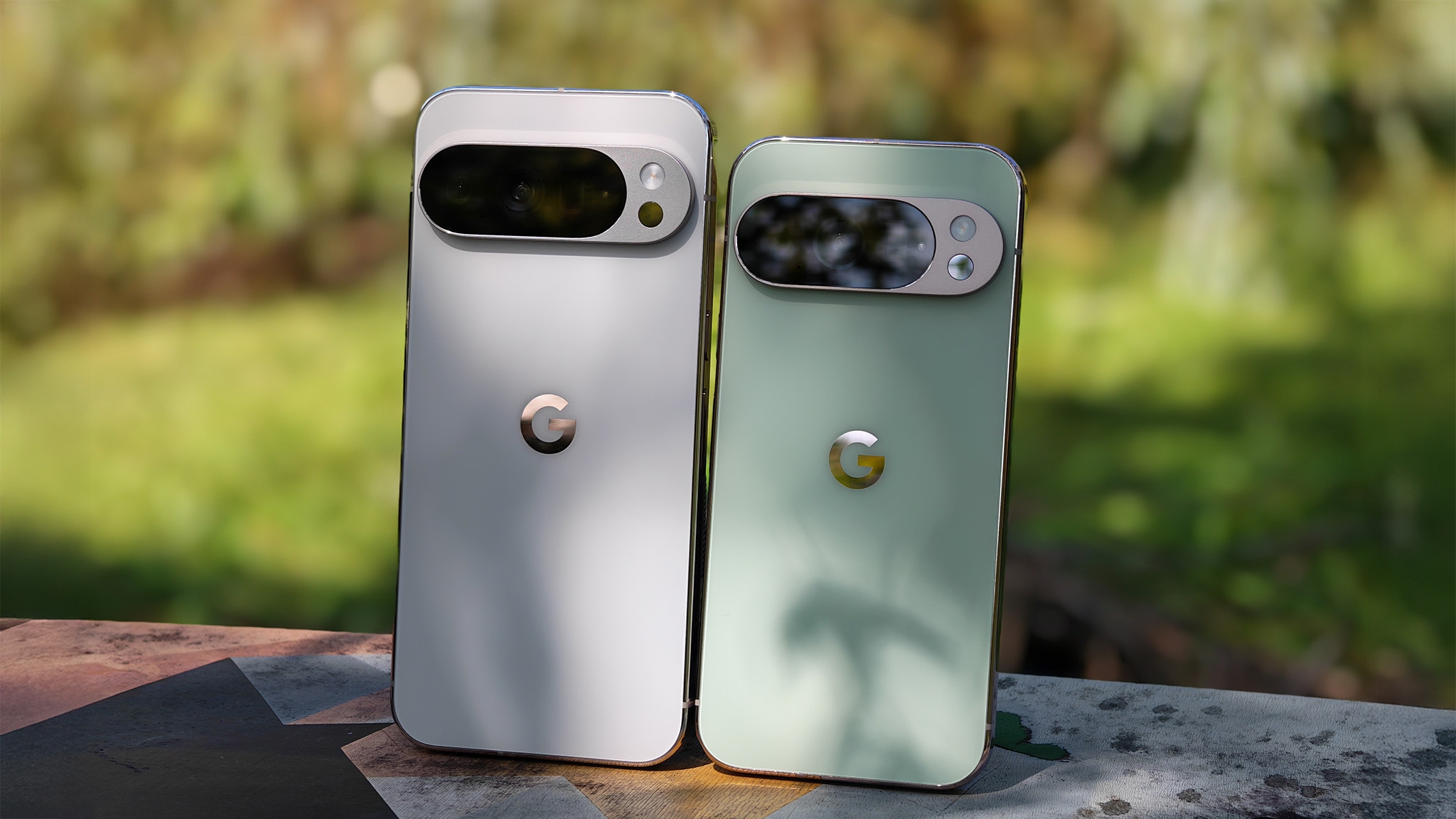
Both the Pixel 10 Pro and Pro XL offer the best that Google has to offer, combining premium hardware with excellent software loaded with AI-powered goodness. It’s just a matter of deciding on how big a screen or battery you want.
Best foldable
2. Google Pixel 10 Pro Fold
Best foldable
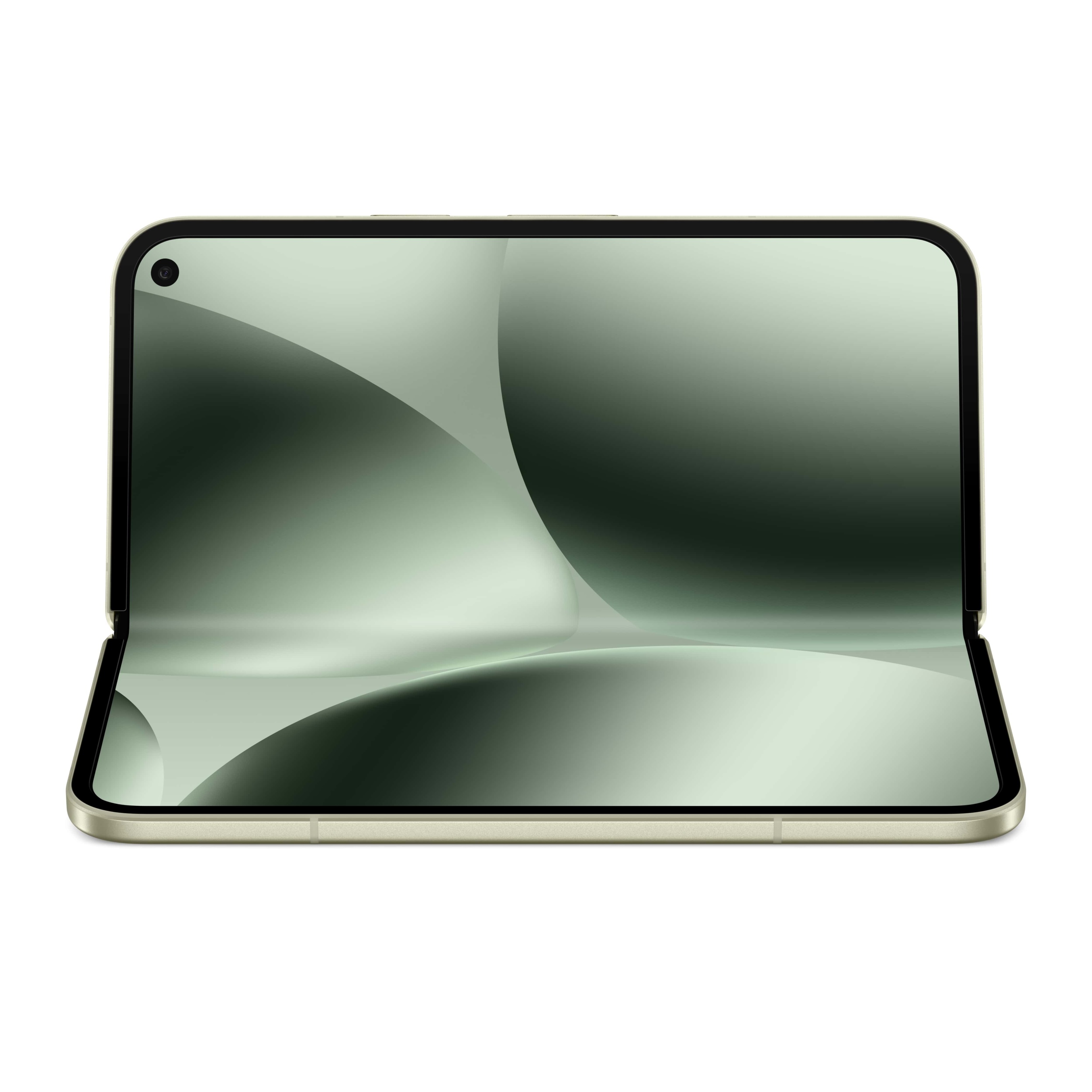
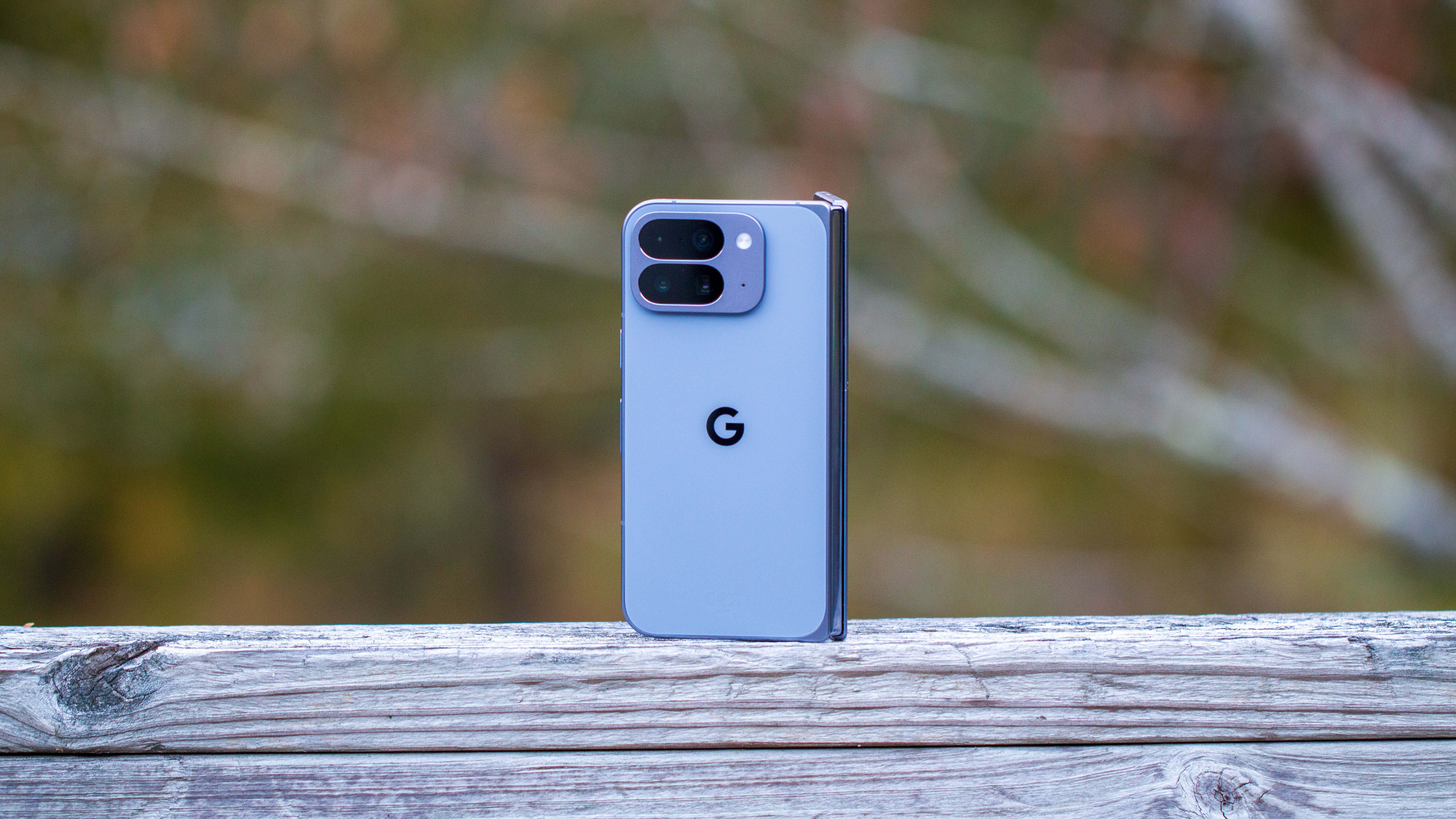
Google shocked many with its unveiling of the Pixel 9 Pro Fold, introducing a phone that bore no resemblance to its predecessor besides the “G” on the back. It’s a design that still holds up almost a year later with the Pixel 10 Pro Fold, and performance isn’t too shabby either.
Best budget pick
Best budget pick
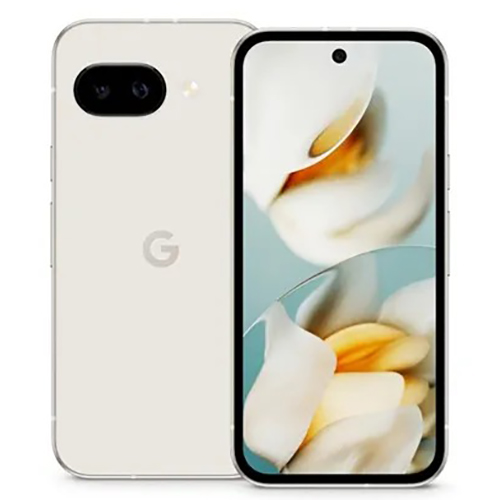
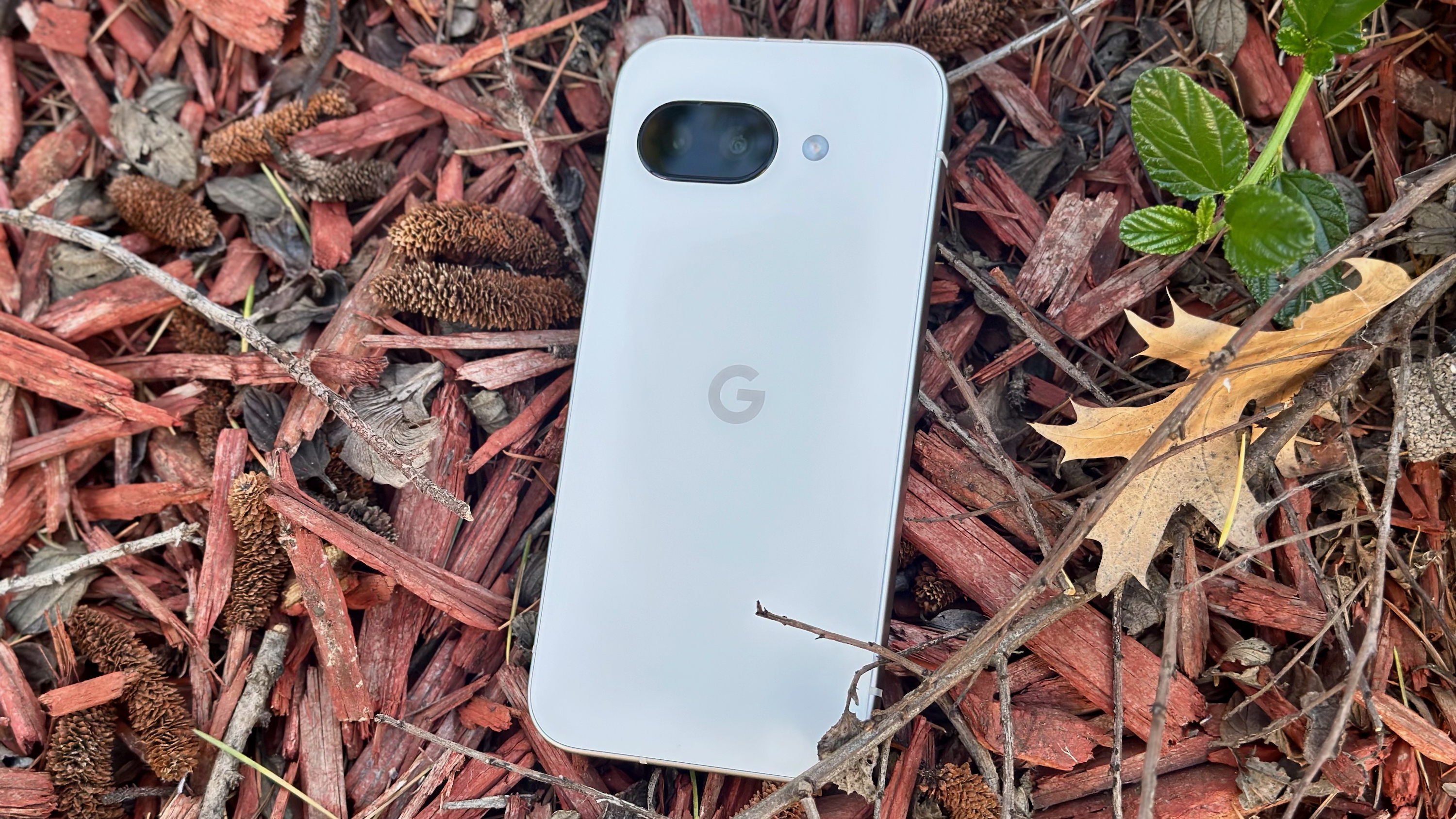
If you want a phone that provides about 80-90% of the same experience, but for around $300 less, the Google Pixel 9a is the way to go. It might look a bit quirky with the new camera module, but that shouldn’t deter you at all from keeping it under consideration.

Best value
Best value
The Pixel 9 Pro is a little over a year old but still packs a punch. With the Tensor G4 and the excellent cameras, you might just forget the Pixel 10 Pro entirely. It has a a smaller battery and no Qi2 support, but is still worthy of consideration.
Best mid-range
Best mid-range
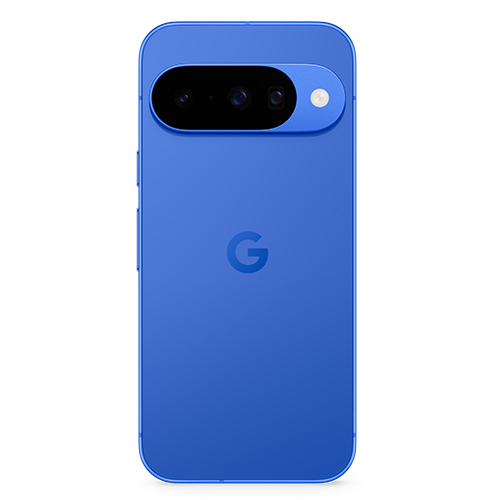
Google’s base model Pixel 10 is probably the best entry-level flagship model the company has released. It finally features a triple rear camera system, a brighter display, and even a larger battery. The Pixel 10 also has a few more features you won’t find on its predecessor.
Best overall
(Image credit: Nicholas Sutrich / Android Central)
Best overall
Specifications
Display: 6.3-inch Super Actua OLED, 1280 x 2856 pixels resolution, 495 PPI, 1-120Hz, 3300 nits
Chipset: Google Tensor G5, Titan M2 security module
RAM: 16GB
Storage: 128GB/256GB/512GB/1TB
Battery: 4,870mAh, 30W wired charging, 15W Qi2 Pixelsnap wireless charging
Camera: 50MP main + 48MP ultrawide-angle + 48MP 5x telephoto, 42MP selfie
Reasons to buy+
Pixelsnap Qi2 implementation is brilliant
+
Access to all of Google’s latest AI gadgets and apps
+
Most AI features are processed on-device
+
Excellent accessory ecosystem (first and third party)
+
Notably improved gaming performance vs Pixel 6-9
Reasons to avoid-
eSIM-only in the U.S.
–
Forced battery throttling at 200 cycles
–
Doesn’t support the latest version of Vulkan
–
Performance is less than half of Qualcomm’s at times
–
PWM rate is still bad
Many thought that it couldn’t get much better than the Pixel 9 Pro and the Pixel 9 Pro XL, but Google seemingly managed to do just that with the Pixel 10 Pro and the Pixel 10 Pro XL. The two remain among our favorite phones even though they have been out for quite some time now, and for good reason.
As we saw with last year’s series, the specifications are practically identical across the board, save for the battery, screen size, and storage. In doing so, Google tried making the decision a bit easier, since there aren’t any features that are locked to one or the other.
These are easily the best Pixel phones out there, providing you with an arsenal of tools to perform basically any task. What’s nice about Google’s decision to keep the specs the same is that you don’t have to make any sacrifices just because you want a more compact phone. That’s been an issue with the best Android phones for many years, so it’s nice to see Google buck the trend and stand out.
Of the three aforementioned differences, the one that comes off as surprising is seeing Google ditch the 128GB base model with the larger Pixel 10 Pro XL. If that doesn’t matter much to you, then you’ll need to decide between a larger screen (6.3-inch vs. 6.8-inch) or a bigger battery with slightly faster charging (4870mAh w/30W vs. 5200mAh w/ 45W) speeds.
Best foldable
(Image credit: Andrew Myrick / Android Central)
Best foldable
Specifications
Inner Display: 8.0-inch Super Actua OLED, 2076 x 2152 pixels resolution, 373 PPI, 1-120Hz, 3000 nits
Cover Display: 6.4-inch Actua OLED, 1080 x 2364 pixels resolution, 408 PPI, 60-120Hz, 3000 nits
Chipset: Google Tensor G5, Titan M2 security module
RAM: 16GB
Storage: 256GB/512GB/1TB
Battery: 5,015mAh, 30W wired charging, 15W Qi2 Pixelsnap wireless charging
Camera: 48MP main + 10.5MP ultrawide-angle + 10.8MP 5x telephoto, 10MP selfie (inner) + 10MP selfie (cover)
Reasons to buy+
First foldable phone with an IP68 rating
+
Displays are bright and vibrant
+
Faster and more efficient processor
+
Bigger battery w/ Pixelsnap Qi2 charging
Reasons to avoid-
No stylus support
–
Falls short in gaming performance
–
Still doesn’t feature the best camera hardware
–
Expensive
Not every year can bring about the kind of major design upgrades that we saw come with the Pixel 9 Pro Fold. But that does not mean you should immediately dismiss the Pixel 10 Pro Fold, either.
On the surface, it might seem like Google has opted to “play it safe” with its latest foldable, and to a certain extent, it has. But if you look a bit deeper, it won’t take long to see the Pixel 10 Pro Fold isn’t just a carbon-copy of last year’s model. Most notably, Google became the first company to release a foldable phone sporting an IP68 water and dust resistance rating.
In addition to that, the Tensor G5 silicon seems to be more performant than we expected, as Google’s transition to TSMC has gone smoothly. Throw in the larger battery and Pixelsnap magnetic wireless charging to the mix, and the Pixel 10 Pro Fold should immediately look more appealing than its predecessor. Even if you miss out on some of the regular Google Pixel deals, you still won’t have to worry about paying extra, as Google has managed to keep the same prices as last year.
Best budget pick
(Image credit: Michael Hicks / Android Central)
Best budget pick
Specifications
Display: 6.3-inch pOLED, 1080 x 2424 pixels resolution, 422 PPI, 60–120Hz, 2700 nits
Chipset: Google Tensor G4, Titan M2 security module
RAM: 8GB
Storage: 128GB/256GB
Battery: 5,100mAh, 23W wired charging, 7.5W wireless charging
Camera: 48MP main + 13MP ultrawide-angle, 13MP selfie
Reasons to buy+
Fantastic battery life
+
Bright, vivid 6.3-inch display
+
Barely a step back in Tensor G4 performance from 9, 9 Pro
+
Most of the Gemini AI tricks you love
+
Seven years of updates
+
Macro Focus photos are great
Reasons to avoid-
Don’t expect much on-device AI
–
Small step down in low-light photography
–
Slow charging
Google’s Pixel 9a represents a “break” from the norm in terms of design. Instead of the camera bar on the back, the 9a’s dual-camera system is simply embedded into the back, like the old days. This helps Google’s budget phone stand out from the crowded budget scene in a completely different, but good, way. Perhaps this is why the upcoming successor is all but confirmed to retain the same design.
Like the other devices in Google’s 2024 lineup, the Pixel 9a comes equipped with the Tensor G4 silicon, but with “just” 8GB of RAM. As a result, performance drops a bit when compared to the Pixel 9, but not by a lot. It’s not until you get into the realm of Gemini features that you really notice the difference.
Part of that is due to the fact that while the Google Pixel 9a still includes Gemini Nano, it’s a “limited version” called “Gemini Nano XXS.” With this, Google removed some Gemini features with the Pixel 9a, including the Pixel Screenshots app and Call Notes. That being said, it still includes the more popular features like Gemini Live, Best Take, Magic Editor, and many others.
Best value
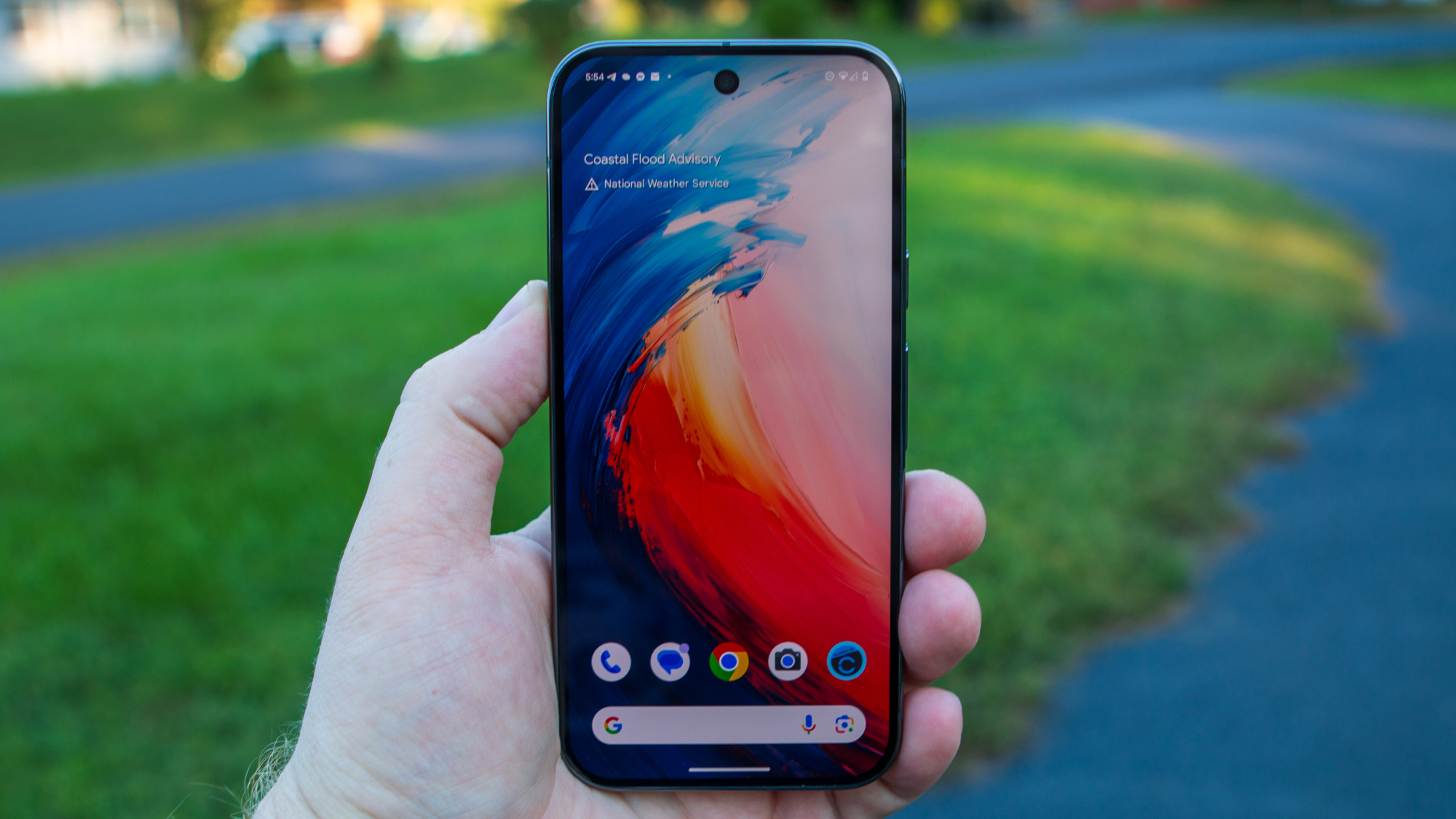
(Image credit: Andrew Myrick / Android Central)
Best value
Specifications
Display: 6.3-inch Super Actua OLED, 1280 x 2856 pixels resolution, 495 PPI, 1-120Hz, 3000 nits
Chipset: Google Tensor G4, Titan M2 security module
RAM: 16GB
Storage: 128GB/256GB/512GB, 1TB (US)
Battery: 4,700mAh, 27W wired charging, 21W wireless charging, 5W reverse wireless charging
Camera: 50MP main + 48MP ultrawide-angle + 48MP 5x telephoto, 42MP selfie
Reasons to buy+
Two sizes without feature compromise
+
Seven years of software support and updates
+
Brilliant new AI features you’ll actually want to use
+
The camera everyone loves, now better than ever
+
Improved charging speeds (with the right charger)
+
Superb haptics
Reasons to avoid-
Unreliable fingerprint sensor, especially when using screen protectors
–
Tensor isn’t good for gaming and throttles hard
–
The industry’s lowest PWM dimming rate
–
Higher price than ever
–
128GB base model
It’s kind of refreshing to see Google keep last year’s model(s) around even with the introduction of the new series. Most of the time, this means you’re able to get a flagship smartphone experience for less. And we suspect the same to be true of the Pixel 9 Pro, provided you can wait for a good time to buy the smartphone.
At the time of writing, Google has yet to reduce the price through its own online storefront, but there are numerous Pixel 9 Pro deals to be found via third-party storefronts like Amazon. Moreover, as we draw nearer to festive-season sales and limited-time shopping events, we can expect the Google Pixel 9 Pro to get a bit more affordable. And with long software support, you can expect Google’s 2024 “goldilocks” phone to be around for a while.
You might lament missing out on some of the new AI-based benefits afforded by the Tensor G5 chipset, but the reality is that for many, the Pixel 9 Pro is going to be just as good. Neither of these is particularly great in the gaming department, and the 9 Pro does have a smaller battery, but beyond that, overall experience is largely going to be the same.
Best mid-range
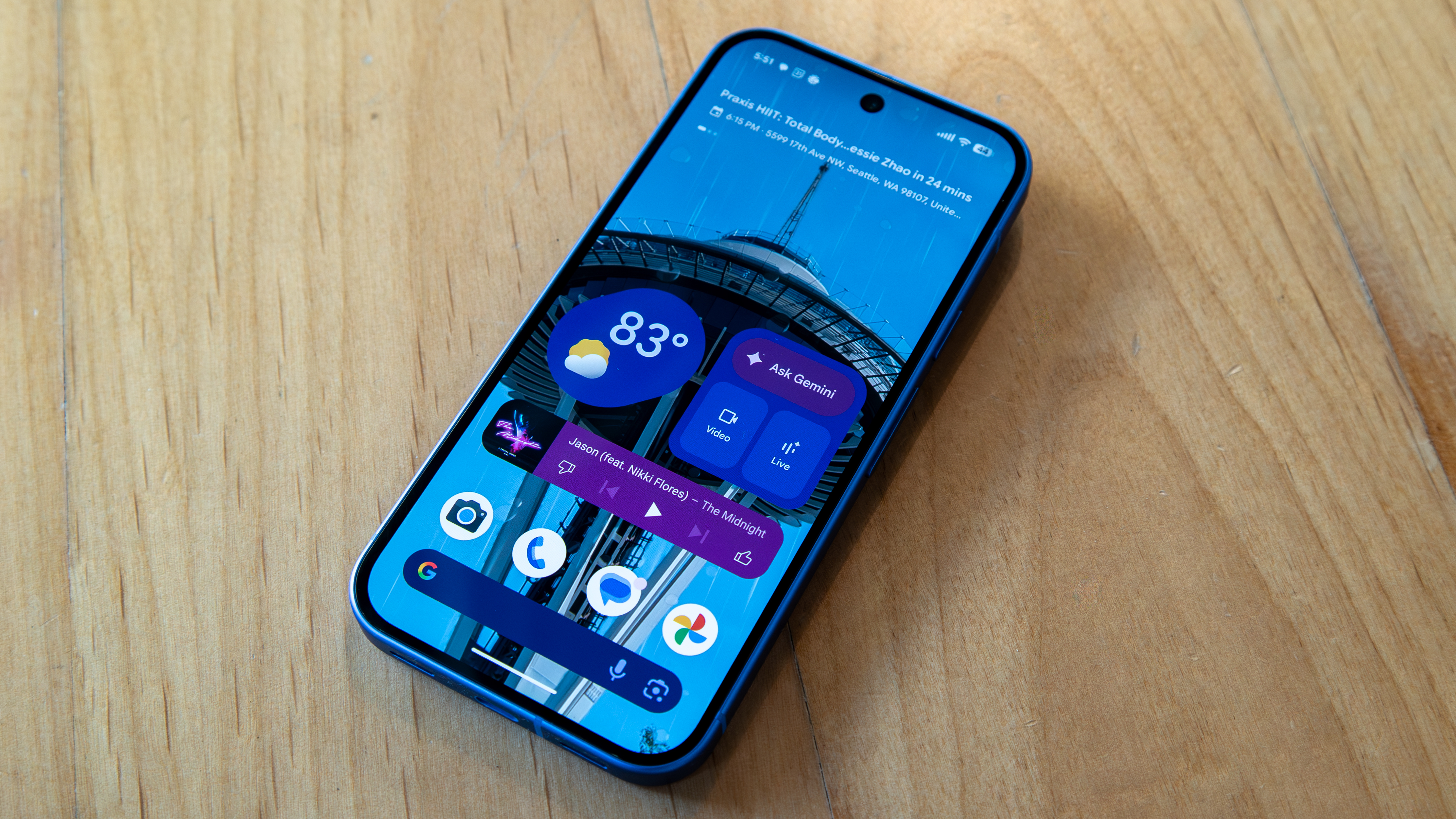
(Image credit: Derrek Lee / Android Central)
Best mid-range
Specifications
Display: 6.3-inch Actua OLED, 1080 x 2424 pixels resolution, 422 PPI, 60-120Hz, 3000 nits
Chipset: Google Tensor G5, Titan M2 security module
RAM: 12GB
Storage: 128GB/256GB
Battery: 4,970mAh, 30W wired charging, 15W Qi2 Pixelsnap wireless charging
Camera: 48MP main + 13MP ultrawide + 10.8MP 5x telephoto, 10.5MP selfie
Reasons to buy+
Indigo is a beautiful color
+
Full Qi2 support is very convenient
+
New telephoto lens is a major upgrade
+
Upgraded battery and faster charging
+
Great haptics
+
Fun and helpful new AI features
Reasons to avoid-
Still lacks some Pro features
–
Display not as eye-friendly as Pro siblings
–
Network is meh
–
Not a gaming powerhouse
–
Battery may be aggressively throttled over time
Rounding out our list of the best Google Pixel phones is the base Pixel 10. Seeing this as the last entry might come as a surprise to some, and understandably so. It is just that the other entries on this list offer features and improvements that you won’t find on the standard Google Pixel 10.
That said, the Google Pixel 10 is no slouch, and it’s not quite the same scenario as the Google Pixel 9 from last year. For one, Google added a third camera to the redesigned rear camera housing with the Pixel 10, which is a first for the non-Pro Pixel model in the line-up. Sure, it might not be the best triple camera array out there, but it’s more of a “give and take” situation.
In his review, Android Central Managing Editor Derrek Lee noted that the “Pixel 10 does a better job of justifying its price tag.” Quite surprisingly though, the price remains unchanged compared to the Pixel 9, even with the addition of a larger battery, Qi2 magnetic charging, and the upgraded rear camera setup.
How to chooseThere’s a Pixel for everyone
Why you can trust Android Central
Our expert reviewers spend hours testing and comparing products and services so you can choose the best for you. Find out more about how we test.
It can seem a bit daunting when trying to decide which of the above-mentioned devices is the best Google Pixel phone for you. Obviously, if you want a foldable phone, then the Pixel 10 Pro Fold is the only choice, with the only hiccup being that the phone won’t actually be released until October.
The Pixel 10 Pro and the Pixel 10 Pro XL are the obvious choices for those wanting the “best” that Google has to offer. These have all the bells and whistles you could ever want, leaving you only to choose between screen and battery size.
Then things get a bit murky, with the Pixel 9a, Pixel 9 Pro, and Pixel 10, all vying for the attention of the budget-conscious buyer. Each has its own pros and cons, so it will ultimately come down to what you value more.
If you’re okay with missing out on a few AI features but want a larger battery, the Pixel 9a is probably for you. Those who want to see what Gemini is all about, but don’t want to deal with a steep price tag will really enjoy the Pixel 10. And if you’re looking for a way to join the Pixel family and don’t care about having the latest and greatest, then the Pixel 9 Pro should be on your radar.
No matter what phone you decide on, just know that you’ll be getting one of the best phones that money can purchase. Google has come a long way in both the software and hardware in recent years, and it definitely shows.
Round up of today’s best deals