
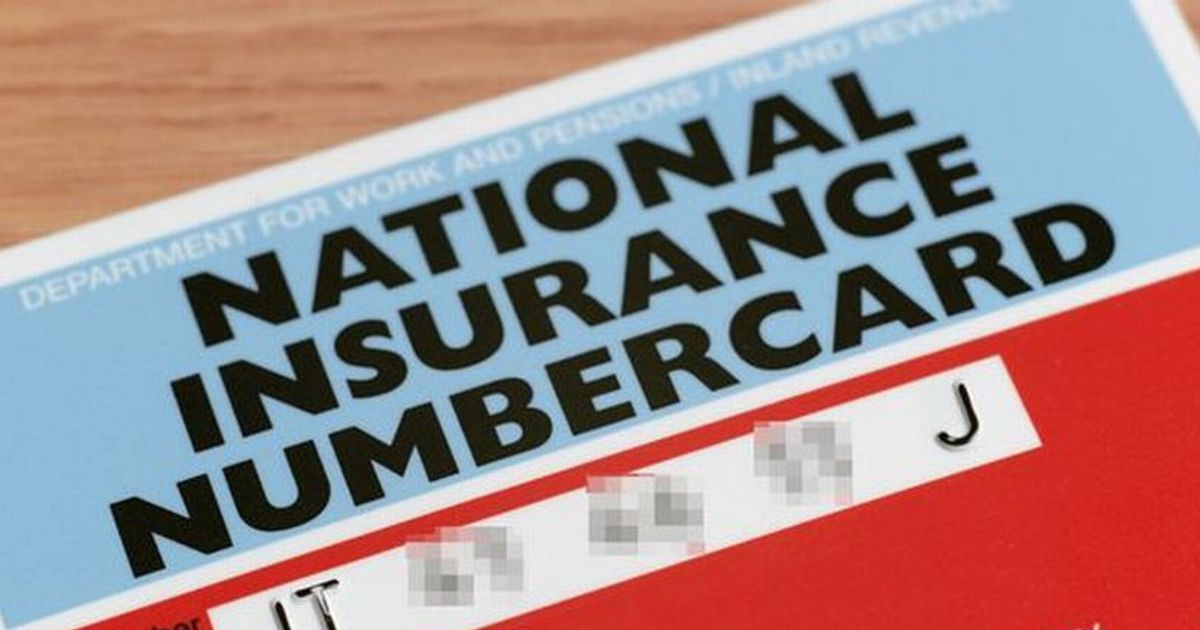
The State Pension age is set to start rising from 66 to 67 in April.State pension age to be reviewed by UK Government amid fears that 45% of workers are not saving
The latest figures from the Department for Work and Pensions (DWP) show the State Pension currently provides a regular financial income for 13 million older people across the country, including more than one million retirees living in Scotland.
However, many people nearing retirement may not be aware that the State Pension age is set to start rising from 66 to 67 in April, with the increase due to be completed for all men and women across the UK by 2028.
This contributory benefit is available for those who have paid at least 10 years’ worth of National Insurance (NI) contributions, but to receive the full New State Pension payment of £230.25 each week, you will need around 35 years’ worth of NI contributions.
READ MORE: State Pension age set to rise in April for people due to retire this yearREAD MORE: New State Pension payments at risk for three groups of people due to retire
This is just an average number of years as some people may have been ‘contracted out’ and will need more NI contributions to qualify for the full amount – find out more about this on GOV.UK..
Workplace and private pensions will help bolster the State Pension in retirement, but many people may be relying on the contributory benefit as their only income in retirement, so it’s crucial to be aware of how many years you will need to make NI contributions in order to get the maximum payout.
The State Pension age is also set to increase from 67 to 68 in the mid-2040’s.
If you are worried about how many years you need to work – if retirement is a long way off, or just a couple of years away – our handy guide below should help you understand how National Insurance contributions affect the amount of State Pension you will be paid.
 State Pension Rates 2026/27
Full New State Pension
Weekly: £241.30 (from £230.25)Four-weekly pay period: £965.20Annual amount: £12,547
Full Basic State Pension
Weekly: £184.90 (from £176.45)Four-weekly pay period: £739.60Annual amount: £9,614
Other State Pension rates
Category B (lower) Basic State Pension – spouse or civil Partner’s insurance: £110.75 (from £105.70)Category C or D – non-contributory: £110.75 (from £105.70)
The new payment rates will start on April 6.
How to get any New State Pension payment
You will need at least 10 qualifying years on your National Insurance record to qualify for any State Pension, but they don’t have to be 10 qualifying years in a row.
This means for 10 years at least one or more of the following applied to you:
you were working and paid National Insurance contributionsyou were getting National Insurance credits for example if you were unemployed, ill, a parent or a careryou were paying voluntary National Insurance contributions
If you have lived or worked abroad you might still be able to get some New State Pension.
You might also qualify if you have paid married women’s or widow’s reduced rate contributions – find out more about this on the GOV.UK website here.
How to get full New State Pension payments
The first thing to understand is the term ‘full’ means the maximum amount of New State Pension a person can receive.
You will need around 35 qualifying years to receive the full New State Pension if you do not have a National Insurance record before 6 April 2016 – this may be more if you were ‘contracted out’, find out more here.
For people who have contributed between 10 and 35 years, they are entitled to a portion of the new State Pension, but not the full amount unless they buy additional NI years.
Qualifying years if you are working
When you are working you pay National Insurance and get a qualifying year if:
you’re employed and earning over £242 a week from one employeryou’re self-employed and paying NI contributions
You might not pay National Insurance contributions because you’re earning less than £242 a week. You may still get a qualifying year if you earn between £123 and £242 a week from one employer – find out more here.
Qualifying years if you are not working
You may get National Insurance credits if you cannot work – for example because of illness or disability, or if you’re a carer or you’re unemployed.
You can get National Insurance credits if you:
claim Child Benefit for a child under 12 (or under 16 before 2010)get Jobseeker’s Allowance or Employment and Support Allowancereceive Carer’s AllowanceIf you are not working or getting National Insurance credits
You might be able to pay voluntary National Insurance contributions if you’re not in one of these groups but want to increase your State Pension amount. Find out more on the GOV.UK website here.
What if there are gaps in your National Insurance record?
You can have gaps in your NI record and still get the full New State Pension. You can get a State Pension statement which will tell you how much State Pension you may get. You can then apply for a National Insurance statement from HM Revenue and Customs (HMRC) to check if your record has gaps.
If you have gaps in your National Insurance record that would prevent you from getting the full New State Pension, you may be able to:
get National InsuranceI creditsmake voluntary National Insurance contributions
Check your National Insurance record on GOV.UK here.
Check your State Pension age
Check your State Pension age to find out when you can retire and claim State pension using the free online tool at GOV.UK here.
This will tell you:
when you will reach State Pension ageyour Pension Credit qualifying age
We have a dedicated section for the latest news on the State Pension here.
 Get the latest Record Money news
Join the conversation on our Money Saving Scotland Facebook group for money-saving tips, the latest State Pension and benefits news, energy bill advice and cost of living updates.
Sign up to our Record Money newsletter and get the top stories sent to your inbox daily from Monday to Friday with a special cost of living edition every Thursday – sign up here.
You can also follow us on X (formerly Twitter) @Recordmoney_ for regular updates throughout the day or get money news alerts on your phone by joining our Daily Record Money WhatsApp community.