
Thousands of lives will be saved every year under the biggest overhaul of NHS diabetes treatment in over a decade.
The health watchdog, Nice, has issued guidance for treating type 2 diabetes that recommends putting millions more patients on newer drugs, such as Ozempic.
Type 2 diabetes, which is linked to obesity, affects more than four million people in the UK and causes complications such as heart attacks. Diabetes care takes up 10 per cent of the entire NHS budget, making prevention highly cost-effective.
For decades, the standard treatment has been a drug called metformin, which lowers blood glucose levels.
Nice has now said that all NHS patients should be offered a second class of drug, known as flozins or SGLT-2 inhibitors, alongside metformin. These drugs help the kidneys to remove excess sugar from the blood and cut the risk of complications, including stroke and kidney failure.
Research shows diabetes patients on SGLT-2 inhibitors are 24 per cent less likely to die early. Nice said the recommendation would prevent 17,000 deaths over the next three years in the UK.
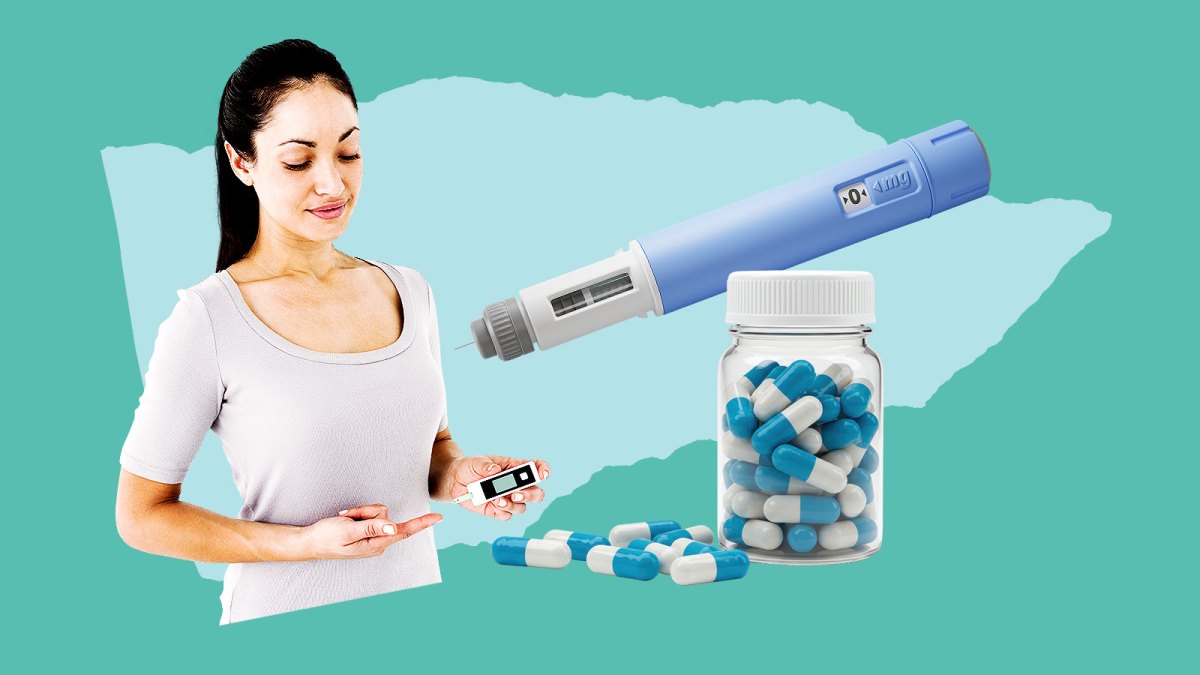
More NHS patients with type 2 diabetes will be offered GLP-1 injections, including Ozempic, the brand name for semaglutide, and tirzepatide, sold as Mounjaro. These drugs are available for diabetes on the NHS.
The new guidelines recommend that the jabs be offered to an extra 810,000 patients, to those diagnosed under 40 and those with heart disease.
‘Underprescribed to women, older and black people’
Eric Power, of Nice, said: “This is a landmark moment for diabetes care. Our independent committee conducted a rigorous review of the evidence and concluded that by offering certain medicines earlier, we can prevent thousands of heart attacks, strokes and cases of kidney failure — keeping people healthier for longer while reducing pressure on NHS services.”
SGLT-2 inhibitors were launched on the NHS in 2012, but their rollout has been patchy, with fewer than half of those eligible actually prescribed them.
Power said it was troubling that the “life-saving medicines are currently underprescribed to women, older people and black patients”.
The drive to increase the use of the drugs will be made possible because one of the most commonly prescribed SGLT-2 medicines, dapagliflozin, is now available as a cheap generic version. This will save the NHS a total of £560 million over the next two years.
“By recommending generic dapagliflozin where clinically appropriate, we’re also freeing up hundreds of millions of pounds that can be reinvested elsewhere in NHS care. This is evidence-based guidance that saves lives,” Power said.
• What foods the nutritionists give up for Lent
‘Four in five’ missing out today
Dr Waqaar Shah, from the Nice guideline committee, said: “As a GP, I see first-hand how type 2 diabetes affects my patients’ lives. Right now, only around one in five people with type 2 diabetes and heart disease are receiving the medicines that could protect them from heart attacks, strokes and kidney failure. By recommending these treatments earlier, we have an opportunity to prevent thousands of complications.”
Douglas Twenefour, at Diabetes UK, said: “This welcome guidance will transform treatment for people living with type 2 diabetes across the UK. The shift towards a more personalised approach will help more people get the right treatment for them, at the right time.
“Monitoring the uptake of medicines, to ensure that those who could benefit receive them, will help address the unacceptable inequities in type 2 diabetes treatments and outcomes that still persist.”