
Wednesday 18 February 2026 2:31 pm
| Updated:
Wednesday 18 February 2026 2:45 pm
Share
Facebook Share on Facebook
X Share on Twitter
LinkedIn Share on LinkedIn
WhatsApp Share on WhatsApp
Email Share on Email
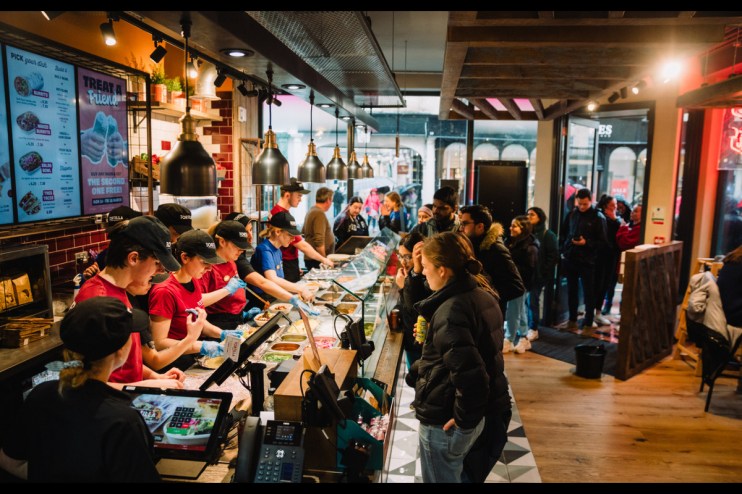 Restaurant and hotel inflation increased to buck the wider trend
Food and restaurant prices are rising at a faster rate than overall inflation, in a sign that cost and tax pressures on the hospitality sector are unlikely to ease.
While headline Consumer Prices Index (CPI) inflation dropped to three per cent in the year to January 2025, food and restaurant inflation climbed from 3.8 to 4.1 per cent, according to the Office for National Statistics (ONS).
While economists welcomed the easing headline rate and pointed to a likely Bank of England interest rate cut, hospitality figures have warned the sector’s nightmare year in 2025 is still casting a shadow.
Investec’s note on Wednesday’s inflation figures said the uplift in restaurant and hotel prices stopped overall CPI from dropping further.
Allen Simpson, chief executive of trade body UK Hospitality, told City AM pubs, bars and restaurants will likely be forced to pass rising costs onto consumers despite easing overall inflation.
He said: “While it’s welcome that headline inflation has eased to 3%, today’s figures show that hospitality continues to face stubbornly high cost pressures.
“Despite some easing in food and energy prices, businesses are still grappling with high food and drink inflation and the prospect of significant increases in business rates.
Read more
Hospitality crisis pushed thousands of firms to shut in 2025
“If the government wants hospitality to continue creating jobs and driving growth in communities across the UK, it must act to reduce costs, particularly by reforming business rates and ensuring wage policy is balanced with the sector’s ability to absorb rising costs.”
While food inflation has consistently outpaced headline price growth, hospitality inflation has overtaken the headline rate for the first time since February last year.
Food prices drop but remain inflated
Food inflation dropped significantly, falling from 4.5 to 3.6 per cent year-on-year between January and February.
But food price growth remains higher than the headline rate of inflation, driven by faster price growth for pasta (1.2 per cent), fish (1.2) and fruit (2.4).
Bread and cereal (down 0.04 per cent), meat (0.02) and hot drinks (0.01) prices all rose at a slightly slower pace than in the year to January.
Matthew Allen, economics lecturer at the University of Salford, said: “Food prices and hotel costs remain elevated, and these are everyday expenses that consumers feel most acutely.
“For many households, particularly those on fixed incomes, the cost-of-living pressure hasn’t disappeared, it has simply softened.”
Read more
Private sector bounces back but Reeves leaves hospitality reeling
Similarly tagged content:
Sections
Categories
People & Organisations