
(Credits: Far Out / Promo)
Wed 18 February 2026 21:30, UK
Throughout music, amid those bands we celebrate for shaping culture, there are underrated outfits scattered everywhere, and Chicago are one of those groups.
While there is no doubt people are fans of the band, when we talk about the iconic groups that contributed towards music throughout the 1960s and ‘70s, we don’t often allude to Chicago, and we should. Every album they released was varied and layered, containing some of the most exciting guitar lines in rock, but also stripped back and melodic offerings.
The band were able to play together spontaneously, and would then take bits of songs apart in order to put something cohesive together. It’s a style of writing that a lot of rock bands favour, as they make their best music when improvising, deep in the pocket of a very specific moment. The majority of Chicago songs that we know and love were conjured up in the midst of a jam session.
Of course, it’s one thing playing the improvised notes which could lead to those songs, but another thing entirely recognising that there is a song worth dragging out of as much. That’s where Jim Guercio came into it, as he was able to hear what the band were playing and understand when they had stumbled upon something truly special.
“He knows the recording techniques inside and out and knows how to get the best sound. I never know if he can catch a glimpse on the best song concept but he always knows how to get the best sound for it,” said Terry Keith when talking about the importance of Guerico.
Adding, “He knows how to hear certain things that we have no idea about. He hears everything. We cannot play and listen at the same time. We are not very critical of what we do. It’s his job to find what’s bad, to be able to get all the instruments altogether, find the connection between them. He is a new ear and he is influential in all the musical decisions.”
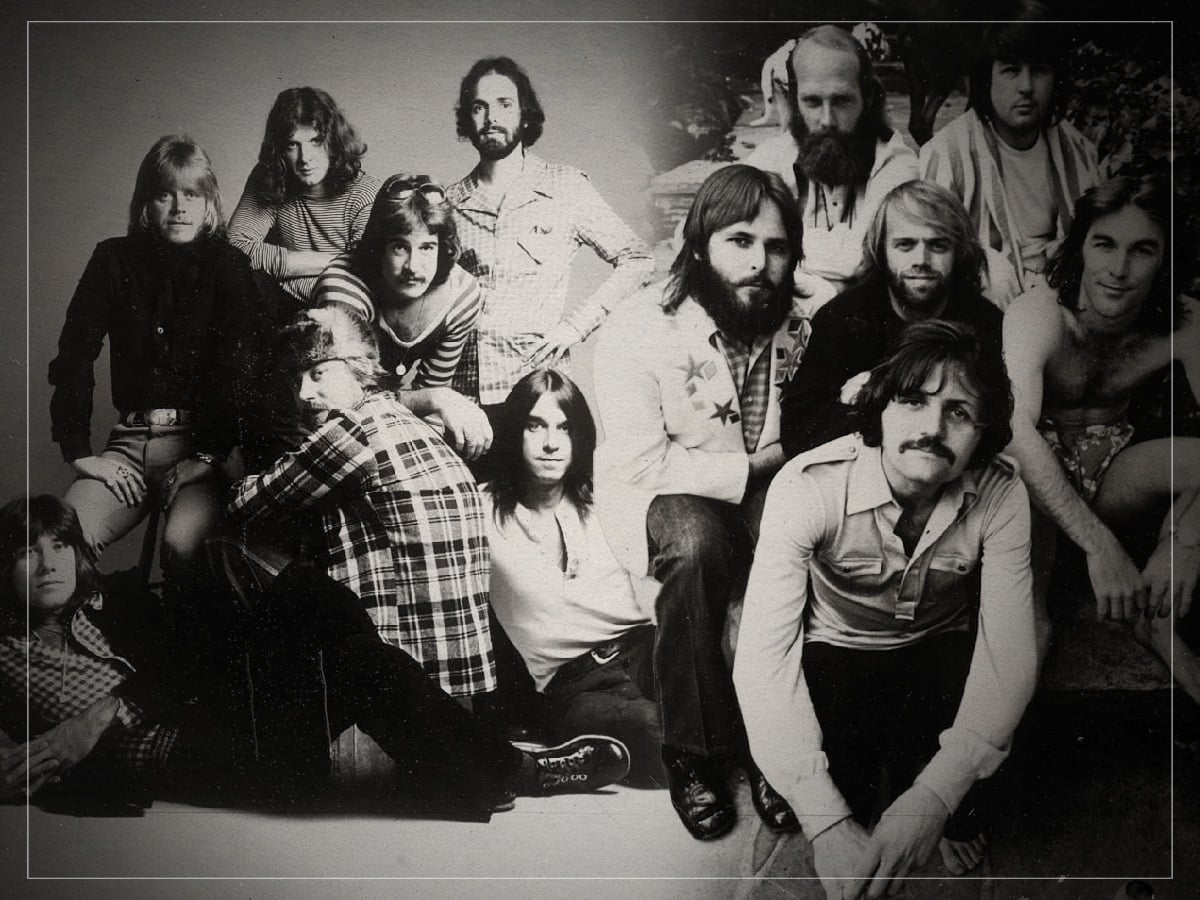
Of course, Guerico wasn’t just an important part of Chicago; he was integral to a number of bands. For example, he worked a great deal with The Beach Boys, both as their manager and as their bass player. These connections meant that Chicago and The Beach Boys eventually wound up touring together, putting together a show which audiences everywhere loved, but that Chicago themselves became bored by.
You had two of the biggest bands at the time touring together. The array of hits that were available in both groups’ discography meant that shows had to be long and laden with classics. Both bands obliged, and while the responses from audiences everywhere will no doubt have been moving, it didn’t make for the most exciting shows when it came to playing in the band. They loved improvising and jamming together, but when your job is just to reel through the hits, there is very little room for that.
“From a public point of view, it was great. The show was very long, a total of three hours,” said Keith, “They were on stage then it was us and then, we were playing together. They played all their teeny-boppers and shitty surfers hits. We did our thing, what the audience wanted. We decided to play all of our hits and the tour felt like a walking juke-box and I was slowly falling asleep on their surf boards.”
He continued, “No freedom. I like ‘25 to 6 to 4’ and “I’m A Man”, all the hits. But there was no room to improvise with these songs, it sounded too much like the album and it was boring for me, I’m not a showman. I’m a musician, not some theatre puppet.”