

Since the separation, Claire has had to reduce her monthly pension contributions and plans to downsize her home
A divorce after 23 years of marriage was not part of Claire’s* retirement plan. Nor was working until at least 70.
But that’s now a reality for the 50-year-old, from West Yorkshire, who had planned to give up work at around 60.
Claire is self-employed and has been trying to build up her media relations and crisis management support business.
New FeatureIn ShortQuick Stories. Same trusted journalism.
Since separating from her husband last year, who she was with for 30 years, she “no longer think[s] everything will be alright”.
Speaking to The i Paper, she said: “I am now looking at secure positions as I no longer have the safety net of my husband’s income.
“Some serious financial planning combined with fiscal frugality will be needed to ensure I can actually retire in about 20 years.”
She is looking to be employed by a company, so her taxes will be handled for her, she will have employment rights and protection, pension contributions from her employer, and job stability.
Claire’s retirement strategy was to rely on investment properties with her husband – a combined approach, she said, but now she will have to start paying into a pension pot.
Her story comes as analysis from Standard Life indicates that single retirees need almost £230,000 more in their pension pot than couples to achieve what Pensions UK defines as a “moderate” standard of living.
For Claire, those numbers are no longer abstract. She explained: “Retirement feels a long way off now.
“Long term, I will have some house equity I can use as I plan to downsize further when my children leave, and I do have 15 or more years to start saving down properly and if I can get to about £400,000 through saving, interest and equity, plus my state pension, then I think I’ll be ok.
“I think an income of around £30,000 a year in retirement is achievable. I never really thought about it before – I just assumed everything would work out.”
How much do people need to save for retirement
Standard Life’s analysis shows just how steep that savings target can be for someone on their own.
To achieve a moderate standard of living in retirement, which includes running a car and taking one two-week foreign holiday a year, single retirees need an after-tax income of £31,700 a year, according to Pensions UK.
After factoring in the full current state pension of £11,973 a year, that leaves an annual shortfall of £24,509.50 – ideally provided by a private pension.
To secure this income through an annuity, which provides inflation-proofed payments for life, a single retiree would need a total of around £455,250 in retirement savings.
By contrast, pensioner couples need a combined after-tax income of £43,900 a year to reach the same moderate living standard.
With two full state pensions assumed, this could be achieved with a joint pension pot of £456,000 at current rates, funding two annuities of £228,500 each.
It means the difference in savings required per person stands at £227,000.
This is because pensioner couples can share living costs and combine savings whilst single retirees must pay every expense alone.
The gap appears even at the most basic level as at the minimum standard of living with single retirees needing an income of £13,400 a year.
After taking into account the full state pension, this required an annuity paying £1,634.50 a year and savings of around £31,750.
Couples need £21,600 a year to reach the same minimum standard, which would be covered by two full state pensions, meaning no additional private pension savings are required.
The difference is even higher at the comfortable level.
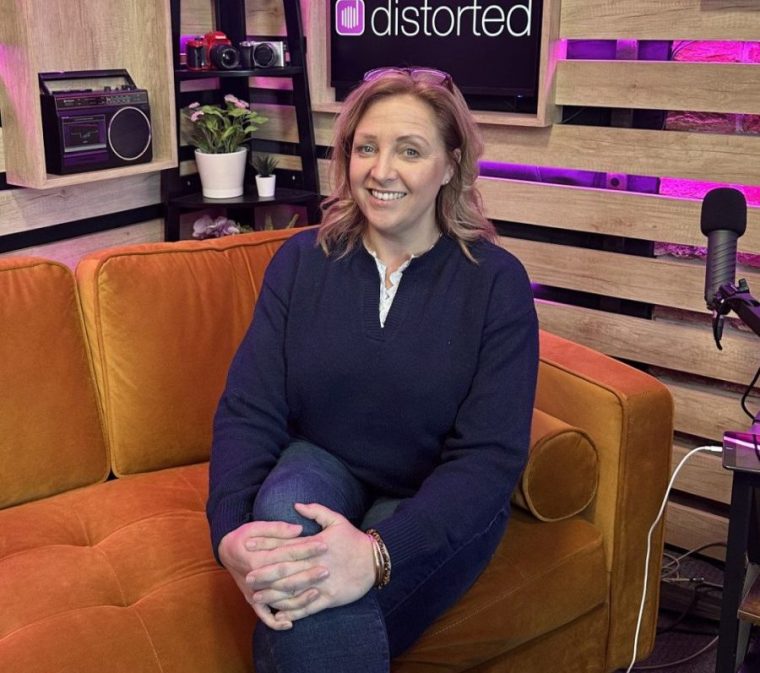 Claire’s retirement strategy was to rely on investment properties with her husband, but she has had to re-evaluate her plans following their separation
Mike Ambery, retirement savings director at Standard Life, said the numbers reflect structural realities about shared living costs.
He said: “Whether single by choice or by circumstance, the financial reality is that retirement costs are very different for those living alone.
“Housing, household bills and everyday expenses rarely halve simply because someone is on their own, meaning single retirees typically need to save far more to fund the same lifestyle.”
Claire’s income is very limited, she said, and she has to downsize from her current six-bed home to something half the size or less.
And not only will her budget have to be stricter, but she has also had to reduce her monthly pension contributions from £625 to £150 whilst her business recovers from a recent major restructure and she learns how to survive without the financial safety net of her ex-husband’s income.
Other than her pension, which is with Royal London, she has no savings in place. She hopes a divorce settlement will change that.
Planning ahead and taking action early can make a real difference, Ambery said. Reviewing savings regularly and increasing contributions where possible, for example, after a pay rise or bonus, can help build resilience over time.
He added: “It’s also important to remember that life doesn’t always turn out as expected.
“It’s worth those in a couple today ensuring they’re well-prepared for retirement, including in scenarios where they may be managing their finances alone.”
The lesson has been learned the hard way for Claire. Her home is now, in effect, part of her pension plan, but she is acutely aware of the risks of relying on property rather than compound investment growth.
She said: “Who knows what will happen to housing. If there’s a huge crash, I’m stuffed.”
* Claire is not her real name