
Wednesday 18 February 2026 2:27 pm
| Updated:
Wednesday 18 February 2026 3:10 pm
Share
Facebook Share on Facebook
X Share on Twitter
LinkedIn Share on LinkedIn
WhatsApp Share on WhatsApp
Email Share on Email
 Novo Nordisk’s control of the weight-loss sector is under challenge
The NHS must keep its medicines clawback tax low and predictable or else risk disrupting the rollout of weight-loss drugs in the UK, Novo Nordisk’s UK chief has said.
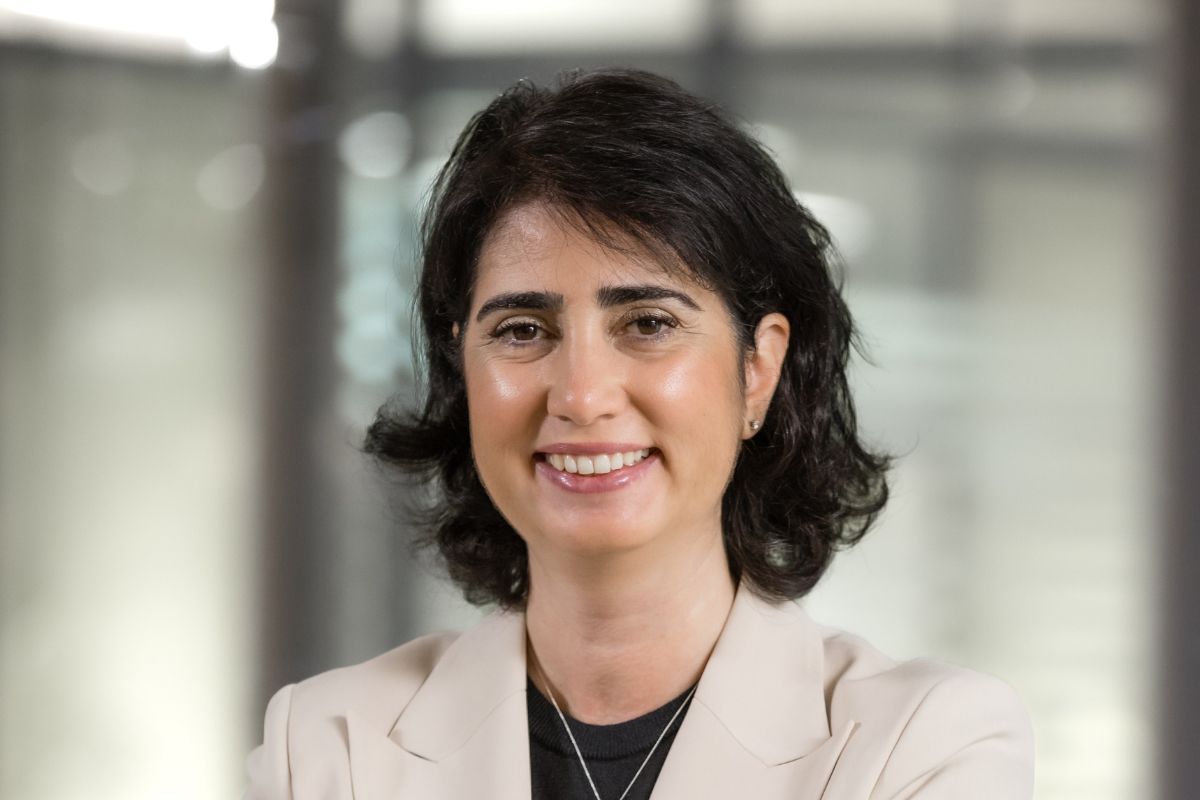
Sebnem Avsar Tuna, general manager of UK operations for the Ozempic and Wegovy maker, told City AM the Government must keep in place the current ceiling on the rate charged to pharma companies.
The clawback, or rebate, scheme was at the centre of intense criticism of the UK’s commercial environment for pharmaceutical companies, which saw giants like Merck and Astrazeneca scrap expansion plans.
The rebate – called the voluntary scheme for branded medicines, pricing, access and growth (Vpag) – requires drug companies to pay the NHS a portion of its revenue from the sale of branded medicines if the amount used by the health service is higher than an agreed rate.
In December, the government struck a deal to reduce the rate from 22.5 to 14.5 per cent for this year, in a bid to stem the flow of pharma giants opting to expand in the US instead.
During talks over the rate, health secretary Wes Streeting threatened to walk away from negotiations if pharma chiefs refused his “generous offer”, according to the Financial Times.
Tuna, whose Novo Nordisk kickstarted the weight-loss boom but has been challenged by a number of competitors in recent years, said this deal is crucial to the firm’s continued expansion in the UK.
She told City AM: “This has been a continuous conversation together with the industry, the ABPI (Association of the British Pharmaceutical Industry), the government and relevant stakeholders last year, where I believe at least now we have come to a conclusion of making it more stable, defining a ceiling.
“[This] is going to give more predictability back to the pharma companies in terms of making not only short-term but mid- to long-term plans accordingly.”
Tuna echoed figures in the industry who had insisted pharma companies would not be able to act with certainty in the UK while the rebate remained at its former level.
She said: “When you make your plans – budgetary plans, strategy – taking into consideration one rebate, and then another morning you wake up and see a completely different one, especially on the higher side, of course it’s not good.
“For companies like ourselves, in terms of public health-related planning or rollouts in general, predictability is definitely important. Having a better understanding of what percentage we are talking about for next year or the year after is a very good thing to happen.”
Read more
Overseas Doctors Power the NHS, But Uncertainty Grows
Novo fights to retain upper hand in weight-loss race
Having notched a $650bn valuation two years ago to become Europe’s biggest company, the Danish firm has seen its share price tumble in recent years as its competitors – most significantly the Mounjaro manufacturer Eli Lilly – caught up.
The firm announced 9,000 job cuts in September, followed by the exit of its chairman and six board members in October.
Paul Major, an investment manager at Bellevue Asset Management, told The Times in December he sold his Novo Nordisk shares because of concerns over its long-term prospects.
Dan Coatsworth, head of markets at AJ Bell, told City AM the scale of opportunity for weight-loss drugs is “massive”, with room for multiple big players “in theory”.
“In time, it’s possible that we see prices come down which makes the treatment affordable to a much bigger group of people. It might also result in certain people happy to try any weight-loss product, even the less effective ones, if the price is right.
“Such events could turn weight-loss drugs into a volume game for companies like Novo-Nordisk – sell as many as possible, even if margins aren’t as high as they currently are.”
Coatsworth warned the rebate deal may not be the last saga in the NHS’ tense relationship with pharma giants. He said: “We’ve already seen the likes of AstraZeneca drop UK investment plans on the implications that the government didn’t provide enough support, and it’s fair to say that risk applies to all players in the industry.”
But Tuna struck a confident tone as she affirmed that this competition will push Novo – which hopes to roll out its weight-loss pill in the UK this year – to expand further and faster.
“There is fierce competition out there. I think it’s visible to everyone. But I think it’s also good, and we welcome the competition because it drives more research and more development, to get the best outcomes faster,” she said.
Tuna defended Novo’s continued investment in the UK market, which includes a partnership with the University of Oxford and an AI research hub in King’s Cross.
She said: “There is such an unmet need across the whole world, and definitely in the UK. […] This is a public health issue. We want to be part of the solution rather than being seen as the problem itself.”
NHS England and the Department of Health and Social Care have been contacted for comment.
Read more
The Debate: Should student loan debt be forgiven?
Similarly tagged content:
Sections
Categories
People & Organisations