
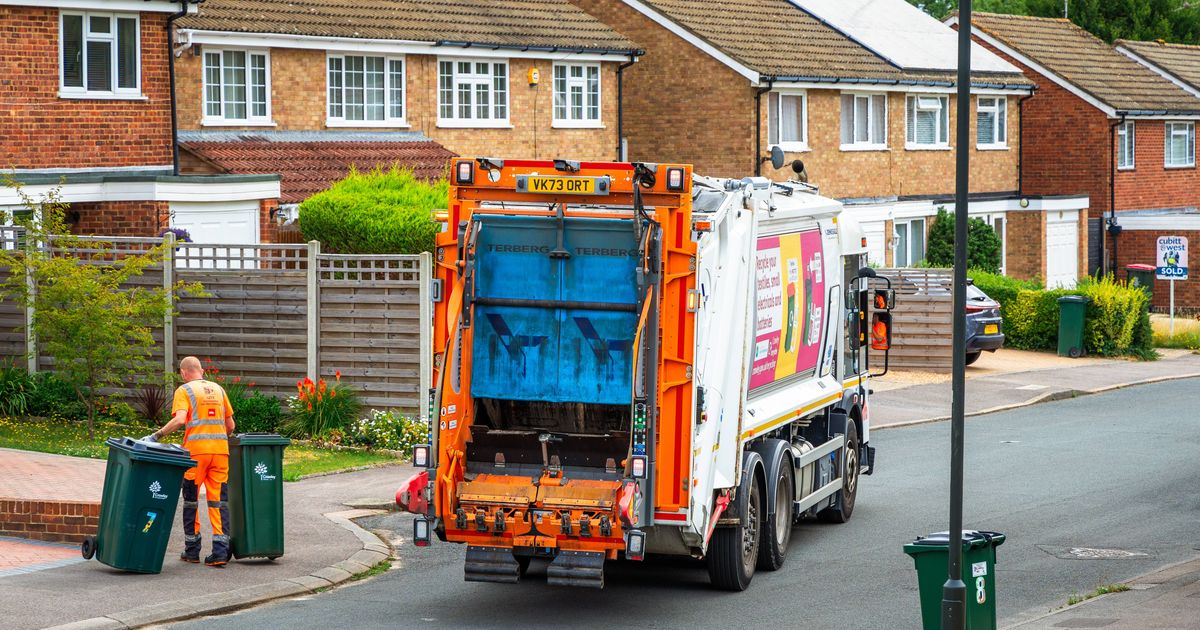
Many people are unaware that this should never be placed in recycling bins
Andrew Nuttall U35 Lifestyle Writer
13:01, 19 Feb 2026
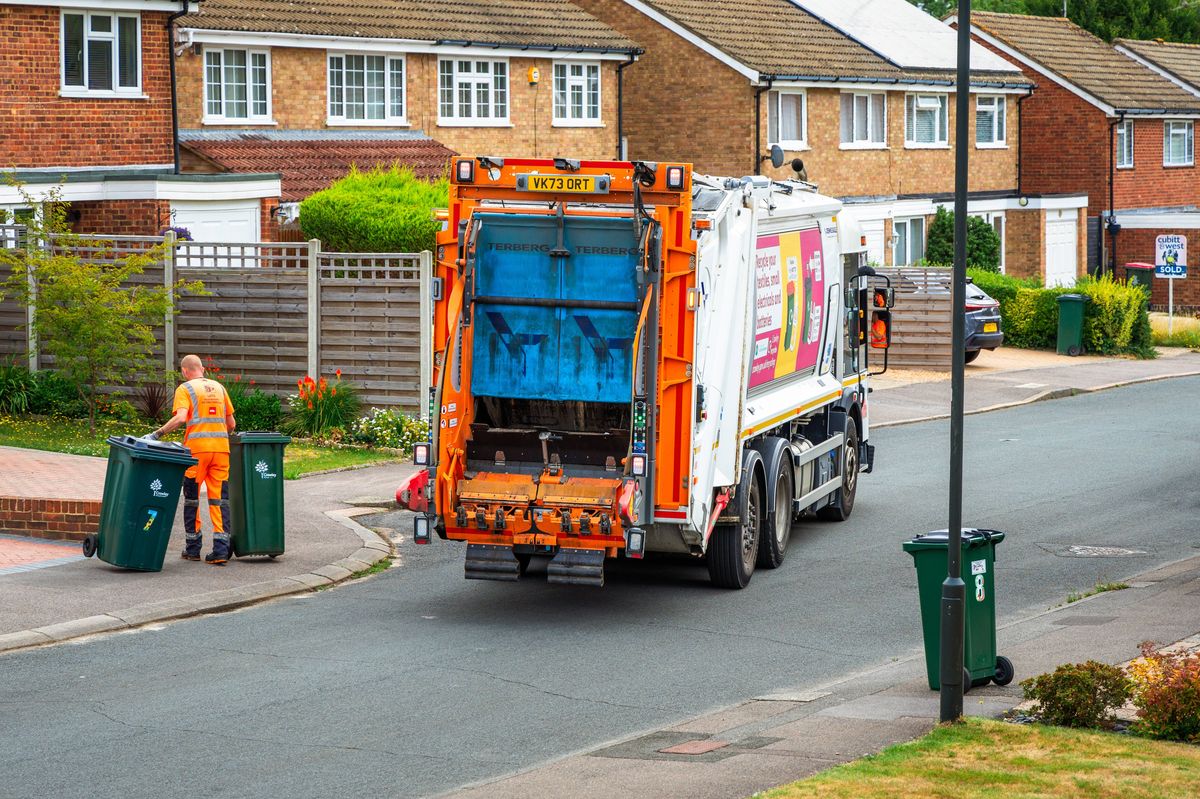
A bin collector has said people will have their waste left behind if they put this in(Image: coldsnowstorm via Getty Images)
People who do not pay close attention to what goes into their recycling bin could make a mistake that forces binmen to ignore their house. This common item might seem innocent enough, but it can cause significant problems at recycling centres.
A binman has taken to social media to let people know the harsh truth that this common material, found in many everyday items like takeaway containers, should always be placed in the rubbish bin. Trying to sneak it into the recycling bin may mean your bins stay full on collection day.
In a TikTok video viewed by over 2.4 million people, @Theno1.binman warned: “When the binmen find polystyrene hiding in the recycling.” Holding up a piece of polystyrene, he continued: “Now I have to leave the bin.”
Most councils will avoid collecting bins containing polystyrene mixed with other recyclable materials. Although polystyrene is technically recyclable, the typical process is not suitable for its light, brittle nature.
Recycle Now, the national recycling campaign, states on its website that polystyrene is “a type of plastic which is not commonly recycled and should be placed in the waste bin”. It further explains that expanded polystyrene is often used for takeaway food containers and packaging white goods such as microwaves, reports the Mirror.
Content cannot be displayed without consent
Glasgow City Council operates a ‘if in doubt, leave it out’ contamination policy. If on-site staff spot prohibited items, such as expanded polystyrene, they will tag the bin and not empty it, requiring you to remove the contaminating items before the next collection.
A spokesperson for London Recycles added: “Polystyrene often isn’t recycled because it is difficult to sort from other types of plastic waste and easily breaks into small beads, which can clog up sorting machines and cause them to break down. Try and avoid buying food and drink which comes in polystyrene. If you can’t, put the containers in your rubbish bin.”
A further statement reads: “Expanded polystyrene is sometimes used for take-away food containers and to package white goods like microwaves. Polystyrene is also sometimes used for other food packaging, like multi-pack yoghurts. Some local councils accept it in recycling collections, although it is unlikely to actually be recycled.”
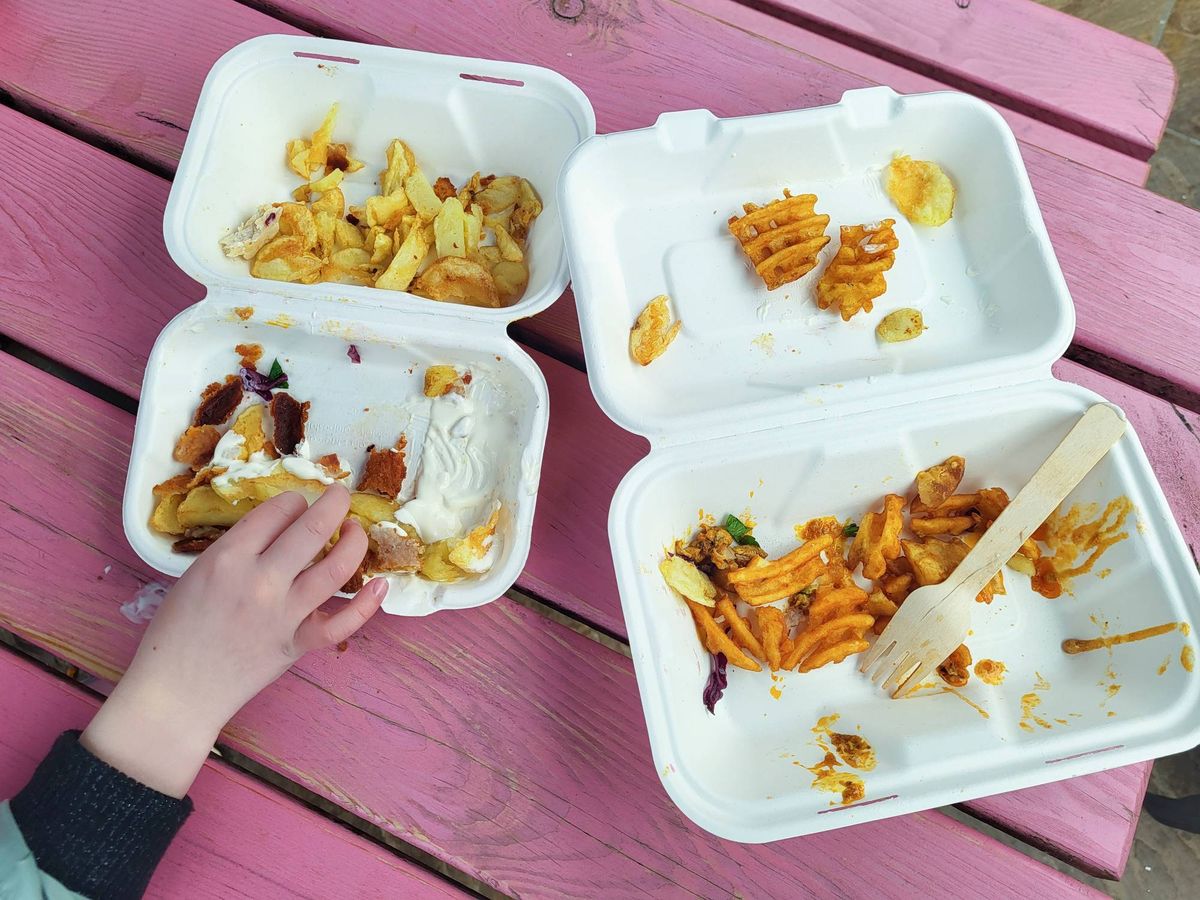
Councils across the UK have different rules, but all frown upon ‘contamination’
The important thing to remember when recycling
Recycling is a crucial process that requires everyone on the street to stick to the same rules to ensure waste materials are given a new lease of life. A single mistake can potentially ruin an entire batch, adding to landfill problems.
Contamination in recycling refers to any items in your recycling bin that shouldn’t be there. This could be due to ‘wishcycling’ – the act of throwing something into the recycling bin without checking if it’s recyclable.
According to Recycle Now: “It could be something that’s recyclable, but not collected by your particular local council, such as plastic wrapping. Or it could be something that is collected by your local council, but that has been tainted by a material or substance that isn’t, such as a grease-soaked cardboard takeaway pizza box or the food residue from a can of beans.”
Most packaging, including food and household items, usually indicates whether it can be recycled. In some cases, whole items like toilet roll tubes and plastic bottles can go straight into the recycling bin, but the rules can vary slightly across different regions.
Certain items might need to be split – such as fruit containers. Fresh berries might come in a recyclable plastic container, but the film on top should go in the general bin as it can lead to damage at the recycling centre if it gets tangled or caught in machines.
For the most accurate information, use the free Recycling Locator tool from Recycle Now to find out what you can put in your home recycling bins. It also directs people to their nearest recycling drop-off point at home if they do not have a regular collection, or have too much for one bin collection.