
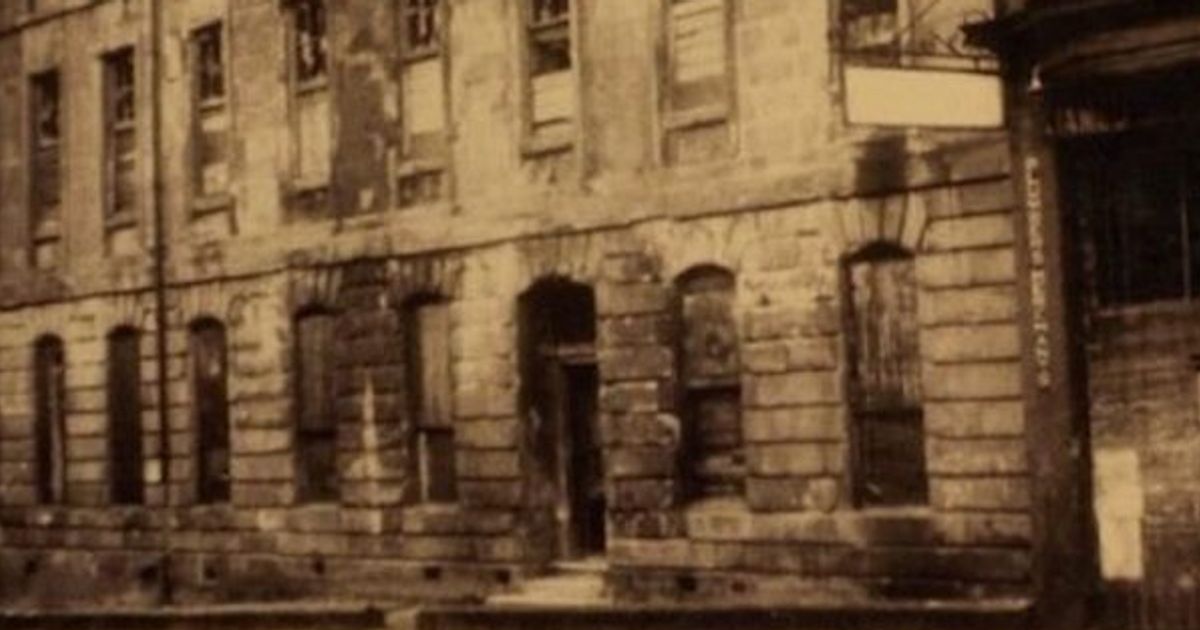
Glasgow’s Lock Hospital for Unfortunate Females – now demolished and replaced by Strathclyde University accommodation – housed some 30,000 women from around 1805 to 1881.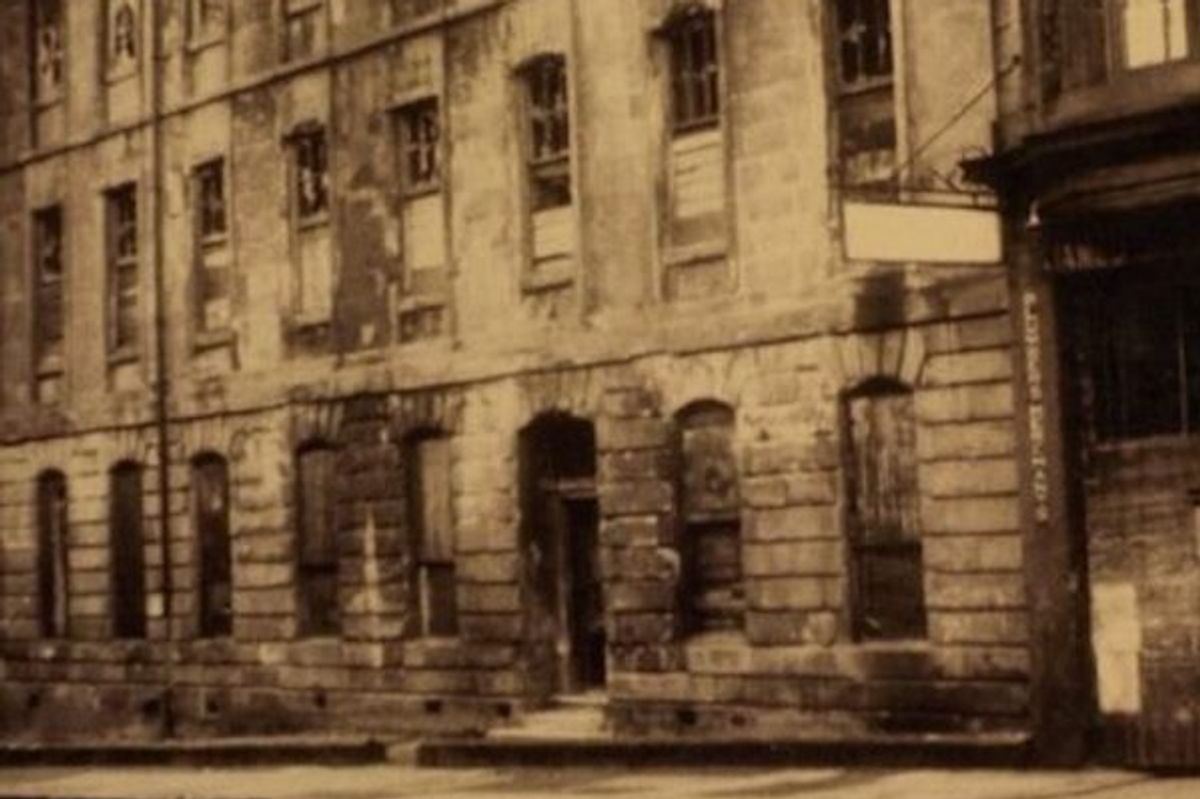
Glasgow Lock Hospital before demolition 1955(Image: Frank Wordsall Collection GCA Mitchell Library)
It’s common knowledge that Glasgow’s Rottenrow Gardens was once the site of the city’s Royal Maternity Hospital. But just a stone’s throw from it – where Strathclyde University’s student accommodation now stands – was a much more sinister kind of infirmary.
Hidden in plain sight, historians say thousands of women “went in and never came out”, facing painful, poisonous and even “experimental” treatments.
Dedicated to “treating” sex workers with venereal diseases like syphilis and gonorrhoea, Glasgow’s Lock Hospital for Unfortunate Females at 41 Rottenrow was disguised as an ordinary tenement block to dissuade locals from discovering the horrors that lay inside.
Glasgow’s Lock (an old word for “leper house”) Hospital housed some 30,000 women from around 1805 to 1881. The infirmary at 41 Rottenrow, which opened in roughly 1845, had replaced an initial smaller centre that had been in operation since 1805.
Anna Forrest has carried out extensive research on the “massive” 150-bed Glasgow Lock Hospital, after her curiosity was sparked while working as a Librarian at the city’s Royal College of Physicians and Surgeons. Over many years Anna has pieced together the history of the hospital – which she had originally been told didn’t exist – with the aim of making sure the public are aware of the atrocities committed against women and girls there.
Women – as well as children – admitted to the Lock with STIs faced “torturous” conditions and experimental treatments, including ‘mercury baths’ (where toxic liquid mercury was heated for the women to breathe in, supposedly to kill the infection).
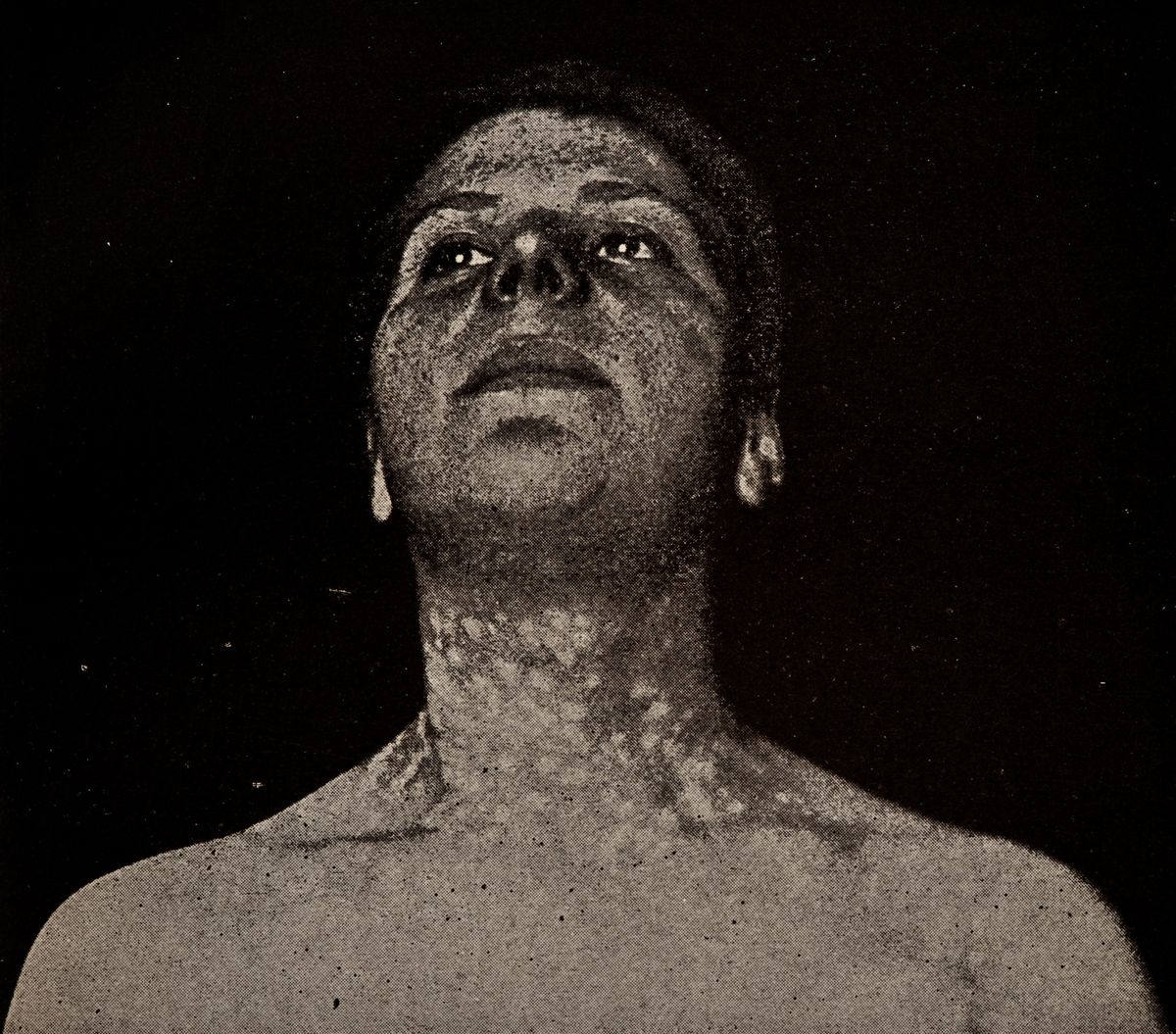
Photograph of a Syphilis patient from ‘Atlas of Syphilis and the Venereal Diseases’ by Frank Mracek and Lemuel Bolton Bangs, 1898(Image: VintageMedStock/Getty Images)
Anna explained how she felt uncovering such horrific truths about Glasgow’s history, which were deliberately kept from the public for years.
“It was just one shock after another”, she said. “The sinister aspect of building a hospital to look like something else because of its purpose – it is shocking.”
Get more Glasgow Live exclusives by signing up for free to Google’s preferred sources
Anna’s descriptions of Glasgow’s Lock Hospital evoke images of a horror film. She says that women and children admitted often had shaved heads, and those with syphilis (who could salivate a pint glass worth per day) would wear sack coverings over their faces to contain the nasty and wet symptom.
The historian explained: “They made clothes of a sack material called ‘slub’ or ‘slag’, which is where the word ‘slag’ comes from.
“They wore huge dressings if they were being treated for gonorrhoea, which meant they were wet all the time, held up by huge drawers. So you can imagine what they looked like.”
Treatments for STIs such as gonorrhoea were painful and invasive, including a horrifying procedure in which acidic liquid was inserted into the urethra and essentially “burnt out the women’s insides”, the historian explained.
Anna says she is “haunted” by the discoveries of her research, especially the fact that children – likely sexually exploited or trafficked – were admitted to the horror Glasgow hospital as well as adult women.
She adds: “The saying was, ‘if you were going in, you weren’t coming out’. The thing that upsets me most is that it was the same treatments for children with venereal diseases. It still bothers me after all these years.”
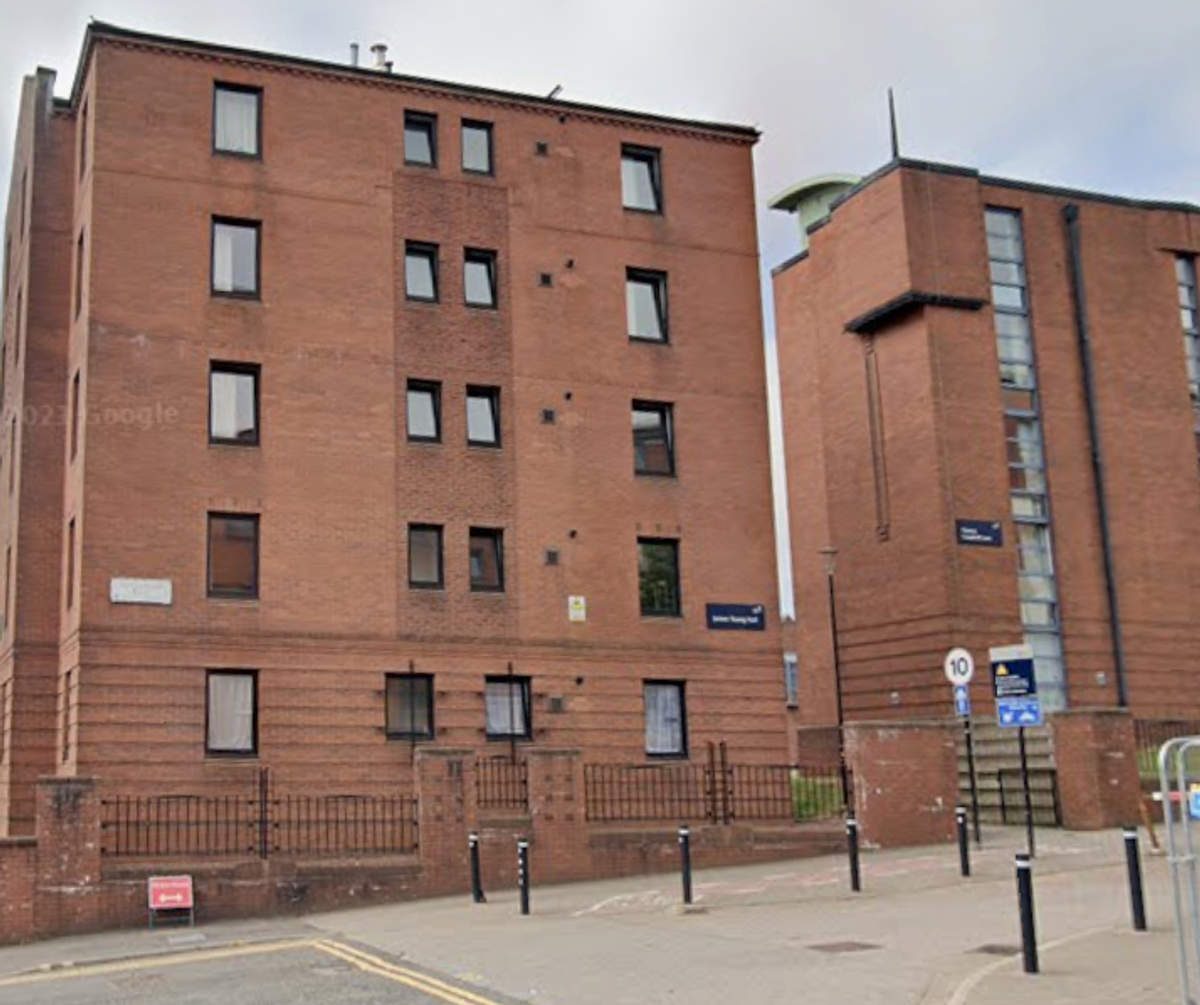
The former hospital site on Rottenrow is now Strathclyde University accommodation (Image: Google Maps)
Lower class women who worked the streets in 19th century Glasgow weren’t treated kindly, and many were admitted to the Lock straight from Duke Street jail, where they were inspected for sexually-transmitted diseases and sent straight to the horrid hospital if they showed any symptoms.
Anna says that if the jailed women were able to pay a 40-shilling fine, they would be released whether they were diseased or not. But the most vulnerable women who couldn’t pay were manacled and dragged up the hill to the Lock.
The name “Lock” comes from the Old English “loke” for a leper house. The first Lock Hospital in Britain was established in London and built on the site of a former leper house. Similar hospitals were found all over the world at the time, including in Dublin and Edinburgh, Sydney and even one in Cairo, the building of which still stands to this day.
Glasgow’s Lock Hospital for Unfortunate Females was demolished in 1955, and is now Strathclyde University student accommodation. There have been calls to erect a memorial to the women and girls who were “tortured” by the horror conditions of the hospital, but no solid plans are yet in place.
And it would appear that a memorial would be little compensation for the plight of the women and children of Glasgow’s Lock Hospital.
Anna concluded: “It was torture. It was experimentation. It was ‘how much can this human being take?’.
“These women, they were never going to matter. Nobody cared.”
You can find out more about Anna Forrest’s research and the Glasgow Lock Hospital here.