
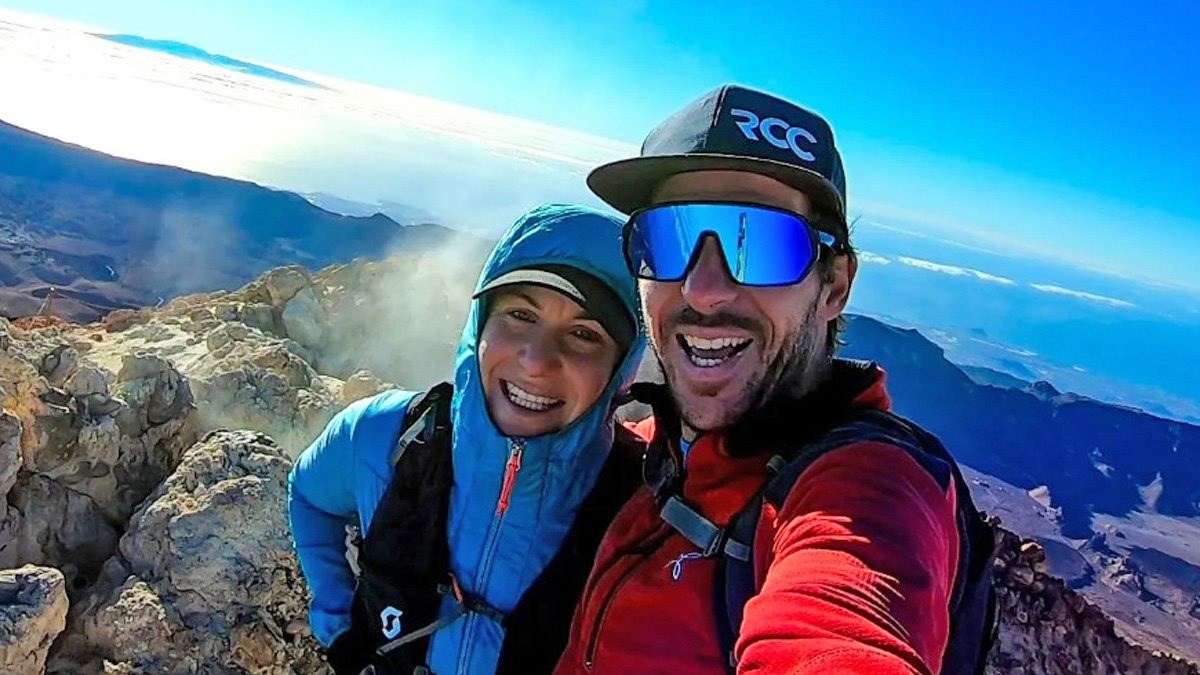
An Alpine mountaineer has been convicted of negligent manslaughter for leaving his girlfriend to freeze to death near the top of Austria’s highest peak.
Thomas Plamberger, 39, went on trial in Innsbruck on Thursday for failing to ensure his partner’s safety during an ascent of the Grossglockner in January last year.
Prosecutors argued that the proficient hobby climber made a series of mistakes that amounted to a gross failure in his duty as a tour guide to his less experienced partner, Kerstin Gurtner, 33.
He denied criminal responsibility but was found guilty after a 13-hour trial. Norbert Hofer, the judge himself a mountaineer, repeatedly questioned Plamberger’s testimony and provisionally sentenced him to five months in prison and a fine of €9,600. Negligent manslaughter carries a maximum sentence of three years in prison.
“The victim was galaxies away from you in terms of high-Alpine skills,” Hofer told him. “Had you acted differently, I strongly assume that your partner would have survived.”
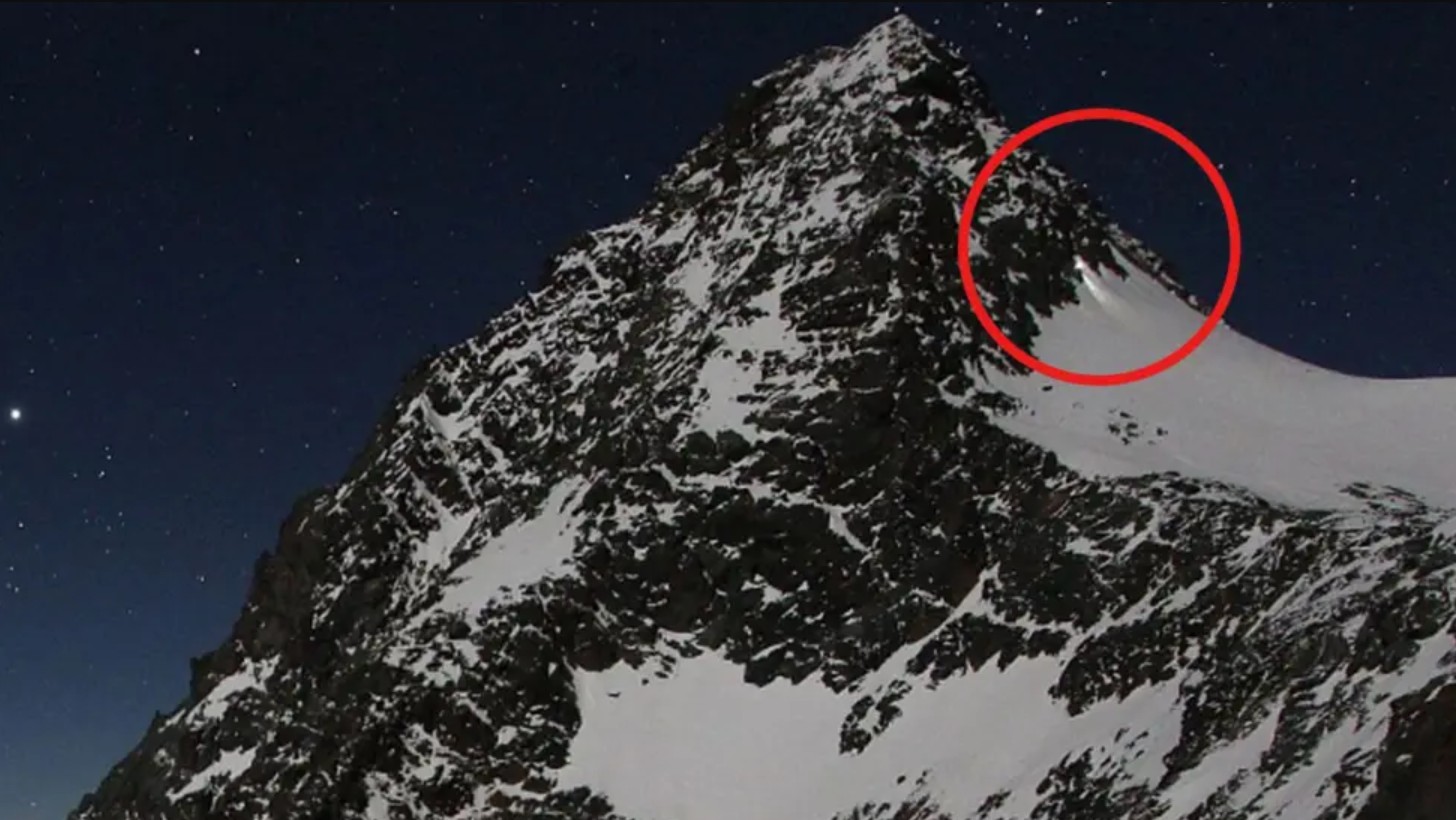
Webcam video showed Plamberger descending from the peak with a torch
The prosecution had also alleged that Plamberger had left a previous girlfriend on the mountain range after she complained about the difficulty of the climb and they had a “heated argument”. Plamberger denied the allegations.
The court was told that in January last year Plamberger had ignored a rescue helicopter that circled overhead and left Gurtner exposed to high winds and temperatures so low that the tea had frozen in the couple’s Thermos. It also heard that he did not use the bivouac sack and emergency blankets she was carrying in her rucksack.
The pair got into severe difficulty after darkness fell during the final stage of their climb on January 18. Gurtner slipped and fell, injuring her hand and hip, but the couple pressed on until she collapsed some 50 metres short of the summit. Plamberger eventually left her at 2am and descended to seek help.
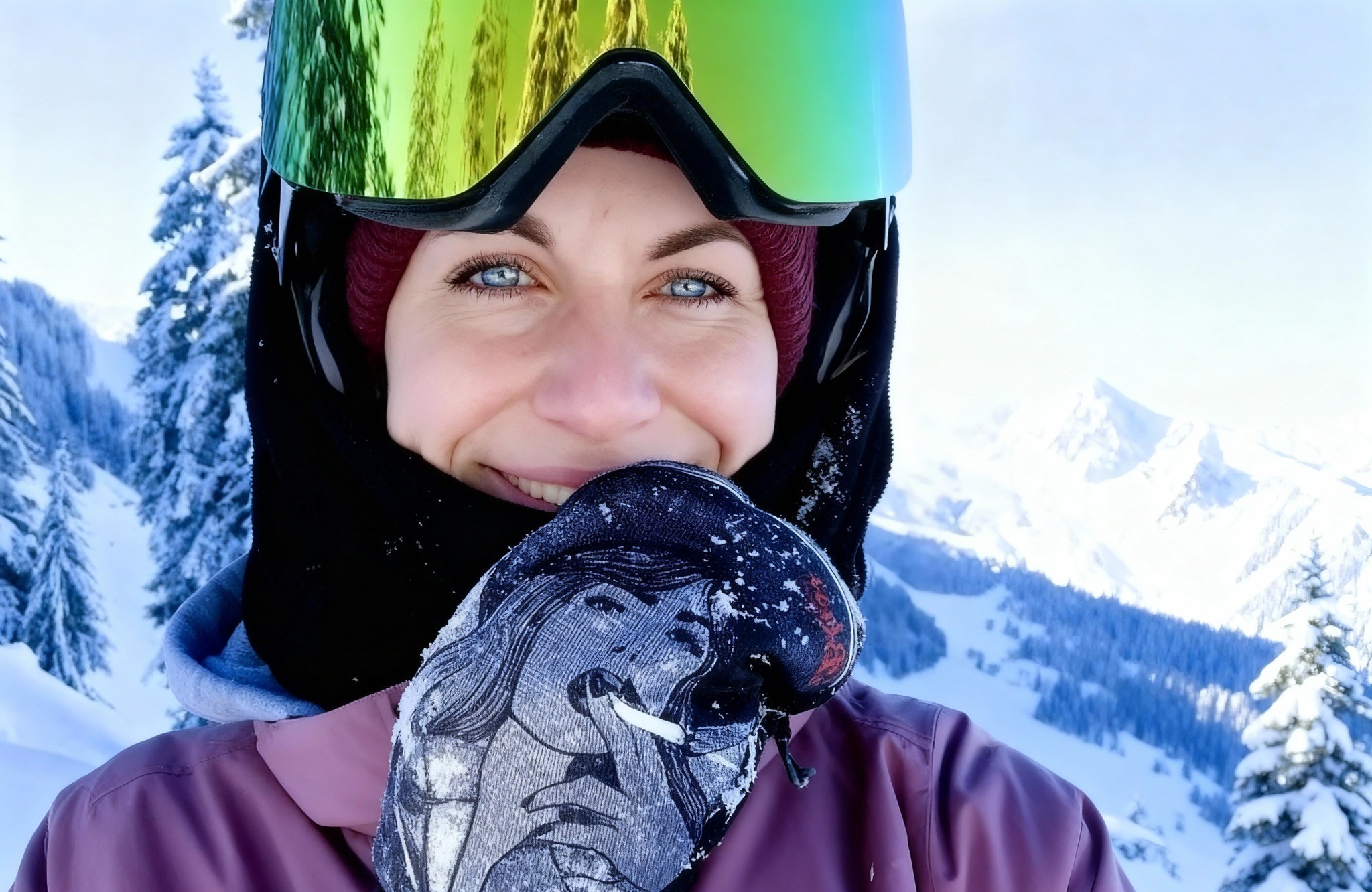
By the time a mountain rescue team found Gurtner, about four hours later, she had died of hypothermia and her body was dangling from a rope. A medical examination found that she had been suffering from a viral infection.
The case hinged on whether Plamberger was responsible for Gurtner’s death because his more extensive experience of climbing effectively meant he was functioning as her “courtesy” tour guide.
Plamberger said Gurtner had been a fit and capable climber and that they had planned every detail of the tour together. “I wasn’t in charge of anything,” he told the court. “I had no authority, no power, no superiority [over her].”
He was supported by Gurtner’s mother, Gertraud, who said her daughter had been a strong-willed woman who “knew exactly what she was getting into”.
Plamberger’s lawyer also read out a letter from Gurtner’s parents that said: “Our daughter took responsibility for herself. We cannot fault her boyfriend. She had done mountain running and conquered much more difficult peaks than this one [the Grossglockner].”
Plamberger said he had previously climbed the Grossglockner 14 or 15 times and that the couple had not anticipated any difficulties. They had set out at 6.45am, taking advantage of eight to ten hours of sunshine and what they thought would be relatively light winds, and had planned to reach the summit by 9pm, he said.
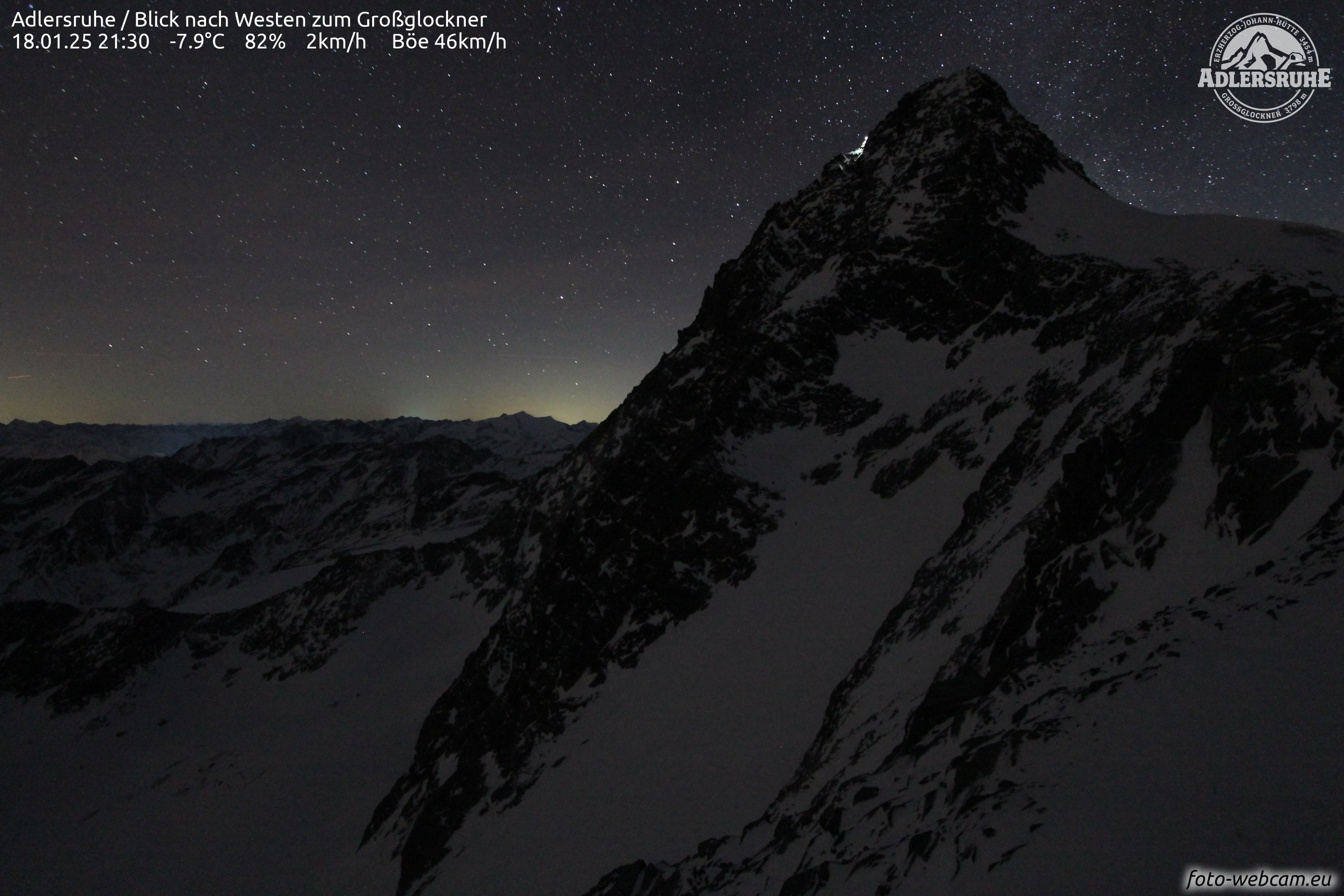
Video of the mountain on the night of January 18 last year
Plamberger said they had run into serious trouble only at about 8.15pm, when Gurtner slipped. He said they had soldiered on and not made any distress call to the helicopter at 10.30pm because Gurtner’s condition still appeared to be manageable. However, she collapsed not long after that, Plamberger told the court.
He said he had rung the emergency services at 12.35am. Eventually, he said, Gurtner had told him she could go no further and that he should “go on alone” and save himself.
Plamberger said: “I wish to say that I am endlessly sorry about what happened. I loved Kerstin and I didn’t want any harm to come to her. We always made our decisions together. Kerstin was very sporty and mountain-savvy, very strong in climbing.”
However, the judge expressed doubts about Plamberger’s account, saying he found it “incredibly difficult to reconcile your version of events” with the other evidence.
Video shows Thomas Plamberger arriving at court
The court was told that shortly after 5pm on the day of the climb, Gurtner had tried to ring the number 149 — one digit away from the Austrian mountain rescue number, which is 140. At 6.07pm she was then said to have sent her parents a cryptic text message suggesting that the climb was already over and they had descended to safety.
The judge also said that Gurtner’s body had been found in a different location from where Plamberger claimed to have left her, suggesting that she had fallen down a vertical rock face.
A police officer who investigated the case told the court that when he asked Plamberger whether he had served as Gurtner’s “courtesy” tour guide and planned the climb, Plamberger had “effectively said yes”.
The officer said: “In my view he led the tour and was to a certain extent responsible.”