
One politician is not happy, saying Hywel Dda University Health Board ‘should be rebranded as the Carmarthenshire Health Board, as it continues to strip assets from other hospitals in west Wales’Robert Harries Senior Reporter and Bruce Sinclair, Local Democracy Reporter
19:04, 19 Feb 2026
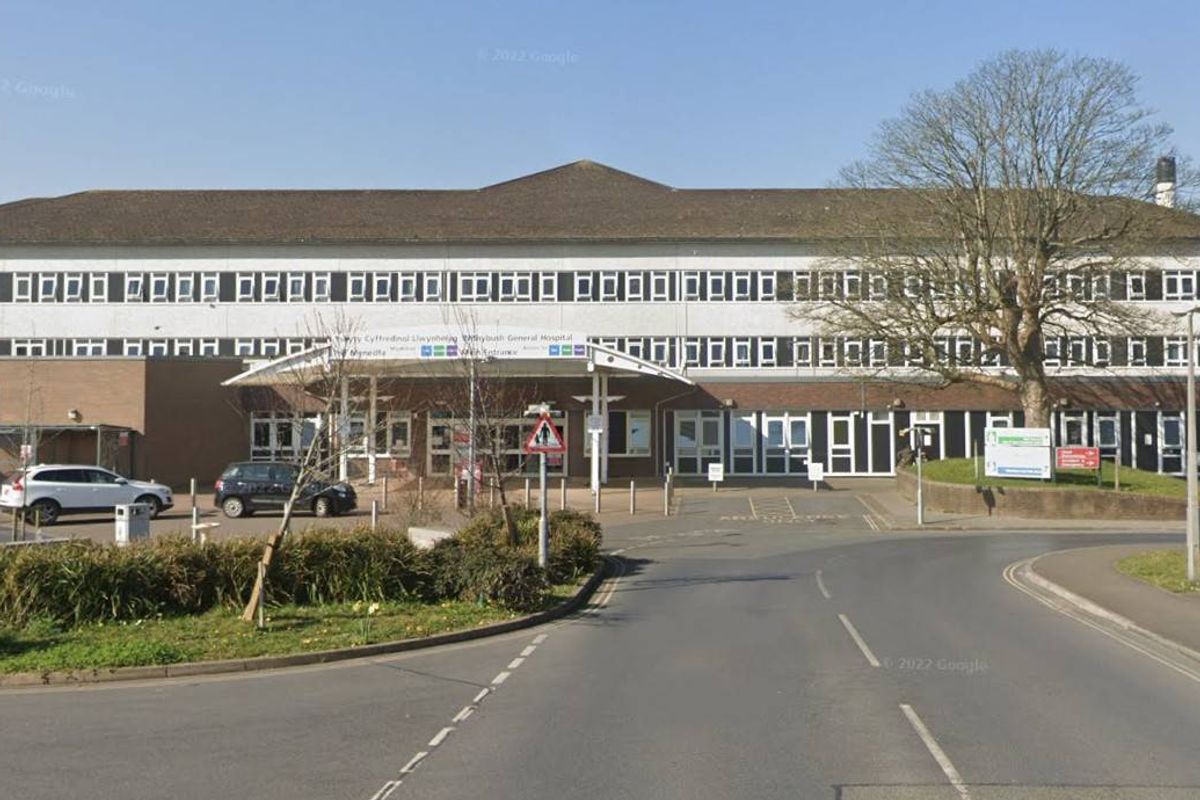
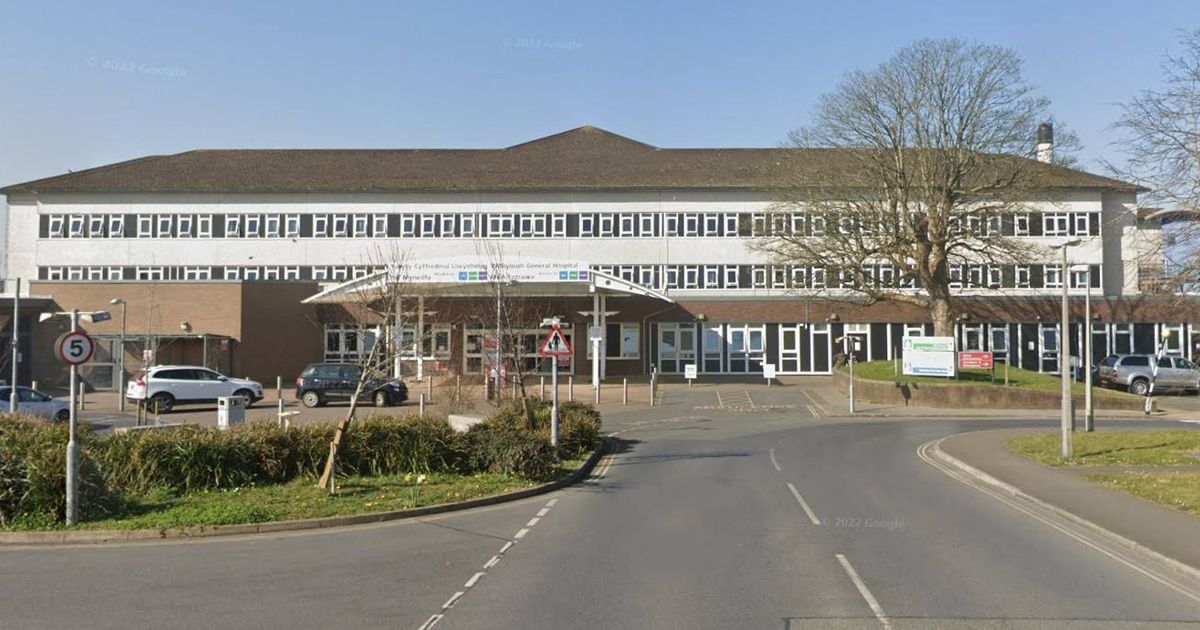
Haverfordwest’s Withybush Hospital is to lose services as part of a health board shake-up(Image: Local Democracy Reporting Service)
Emergency general surgery is set to be withdrawn from Withybush Hospital in Pembrokeshire as part of huge changes approved by Hywel Dda University Health Board which could also see the number of specialist stroke units slashed.
Last year, the health board – which manages healthcare provision across Carmarthenshire, Pembrokeshire and Ceredigion – undertook a consultation with local communities regarding proposed modifications across critical care, dermatology, emergency general surgery, endoscopy, ophthalmology, orthopaedics, stroke, radiology and urology services.
The board stated its ‘Clinical Services Plan’ concentrates on nine healthcare services deemed “fragile and in need of change”. Stay informed on Carms news by signing up to our newsletter here.
When launching the consultation, it confirmed the services and potential alterations at the four principal hospitals – Withybush in Haverfordwest, Glangwili in Carmarthen, Prince Philip in Llanelli and Bronglais in Aberystwyth – would not affect how people access emergency care (A&E) or minor injury services.
These nine clinical services were chosen due to concerns about their capacity to continue delivering safe, high-quality care in a timely fashion, the board has stated previously.
During an extraordinary public meeting held over two days on Wednesday and Thursday which saw health bosses discuss and examine the proposed changes, it was agreed that emergency general surgery is to be withdrawn from Withybush Hospital, meaning no emergency general surgery operations will be performed at the hospital, though there will be an enhancement of the same-day emergency care (SDEC).
For the remaining three hospitals, there would be no alteration in emergency general surgery provision, apart from a strengthening of SDEC at Glangwili Hospital.
Meanwhile, the number of specialist stroke units across the health board’s three counties could reduce from four to one.
The option supported by health bosses means there would be a stroke unit under the care of specialists 24 hours a day at Glangwili, while there would be a treat and transfer facility at Bronglais and handling and transfer units at at Prince Philip and Withybush.
The health board has emphasised that the changes will not be implemented immediately, with chief executive Phil Kloer saying alterations were about “improving the quality of service for the public,” noting a Pembrokeshire public-preferred option of emergency general surgery operations occurring on alternate weeks, with a comparable arrangement at Glangwili, had prompted concerns from clinicians and managers.
The board also approved changes to the critical care service, which will maintain the current intensive care units situation at all hospitals except Prince Philip, which will see the intensive care unit (with transfer of sickest patients) converted to an enhanced care unit.
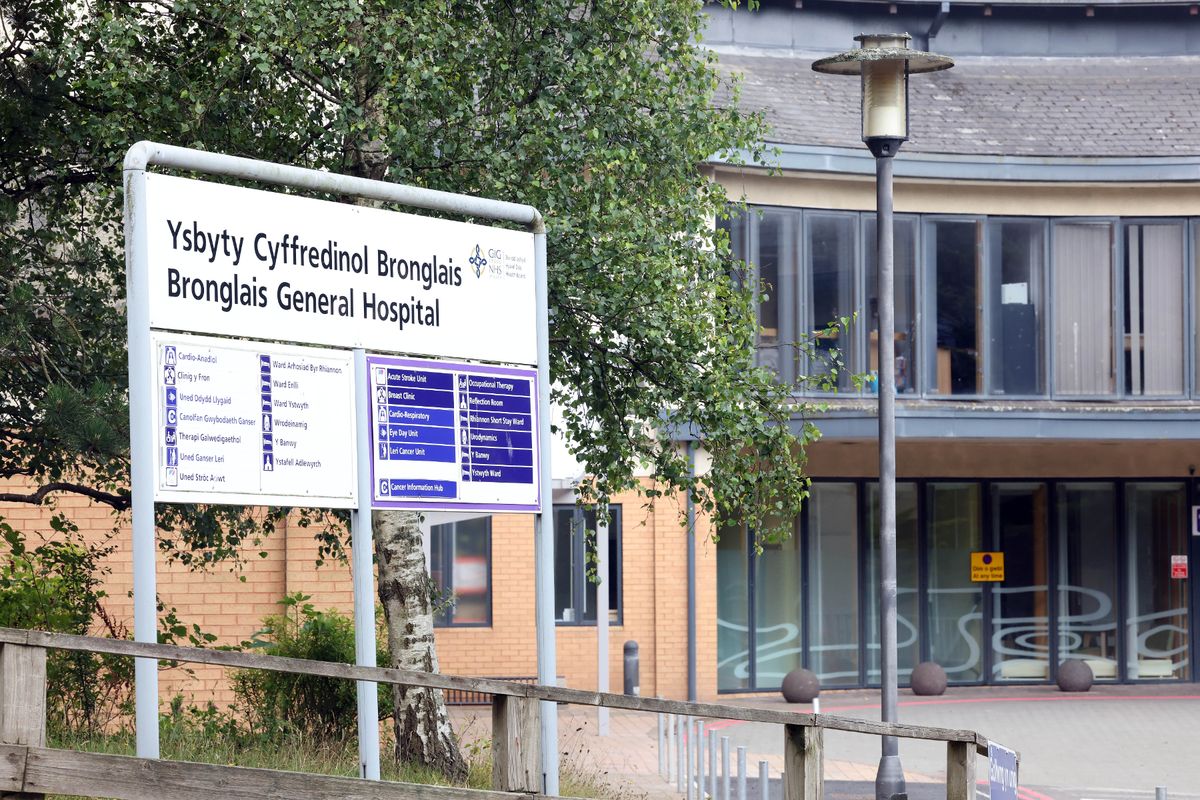
Bronglais Hospital in Aberystwyth(Image: WalesOnline/Rob Browne)
A detailed breakdown of the next steps for each of the nine clinical services, according to the health board, is outlined below:
Critical Care
The health board chose Option 246 as the future service model for critical care for the medium term. The board also recognised that Option A is aligned to the health board’s longer-term strategy but to progress this it will also require a business case and review in the longer term, including appropriate engagement with staff and communitiesDuring the consultation an alternative option (Option 246), based on Option B, was put forward by the community and met hurdle criteria. Option B saw a proposal for intensive care units at Bronglais, Glangwili, and Withybush hospitals with an enhanced care unit at Prince Philip Hospital. The difference in Option 246 is that staff will be supported to work between hospitals to develop and retain their skills and provide support, so that all units have access to the same technology, information, and clinical expertiseWhen implemented, this will bring together specialist critical care services on fewer hospital sites. This aims to help address long‑standing staffing pressures and improve the safety and quality of care for the most seriously ill patientsIn Option 246, patients at Prince Philip Hospital who need specialist critical care will be transferred to Glangwili. This would see the establishment of an Enhanced Care Unit at Prince Philip Hospital, which will provide care locally for less sick patients.The board agreed that this model would create a more sustainable service for patients and provide the highest standards of care when patients are critically illThe board recognises that this will result in making permanent the current temporary patient transfers between hospitals and wants to continue to work with communities to help make services accessible to all. In taking this decision the board discussed how this approach provides the strongest opportunity to stabilise critical care services and ensure they are safe and sustainable for the future.
Dermatology
The board chose Option C that was consulted upon, as the future service model for dermatology, with an agreement to continue to work closely with participating GPs to explore how they could provide minor procedures in the community within the next two to four yearsUnder this decision, patients needing specialist dermatology care and treatment will be able to access this from Prince Philip Hospital. The use of telemedicine along with nurse led clinics, including minor operations in Cardigan Integrated Care Centre and supporting GP practices, will support people to access care more locally and reduce the need to travel when not needed. Providing nurse-led paediatric (children’s) clinics at Cross Hands Health Centre will support children and young people to access services in a friendlier environment. This aims to help address long‑standing staffing pressures and improve the safety and quality of care for patientsThe board recognises that this will result in patients needing to travel further to access specialist dermatology services and wants to continue to work with communities to help make services accessible to all. In taking this decision the board discussed how this approach provides the strongest opportunity to support and develop the dermatology workforce and ensure the service is safe and sustainable for the future and ensures patients can gain quicker access to the service
Emergency General Surgery
The board chose Option A as the future service model for emergency general surgery. The board also expressed that they wanted to evolve to Option 155 but this will require the consideration of a business case. Alternative Option 155 was an option put forward during the consultation and included a Surgical Same Day Emergency Care Unit at Bronglais Hospital, alongside those at Glangwili and Withybush hospital. The board also recognised that Option 222 is aligned to the health board’s longer-term strategy but will also require a business case and review in the longer term, including appropriate engagement, with staff and communitiesOption A, when implemented will bring together surgeons from Glangwili and Withybush hospitals into a single team. This will mean that emergency operations will be provided from Bronglais and Glangwili hospitals. This aims to help address long‑standing staffing pressures and improve the safety and quality of care for the most seriously ill patientsUnder this decision, patients at Glangwili and Withybush hospitals will be able to access care through Surgical Same Day Emergency Care units, which can support most people without the need for an operation. Patients from Withybush Hospital who need an emergency operation will be transferred to Glangwili Hospital and return to Withybush Hospital, their home, or the community, when well enough to do soThe noard recognises that this will result in more patient transfers between hospitals and wants to continue to work with communities to help make services accessible to all. In taking this decision the board discussed how this approach provides the strongest opportunity to stabilise emergency general surgery services and ensure they are safe and sustainable for the future
Endoscopy
The board chose Option A, as the future service model for endoscopy. Further work is needed on the future delivery of the service, in relation to meeting future demand, which will include further work around the potential site or multiple sites for delivering this service in the futureOption A, when implemented, will bring together respiratory and urology procedures together at Prince Philip Hospital, while retaining gastrointestinal and bowel screening procedures at all hospital sites. This aims to help address expected increases in future service provision and will support the development of a urological investigation unit at Prince Philip Hospital Additionally, the board agreed to explore options for a community endoscopy service, recognising that this will need additional engagement with the community at an appropriate timeUnder this decision, there would be an additional procedure room at Prince Philip Hospital to allow more people to access diagnostic procedures, but there would be no changes to the current bowel screening service or emergency endoscopy across other hospital sites. This will enable us to achieve the appropriate accreditationThe board recognises that this will result in some patients needing to travel further and wants to continue to work with communities to help make services accessible to all. In taking this decision the board discussed how this approach provides the best opportunity to meet future demand so that people can access tests in a timely way, as well as supporting the workforce to grow to meet these challenges
Ophthalmology
The board chose Option 99 as the future service model for Ophthalmology, with the addition of Aberaeron Integrated Care Centre as a provider of services (taken from Option 173), subject to a business case process.During the consultation an alternative option (Option 99), based on Option A, was put forward that met hurdle criteria. The difference between Option A and Option 99 is that Amman Valley hospital would provide outpatients (for eye injections) as well as day cases (for cataracts)When implemented, this will bring together the main hospital services, including emergency eye care, at Glangwili Hospital. There will be diagnostics and an outpatient service in Cardigan Integrated Care Centre and North Road Eye Clinic. This aims to create a more sustainable service and improve waiting times for patients by concentrating specialist expertise in fewer sites.Recognising that a significant proportion of the ophthalmology service is provided from community settings, the board decided that services should be provided from Cardigan Integrated Care Centre, North Road Eye Clinic, and Aberaeron Integrated Care Centre. Under this decision, Bronglais and Prince Philip hospitals will no longer provide services and Withybush Hospital will continue to provide diagnostics and outpatientsThe board recognises that this will result in some patients having to travel further for treatment. In taking this decision the board discussed that while some patients may need to travel further for treatment such as cataracts, it supports the service to continue providing regular eye injections as close to home as possible which can prevent irreversible sight loss
Orthopaedics
The board selected Option D as the future service model for Orthopaedics with exploration of the extended hours referenced in Option 178, which may involve longer working days or weekends. This would be defined during the implementation phase of the workIn Option D, Withybush Hospital will expand orthopaedics service to focus on delivering a higher volume of less complex orthopaedic day case procedures, while Prince Philip Hospital will continue to provide more complex planned care for both local and regional patients. The option also includes expanding surgical services at Bronglais Hospital so that more patients can receive their operations thereIn considering the impacts of this option, the board noted that concentrating fewer complex orthopaedic procedures at Withybush will support an overall increase in day case activity. It also recognised that regional working with Swansea Bay University Health Board will continue, meaning some patients may receive care outside the Hywel Dda area to receive their orthopaedics surgery sooner, and will need to travel further for treatment. The expanded service at Bronglais will enable more patients to receive surgery locally, while patients from Pembrokeshire will continue to travel to Prince Philip Hospital for overnight inpatient procedures, as they do nowIn terms of delivery, the board confirmed that these hospital changes could be implemented within two years using existing staffing and funding. Additional therapy support is planned for year four or later, subject to securing the necessary workforce and investment
Radiology
The board chose alternative Option 103 for radiology, that was presented by members of the community. As was presented during the consultation on radiology, emergency diagnostic radiology 24/7 is to be kept at all four hospitals across Hywel DdaAlternative Option 103 keeps planned diagnostic and day case interventional radiology Monday to Friday at Bronglais. Over time, planned diagnostics will move to a seven-day service at Prince Philip and Withybush, which will also deliver weekday inpatient and day case interventional radiology. Glangwili will continue to focus on inpatient interventional radiology onlyThe Option will support quicker diagnosis and create a dedicated cancer focus at Prince Philip and Withybush. The board supported further work on the development of a new hub for planned diagnostic radiology, recognising that would require further engagementThe board noted that more staff will be needed to support extended hours and reduce current pressures. The diagnostic hub will require a full business case and take several years to developX ray services at Llandovery and South Pembrokeshire will be removed as part of the implementation of the option
Stroke
The board selected an alternative idea, to combine alternative options 106 and 210 as a model to be taken forward for further consideration for stroke services. This is a new idea that was not included in the consultation process and will now need further assessment, and engagement with staff and communitiesThis idea brings together the stroke rehabilitation unit element of Bronglais Hospital from Option 106 with the 24-hour specialist cover stroke unit at Glangwili from Option 210As part of this proposed idea, all hospitals will retain the capability to provide the initial treatment for stroke, before patients are transferred onwards to Glangwili Hospital, or the specialist thrombectomy centre. Patients requiring additional rehabilitation in mid Wales would be able to receive this from Bronglais Hospital in this optionThe board heard that stroke care standards have risen significantly over the past decade, and stroke services are now viewed as specialist rather than general acute servicesIt recognised that by progressing with this Option there are opportunities to design innovative, creative rehabilitation models that could also offer new roles for staffThe merged idea (options 106 and 210) requires careful consideration, detailed business planning, and further public engagement. Recognising that options 106 and 210 met hurdle criteria assessment, as a combined option this requires further work to assessThe board noted that this approach could strengthen the stroke service by bringing staff together onto fewer sites and extending specialist provision beyond the current weekday model. It was recognised that this idea would need to be worked up in more detail and would need further engagement with communities before a decision could be made. The plan for further engagement and development of this new idea will be brought back to a future meeting of the board
Urology
The board chose Option A as the future model for urology services to improve care and reduce waiting timesUnder this Option, all urology non-emergency inpatient care will be based at Prince Philip Hospital, which will also become home to a new diagnostic hub. This hub will provide urology diagnostics for Carmarthenshire and urgent suspected cancer diagnostics for the whole health board area. As Prince Philip already has an endoscopy service on site, bringing urology to the same location will allow both services to work more closely togetherOutpatient appointments, day-case procedures and routine tests will continue at Bronglais and Withybush hospitals, while Glangwili will focus on emergency urology cases. This model is designed to create a more efficient and better staffed service, and to reduce the number of separate hospital visits for many patientsThe board recognises that some people may need to travel further for certain tests or inpatient treatment but felt that bringing together inpatient services on one site will help to improve quality of care, including timeliness, and recruitment and training of staff. Day case procedures and routine tests will continue at Bronglais and Withybush hospitals, while Glangwili will focus on emergency urology casesThe new service will begin to be introduced within two years, with the diagnostic hub fully developed within two to four years, subject to staffing and funding. In choosing this option, the board agreed that all decisions made needed to improve the quality of service and address waiting times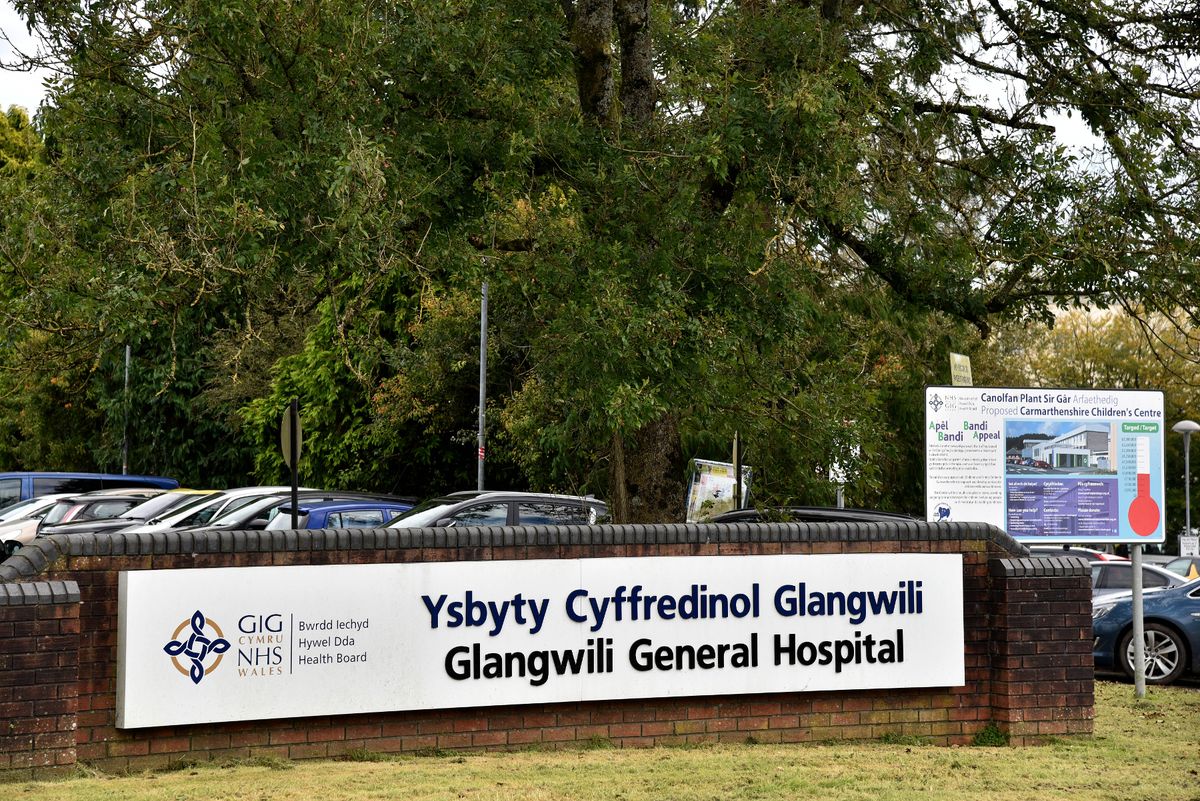
Glangwili Hospital in Carmarthen(Image: Western Mail)
The health board also considered consultation feedback on the future of its main hospital sites and confirmed the following at the conclusion of Thursday’s meeting:
Bronglais Hospital continues to improve upon the current range of services provided, though some specialist elements may be delivered at other Hywel Dda sites.Glangwili Hospital focuses more on acute and emergency care, with some planned care shifting elsewhere depending on the service or condition.Prince Philip Hospital increases its role in delivering planned care, particularly for a wider region and in partnership with Swansea Bay University Health Board.Withybush Hospital expands planned care provision within Hywel Dda, maintaining initial access to acute care but transferring the most complex cases to Glangwili
Mark Henwood, executive medical director at Hywel Dda, said: “I would like to reassure members of our community that our services remain safe, but are fragile and need to improve to provide the best patient outcome and experience. No immediate changes will take place because of the decisions we made as a board today.
“While we work to develop our implementation plans, clinical services across all hospital sites will continue to operate as they do now, and patients should attend their appointments as usual. During the coming months, the options selected will be developed into detailed plans for delivery.
“We will work with clinical and operational colleagues to implement the changes, recognising that the scale and nature of the work mean changes will need to be introduced in phases, possibly over a few years. We will continue to work with our communities and keep our patients informed of any changes when they are implemented.”
For options such as stroke services, further engagement and additional information is required before any final decisions are made, the health board added. Ensure our latest news and sport headlines always appear at the top of your Google Search by making us a Preferred Source. Click here to activate or add us as Preferred Source in your Google search settings.
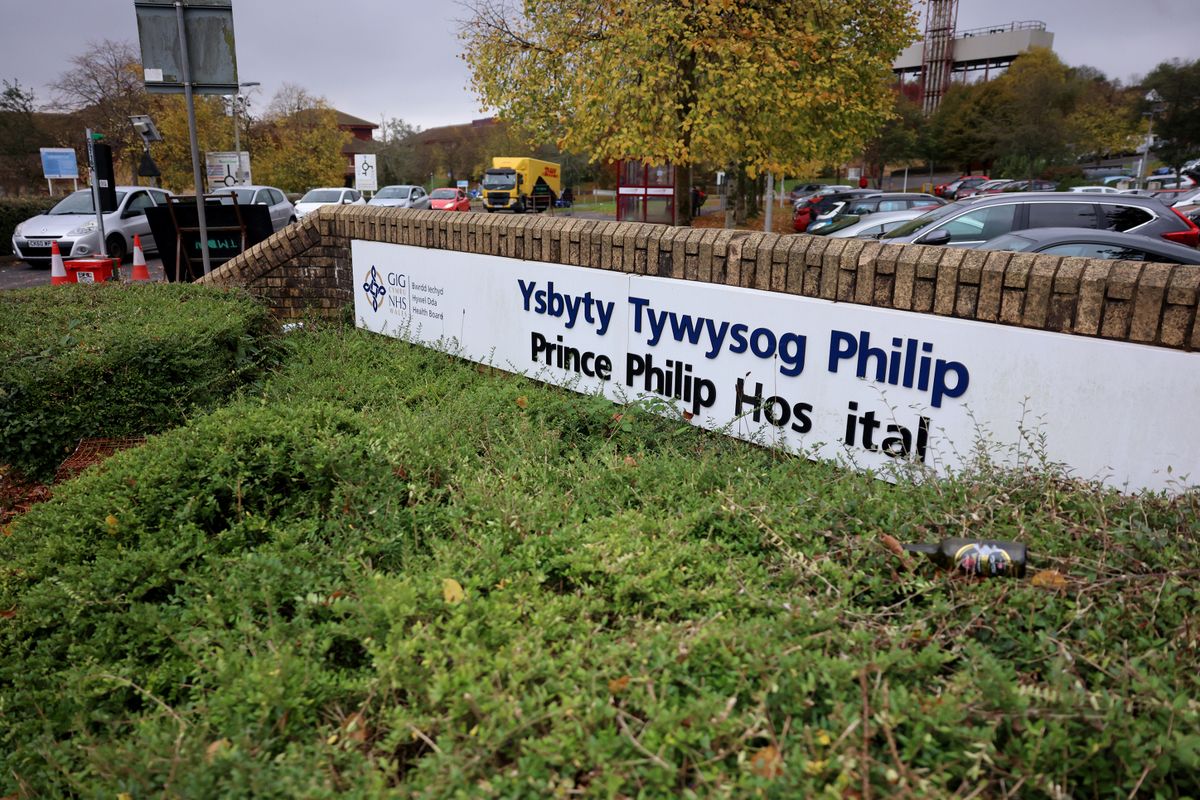
Prince Philip Hospital in Llanelli(Image: John Myers)
Responding to the alterations, the Member of the Senedd (MS) for Preseli Pembrokeshire, Paul Davies, said: “I’m appalled that Hywel Dda University Health Board has voted to remove general emergency services from Withybush hospital – but I’m not surprised.
“The health board is obsessed with removing services from Pembrokeshire and has spent years downgrading and removing services from Withybush Hospital.
“As one constituent has rightly said, the board should be rebranded as the Carmarthenshire Health Board, as it continues to strip assets from other hospitals in west Wales.”
He further commented: “Removing general emergency services critically undermines the sustainability of Withybush hospital’s A&E department and will result in patients having to be transported for urgent treatment.
“This is not acceptable – I will be taking this to the Welsh Government and urging ministers to intervene and stop the health board from making this catastrophic decision.”
Get daily breaking news updates on your phone by joining our WhatsApp community here. We occasionally treat members to special offers, promotions and ads from us and our partners. See our Privacy Notice.