
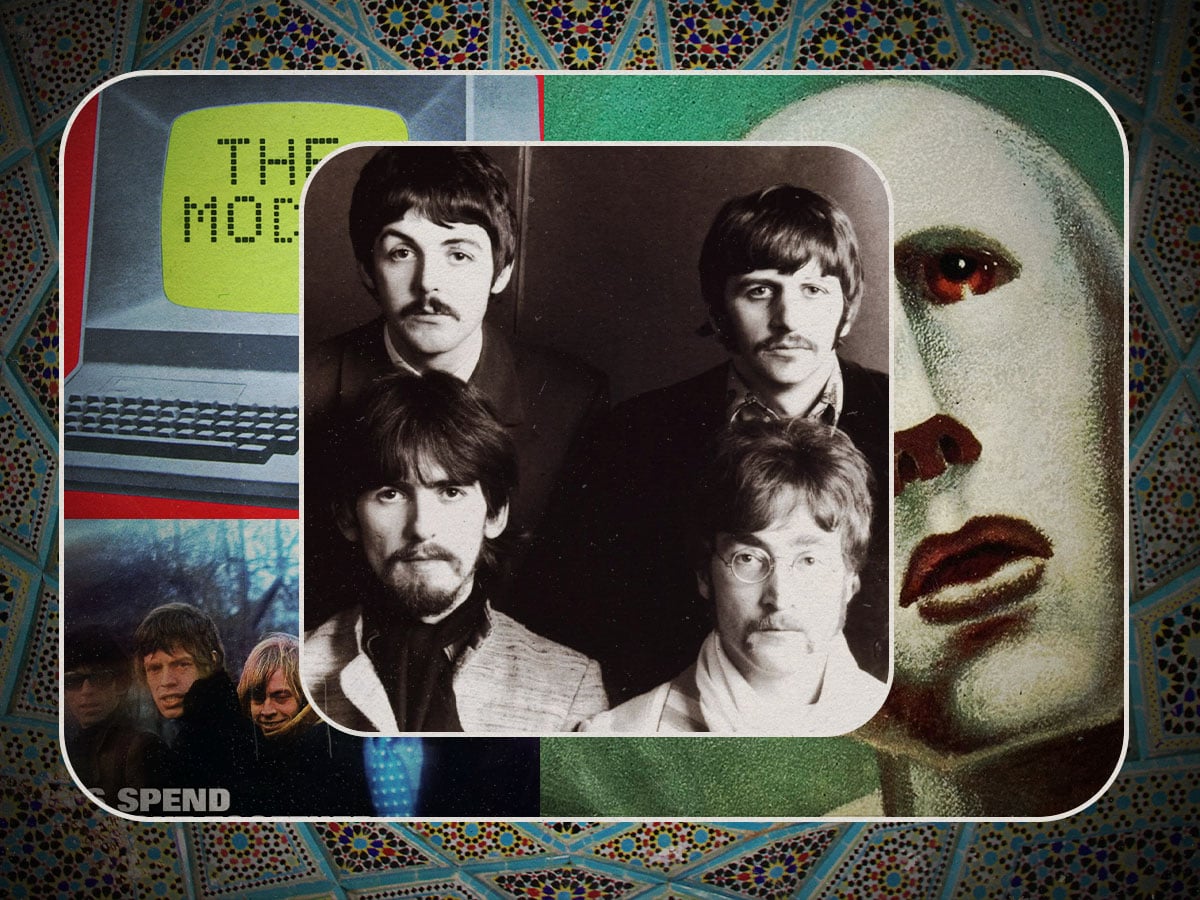
Depeche Mode – ‘Blasphemous Rumours’ / ‘Somebody’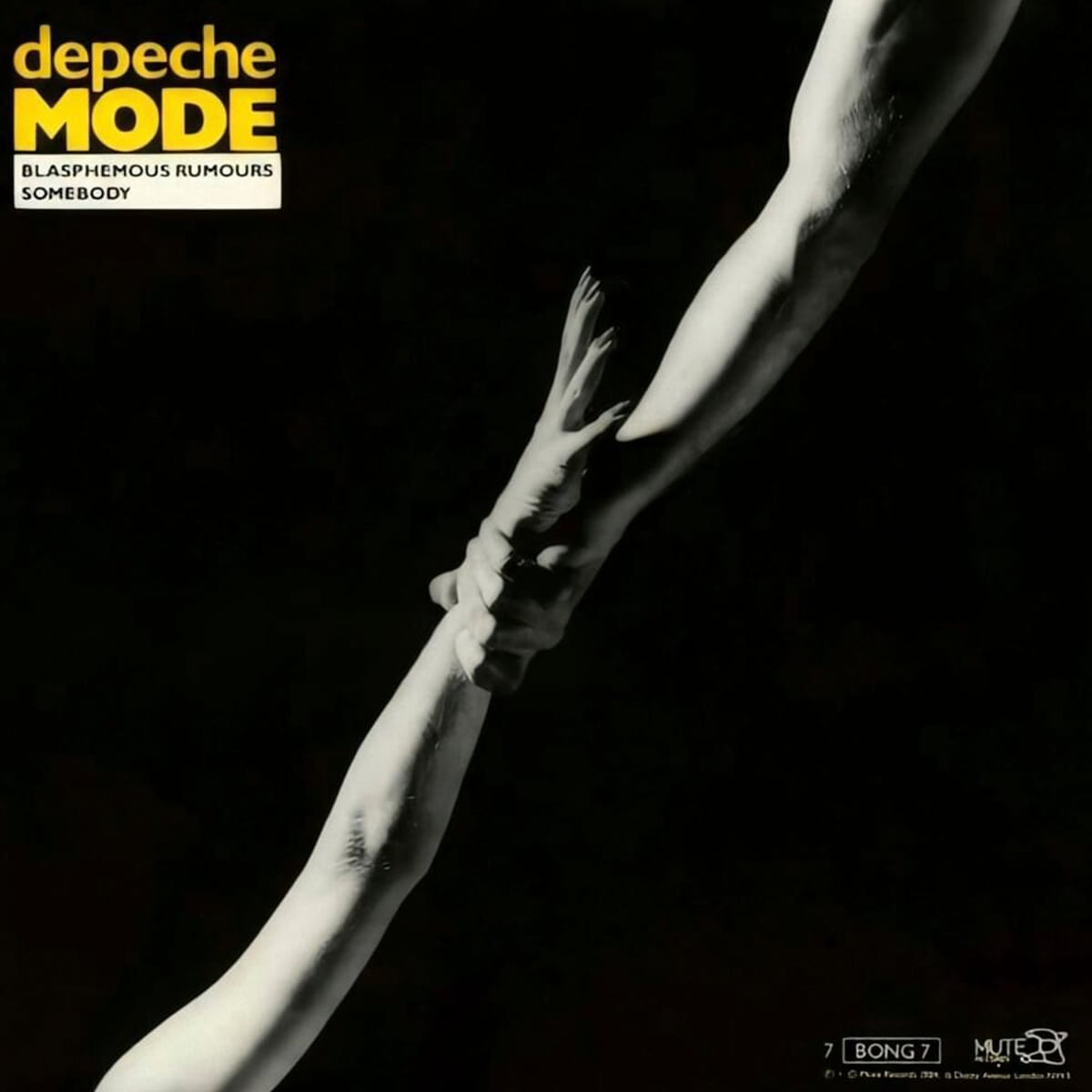
Release Date: October 1984 | Producer: Depeche Mode, Daniel Miller, and Gareth Jones | Label: Mute
The original synthpop class of 1981 had largely floundered into irrelevancy or hit serious creative stagnation by the latter months of ’84. Yet, Basildon’s finest Depeche Mode trooped on, dark horse Martin Gore filling the lyrical vacancy after original songwriter Vince Clarke had scarpered not long after debut album Speak & Spell.
With a new creative steer came a darker shroud over their former sugar pop, arriving in good time in tandem with the emerging gothic and alternative hits lurking in the gloomier corners of the dancefloor.
While Black Celebration would be the definitive mark of their mature sound, potent hints radiated off Some Great Reward’s ‘Blasphemous Rumours’ / ‘Somebody’, the former a mordant overview of life’s cruel ironies via God’s “sick sense of humour”, and the latter a love ballad so tender that Gore reportedly sang the number naked in Berlin’s Hansa Studio.
Soft Cell – ‘Tainted Love / ‘Where Did Our Love Go’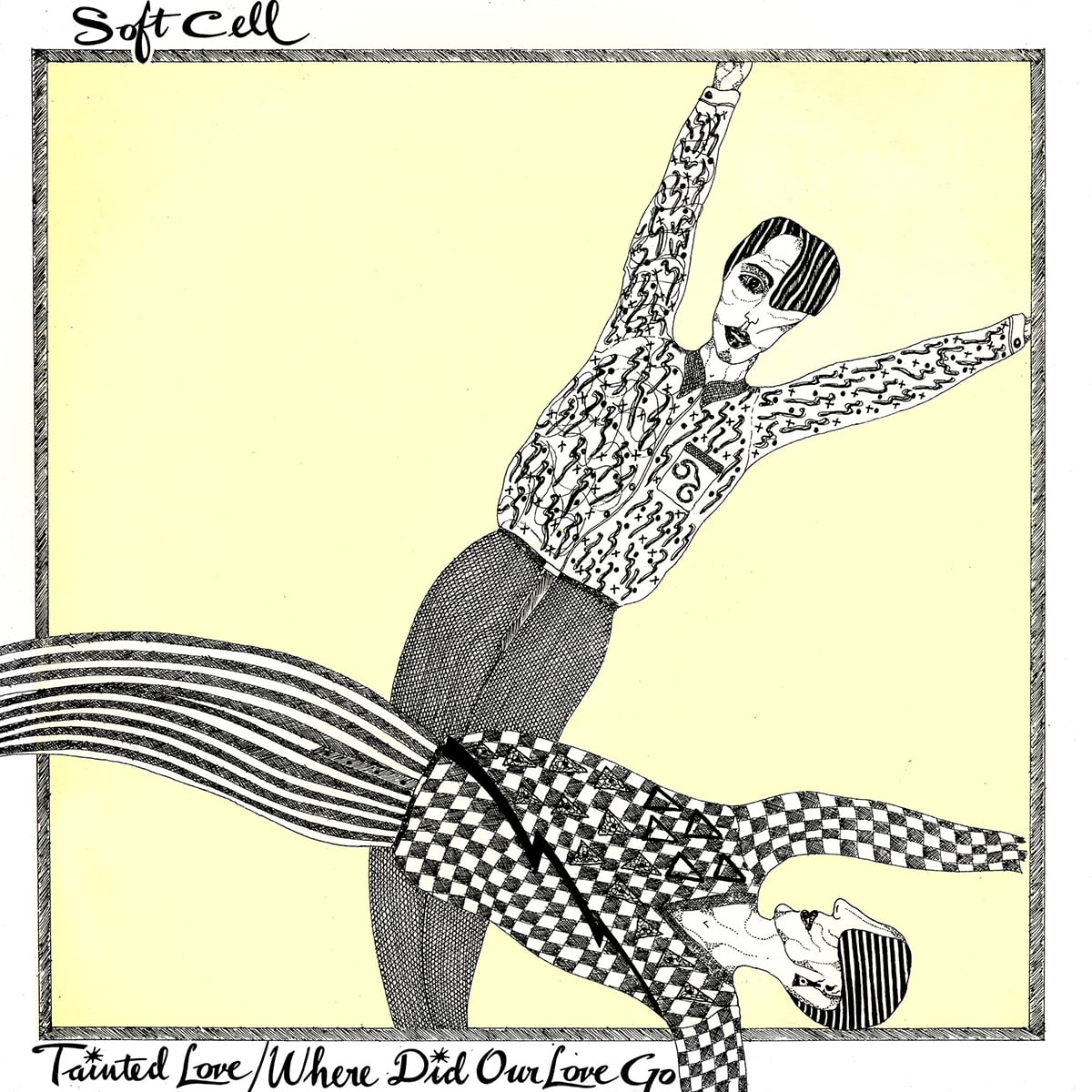
Release Date: July 1981 | Producer: Mike Thorne | Label: Some Bizarre
There was always something far indebted to the 1960s over their peers’ futurist automatons Soft Cell were compared to, but the synthpop class of ‘81, they certainly were. Leaning more toward a grubby underground dance sound over chilly synth post-punk, Dave Ball’s warm and decadent electronic arrangements and Marc Almond’s powerful vocal bellow marked a distinct character amid the polyphonic synths seizing the charts.
They can’t have possibly known they had such a big hit on their hands, however. Dropped four months ahead of their Non-Stop Erotic Cabaret debut, a cover of Gloria Jones’ 1965 northern soul stomper ‘Tainted Love’ by way of Ruth Swann’s rendition ten years later would suddenly pull the two unheards straight on to Top of the Pops as a surprise number-one winner.
Released with a take on The Supremes’ ‘Where Did Our Love Go’, the two plucks from yesteryear served as a perfect gateway into Soft Cell’s romantic and strangely nostalgic world, sonically shared with that all-important ‘bink bink’ percussion courtesy of producer Mike Thorne’s delayed Synare S3X electronic drums.
The Stone Roses – ‘Fools Gold’ / ‘What the World Is Waiting For’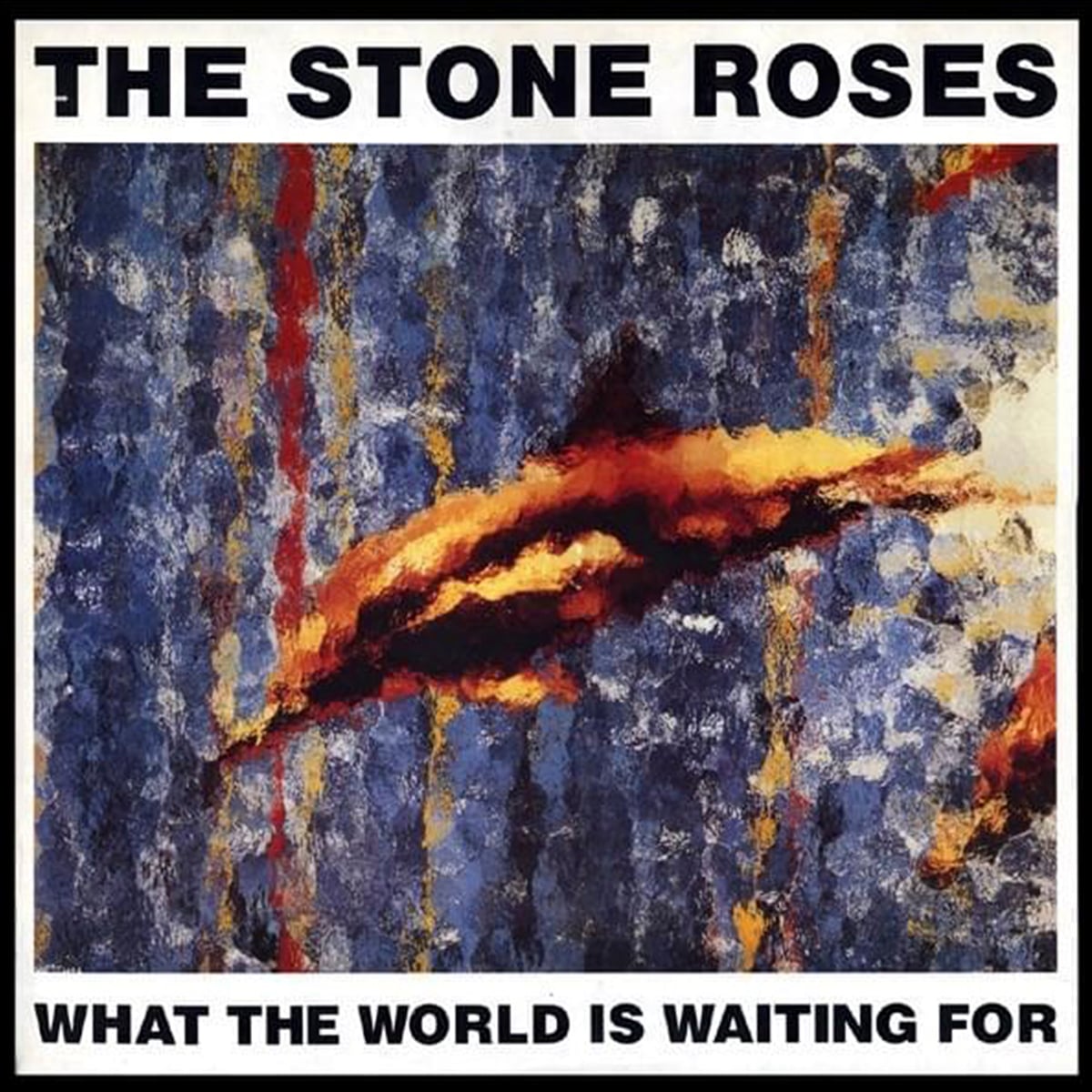
Release Date: November 1989 | Producer: John Leckie | Label: Silvertone
It wasn’t that long ago that Manchester deities The Stone Roses were swirling around in a post-punk garage attack that, while underrated, was never going to mark them out from the superior likes of The Chameleons or even The Cult.
Then, whatever was in the Mancunian air by the late 1980s, The Stone Roses’ sound got looser, baggier, and filled with psychedelic washes and John Squire’s distinctive guitar jangle that splashed across the swaggering haze just like 1989’s eponymous debut’s Pollock-inspired drip paint cover.
Six months later, The Stone Roses arguably conjured their finest hour by bottling the chromatic cool and pulling all cultural attention away from London in the forms of ‘Fools Gold’ / ‘What the World Is Waiting For’, flexing the band’s two dimensions immaculately, one an infectious jam of propsulsive groove and the other a strident slice of indie at its most stirring, fronted as ever by Ian Brown’s nonchalant command.
The Specials – ‘A Message to You Rudy’ / ‘Nite Klub’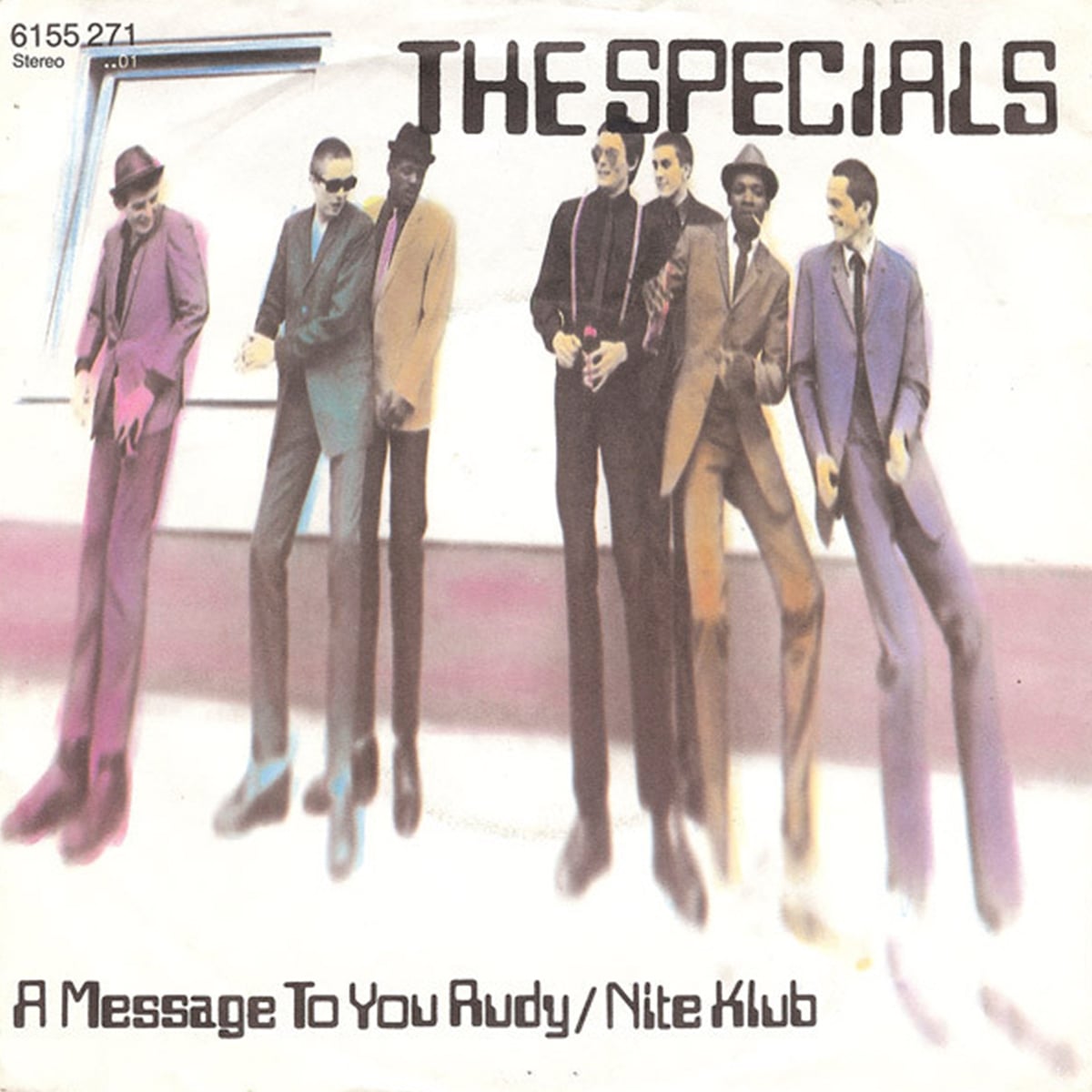
Release Date: October 1979 | Producer: Elvis Costello | Label: 2 Tone
Just like fellow ska revivalist Madness’ takes on Prince Buster and Labi Siffre, somehow The Specials were able to reach into the old rocksteady hits and make them entirely their own.
Case in point was ‘A Message to You Rudy’. Taking a stab at Dandy Livingstone’s original 1967 hit while also recruiting the same trombonist, Rico Rodriguez, The Specials managed to imbue the easy skank with a strange reflection of the listless ennui hovering over the youth as the political winds were changing for the worse across the country.
Backed by ‘Nite Klub’s sticky floor, if lyrically dated, bounce, The Specials’ second single twofer provided the ska explosion, scoring an insecure UK youth one of its most essential standards.
Nirvana – ‘All Apologies’ / ‘Rape Me’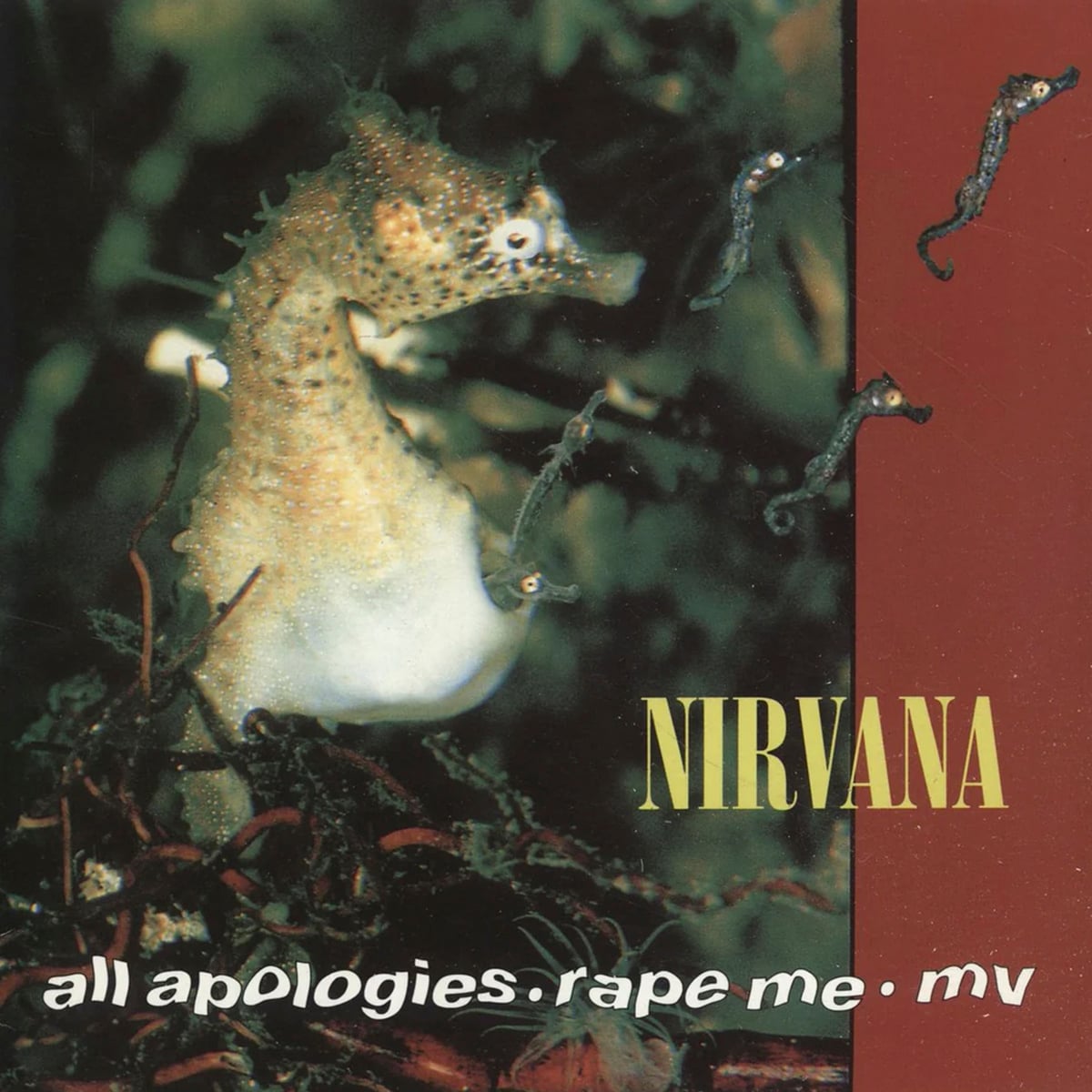
Release Date: December 1993 | Producer: Steve Albini | Label: DGC
Pressures couldn’t have been any higher on Seattle’s little Beatles-obsessed punk band when the world was awaiting the mammoth Nevermind’s LP follow-up.
Eager to avoid their breakthrough sophomore’s beefy radio polish, Nirvana frontman Kurt Cobain decided to pursue a schizoid approach to 1993’s In Utero, veering between confrontational alternative rock in the truest sense, and sweet indie melodies not a million miles away from his beloved REM.
Such a schism was illustrated starkly on In Utero’s second single, ‘Rape Me’, which was a terse and disquieting lyrical excoriation against said sexual assault, swelling to a blistering ball of feminist rage, and ‘All Apologies’ stood as the album’s beautiful coda, exploring the pleasant contentment that comes with family stability, a yearning Cobain had chased all his life in the aftermath of his parents’ divorce.
The Rolling Stones – ‘Let’s Spend the Night Together’ / ‘Ruby Tuesday’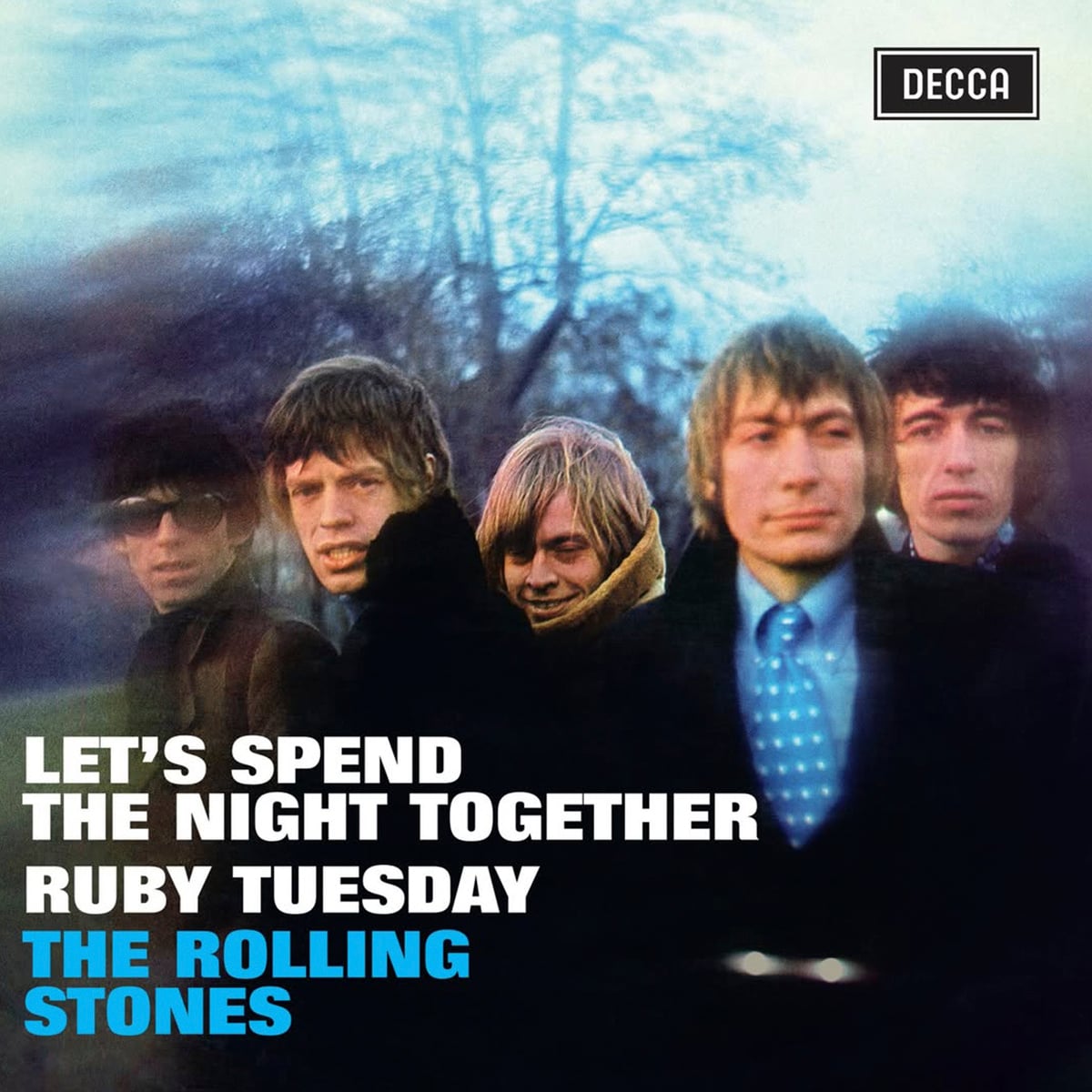
Release Date: January 1967 | Producer: Andrew Loog Oldham | Label: Decca
While they weren’t quite an album’s band yet, The Rolling Stones were already able to muster some of the 1960s’ most essential singles, having scored the burgeoning youthquake counterculture on both sides of the Atlantic with an infinitely more dangerous and alluring sexuality than those nice Fab Four boys.
Ever eager to twist conservative knickers, the unstoppable Mick Jagger and Keith Richards songwriting magic wrested the amorous ‘Let’s Spend the Night Together’ from their glittering lyrical ether, ensuring another reason why mum and dad rued the day their little darlings came home with a stack of Stones 7-inches.
Yet, standing A-side shoulder to shoulder was the whimsical ‘Ruby Tuesday’, a gorgeous ode to Richards’ then girlfriend Linda Keith that could have been just as easily gifted to any popstar of the day, à la Marianne Faithfull’s ‘As Tears Go By’.
Queen – ‘We Are the Champions’ / ‘We Will Rock You’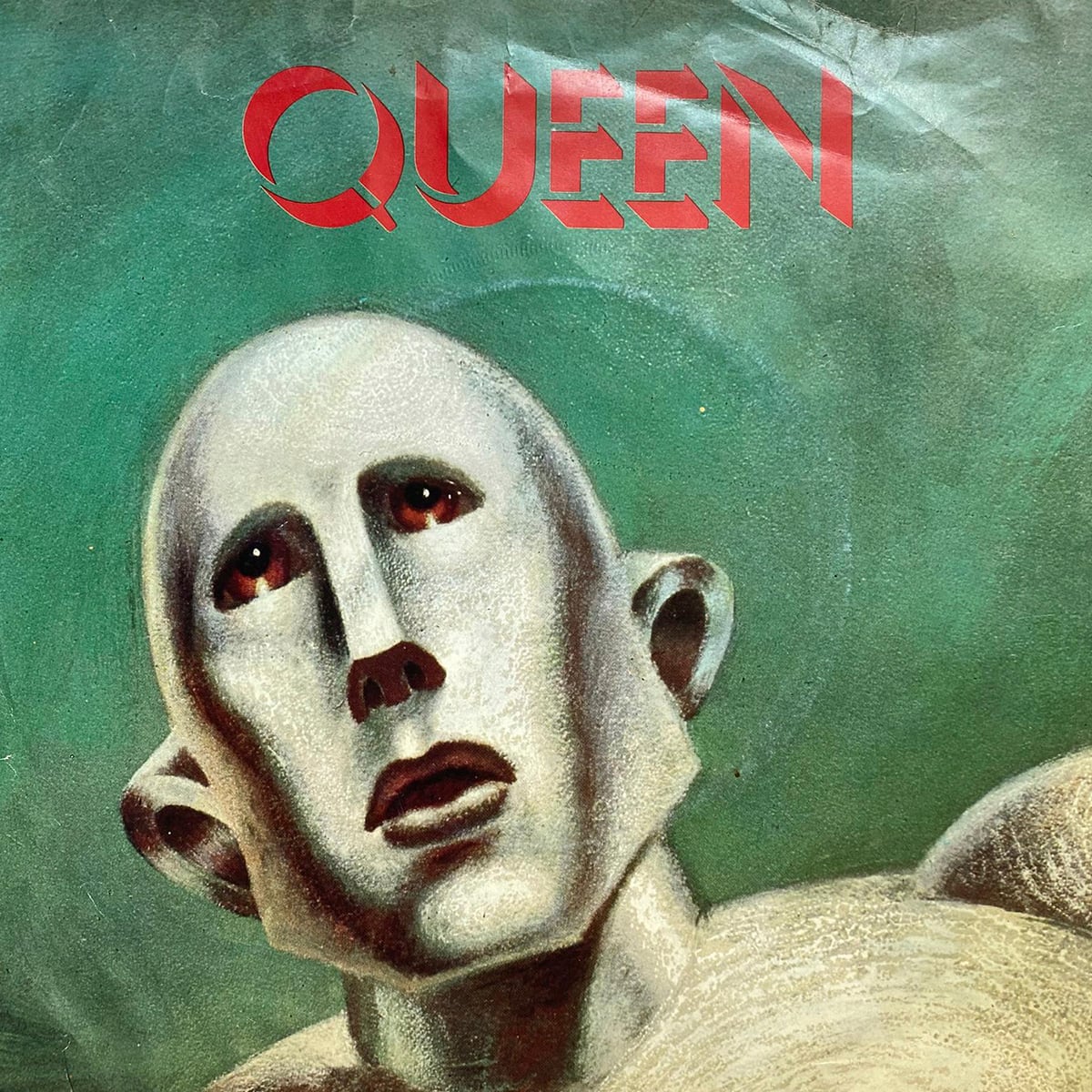
Release Date: October 1977 | Producer: Queen, assisted by Mike ‘Clay’ Stone | Label: EMI
By the late 1970s, classic rock’s near decade-long party finally had its plug pulled when punk’s insurrectionary bulldoze suddenly rendered big lavish productions and arena bluster deathly uncool virtually overnight.
Naturally, Queen were in trouble, yet frontman Freddie Mercury’s ego was too mammoth to ever go down with a fight. Avoiding the multi-layered baroque extravagances and baroque pop of prior records, Queen pursued a leaner and meaner sound for 1977’s News of the World, even spinning a punk pastiche of sorts with ‘Sheer Heart Attack’.
Grand ambition hadn’t quite been given the boot, however. Leading the album as well as serving as its two-song opener, ‘We Are the Champions’ / ‘We Will Rock You’ was everything fans loved about Queen, minus the ornate silliness, all stripped down and focused stir yet charged with their anthemic rousal that would stand as instant classics.
Kraftwerk – ‘Computer Love’ / ‘The Model’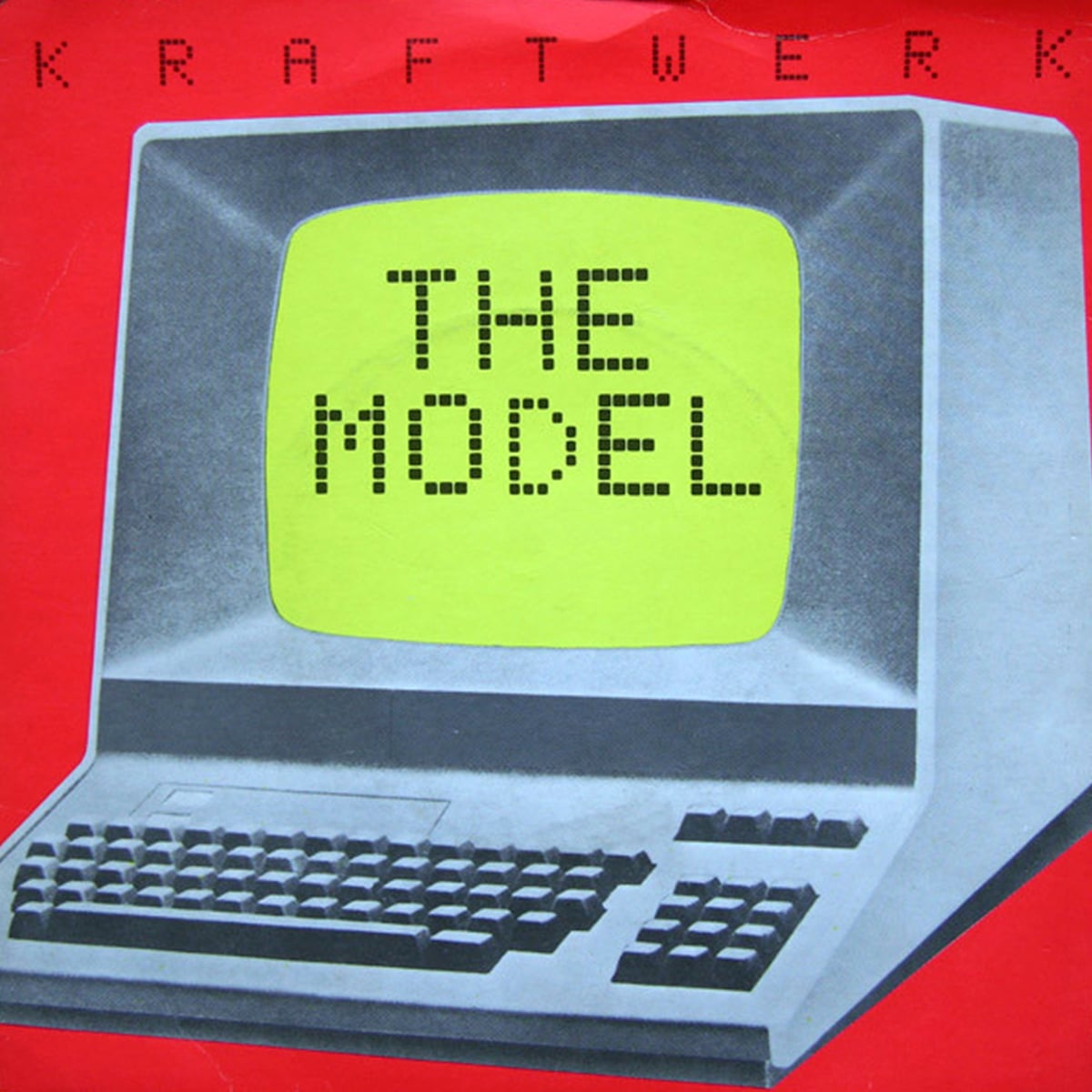
Release Date: December 1981 | Producer: Ralf Hütter and Florian Schneider | Label: EMI
Despite the synthpop explosion that struck the UK charts, Kraftwerk still sounded like the future. Navigating an electronic pop sphere paved by their landmark 1970s LP efforts, the Düsseldorf quartet maintained their unbroken trend of always stepping ahead, both sonically and conceptually, for 1981’s Computer World.
For their fifth official LP, Kraftwerk looked to the emerging world of computers, data, numbers, and information technology to guide its digital direction, immersed in meticulous drum beats and crisper, proto-techno spark.
Computer World’s centrepiece is the sweeping ‘Computer Love’, a stirring electronic exploration on digital intimacy presciently anticipating AI romance a good four-odd decades ago. Initially released in June with The Man Machine’s ‘The Model’ as the B-side, the December re-release would boost their 1978 hit to double A-side status, winning them a UK number-one with a song crafted three years earlier, such was their visionary pop vantage.
Then Beach Boys – ‘Wouldn’t It Be Nice’ / ‘God Only Knows’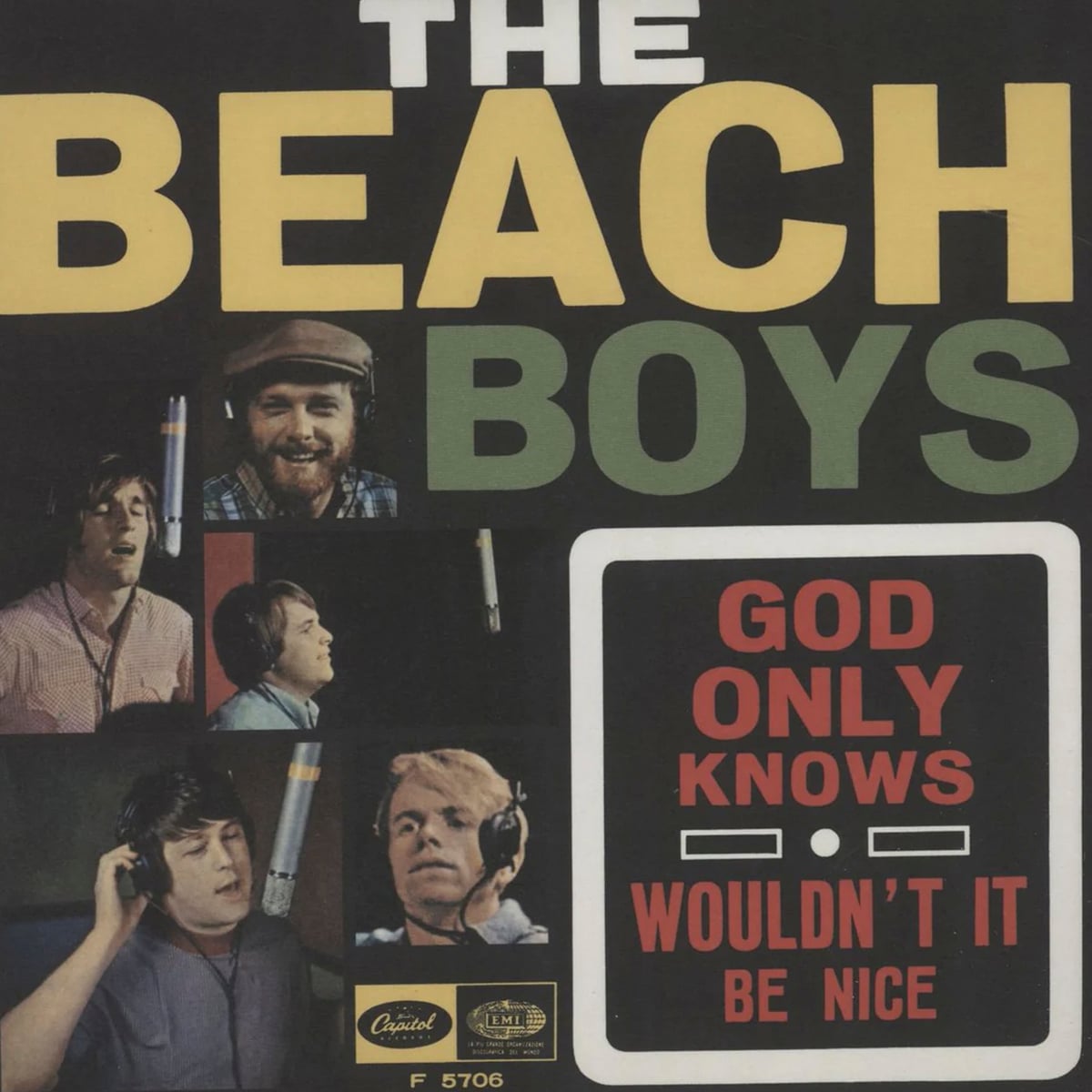
Release Date: July 1966 | Producer: Brian Wilson | Label: Capitol
There was a staggering pace to the California surf group’s output across barely five years, counting as many as ten studio albums and a plethora of singles before The Beach Boys finally arrived at their lauded pop opus.
The path to 1966’s Pet Sounds had been clamoured at by principal songwriter and chief visionary Brian Wilson, lyrically exploring more melancholic pastures away from the surf and hot rod numbers of old, and a passionate love of Phil Spector’s wall of sound production plus the studio’s role as an instrument and canvas would coax some of the 20th century most celestial marvels from the little vocal harmony group.
Remarkably, the last single to come from Pet Sounds, ‘Wouldn’t It Be Nice’ / ‘God Only Knows’ stands aside ‘Good Vibrations’ as The Beach Boys at their most radiantly exquisite, an almost chiming gospel communiqué with a lover or a higher power, supported by Wilson’s rousing stomp of rippling whimsy that opens the record’s enchating beckon.
The Beatles – ‘Penny Lane’ / ‘Strawberry Fields Forever’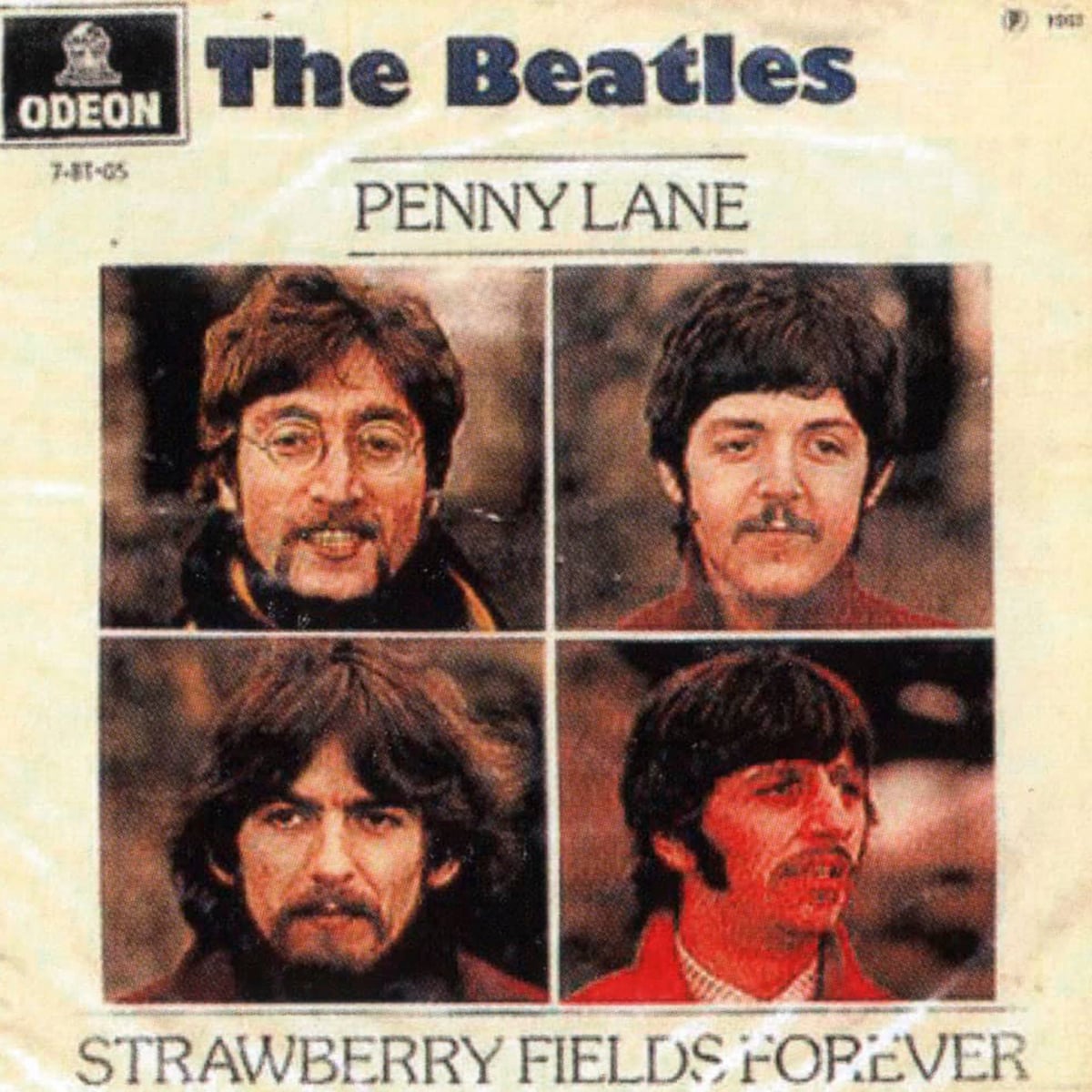
Release Date: February 1967 | Producer: George Martin | Label: Parlophone
Once an exhausted Beatles finally put a stop to their punishing touring schedule and took their first real break in 1966, some in the music press apparently had sniffily suspected the Fab Four were ‘drying up’, noticing the atypical absence of material since Revolver six months earlier.
Behind the EMI Studios’ closed doors, The Beatles were in fact breathing a sigh of relief, free from the road’s burden and liberated to pursue infinitely more imaginative compositions without care for how they’d be translated on stage. Heading to the studio in late 1966, John Lennon and Paul McCartney both possessed pop sketches that reflected their new chase for intrepid creative terrain.
They were both psychedelic gems dwelling in a realm of surrealist nostalgia toward their old Liverpool suburbs. McCartney penned the sprightly ‘Penny Lane’, a kind of multi-coloured Busytown interpretation of the Mossley Hill street, and Lennon’s ruminative ‘Strawberry Fields Forever’, a swaddling retreat of shimmering childhood fancy that adds a deeply personal reverie to the otherwise lysergic wander.
Dropped early 1967 as the Summer of Love slowly began to rise above the West’s cultural hinterland, ‘Penny Lane’ / ‘Strawberry Fields Forever’ heralded the arrival of The Beatles’ artistic Mk II, two gems of dazzling ingenuity which set the sonic stage for Sgt Pepper’s Lonely Hearts Club Band’s kaleidoscopic grab for immortal rock and pop cornerstone.