
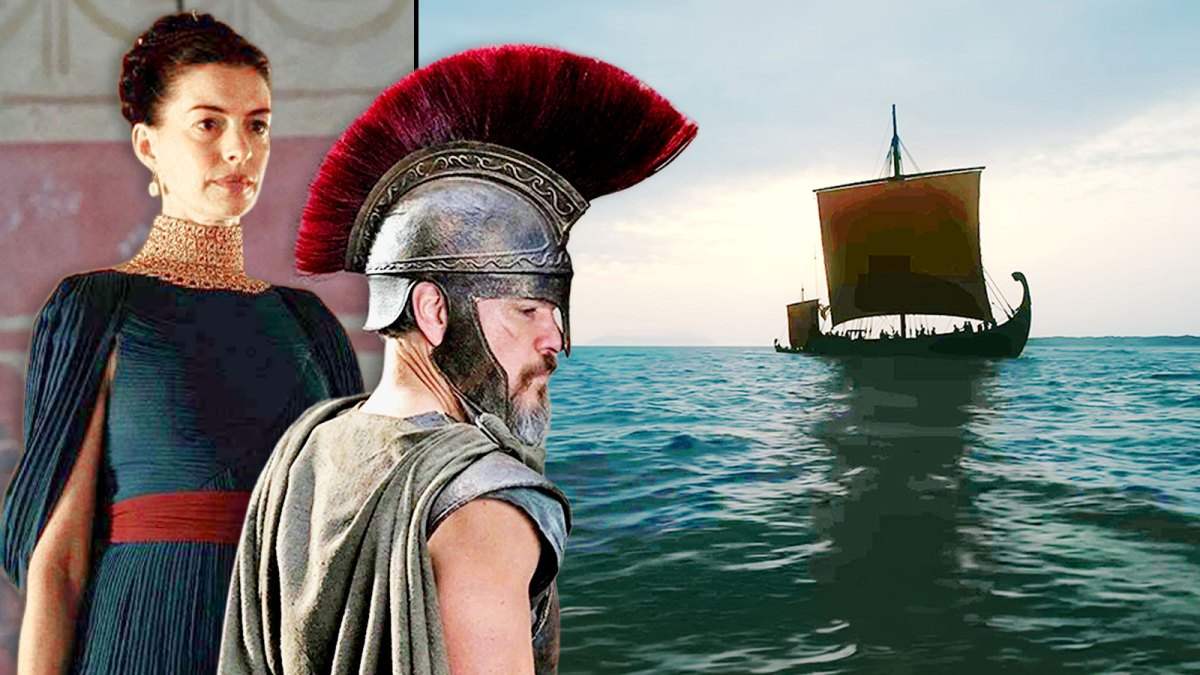
It may be months away from release, but Christopher Nolan’s The Odyssey has provoked the ire of historians, who have clashed over “unrealistic” portrayals of ancient Greece.
The forthcoming film adaptation of Homer’s epic poem has an ensemble cast that includes Anne Hathaway, Zendaya, Charlize Theron and Robert Pattinson. It follows the Ithacan king Odysseus, played by Matt Damon, and his soldiers on their perilous journey home after the siege of Troy.
However, critics have said that Nolan’s costume and set designs misrepresent ancient Greek history and detract from important aspects of the story.
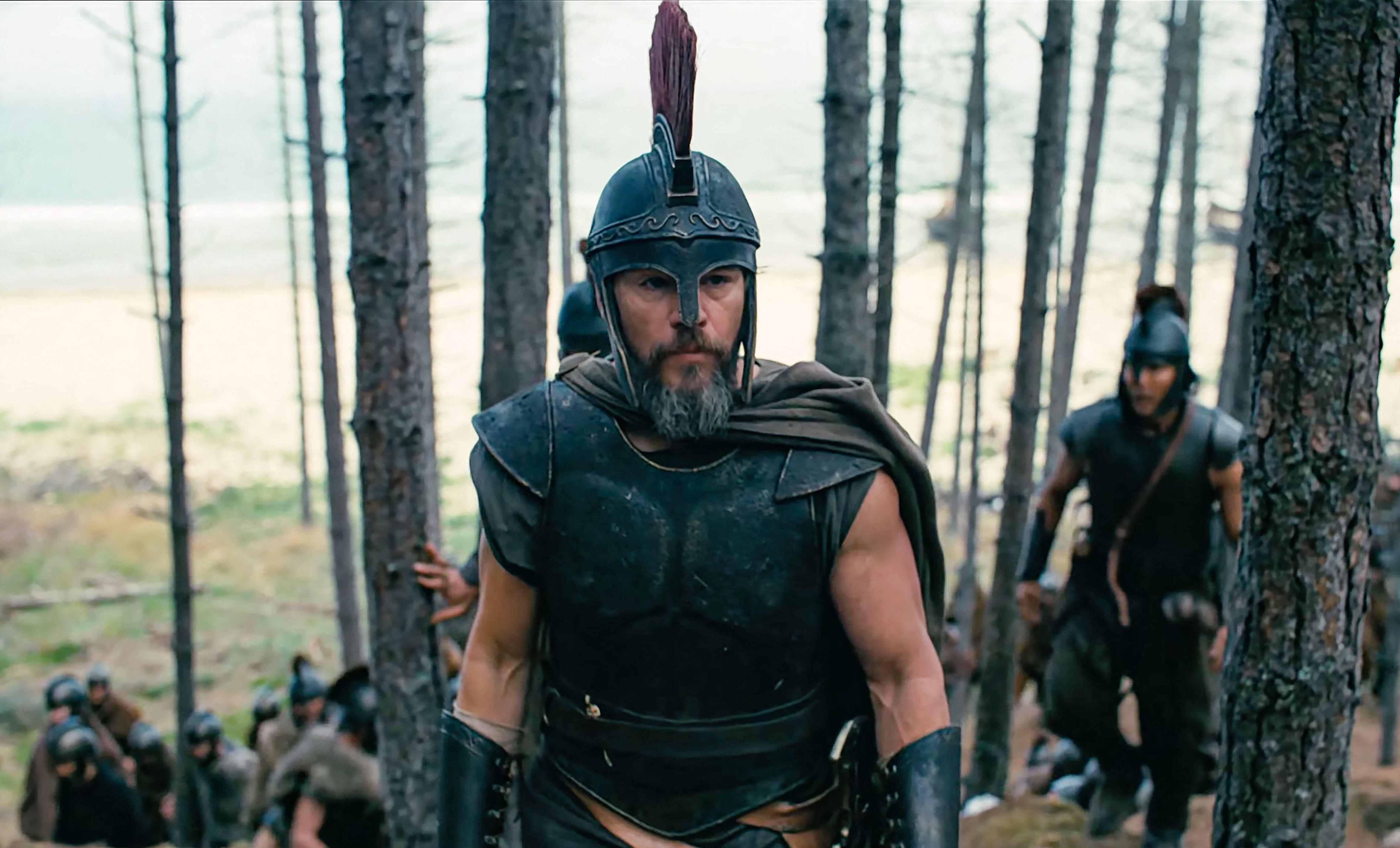
In a two-minute trailer for the film, set in the 12th century BC, Damon is wearing a Spartan-style helmet with red plumes and a cape. Benny Safdie, who plays Agamemnon, the king of Mycenae, sports a matt black chest plate and a helmet decorated with a golden bone-like ridge.
Contemporary Mycenaean military equipment is believed to have been both brighter and more rudimentary. The finest armour set excavated from that period is a bulky bronze shell known as the Dendra panoply.
“Iron armour did not exist — full stop — in Greece in 1184[BC],” said Bret Devereaux, a military historian and an assistant professor at North Carolina State University. “The black Agamemnon armour is a great example: it’s just made up. Vaguely Greek-looking but not based on anything. Odysseus’s armour is evocative of classical armour. Nothing is quite on target.”

He added: “We’re repeatedly told by the sources, the kind of opponent that was intimidating was one whose armour gleamed and shone. Odysseus’s equipment should be bronzed, bright and shining.”
However, Homer did not offer a consistent description of the weapons or clothes worn by the characters in his poetry.
In Robert Fagles’s translation of The Iliad, Odysseus is given a protective headpiece “made of leather” with “the gleaming teeth of a white-tusked boar” stitched to it. Elsewhere, helmets are instead decorated with horse hair and described as “flashing”.
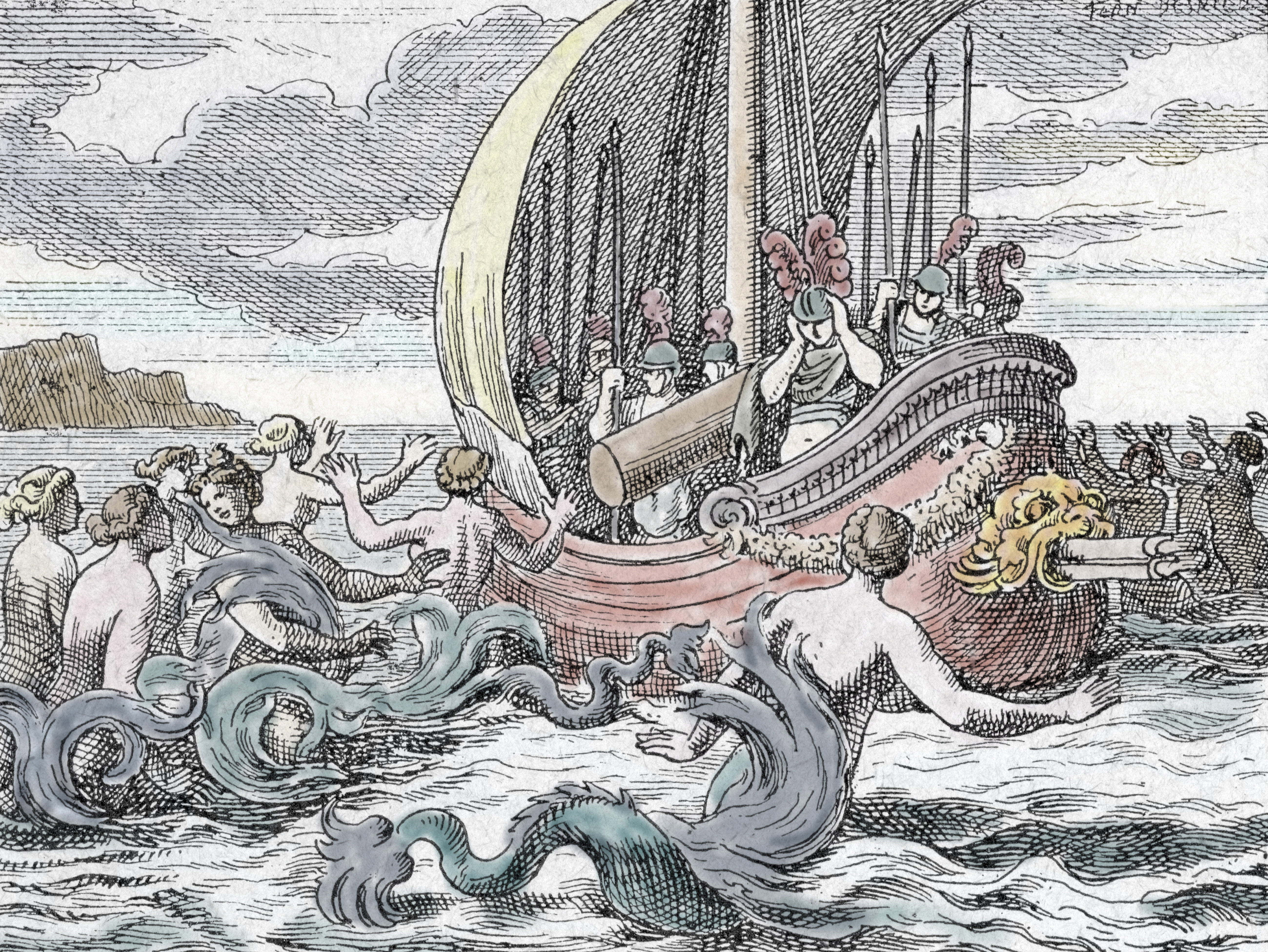
Odysseus attempts to resist the lure of the sirens’ songs. The engraving is from My Beautiful Mythological Tales by HS Bres, published in the 1920s
GETTY IMAGES
Since it was written about 500 years after the period in which it was set, inauthentic military fashion has been part of The Odyssey’s story from the moment it was written, argues Devereaux.
“Homer’s heroes have been depicted in anachronistic armour since antiquity,” he said. “Even by Homer’s day the Greeks didn’t really know what a warrior of the late Bronze Age looked like. So by the late archaic or classical period, they depicted their heroes armoured like contemporary warriors.”
These historical mixed messages, as well as the expectation of the general public for impressive plate armour, put costume designers in a difficult position.
“There are certain demands from the audience now for more of a fantastic view of periods. Bridgerton is probably the best example,” said Chris Garlick, company manager at Cosprop, a period costume company.
• The next Oppenheimer? Christopher Nolan’s new film is selling out already
“On a day-to-day basis we try to juggle that. We have the expertise to do things accurately but we are aware that directors and producers want to push things in a slightly different direction,” he said.
“Designers have had to accept there is this trend. There have been times in the past where there was a wave like this — it swings from authenticity to the way we are now, which is pushing things.”
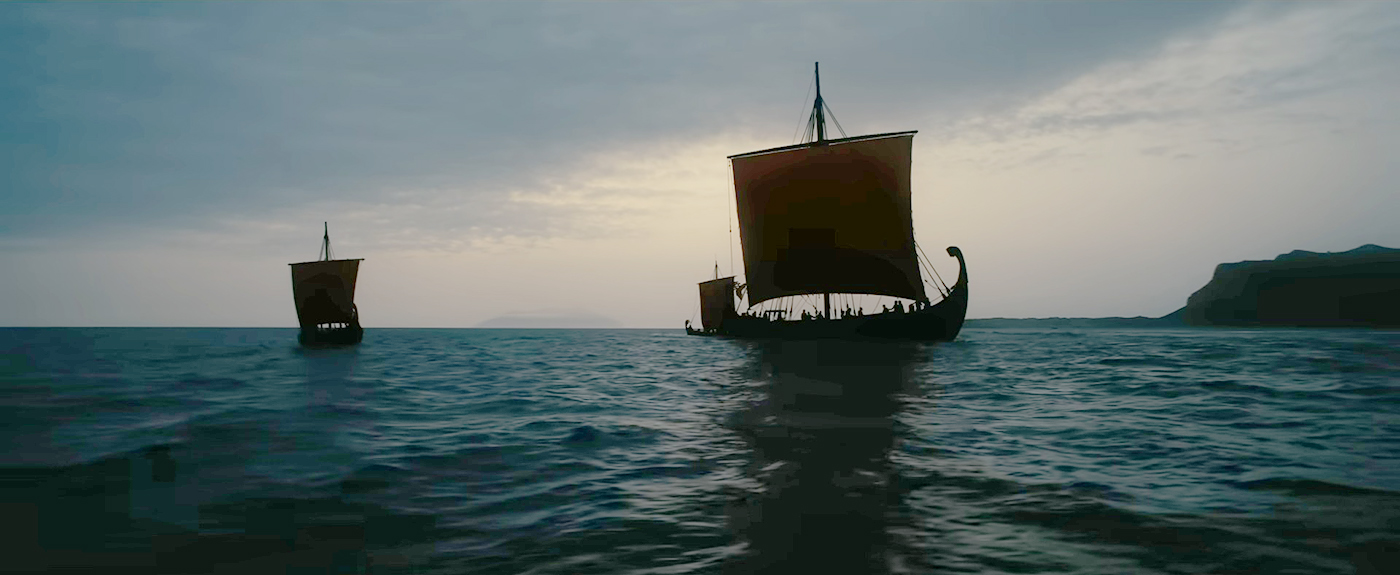
Viewers have also been upset by some of The Odyssey’s sets. Odysseus and his crew appear to travel in Viking-style longships, rather than Greek galleys built for ramming, online critics pointed out.
• What Matt Damon loved about Scotland while filming The Odyssey
Strict adherence to the archaeological record might be superfluous for a story that features undead soldiers, gods and a 20-foot Cyclops.
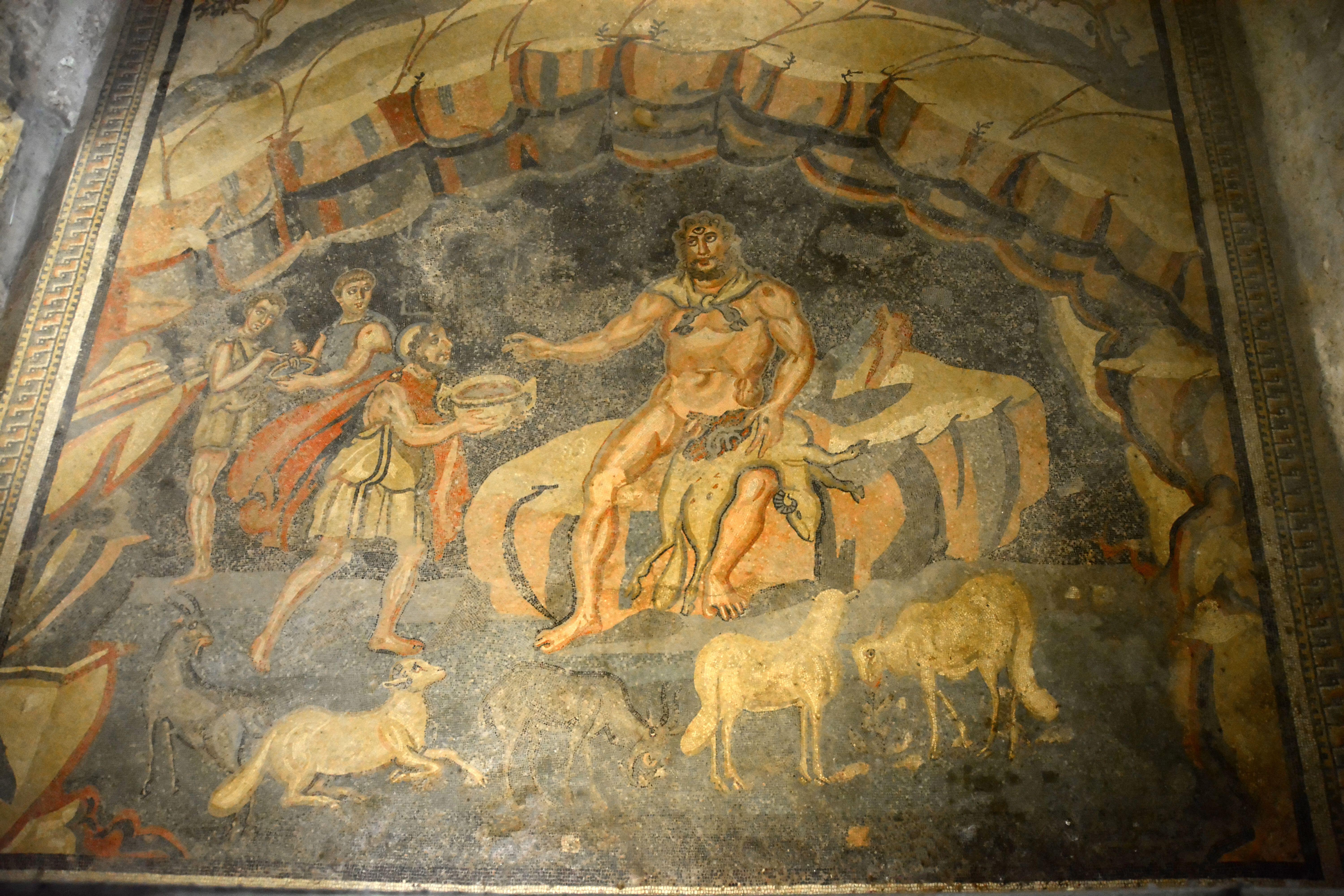
A Roman mosaic depicts Odysseus getting the Cyclops giant Polyphemus drunk in his cave
ALAMY
“These are myths. There is no accurate version of Odysseus’s life because he didn’t exist,” said Tom Holland, a classical historian and the co-host of The Rest is History podcast. “I honestly think an impressionist take on ancient history is much, much better than a painstaking attempt to get every historical detail right, because it’s impossible.
“The worst film ever made about the ancient world was Troy, in which they tried to make it historically accurate despite the fact it never happened. There is nothing madder than trying to make a myth historically accurate, it’s a complete waste of effort.
“Whereas the best film made about ancient Greece was 300, in which Spartans rush around in very tight Speedos, which they definitely didn’t do. But it’s much more authentic because you get a sense of the brutality and carnivorous nature of Spartan society much more effectively in that film.”
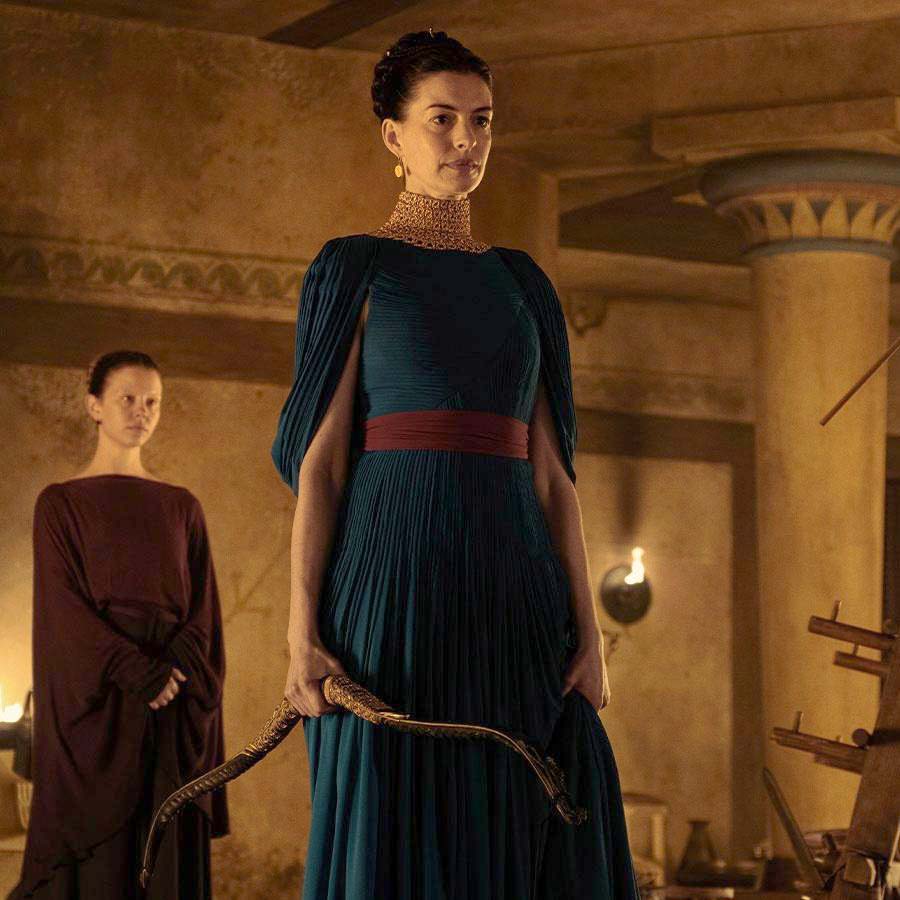
Mia Goth and Anne Hathaway in the film
Nolan’s epic is far from the first historical film to deviate from canon. Sir Ridley Scott was particularly criticised for the creative licence he took with Roman history — including rhino-riding gladiators and sharks swimming around the Colosseum — in Gladiator II.
After the historian Dan Snow criticised promotional material for Scott’s film Napoleon, the director hit back. “When I have issues with historians, I ask: ‘Excuse me, mate, were you there? No? Well, shut up, then.’”