
The new weekly payment rates have been announced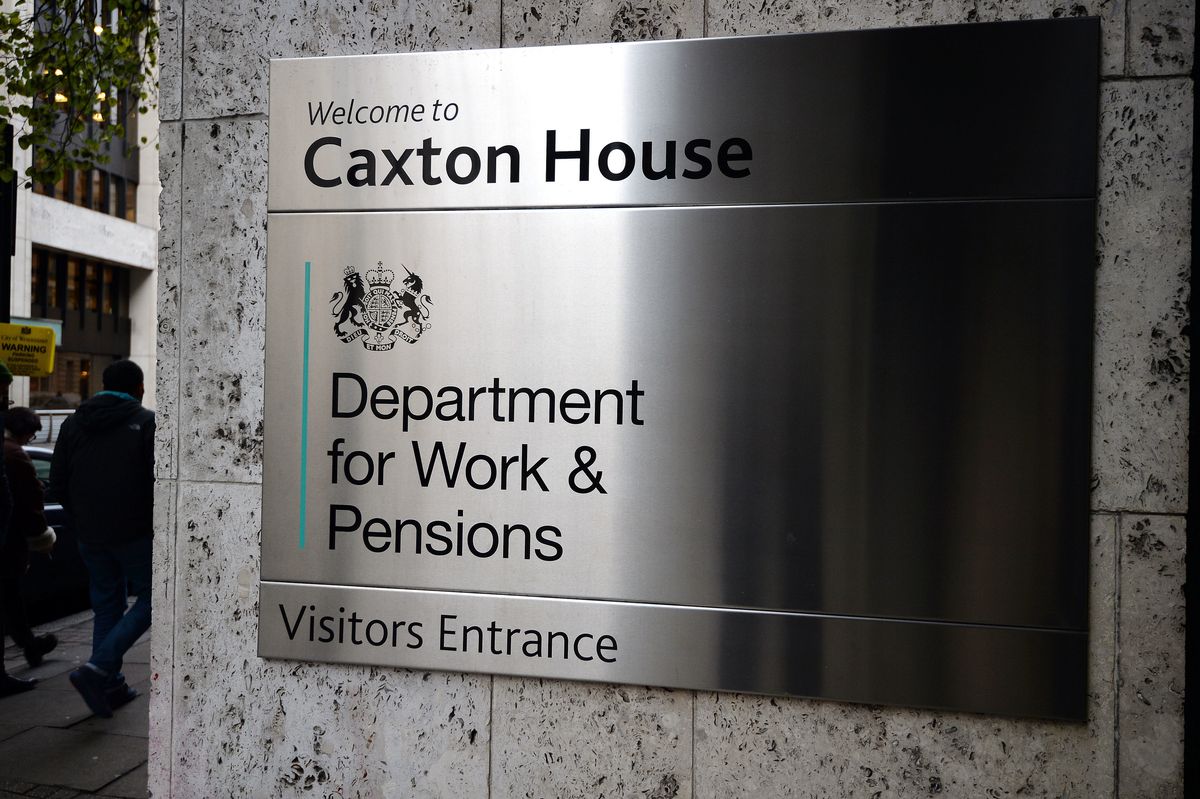
Department for Work & Pensions (Image: PA)
The Department for Work and Pensions (DWP) has announced an update ahead of an increase in payments this April. Nearly 13 million older people on the State Pension will see payments rise by 4.8 per cent from April 6 while those on working age or disability benefits can expect an uplift of 3.8 per cent.
The new weekly payment rates have been announced for people in receipt of the State Pension or benefits, reports the Daily Record. The payment rates had previously been in a “proposed” state on GOV.UK, which meant they could have changed before the start of the new financial year, but all rates have now been confirmed.
From April 2026, the new Universal Credit Act 2025 will see the Standard Allowance increase by around £295 a year for a single person aged 25 or over and around £465 for couples, where one is aged 25 or over.
DWP figures released on Tuesday show there are now 8.34 million people claiming Universal Credit. An estimated 23 million people across Great Britain are in receipt of at least one benefit – important to remember that the State Pension is classed as a “contributory benefit”.
Additional State Pension payment elements will rise by 3.8 per cent while the Standard Minimum Guarantee in Pension Credit will increase by 4.8 per cent – in line with the increase in average earnings. From April, it will be £238.00 a week for a single pensioner and £363.25 a week for a couple.
In England and Wales, Personal Independence Payment (PIP) and other benefits to help with additional needs arising from disability, and the rate of Carer’s Allowance, will also increase by 3.8 per cent.
It’s important to be aware that in Scotland, these are devolved matters and the annual uprating for all 17 benefits can be found here.
People on devolved benefits such as Adult, Child or Pension Age Disability Payment, Carer Support Payment or Scottish Adult Disability Living Allowance, will also see payments rise by 3.8 per cent.
All social security, including State Pensions, is a transferred matter in Northern Ireland.
Annual uprating letters are sent out to all claimants before the new payment rates start in April, letting people know about the changes – it’s important to keep this somewhere safe as it can often be used as proof of benefit entitlement when applying for other streams of financial support.
New DWP payment rates 2026/27
Weekly rates are shown, unless otherwise stated and have been listed in alphabetical order to make it easier to find the payment relevant to your own situation. A full breakdown of all benefits, including additional payments, the benefit cap and new deduction rates can be found on GOV.UK.
Attendance AllowanceHigher rate: £114.60 (from £110.40)Lower rate: £76.70 (from £73.90)Carer’s AllowanceApril 2026 weekly payment rate: £86.45 (from £83.30)Weekly earnings threshold: £204.00 (from £196.00)Disability Living Allowance
Daily Care component
Highest: £114.60 (from £110.40)Middle: £76.70 (from £73.90)Lowest: £30.30 (from £29.20)
Mobility component
Higher: £77.05 (from £80.00)Lower: £30.30 (from £29.20)Contributory and New Style Employment and Support Allowance (ESA)Single, under 25: £75.65 (from £72.90)Single, 25 or over: £95.55 (from £92.05)Lone parent, under 18: £95.55 (from £72.90)Lone parent, over 18: £92.05 (from £92.05)Couple, both under 18: £75.65 from (72.90)Couple, both under 18 with child: £111.35 (from £110.15)Couple, both under 18 (main phase): £95.55 (from £92.05)Couple, both under 18 with child (main phase): £150.15 (from £144.65)Couple, both over 18: £150.15 (from £144.65)
Full details on amounts for mixed age households and premiums can be found on GOV.UK.