
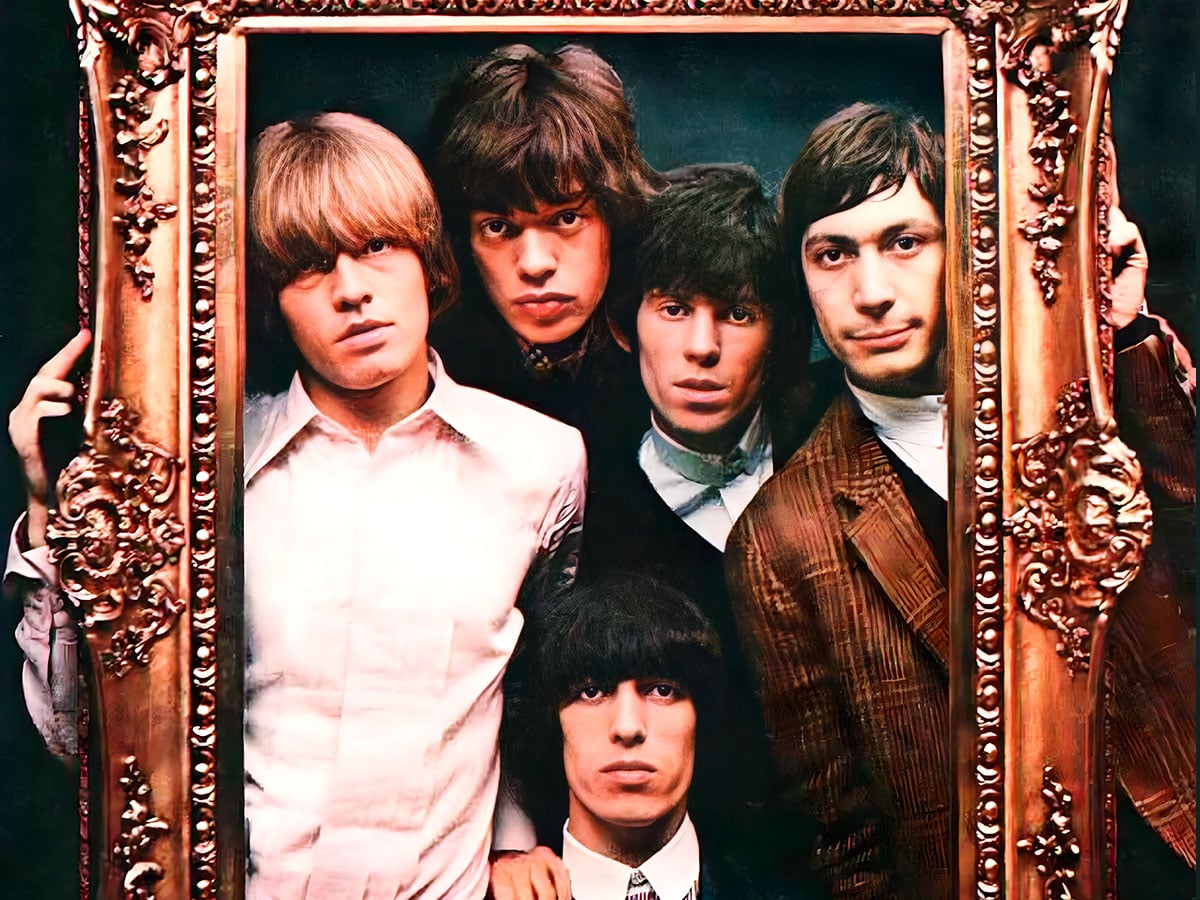
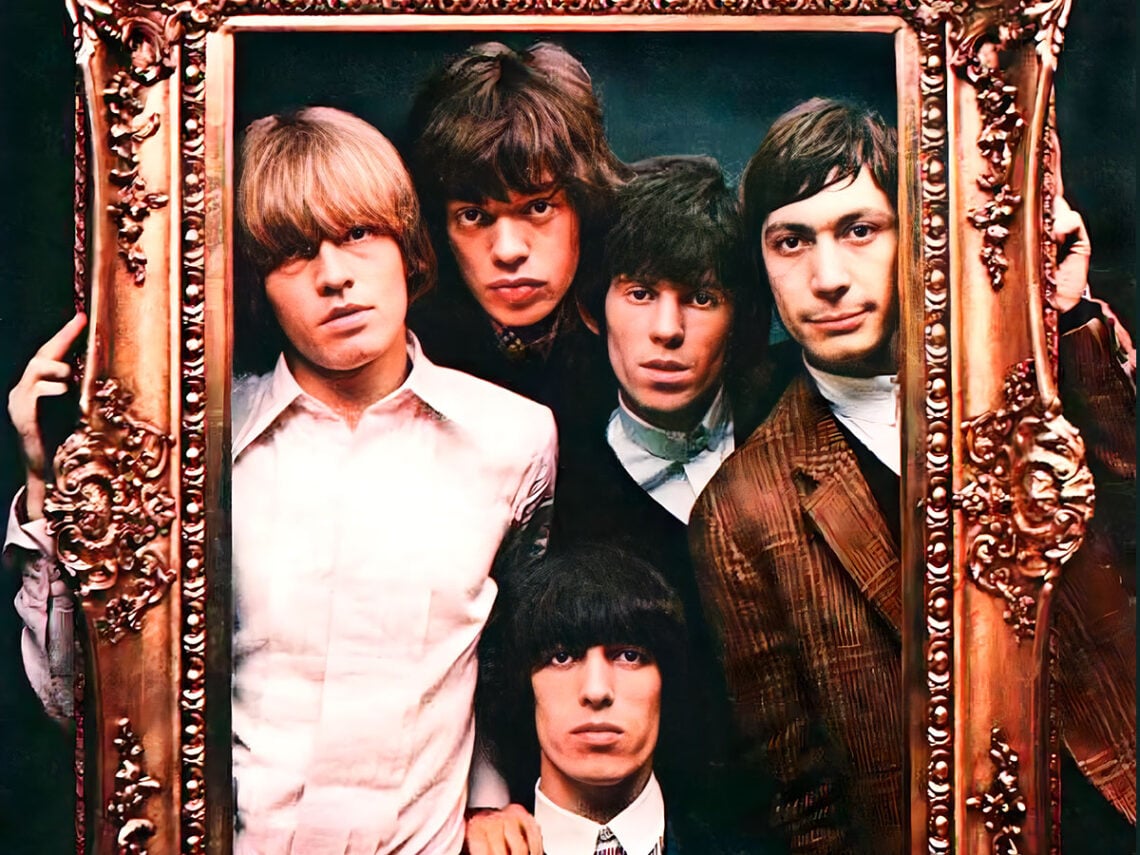
(Credits: Bent Rej)
Fri 20 February 2026 16:30, UK
1967 was a tumultuous year for The Rolling Stones.
It was for the world. Across London’s swinging sixties era to the US West Coast’s Summer of Love, social upheaval exploded from the day’s countercultural underground, expressed in a plume of sexual liberation, chemical experimentation, and a political challenge to the yawning generation gap between the youth and the establishment.
Such a dramatic shift was a chapter that The Stones stood at the centre of while also navigating a bout of creative identity crisis. Healthy levels of youthquake rebellion and keen consumption of the drugs on offer were their element, landing square in the prurient headspace of the day’s tabloid fascination with the new hippies and their degenerate lifestyles.
Yet, The Stones were not in their comfort zone with the emerging psychedelia. Too wedded to the country and blues of Americana’s yesteryear, pop’s lysergic expanses, fuelled by studio wizardry and buckets of LSD, yielded patchier results than their Fab Four counterparts’ contributions to the trippy rock soundtracks unveiling new cosmic terrain in the charts that year.
The first flickers of The Stones’ flirtation with psychedelia would be teased with ‘We Love You’. Dropped in August as a stand-alone single, the bristling cut flexed a strange new brew from the band, lifting ‘Have You Seen Your Mother, Baby, Standing in the Shadow?’s hurried piano with extra Mellotron washes and their continued fascination with Middle-Eastern arrangements, plus backing vocals from John Lennon and Paul McCartney. The urgent air of panic was no accident. When cut at London’s Olympic across June, it was feared the long arm of the UK law was finally about to pull the plug on their notorious partying.
“That’s jail to me,” guitarist Keith Richards reflected to Uncut in 2025 on ‘We Love You’s standing. “We were on bail. We thought we were going to go to jail, basically. It was kind of like a last fling before the jail doors started slamming. We thought, ‘Well, you know, we won’t be doing this for a while.’ That was a really low point because we figured they’d really nailed us. And that was kinda going to be our last tune for a while.”
Four months before ‘We Love You’s recording, The Stones had become embroiled in a scandal amid the sensational moral panic over the drug use prevalent across rock and pop. Following a tip-off from the News of the World, an 18-officer squad led by Detective Sergeant Norman Pilcher – an especially zealous crusader against the hippy counterculture – raided Richards’ Redlands residence on 12th February and subsequently charged Richards, Stones frontman Mick Jagger, and their art dealer associate Robert Fraser with drug offences.
This wasn’t a slap on the wrist. The state sought to clamp down hard on The Stones’ subversive hedonism and pushed for some solid jail time to send a message to their peers. Across brief spells in Brixton Prison and Wormwood Scrubs, and a run of trials and appeals, a surprise support from The Times managed to sway popular opinion in support of the trio, eventually resulting in overturned sentences and a last-minute reprieve from a grim stint behind bars.
‘We Love You’, while not standing among The Stones’ Grade-A material, serves as a potent time capsule of the strife surrounding the band’s countercultural heyday, sonically paving the way for The Stones’ only full-LP dive into psychedelia with December’s Their Satanic Majesties Request. The gang would go on to grow further as one of the most enduring bands of rock history, while Pilcher’s police career would be dashed in disgrace five years later, resigning from the force and sentenced to four years’ imprisonment for perjury.
Legend has it that Lennon made a wry nod to the bent copper with ‘I Am the Walrus’ “semolina pilchard,” a surreal lambast of the infamous Drug Squad captain.