
UK households could be paying up to a few hundred pounds more each year, analysts warn, as furious US President ups global tariffs to 15 per cent
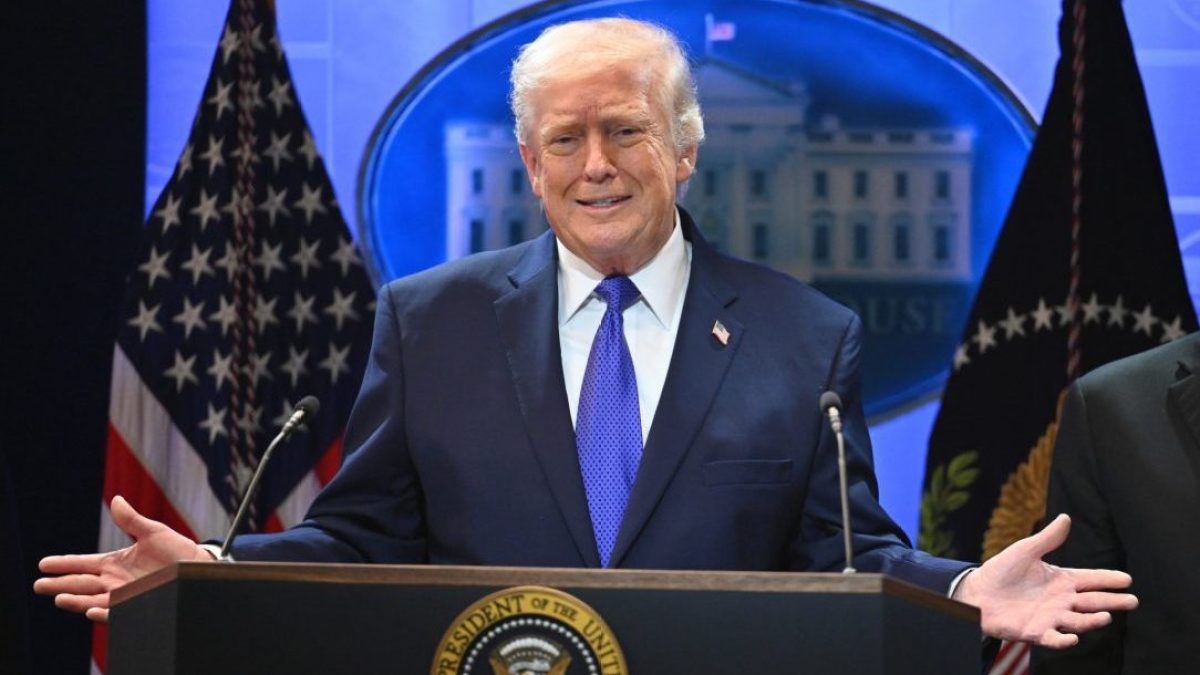
UK exporters and consumers face renewed uncertainty after Donald Trump slapped a 15 per cent global tariff on imports from all countries.
The move bypasses a Supreme Court ruling on Friday that found his broad tariffs unlawful under the International Emergency Economic Powers Act, stating he overstepped his authority without Congress’s approval.
Speaking from the White House, Trump called the ruling “terrible” and insisted there are “great alternatives” to bring in tariffs with other laws.
British businesses could face higher costs, supply-chain disruption, and delayed investment decisions after the US President invoked Section 122 of the 1974 Trade Act, the first time it has been invoked.
The replacement tariff will come into effect from 24 February, and gives the President the power to impose it for 150 days, at which point Congress can grant or refuse their approval.
Yesterday he announced the tariffs would be set at 10 per cent. But in a Truth Social post today, an incensed Trump revised this to a blanket 15 per cent tariff on foreign imports into the US.
By increasing the previous levies, the new tariffs will keep US import costs elevated and prolong uncertainty for UK exporters and their supply chains.
New FeatureIn ShortQuick Stories. Same trusted journalism.
The impact on UK consumers and exporters
A White House official confirmed the baseline 15 per cent levy would also apply to countries which had already struck a trade agreement with the US, which includes the UK.
The latest news seems to have put paid to a hard-won trade deal Starmer struck with the US in May last year, which negotiated our tariff rate down to 10 per cent. If White House guidance from yesterday is correct, this will now be pushed back up to 15 per cent.
This would mean British companies exporting to the US will either have to take the hit to their own finances and absorb the extra tariffs into their prices, or more likely their sales to the US will decrease as the tariffs increase the price of their products for American consumers.
When Trump announced sweeping tariffs in April last year, including a baseline 10 per cent duty on imports from all countries, the impact on the UK was immediate. UK exports to the US fell sharply, with goods exports dropping by more than £2bn in a single month, partly as a result of the tariffs.
This time, higher costs for internationally traded components and finished goods may again feed into UK import prices, particularly in sectors reliant on complex cross-border manufacturing.
Analysts estimate the combined impact for UK consumers could amount to tens and potentially a few hundred pounds per household each year, depending on how businesses pass on higher costs.
The immediate impact of a 15 per cent across-the-board US tariff would fall on British goods exporters, particularly in sectors such as cars, aerospace components, machinery and premium food and drink.
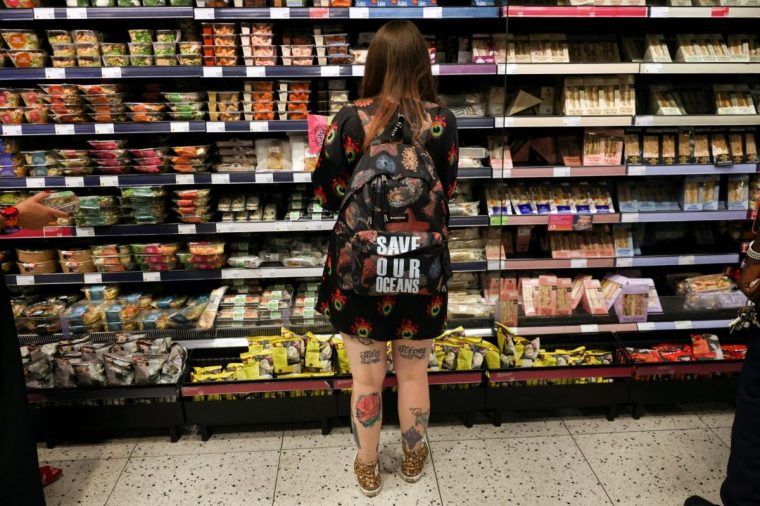 US tariffs could push up UK food prices (Photo: Kevin Coombs/Reuters)
Higher duties would make UK products more expensive for American buyers, squeezing profit margins and potentially dampening demand in one of Britain’s most important export markets.
The global winners and losers
Questioned on what the Supreme Court ruling meant for countries which had brokered existing trade deals with the US, Trump said: “Many of them stand. Some of them won’t, and they’ll be replaced with the other tariffs.”
Trump insists the tariffs would protect American industry and strengthen the US in trade negotiations, but the move has sparked global concern.
America’s neighbours, Mexico and Canada, will largely escape the sweeping 15 per cent levy as they have an exemption under a North American free trade agreement for the majority of goods.
In Europe, Germany would be among the hardest hit because of its reliance on exports of cars, machinery and industrial equipment to the US. Ireland could also face disproportionate pressure if pharmaceuticals were included, reflecting the scale of its US-facing life sciences sector.
Even modest tariffs can disrupt finely tuned just-in-time systems, raising costs on both sides of the border. This is a strategy designed to improve efficiency where goods arrive just as they are required for production, rather than being stored in large warehouses.
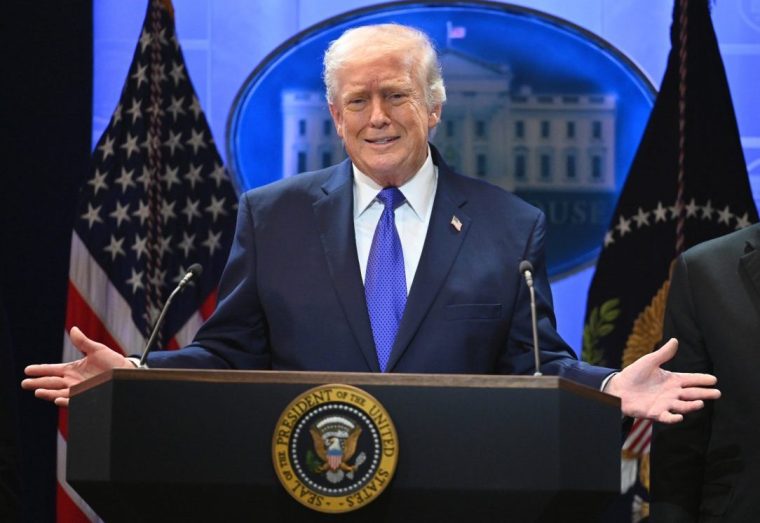 Trump has since increased his tariffs from a baseline of 10 per cent to the maximum 15 per cent (Photo: Chen Mengtong/China News Service/VCG via Getty Images)
European Commission spokesman Olof Gill, offered an inscrutable response to the earlier news of a 10 per cent tariff, writing on X: “We take note of the ruling by the U.S. Supreme Court and are analysing it carefully.
“We remain in close contact with the U.S. Administration as we seek clarity on the steps they intend to take in response to this ruling.”
Ultimately, the countries hardest hit will be those most dependent on goods exports to the US, particularly in politically sensitive industries such as automobiles and industrial machinery.
More global trade volatility ahead
The situation underscores a new era of global trade volatility, highlighting the need for UK businesses and policymakers to monitor developments closely and plan agile responses.
Framing the Supreme Court setback as a temporary hurdle has spurred him to pursue even more draconian tariff rates, Trump said: “We have alternatives – great alternatives, and we’ll be a lot stronger for it.”
“We’re using things that some people thought we should have used in the first place but it’s a little more complicated. The process takes a little more time, but the end result is going to get us more money,” he added.
It is thought Trump may employ other pieces of legislation to impose more tariffs, such as Section 232 of the 1962 Trade Expansion Act and Section 301 of the 1974 Trade Act.
These allow import taxes to be levied against foreign countries to protect national security or address unfair trade practices.
Your next read
The US President has already used Section 232 in the past to slap a 25 per cent tariff on steel imports and 10 per cent on aluminium, and analysts said it is likely he will look to wield them against foreign countries upon which he wishes to slap further tariffs.
“I, as President of the United States of America, will be, effective immediately, raising the 10% Worldwide Tariff on Countries, many of which have been “ripping” the U.S. off for decades, without retribution (until I came along!), to the fully allowed, and legally tested, 15% level,” Trump railed on Truth Social today.
“During the next short number of months, the Trump Administration will determine and issue the new and legally permissible Tariffs.”