
A future pandemic is just one of the threats keeping NHS bosses up at night, a new report has revealed.
Three major risks have been identified as the most serious, and a Lincolnshire County Council meeting next week will discuss how prepared the NHS is for future emergencies.
According to the report, there were no major or critical incidents over the last 12 months across the county – these are problems which seriously affect the running of hospitals.
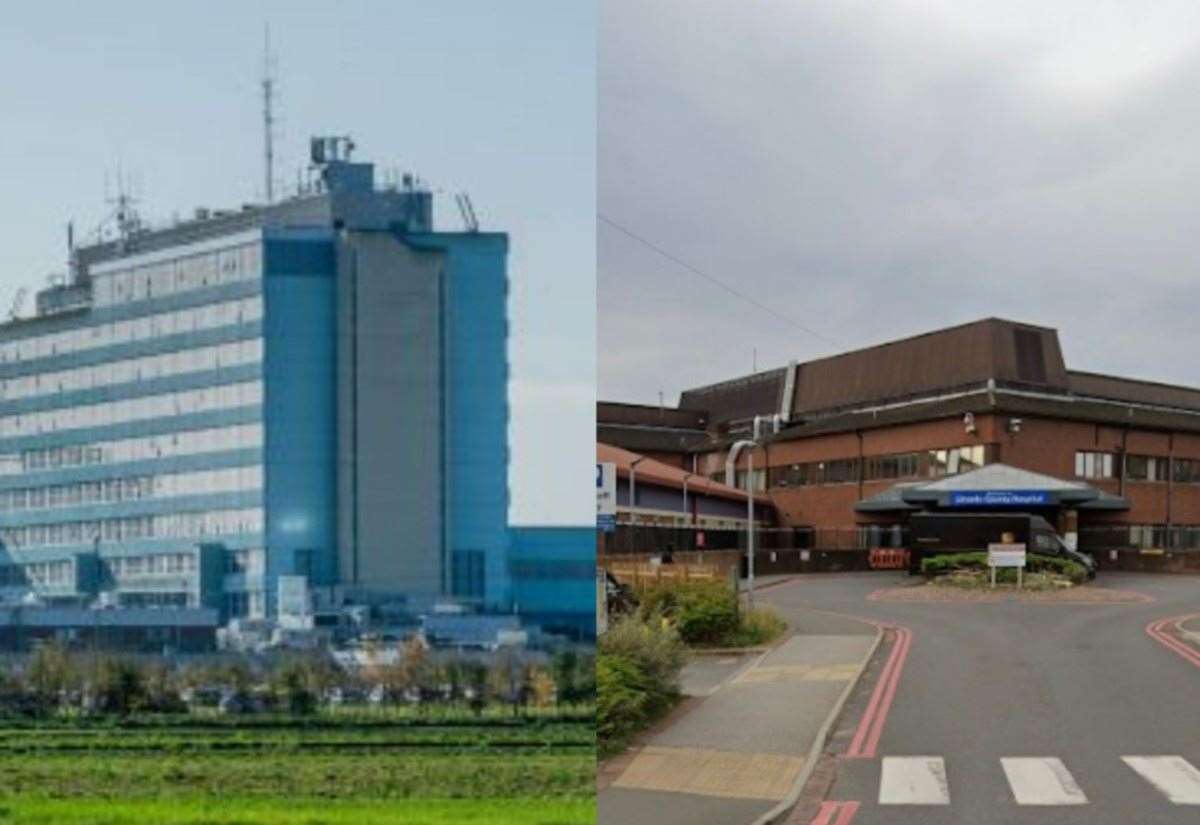
 Boston Pilgrim Hospital and Lincoln County Hospital
There were 24 more minor ‘business continuity’ incidents, ranging from heat and flood warnings to strikes and supply chain disruption.
According to Lincolnshire Health Resilience Partnership (LHRP), here are the three biggest risks facing the health service:
Pandemics
While the threat of Covid-19 has receded, healthcare bodies are on the watch for other emerging infectious diseases that the population has little immunity to.
Since parts of the UK’s response to the Covid pandemic have been criticised by inquiries, planning has stepped up for possible future outbreak.
Each pandemic acts differently, and will put different groups at risk.
However Rebecca Neno, the ICB’s deputy director for system delivery, said last year that Lincolnshire would be more prepared for the next one.
“We are in a much better position than during Covid because we have learnt so much,” she said.
“But the next pandemic won’t look like Covid – we will have to respond to something much different.
“I am confident we will keep people safe, and do everything we can with resources we have.”
Exercises are carried out every year to test how prepared services are to deal with events like these.
Cyber attacks
The threat of criminals exploiting digital weaknesses is becoming an increasing risk for large organisations.
An attack in 2024 targeted a pathology service Synnovis, causing over 11,000 delays and cancellations across NHS trusts.
Hospitals have previously been hit by ransomware attacks in the past, in which hackers demand payments in order to unlock infected computers.
The LHRP said: “Cyber security threats have been assessed as high risk, both nationally and locally, with work planned through LHRP over the coming 12 months to strengthen cyber preparedness and response protocols.”
‘Malicious’ attacks
The possibility of people intentionally targeting healthcare providers is also a risk.
The Lincolnshire Resilience Forum highlights the threat from organised groups such as “extreme Islamist terrorists or extreme right-wing terrorists”, as well as lone actors.
Lincoln County Hospital suffered a serious arson attack in 2022, which caused £1.9million of damage and closed the A&E department for two days.
John Gillon Watson was jailed for six years and nine months for starting the fire, which destroyed an ultrasound machine and damaged other crucial equipment.
The LHRP said: “The threat of malicious attacks remains high nationally, and this is reflected in the local risk assessment.
“LHRP continues to monitor this risk in collaboration with the Local Resilience Forum, with ongoing training and exercising to ensure readiness.”
Lincolnshire County Council’s Health Scrutiny Committee will discuss the emergency preparedness on Wednesday, February 25.