
(Credits: Far Out / Apple Corps LTD)
Sat 21 February 2026 16:30, UK
Scotland serves as a key backdrop to The Beatles‘ story more than is remembered.
Back when they were The Silver Beetles in 1960, the early outfit toured seven dates across Scotland backing pop crooner Johnny Gentle with old art school mate Stuart Sutcliffe on bass and Tommy Moore on drums before even Pete Best picked up the sticks. Three years later, during the Fab Four chart explosion, legend has it that Scottish promoter Andi Lothian first coined the term ‘Beatlemania’ to a reporter outside the band’s Caird Hall show in Dundee, the term popularised by the Daily Mail shortly after.
A lot happened in between Please Please Me and Let It Be. Across those dizzying seven years, national pop conquering, cracking America and unleashing the British invasion, embracing the psychedelic revolution, then grinding to a halt through the roots rock revivalism and calling it a day in 1970, saw The Beatles’ cultural presence seemingly touch every corner of the Western world and beyond.
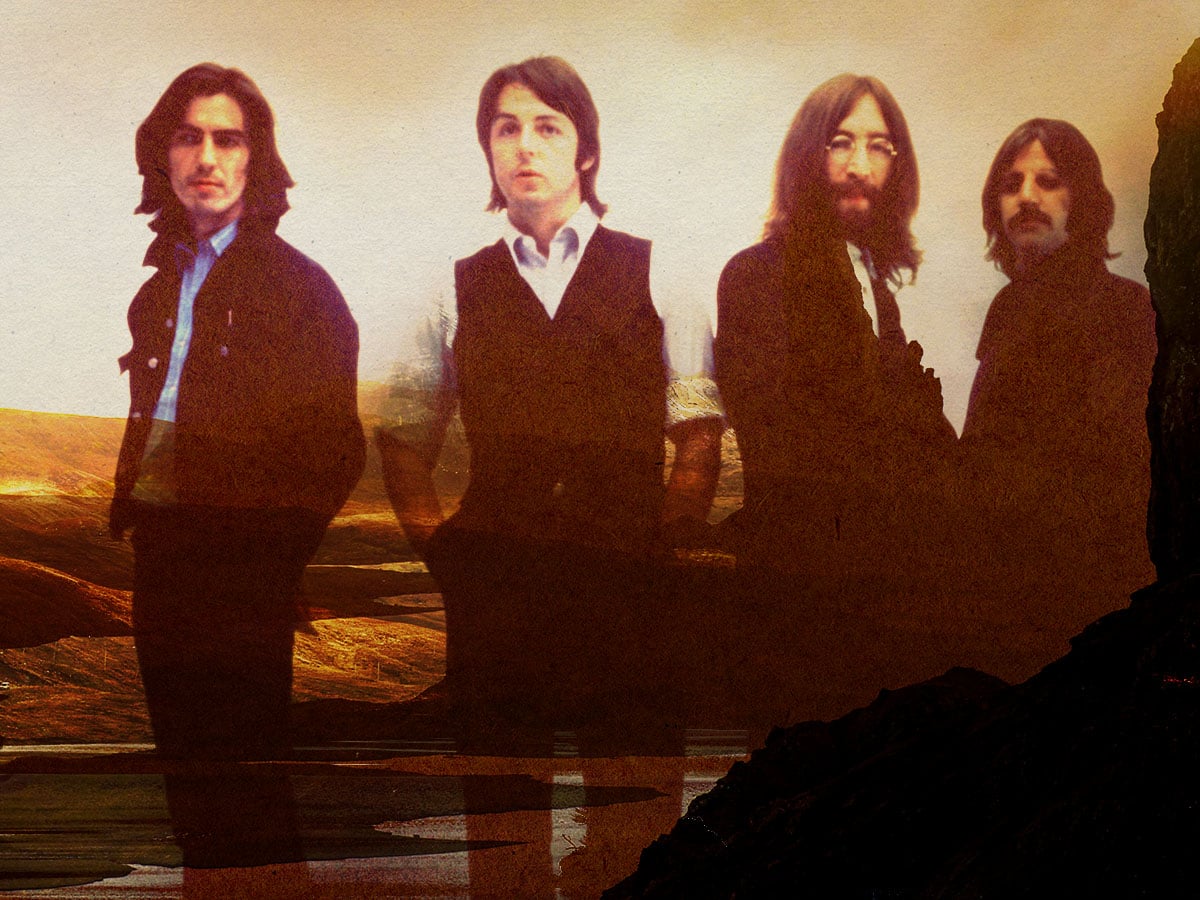
During the Revolver sessions, Paul McCartney sought to find some kind of sanctuary away from Beatlemania’s craze and looked to Scotland for a retreat of natural beauty. Acquiring Campbeltown’s High Park Farm in the Kintyre peninsula offered McCartney exactly the Highlands isolation he was looking for, the three-bedroom farmhouse surrounded by 183 acres of land and about as far away from the music industry and London’s hectic pace of life as could be.
It was on the former sheep farm that McCartney first dreamed up one of his most celebrated standards. By 1968, The Beatles were beginning to seriously fracture for the first time since their ‘Love Me Do’ debut, and even earlier as 1950s teens in the case of McCartney, John Lennon, and George Harrison.
Compounded by each member’s need to pursue new ventures, alongside emerging business headaches after the loss of Brian Epstein’s managerial acumen, gnawing tensions within The Beatles camp saw McCartney look to the surrounding Campbeltown area as a reflective canvas for a new ballad.
Inspired by the lochs and mountains that remotely dot the Argyll and Bute distillery town, the roads that snake through such an arresting landscape illustrated to McCartney life’s tumultuous traversal, as well as a nostalgic look back on The Beatles’ rise and final few chapters as the 1960s were nearing their end. Overlooking this vista, ‘The Long and Winding Road’ began to take shape.
“I just sat down at my piano in Scotland, started playing and came up with that song, imagining it was going to be done by someone like Ray Charles,” McCartney revealed to the Sunday Herald in 2003. “I have always found inspiration in the calm beauty of Scotland, and again it proved the place where I found inspiration.”
A demo of ‘The Long and Winding Road’ was recorded as early as The Beatles double album sessions, before being offered to Tom Jones, who turned the number down due to label issues. Released as a single in May 1970, a month after he left the band, McCartney’s wistful Highlands ballad proved a poignant coda to The Beatles’ story, standing as the last official single of their recording tenure.
The Far Out Beatles Newsletter
All the latest stories about The Beatles from the independent voice of culture.
Straight to your inbox.