
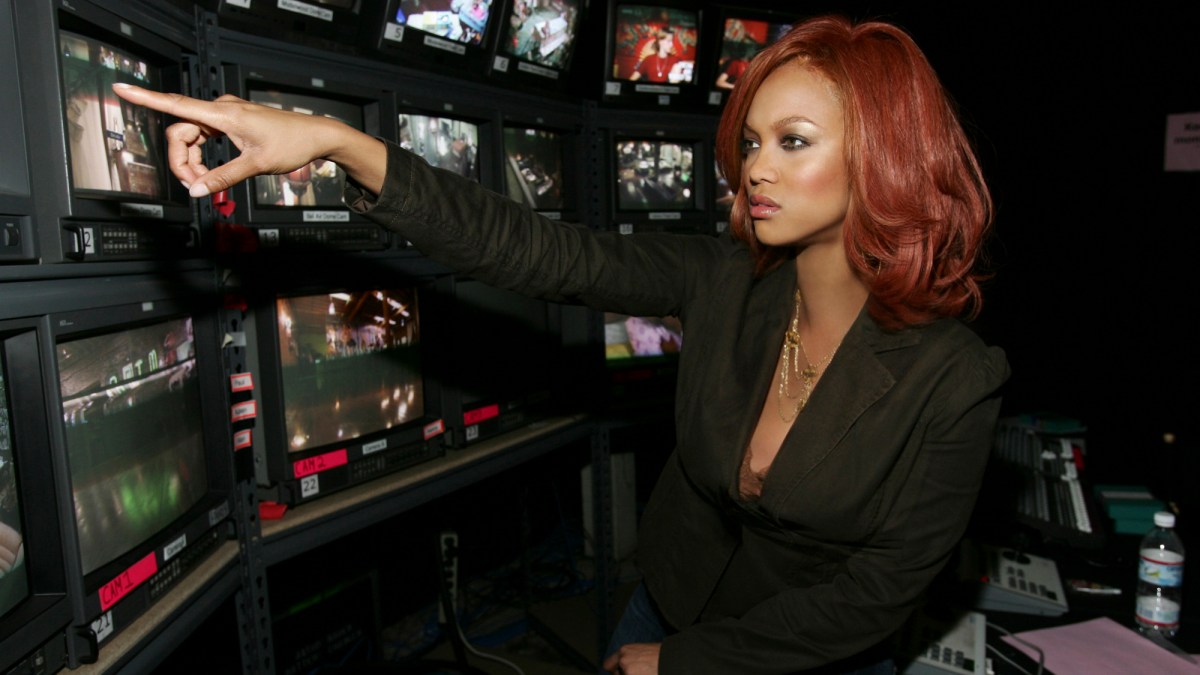
Holly Carpenter still remembers the moment Britain and Ireland’s Next Top Model stopped feeling like a career opportunity and started becoming an uncomfortable experience.
She was standing topless on a beach with the other contestants while male models and camera crew nonchalantly went about their business.
“It felt inappropriate and made you feel vulnerable. Looking back, I think that discomfort was intentional because it made for better television and more emotional reactions,” she said.
Carpenter was 22, newly crowned Miss Ireland and convinced she was walking into a modelling competition. Instead, she said, she was steered into vulnerability, nudged to comply and discouraged from questioning the set-up.
“I had been a huge fan of the show when I was about 14 or 15, but looking back now that era of television was very toxic and problematic,” she said.
“I don’t know how they got away with some of the things they did — the psychological pressure they put those girls under, the challenges, shaving heads — it was really extreme.”
Her account lands as a new Netflix behind-the-scenes documentary revisits the America’s Next Top Model phenomenon and the way reality television once treated contestants’ emotional limits as production tools.
Carpenter said she believed the show prioritised drama over wellbeing, which left contestants vulnerable to manipulation, isolation and lasting emotional strain.
“At the same time, I think the reason those shows were so successful was because of that drama. If everyone had been nice and supportive, it probably wouldn’t have been as entertaining. Now everything has gone the other way,” she added.
• I loved America’s Next Top Model. Is that bad?
Upon first arriving on set, Carpenter quickly realised the show was less about modelling and more about making compelling television. “The environment wasn’t designed to make you feel mentally or emotionally stable. There were 14 of us sharing one room and we had no privacy at all.
“The producers were always stirring up drama by telling us things like ‘the other girls said you didn’t do well at the photoshoot today’. It made you really paranoid.
“We were filming all day, drinking coffee and barely eating. By the time you got on set you were completely wired and the smallest thing could set you off.”
Carpenter, who was already an established model at the time, added that the contestants were effectively “typecast into storylines”.
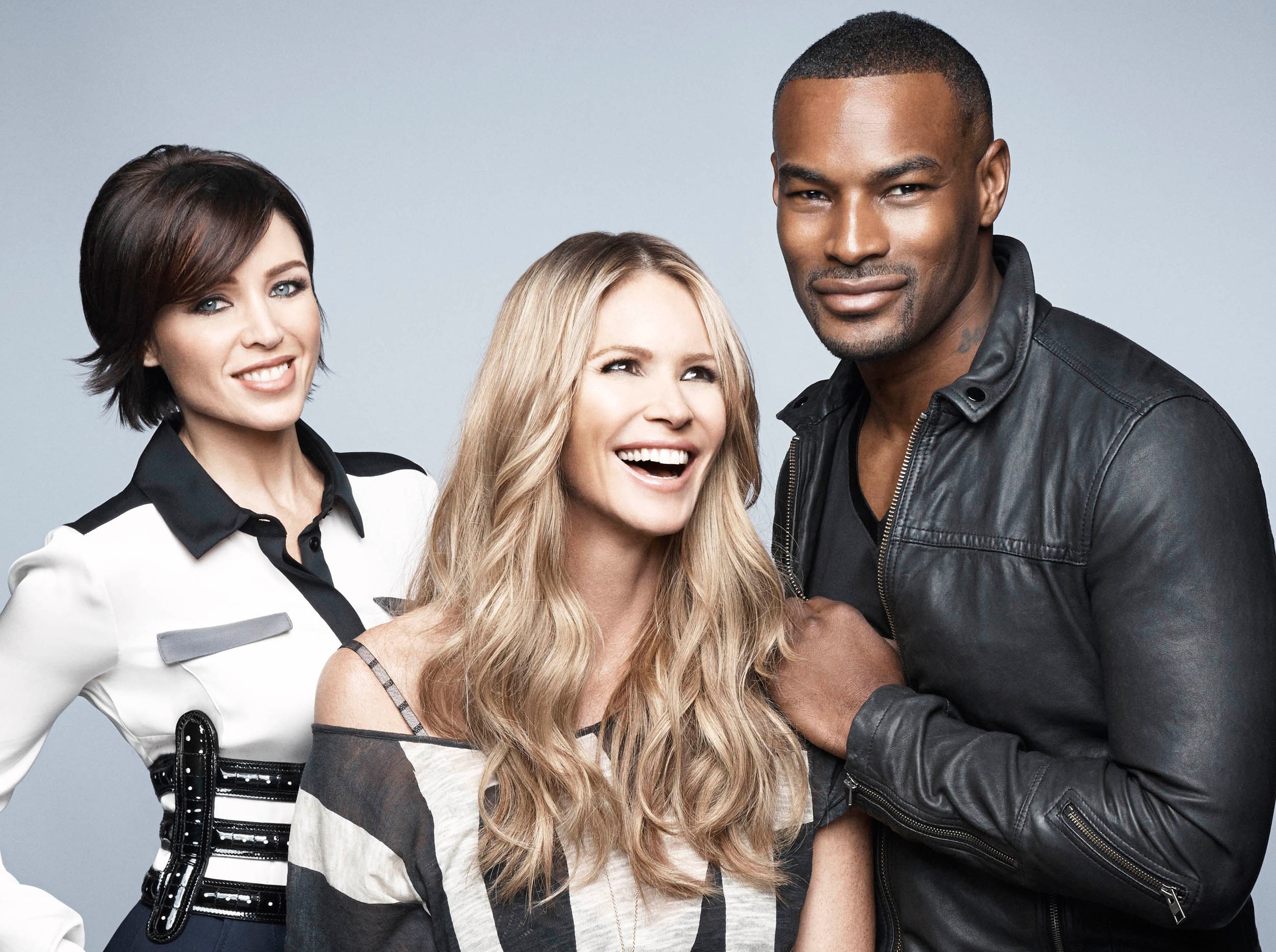
Dannii Minogue, Elle Macpherson and Tyson Beckford were the judges of Britain and Ireland’s Next Top Model
MATT HOLYOAK/SKY LIVING
“They had roles for all of us. My storyline was the Irish pageant girl who loved fake tan and make-up. Elle Macpherson, who was a judge, kept telling me to take off my make-up, even though I wasn’t wearing much. It felt like they wanted me to fit a certain narrative, even when it wasn’t accurate.”
She said the judges differed significantly in their off-camera behaviour. “Dannii Minogue was lovely — she came to the house, had a pyjama party with us, and was the same person on and off camera. Tyson Beckford was quiet but kind, but Elle was very different. On camera she’d call us her ‘beautiful girls’, but off camera she didn’t really speak to us or engage with us at all.”
Carpenter felt the editing of the show often distorted interactions between contestants to suit a certain narrative.
“I remember they showed me yawning while another girl was speaking, and it made it look like I was being rude, but that wasn’t even filmed at the same time.
“Afterwards, people on Twitter were calling me arrogant. When you sign up for reality TV, you have no control over how you’re edited. That can be very daunting, especially when you’re young.”
• 97% of catwalk models are size 4 to 8, reveals Vogue
Despite her experience and finishing seventh out of 14 contestants, Carpenter said she had consciously “played the game”.
“I knew I wasn’t going to win, but I understood that being involved in drama meant more screen time. I had already won Miss Ireland and competed at Miss World, so I had thicker skin than some of the younger girls. At that time, modelling agencies could be harsher than anything said on the show.”
She said the psychological impact only hit her after filming ended. “When I came home, I wasn’t mentally okay. Being constantly watched, judged on your appearance, worrying about your weight — it becomes all-consuming. It’s difficult to return to normal life after that.”
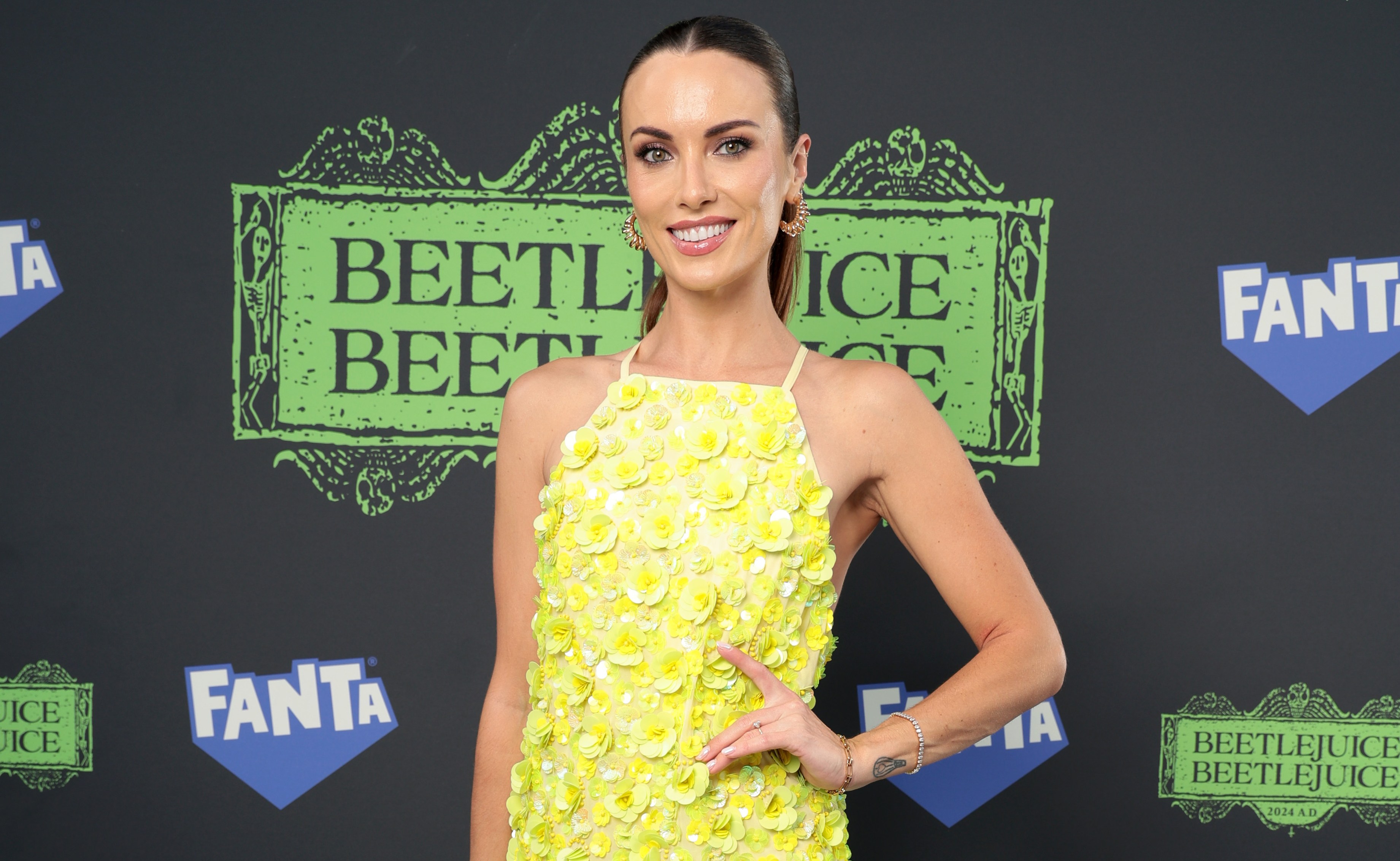
Carpenter said the social media criticism was hard to deal with
SHANE ANTHONY SINCLAIR/GETTY
Carpenter was also taken aback by the lack of aftercare provided to contestants once filming ended.
“Nobody checked in to see how you were coping with online abuse or the experience. You gave them everything, and then you were left to deal with the consequences yourself. I’ve had friends on more recent reality shows who received proper support afterwards, so I think that era was the tail end of a very toxic system,” she said.
“When you’re young and naive, they can take advantage of that. You don’t want to complain because you’re afraid of damaging your reputation or not getting booked again. Back then, models didn’t have a voice. Now, with social media, people can speak out.”
Despite the negatives, Carpenter said she did not regret taking part in the show. “It helped my career, but probably not my self-esteem.
“But if you asked me whether I’d do it again, knowing everything I know now, I probably would. It gave me resilience and thicker skin.”
Carpenter was not the only contestant to speak of lasting harm. Irish actress Diona Doherty said her time on the show traumatised her to the point that she was unable to wear shorts for 15 years.
The 36-year-old, who played Ukrainian student Katya in Derry Girls, was a contestant on series eight of Britain and Ireland’s Next Top Model in 2012 before being sent packing by judge Macpherson.
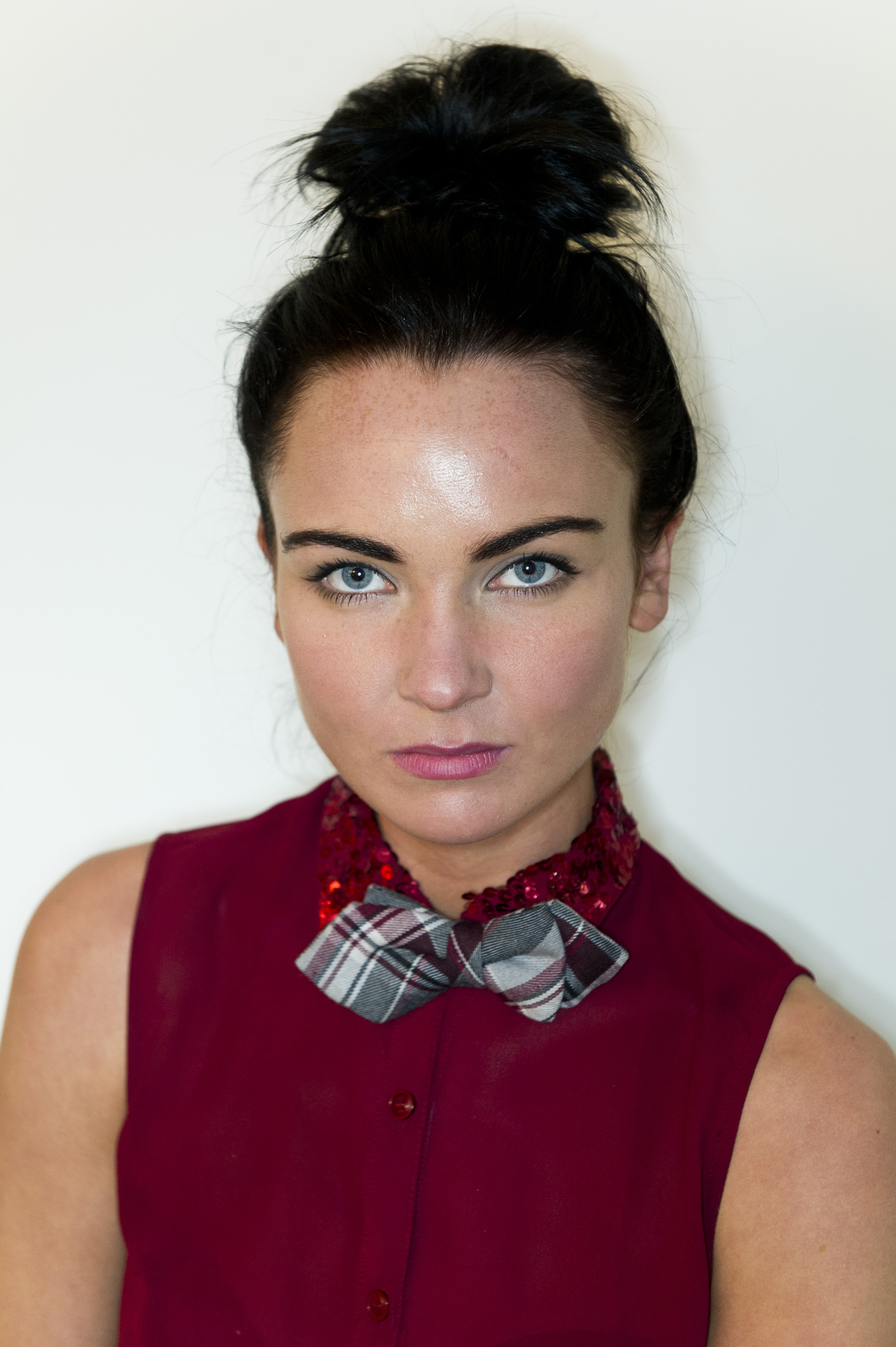
Diona Doherty appeared on Britain and Ireland’s Next Top Model in 2012
CHRIS LOBINA/SKY LIVING
“Basically, one of the judges said that I only look good from the waist up and that gave me a lifelong complex about my legs,” she said in a video on social media last year.
“It’s been 15 years since I was on that show and it’s been 15 years since I’ve worn shorts or worn a skirt without tights or generally just had my bare legs out.”
However, Dublin model Kristine Subrovska, winner of the Ireland’s Next Top Model reality TV show, said the culture had changed dramatically since its original run.
“Ireland’s Next Top Model is doing a more modern spin that is catered for a modern audience like working with charities and communities. It definitely wouldn’t be the same as the American version.”
And while reality television has changed significantly in recent years, the 25-year-old, who also represented Ireland in the Top Model of the World competition, said the industry still struggles with toxicity and those who abuse positions of power.
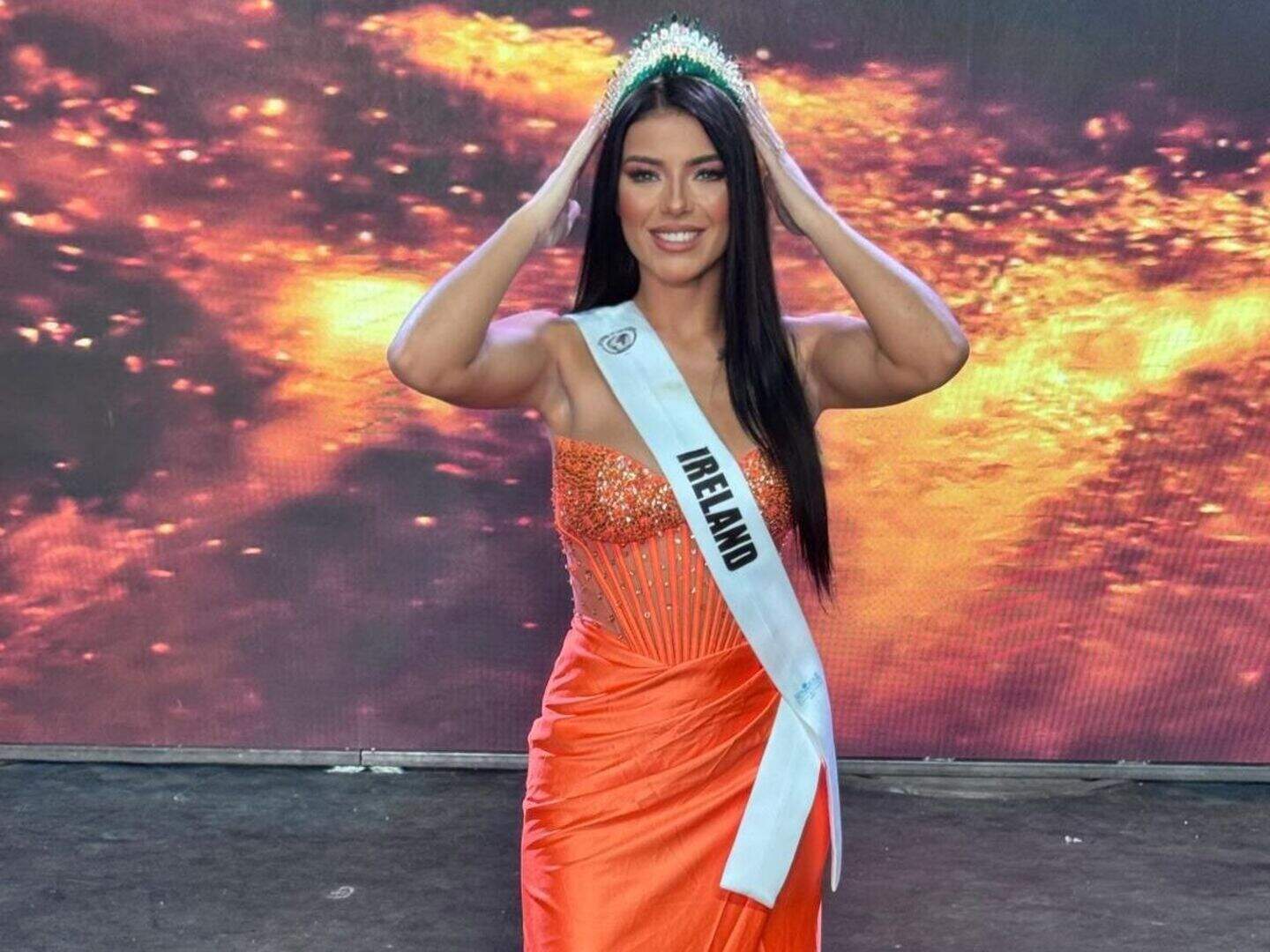
Kristine Subrovska won the Ireland’s Next Top Model pageant and went on to represent Ireland in the Top Model of the World event
“There needs to be better supports put in place because the world of modelling is definitely not all glitz and glam,” said Subrovska.
“There are sleazy photographers and fake agencies that pressure young women into doing things they’re not comfortable with.
“A photographer might try and reel you in by saying ‘we just need you to promote a make-up or dress brand’. Then they’d say ‘here’s another idea I have in mind, let’s do this next’.
“I’ve also seen models getting horrible abuse from designers. The last time I was in Paris, the designers were very cruel and cut-throat. They would have no issue telling you that you were too fat, and would drop you from the show without warning, regardless of how far you had travelled.”
Subrovska, who is originally from Latvia, believes anonymous trolling on social media has become a real problem for models. “I’ve received so many awful comments on my photos and have gotten so much hate in my DMs.
“There was even an AI-generated image circulating that showed me as much larger, with marks on my stomach and oversized legs.
“It was to make people believe that I actually wasn’t skinny and photoshopped all my photos. The worst part of all is that these fake accounts are usually run by people who you know or went to school with.”