
SALT LAKE CITY — Healing doesn’t always come from the conventional health care system, says Rep. Jake Fitisemanu.
For some, said the Democratic lawmaker from West Valley City, care comes in the form of home remedies, “dandelion tea from leaves you picked out in the yard,” a special massage, a visit to a religious or cultural elder. With that in mind, he’s sponsoring legislation that would exempt any “traditional healing provider” in the Native American community from having to get a state license.
HB277 is “about clarity, and it’s about access to these kinds of cultural traditions and our healing traditions that have sustained our wellness and our health in our families and in our communities for generations and generations,” he said during debate this week on the measure. The Utah House approved the measure on Wednesday in a 51-18 vote, and it now moves to the Senate for consideration.
As is, Fitisemanu said, whether traditional healers need to be licensed by Utah is “a little gray area,” and his measure aims to clarify their status. The legislation, which wouldn’t grant authority to healers to prescribe drugs, would apply to healers practicing in concert with traditions of American Indian and Alaska Native communities.
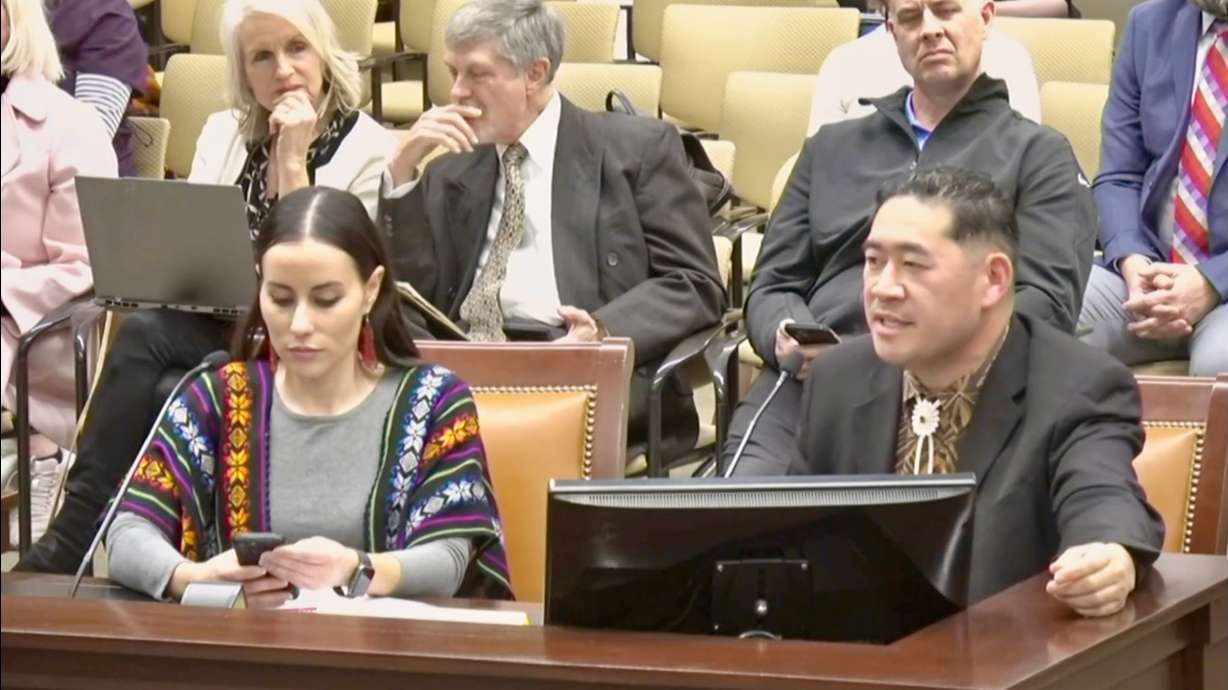
Yvette Romero Coronado, an associate professor in the University of Utah College of Social Work, spoke in favor of the measure during a Feb. 9 House committee hearing. She noted practices family healers would apply on her as a child to draw out “negative energies” and said she continues some of the practices.
Some people, she said, are reluctant to tell their conventional health care providers that they visit traditional healers, worried about getting them in trouble.
Read more:
“This bill would say to my family, to me and my clients, it is legal and OK to seek services, and (say) to our trusted elders and practitioners, it’s legal and OK to provide those culturally aligned services,” Romero said. “Traditional medicine practitioners are carriers of important knowledge and cherished members of our community. By passing this bill, we remove a barrier to accessing care. We create an environment where integrative care is possible, and we support the community’s self-determination to seek the care that they see fit.”
The bill has the support of the Navajo Nation Council, the governing body of the Navajo Nation, the Urban Indian Center in Salt Lake City and other Indigenous organizations, Fitisemanu said.
Rep. Karianne Lisonbee, R-Syracuse, asked during Wednesday’s House discussion whether the measure would open the way for legal use of peyote. Fitesemanu said his legislation doesn’t change existing legal restrictions pertaining to the drug, used by some Native American communities in spiritual and religious ceremonies.
The Key Takeaways for this article were generated with the assistance of large language models and reviewed by our editorial team. The article, itself, is solely human-written.