
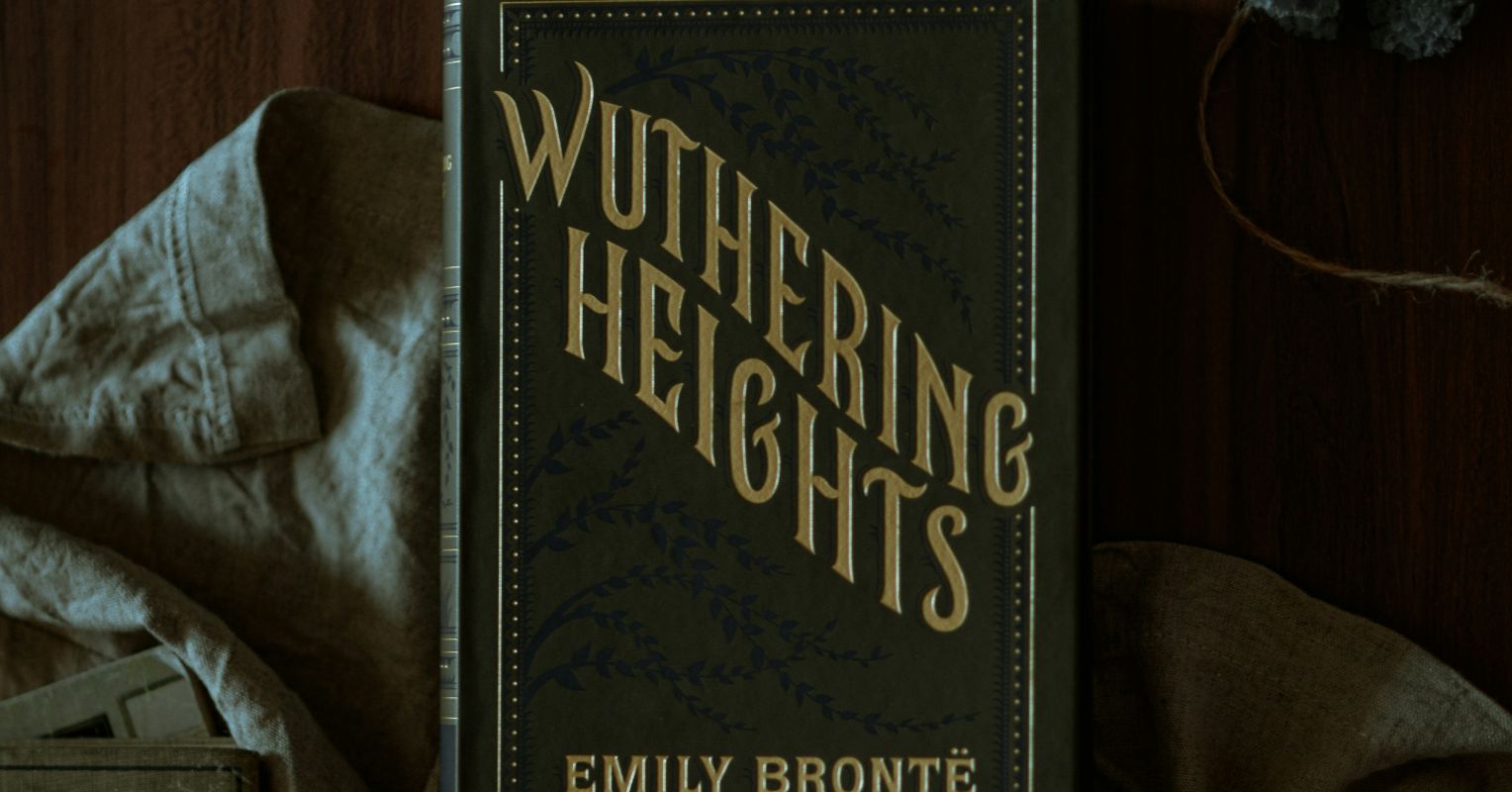
Emerald Fennell’s 2026 rendition of Wuthering Heights draws viewers in with a provocative, kink-coded atmosphere reminiscent of Fifty Shades of Grey, similarly distorting what kink actually looks like while highlighting tensions around love, sexuality, power, and consent that feel deeply human and relevant. As a sex therapist, the film left me asking: What do these characters believe love is supposed to feel like? What options do they actually have? And how do history and social forces shape their choices?
Trauma Bonding and the Shape of Love
Heathcliff and Catherine grow up in emotionally harsh environments. When people learn love in conditions of insecurity, attachment can feel urgent and consuming. What looks obsessive from the outside may feel like recognition from the inside–finally, someone who understands me. When safety has been scarce, emotional volatility can feel like aliveness.
The chemistry between the leads is palpable. That does not mean their relationship is healthy–but it does mean it makes sense. Trauma shapes attachment. It teaches us what love feels like, what we expect from it, and what we fear losing. If calm, steady love feels unfamiliar, it can even feel threatening. When passion has been the only language of connection, quiet security may seem dull or unreal.
Understanding this softens the story. We are not simply watching villains; we are watching people loving with the tools they were given–while still recognizing that harm is harm, regardless of its origin.
Intensity Is Not the Same as Care
A kink-informed lens helps distinguish between intensity and health. Power and intensity are not inherently harmful; what matters is whether they are grounded in consent, mutual choice, and care.
Power becomes concerning when it is:
Imposed rather than chosen
Rigid rather than responsive
Indifferent rather than attentive
Do the characters experience their interactions as voluntary? Do they feel they can refuse, leave, or renegotiate? Do they articulate desire, or submit to forces they perceive as inevitable? These questions are especially compelling in Isabella’s storyline.
Isabella: Empowered and Vulnerable
Isabella is often dismissed as naïve for falling for Heathcliff, but that interpretation flattens her. She chooses him, pursues him, insists on him even when warned. At the same time, she is socially and emotionally vulnerable. Respecting her means taking her desire seriously, even if the outcome is painful.
Does Heathcliff Care for Isabella?
Here, Fennell offers rare clarity, allowing us to consider whether this relationship actually aligns with the principles that define healthy kink dynamics. Heathcliff’s involvement with Isabella is not grounded in care for her; he leverages her desire to provoke Catherine and fuel jealousy. In doing so, he turns Isabella into part of his emotional strategy even as she experiences empowerment within the dynamic.
Care shows up as curiosity about another person’s feelings. Passion without care is not devotion. Most kink relationships are grounded in consent and mutual respect, but practices involving power can magnify existing imbalances, which is why context matters: our vulnerabilities, the other person’s power, and the relational dynamic between them.
The Tragic Roots of Romantic Love
To understand why this story feels so dramatic, it helps to remember the cultural history of romance. In medieval Europe, courtly love stories idealized longing, suffering, and emotional torment, while real marriages were often structured around property and inheritance. Passionate love narratives existed in contrast to social reality.
Over time, we inherited cultural scripts suggesting:
Love should feel overwhelming
Yearning proves depth
Suffering makes love meaningful
Security and excitement cannot coexist
It is no surprise that many famous love stories–from Romeo and Juliet to Wuthering Heights–end in tragedy. Turmoil is visually compelling. If we filmed only the most painful moments of a relationship, we would have powerful cinema. If we filmed the peaceful parts–the communication, repair, consent, and care–we might think nothing was happening. Healthy love rarely generates the chaos that fuels a plot.
This invites reflection: When did we learn that longing means love? Why does calm connection sometimes feel less convincing than dramatic pursuit? When we feel consumed by someone, are we experiencing love or recognition?
As sex and relationship therapists, we often emphasize that deeply satisfying relationships tend to be grounded in steadiness, respect, emotional safety, and genuine care–alongside passion and desire when those matter to the partners involved. But because healthy love would look like paint drying onscreen, and that doesn’t sell tickets, many of us are raised instead on stories of tragic romance.
Consent Then and Now
The story also unfolds within a world shaped by class hierarchy, gender norms, and limited options for women. Choice existed, but within constraints. Isabella chooses Heathcliff. Catherine chooses Edgar. Their decisions are real, yet shaped by the systems surrounding them.
This raises enduring questions: When is choice fully free? When is it shaped by pressure, fantasy, or limited alternatives? Can agency exist even when options are constrained? These questions rarely have simple answers, but they encourage humility and compassion toward choices that make sense in someone else’s world.
A Feminist Lens on Choice
Through a contemporary feminist lens–one that values women defining their own desires–Isabella’s story becomes less about foolishness and more about will. She acts. She decides. She chooses. We do not have to celebrate her choices to respect that they are hers.
A mature reading holds two truths at once: that Isabella has agency and power imbalances still surround her. The experience of being both self-directed and mistaken is, for many of us, deeply familiar.
Why This Story Still Matters
Stories like Wuthering Heights endure not because they show us what love should be, but because they reveal what many of us have been taught love is supposed to feel like. They reflect cultural myths that equate longing with depth and suffering with devotion, even as this film complicates those ideas through its portrayal of power and desire.
Viewed through this lens, what stands out is not only the characters’ volatility but how familiar it feels. Many people have mistaken emotional chaos for chemistry or longing for connection. The film exposes how desire can tangle with power, how agency can coexist with vulnerability, and how love can feel convincing even when it lacks care.
That is why the story still resonates. Not because it models love, but because it asks us to examine what we believe love is. Dramatic passion with kinky undertones thrown in for good measure may make alluring cinema, but in real relationships, it is care and consent–not chaos–that sustains us.