
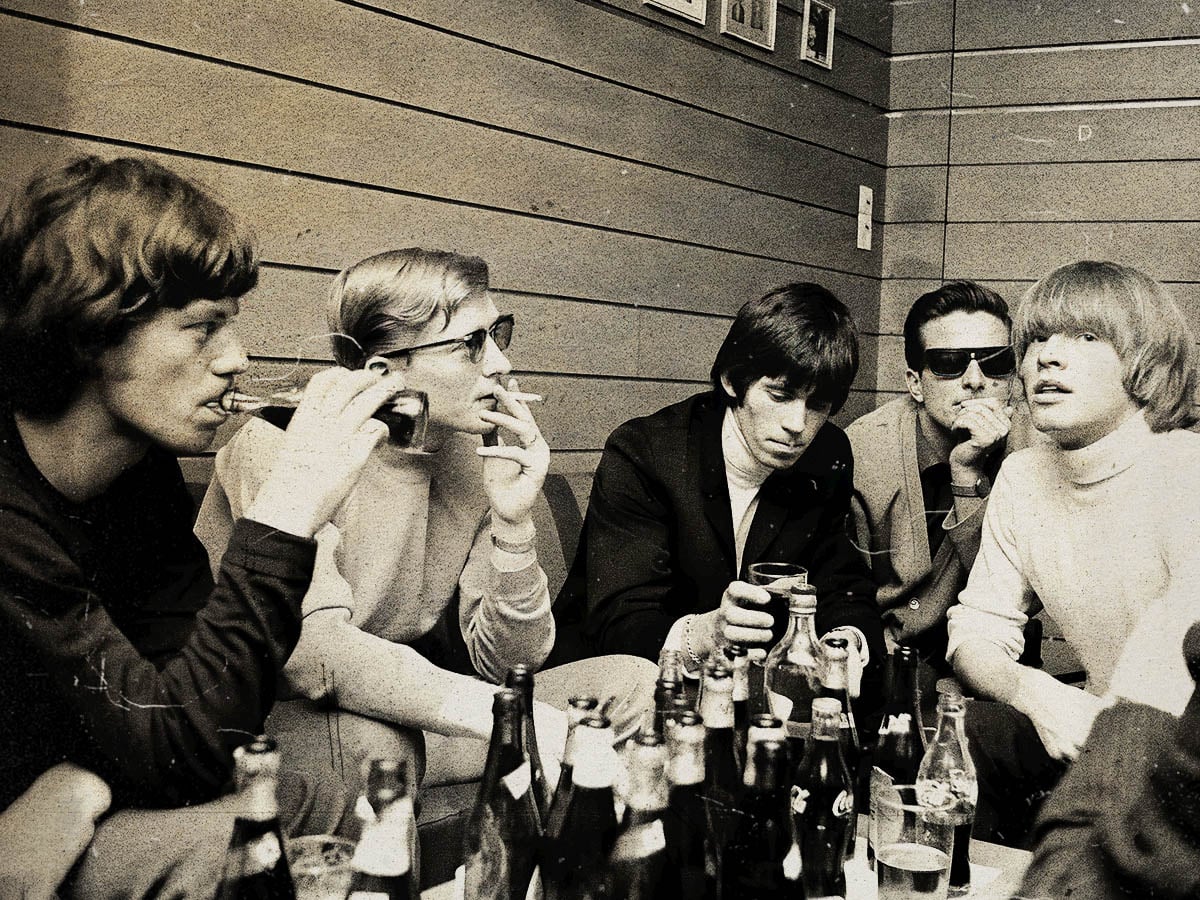
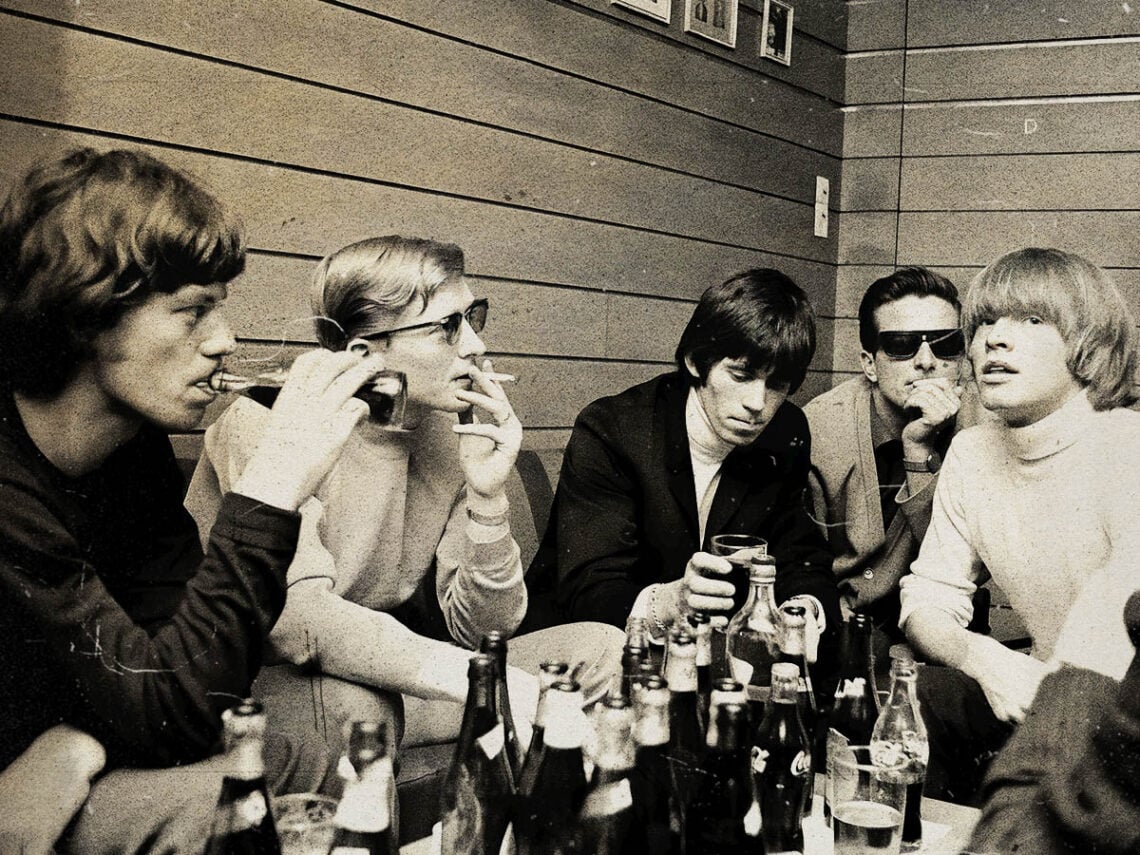
(Credits: Far Out / Bent Rej)
Sun 22 February 2026 23:30, UK
Before they were the Glimmer Twins; before anybody knew who The Rolling Stones were, Keith Richards and Mick Jagger were just ambitious young kids who had a fascination with American blues music, especially the stuff coming out of one city in particular.
“I moved into a flat with [Mick],” Richards once said, “And the smart thing to do from that point on was to buy records from Chicago—Chuck Berry, Muddy Waters—and soak them up, because we wanted to learn.”
Those “records from Chicago” were usually released on the same label, Chess Records, and recorded in the same humble two-story building at 2120 South Michigan Avenue.
“I recorded some of my biggest hits at that address,” Chuck Berry recalled to the Chicago Tribune in 1989. “I have a lot of memories of it. They were great days of great music.”
Chess, which was named after its founders, brothers Leonard and Phil Chess, was established in 1947 and moved into its Michigan Avenue building a decade later, with a team of just 15 people on staff running the whole operation. The Chess brothers were as ambitious as Jagger and Richards in their own way, and equally passionate about blues music, with the distinct advantage of living in a city where many of the great blues players from the American South had decided to resettle in the 1950s and ‘60s, drawn by economic opportunities and a growing Chicago music scene with a new sound all its own.
These artists, including Muddy Waters, Howlin’ Wolf, Little Walter, Sonny Boy Williamson, Bo Diddley, Chuck Berry, Etta James, Buddy Guy, and Koko Taylor, didn’t just export “the Chicago sound” to the world with Chess; they laid the groundwork for rock ‘n’ roll in America and overseas.
That’s why the Rolling Stones, on their first-ever American tour in the summer of 1964, made sure that their stop in Chicago included a visit to Chess’s studios. And it wasn’t just a quick tour of the building, either. Famously, the boys were given the opportunity to enter the studio space, watch Buddy Guy lay down a solo, then get to work in the same room where so many of their heroes had made those records they used to buy back home. They were, naturally, feeling like little tikes in a sweet shop.
The result was an entire EP of new recordings, all laid down on June 11, 1964, called Five By Five, which went straight to number one on the UK charts later that summer. It featured a few blues rock covers, including songs by Chuck Berry and Wilson Pickett, as well as two original jams collectively written and recorded by the band on the day: ‘Empty Heart’ and an instrumental homage to the day and place, called ‘2120 South Michigan Avenue’.
Just two years later, after the Stones had emerged as one of the world’s biggest rock bands, Chess relocated to a larger building in Chicago, and 2120 S Michigan gradually fell into a rough state. The building was eventually revived and preserved as a museum, however, and remains a local landmark run by the Willie Dixon Blues Heaven Foundation. It’s a worthwhile stop for any visitor to Chicago today, rivalled only by a gig at Buddy Guy’s “Legends” Blues Club, where the man himself is still known to make appearances at the age of 89.
“We had no ambition to be the biggest or best band in the world,” the Stones’ late bassist Bill Wyman once told the Chicago Tribune. “We just wanted to play Chicago blues for anyone who would listen to us.”