
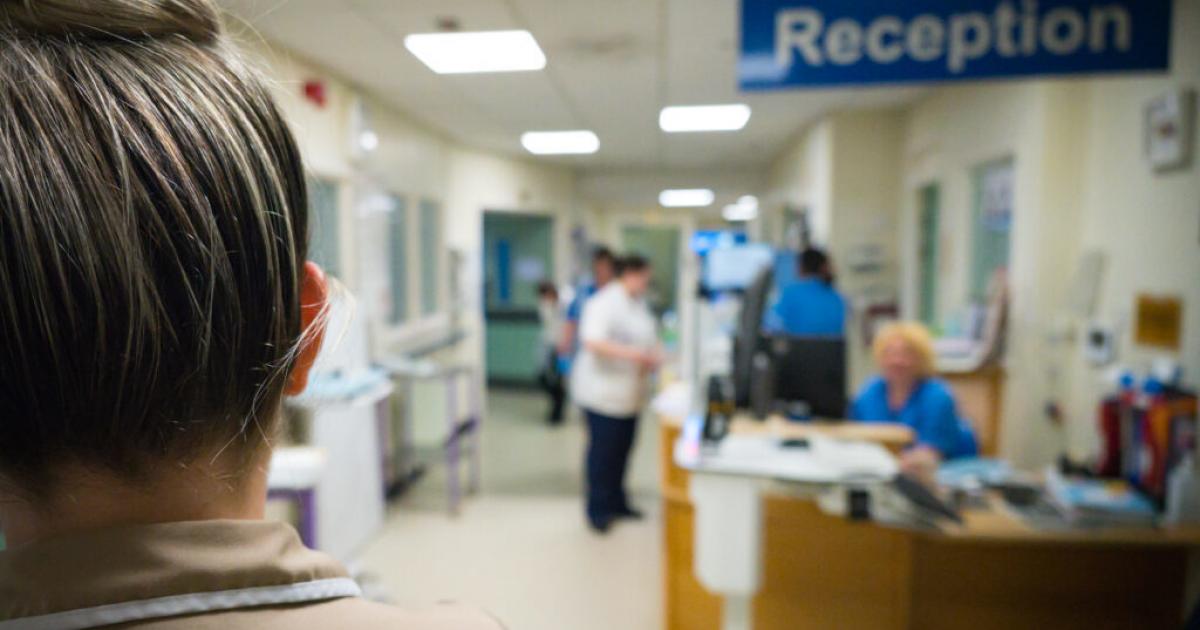
The Bolton News launched an investigation into the sudden cancellations of operations after a pensioner contacted the paper in December 2025 after learning that his wife’s NHS-funded hip replacement at The Beaumont Hospital had been postponed.
The gentleman, who asked to remain anonymous, said he was “shocked,” after his wife had already waited for more than a year and was experiencing significant pain.
Since then, nearly 20 more Bolton residents contacted The Bolton News reporting similar experiences, including last-minute cancellations, postponed procedures, and no clear rescheduled dates.
They said they had been “left in limbo”, with no idea of what was happening next.
Many described the ongoing uncertainty as “frustrating” and “stressful,” highlighting the impact of the pause.
In response to these concerns and as part of our ongoing investigation, The Bolton News submitted a Freedom of Information (FOI) request to NHS Greater Manchester.
We hoped to find out exactly how many NHS-funded operations at independent hospitals had been cancelled or postponed, and how patients were being informed.
The FOI asked for:
• The total number of NHS-funded operations at independent/private hospitals in Greater Manchester that were cancelled or postponed between 1 December 2025 and 31 January 2026.
• A breakdown by hospital and surgical specialty (e.g., orthopaedics, general surgery) of the cancelled or postponed operations.
• Any internal reports, guidance, or communications used to decide which NHS-funded operations at independent/private hospitals should be paused or cancelled during this period.
• Patient communication details, including whether patients were contacted in writing, by phone, or in person regarding cancellations.
• Any estimated or recorded waiting times for patients affected by these cancellations, including both average and maximum waiting times.
• Any plans or policies in place to reschedule cancelled operations and how these are being communicated to patients.
Here’s what we found out
In its reply, NHS Greater Manchester said it “does not hold the information requested”.
The FOI response explained: “Independent Sector (IS) providers were provided with clear activity plans for the year and, as with any commissioned provider across Greater Manchester, are obligated to operate within that.
“Any changes to scheduled/planned elective activity are operational decisions taken by the independent providers themselves.
“NHS Greater Manchester is committed to ensuring that patients with the highest clinical need continue to receive timely care.
“Where elective activity with an Independent Sector Provider has been temporarily paused or rearranged, this has been managed in line with nationally recognised NHS clinical prioritisation guidance for elective care.
“Patients categorised as urgent or time-sensitive continue to be prioritised, and individuals at risk of deterioration are identified and reviewed.
“Clinical oversight remains with the treating provider. Providers are responsible for ongoing clinical review of their waiting lists and for escalating patients where clinical need changes.
“Operational decisions are informed by waiting time data, clinical risk information, and available commissioned capacity, with the overarching aim of ensuring patient safety and equitable access to treatment.”
The FOI response shows that NHS Greater Manchester does not centrally track cancelled or postponed NHS-funded operations at independent hospitals, leaving responsibility for recording and reporting that information with the individual providers.
The disruptions come amid changes to how NHS England funds elective care for integrated care boards (ICBs), such as NHS Greater Manchester.
Under the new system, ICBs receive a fixed allocation for elective care and must manage activity within that budget, rather than receiving additional funding for operations above planned levels.
NHS Greater Manchester has confirmed that this shift has led to temporary pauses on some treatments at independent hospitals while resources are focused on patients with the greatest clinical need.
Patients affected by these delays have been encouraged to consult official guidance on elective care and to contact their care provider directly for updates on their treatment.
What do those at the top think?
Karin Smyth, Minister of State for the DHSC (Image: UK Government)
When The Bolton News contacted the Department of Health and Social Care about the funding pause, a spokesperson responded: “It is completely unacceptable for surgery to be cancelled with a day’s notice.
“Local healthcare services are expected to set out their annual activity levels for NHS care so treatment is planned appropriately and available all year round.
“All providers of NHS care – independent or otherwise – should manage activity so those most in need are seen first as we tackle the waiting list.”
The Department said it is providing the NHS with record funding to return services to the levels the public expects, but stressed that it is not issuing open-ended funding and is instead introducing tighter financial discipline and long-term structural change.
It said that if healthcare providers deliver services beyond what is planned at the start of the year, they would require additional funding from the NHS, which would mean diverting money and services away from other patients.
To avoid this, plans are put in place to ensure treatment is available throughout the year while keeping services within budget.
The Department said these arrangements apply only to planned care and must not affect urgent referrals, such as patients with suspected cancer.
It added that these are long-term arrangements and should not result in surgery being cancelled at short notice.
The Beaumont Hospital (Image: Google Maps)
NHS Greater Manchester said it has been working closely with The Beaumont Hospital to agree clear communications when moving operation dates.
It added that the communications refer to rescheduling rather than cancellations, but recognises that in some cases, patients have “understandably perceived some changes as short-notice cancellations”.
A spokesperson for NHS Greater Manchester: “We know that some patients are facing delays to NHS-funded operations at independent hospitals, and we understand how stressful and upsetting that can be, especially when people are in pain or have been waiting a long time.
“These temporary pauses are linked to recent changes in how NHS funding for planned care is allocated.
“Independent hospitals manage their own schedules, and we work closely with them to prioritise those with the most urgent clinical needs and to make sure anyone whose condition may worsen is reviewed promptly.
“We encourage anyone affected by a delay to contact their provider for updates on their treatment and reassurances about next steps.”
Discussing the funding pause, a spokesperson for The Beaumont Hospital said: “We fully recognise the distress and uncertainty this temporary pause has caused for some NHS-funded patients.
“We apologise that for many, their treatment has now been delayed, but we are working as quickly as possible to ensure that all patients who have experienced a delay in their care will be given new treatment and appointment dates.
“NHS patients who have exercised their right to choose The Beaumont Hospital for their NHS care remain under the appropriate clinical oversight.
“We are working extremely closely and constructively with NHS Greater Manchester to secure a sustainable, long-term solution that prevents delays like this occurring again in the future.”
The Bolton News will continue trying to uncover exactly how many Bolton patients have been impacted by the funding pause.