
Tariffs have been hitting local businesses hard, and in some cases, they’re changing how they operate.Local business owners said the biggest challenge with tariffs hasn’t just been costs, it’s been not knowing what comes next. “It wasn’t so much a particular tariff. It was … we knew they were coming, and then they were going to keep coming. We put ourselves up for sale because there wasn’t any, any end in sight to the uncertainty,” said Kate Whelley McCabe, the transitional manager of Vermont Evaporator Company. Vermont Evaporator Company builds backyard maple evaporators for sugar makers, using metal and parts sourced from the U.S. and Canada.They said even without direct foreign imports, global trade shifts still affect prices and planning. Without help, Whelley McCabe said they would not be able to make it.”As a small business owner at the beginning of this administration, we weren’t going to be able to survive this administration. Fortunately, we were able to sell within a calendar year,” she said. At Asian General Market, shelves are stocked with goods from across Asia.”I don’t know what’s going to happen tomorrow. There are random decisions that are being made in everyday life. If there is something that is going to be implemented and then tariffs are going to be taken out and the prices are going to be low, then we will just adjust our prices accordingly,” said Anil Khatri, the assistant manager at Asian General Market. They said when import costs change, they have to adjust prices quickly while trying to keep customers loyal.US Sherpa in Winooski deals with similar issues, selling handmade goods from Nepal.”We got hit with 10% tariff. We get these products that we sell made in Nepal. There was 10% tariff in place for Nepal. Aside from that tariff, there was the additional disbursement fee,” said Ongyel Sherpa, the founder of US Sherpa. Business owners said they’re hopeful but cautious that Friday’s ruling could bring some relief. More than anything, they said they just want stability so they can plan ahead and keep serving their communities.
SOUTH BURLINGTON, Vt. —
Tariffs have been hitting local businesses hard, and in some cases, they’re changing how they operate.
Local business owners said the biggest challenge with tariffs hasn’t just been costs, it’s been not knowing what comes next.
“It wasn’t so much a particular tariff. It was … we knew they were coming, and then they were going to keep coming. We put ourselves up for sale because there wasn’t any, any end in sight to the uncertainty,” said Kate Whelley McCabe, the transitional manager of Vermont Evaporator Company.
Vermont Evaporator Company builds backyard maple evaporators for sugar makers, using metal and parts sourced from the U.S. and Canada.
They said even without direct foreign imports, global trade shifts still affect prices and planning. Without help, Whelley McCabe said they would not be able to make it.
“As a small business owner at the beginning of this administration, we weren’t going to be able to survive this administration. Fortunately, we were able to sell within a calendar year,” she said.
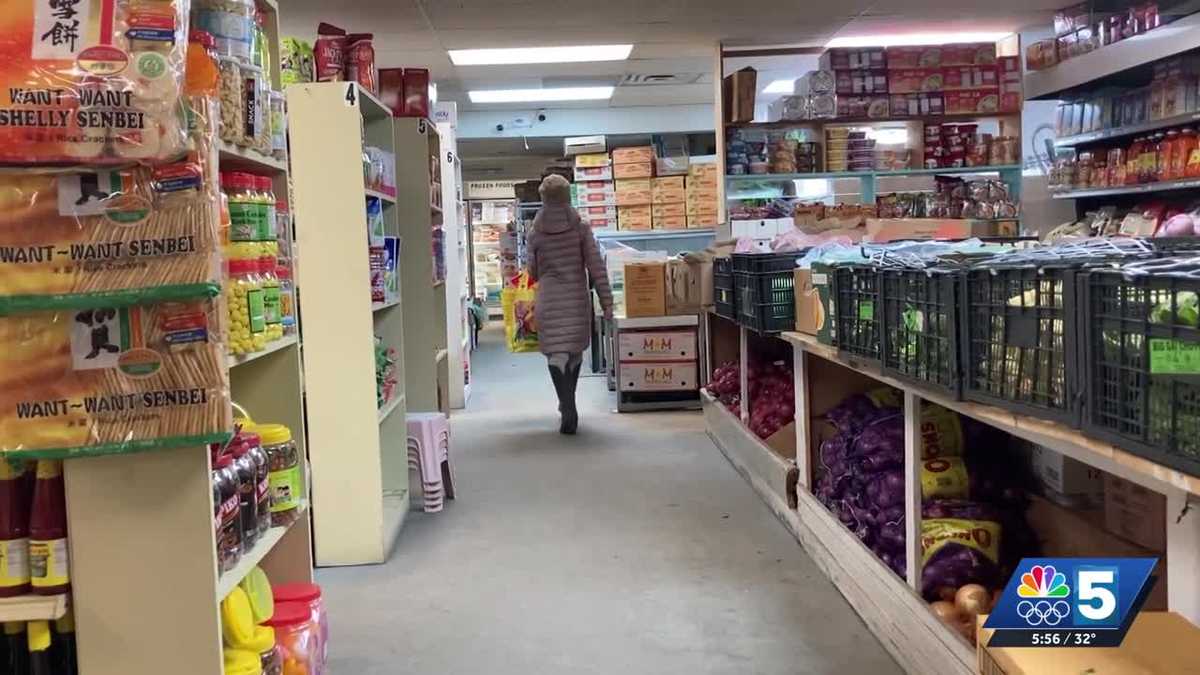
At Asian General Market, shelves are stocked with goods from across Asia.
“I don’t know what’s going to happen tomorrow. There are random decisions that are being made in everyday life. If there is something that is going to be implemented and then tariffs are going to be taken out and the prices are going to be low, then we will just adjust our prices accordingly,” said Anil Khatri, the assistant manager at Asian General Market.
They said when import costs change, they have to adjust prices quickly while trying to keep customers loyal.
US Sherpa in Winooski deals with similar issues, selling handmade goods from Nepal.
“We got hit with 10% tariff. We get these products that we sell made in Nepal. There was 10% tariff in place for Nepal. Aside from that tariff, there was the additional disbursement fee,” said Ongyel Sherpa, the founder of US Sherpa.
Business owners said they’re hopeful but cautious that Friday’s ruling could bring some relief. More than anything, they said they just want stability so they can plan ahead and keep serving their communities.