
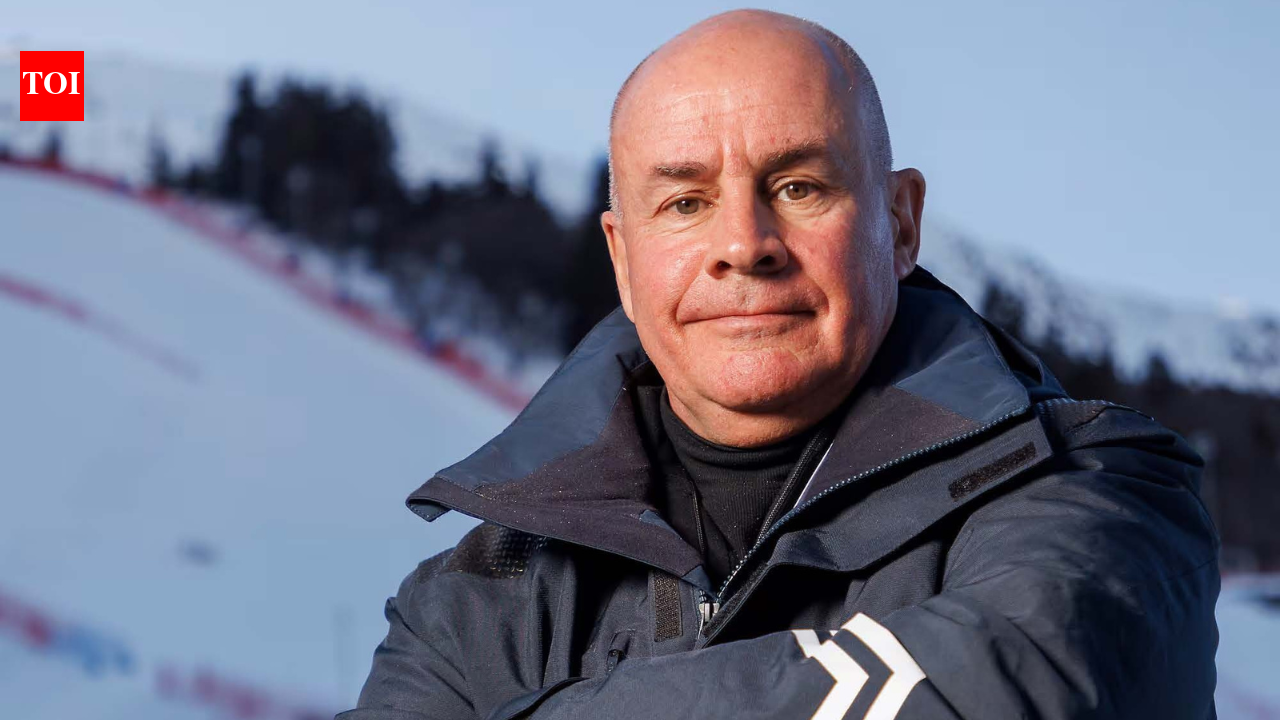
 Johan Eliasch, a Swedish-British billionaire better known for building a global sportswear empire, made an unexpected move in 2005. He bought around 400,000 acres of Amazon rainforest in Brazil, not to exploit it but to protect it. By acquiring a logging company that held rights to the land, Eliasch shut down commercial operations and halted further deforestation on the site. The decision drew global attention, praise from environmentalists, and criticism from others who questioned foreign ownership of rainforest land. It also sparked a wider debate about whether private wealth can play a meaningful role in protecting fragile ecosystems.
Johan Eliasch’s Amazon land purchase shocked observers
Eliasch’s acquisition covered roughly 625 square miles of rainforest near the Madeira River in the Brazilian Amazon. The land had previously been used for logging. After the purchase, commercial logging was stopped under his ownership. At the time, Eliasch described the move as an effort to buy time for the forest, preserving it while governments and international bodies struggled to slow deforestation.The purchase was unusual in scale and intent. Few private individuals had ever acquired such a large section of the Amazon with conservation, rather than profit, as the stated goal.Environmental groups welcomed the move as a bold example of private conservation. Supporters argued it showed how capital could be redirected to protect nature when state enforcement was weak. Critics, however, raised concerns about national sovereignty and the idea of wealthy foreigners owning land in the Amazon. Some Brazilian commentators questioned whether conservation should depend on private ownership rather than public policy.Eliasch acknowledged the controversy and argued that the greater risk lay in doing nothing while deforestation accelerated. 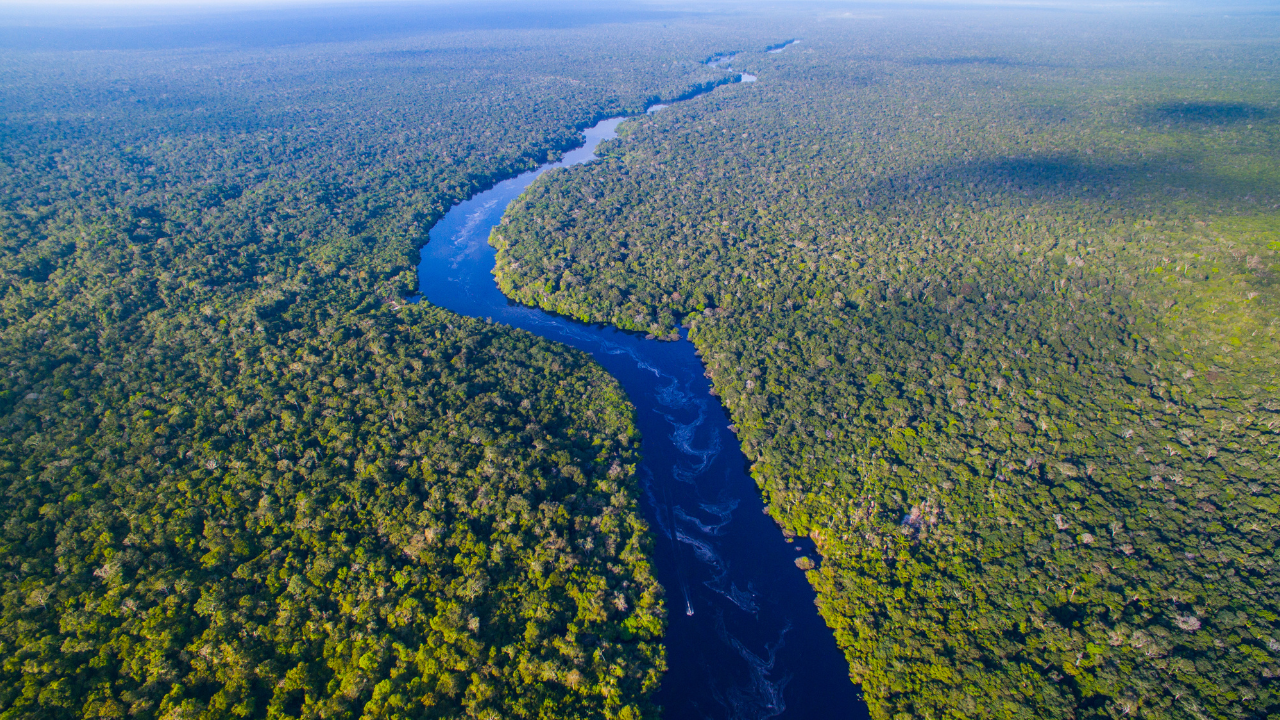
Beyond land ownership
Eliasch’s involvement in environmental policy went far beyond this single purchase. He served as a UK government special representative on deforestation and clean energy, advising on international climate strategy. He also authored the influential Eliasch Review, which helped shape global discussions around reducing emissions from deforestation and forest degradation.In addition, he has supported conservation through organisations such as Cool Earth, which focuses on protecting rainforest by working directly with Indigenous and local communities.While the land purchase prevented logging on that specific tract, experts caution against framing it as a complete solution. Protecting rainforest requires long-term enforcement, cooperation with local authorities, and broader policy action. Eliasch himself has said that private purchases cannot replace systemic solutions but can highlight what is at stake. Some Brazilians and environmental commentators have criticised the notion of foreigners owning Amazon land—even for conservation—labeling it “green colonialism.” Some reports discussed local resistance to this type of outside ownership.The forest he bought remains under protection, but it exists within a wider ecosystem still under pressure from illegal logging, mining, and agricultural expansion.
A larger question about private conservation
Eliasch’s Amazon purchase remains one of the most striking examples of private conservation in the modern era. It raises uncomfortable but important questions. Should individuals be able to buy land simply to keep it untouched? Can private action meaningfully complement public environmental policy? And what happens when personal wealth steps into a role traditionally held by governments?Two decades later, Johan Eliasch’s decision still stands as a rare case where buying land was used not to extract value, but to protect it.