
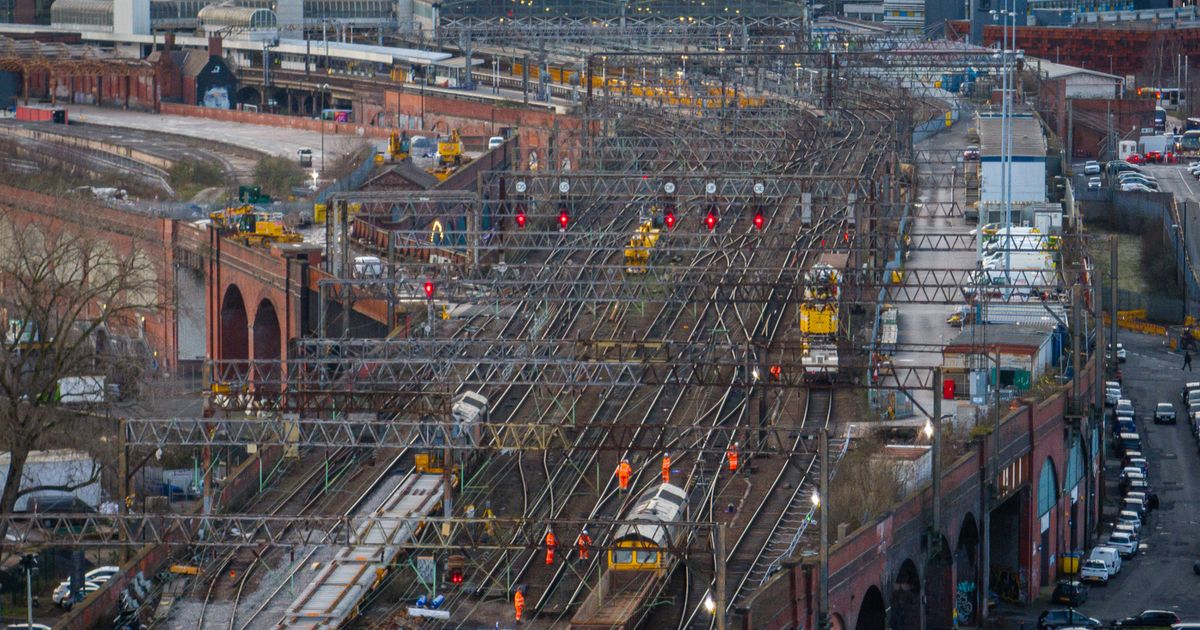
Further disruption has been announced for next month following the major works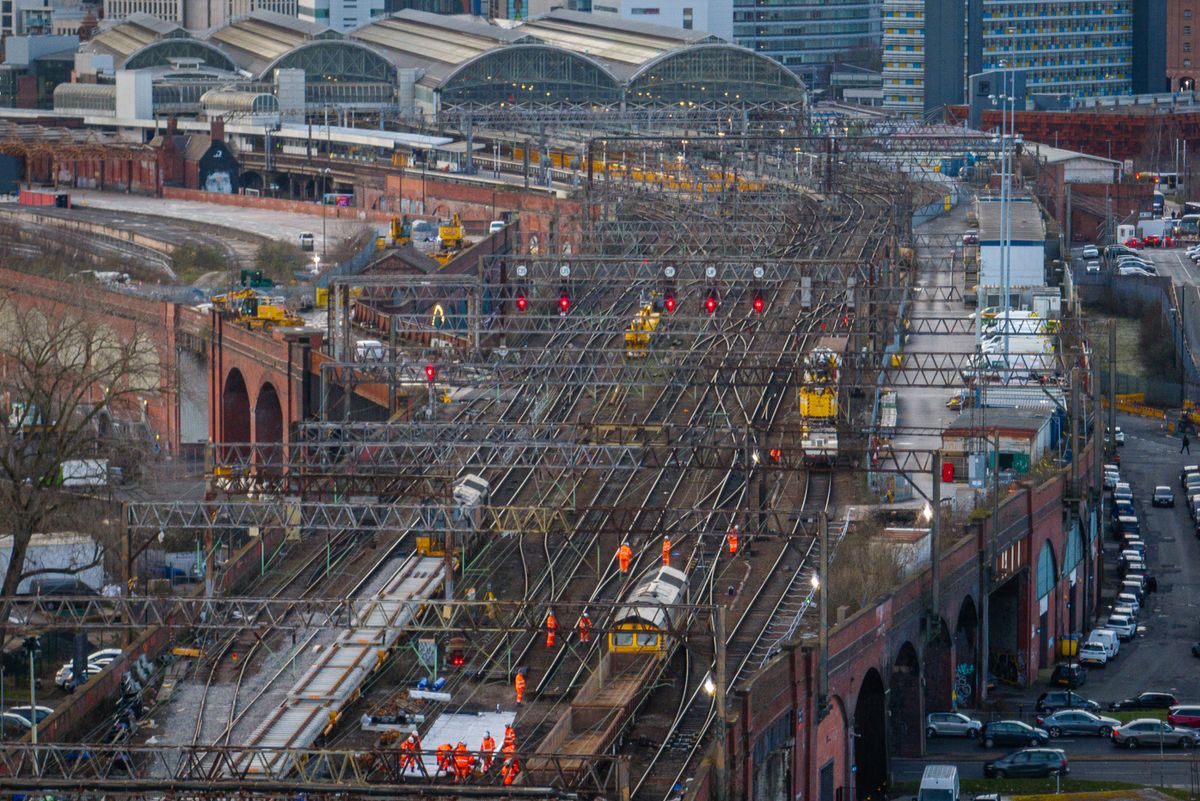
Manchester Piccadilly railway station, the busiest in the north-west, finally re-opened on Monday(Image: Network Rail)
Manchester Piccadilly railway station, the busiest in the north-west, finally re-opened on Monday (February 23) following major ‘once-in-a-generation’ track upgrades.
The major station, which connects Manchester to destinations like London, Edinburgh and Birmingham, was hit with a nine-day closure for the £8m project. It was almost fully shut over the February half term, with platforms 1 to 12 closed as track and signalling upgrades were carried out.
The closure resulted in one of the largest rail replacement bus operations the city has seen, with one bus departing Manchester and Stockport every two and a half minutes in each direction on average. In total over the nine days, there were 8,922 replacement bus services organised for rail passengers.
Click here to prioritise Manchester news in Google from the MEN
And further disruption has now been announced in March, with routine follow-up work carried out. This is to ‘secure the new railway foundation stone’ with a process called tamping, Network Rail said.
It will affect travel on Sunday (March 1), and again on March 22. This will impact trains from the station until lunchtime on both days. Passengers are being advised to check online if they are planning travel on those days.
During the nine-day closure, no services were running from Piccadilly to the south or east. Network Rail has invested to replace ageing infrastructure on the southern approach to the station – much of which dates back to the 1980s. Bosses said the investment will significantly improve the reliability of the station, which serves around 400,000 trains annually.
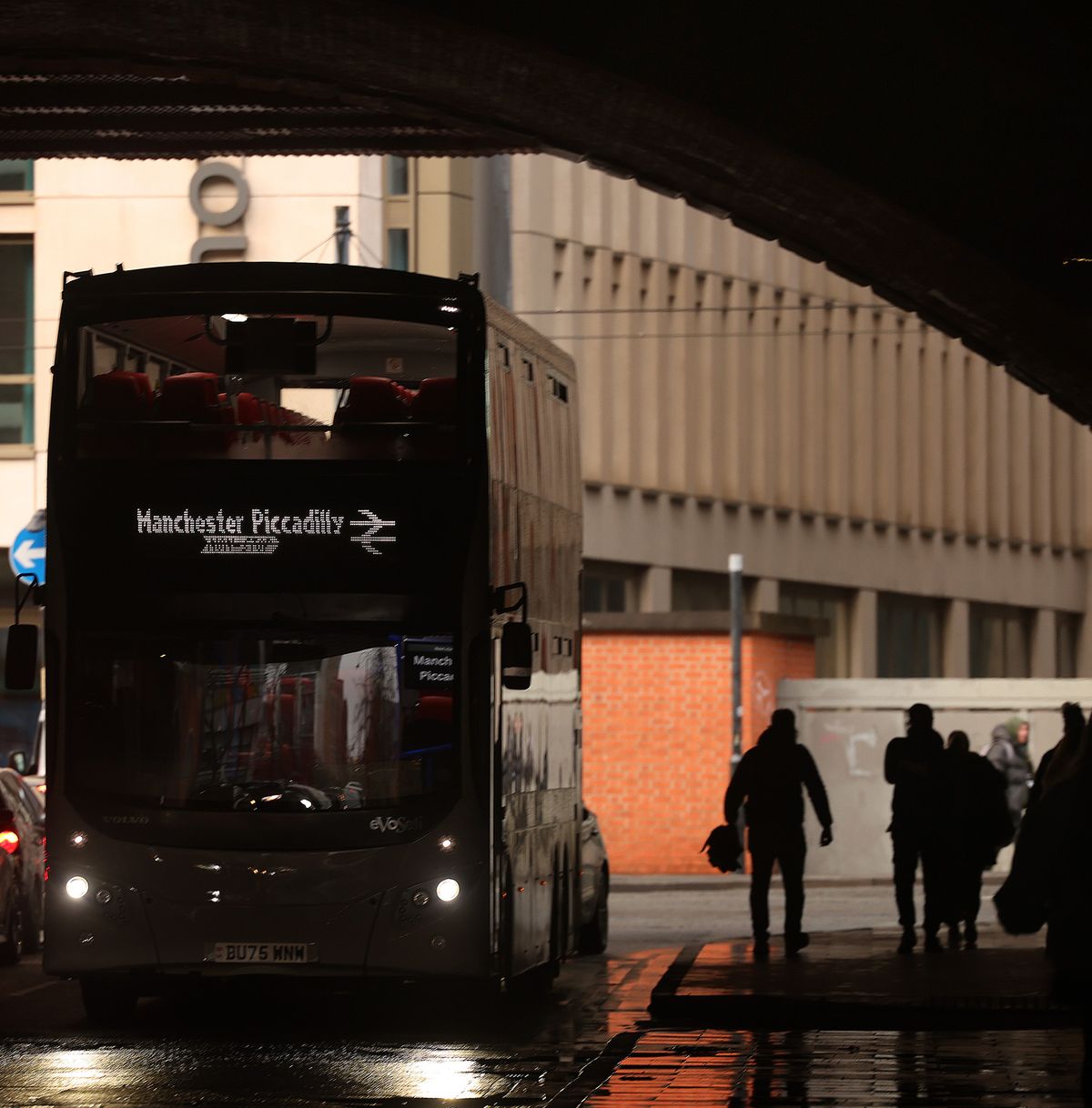
Almost 9,000 replacement buses were used during the closure(Image: Sean Hansford | Manchester Evening News)
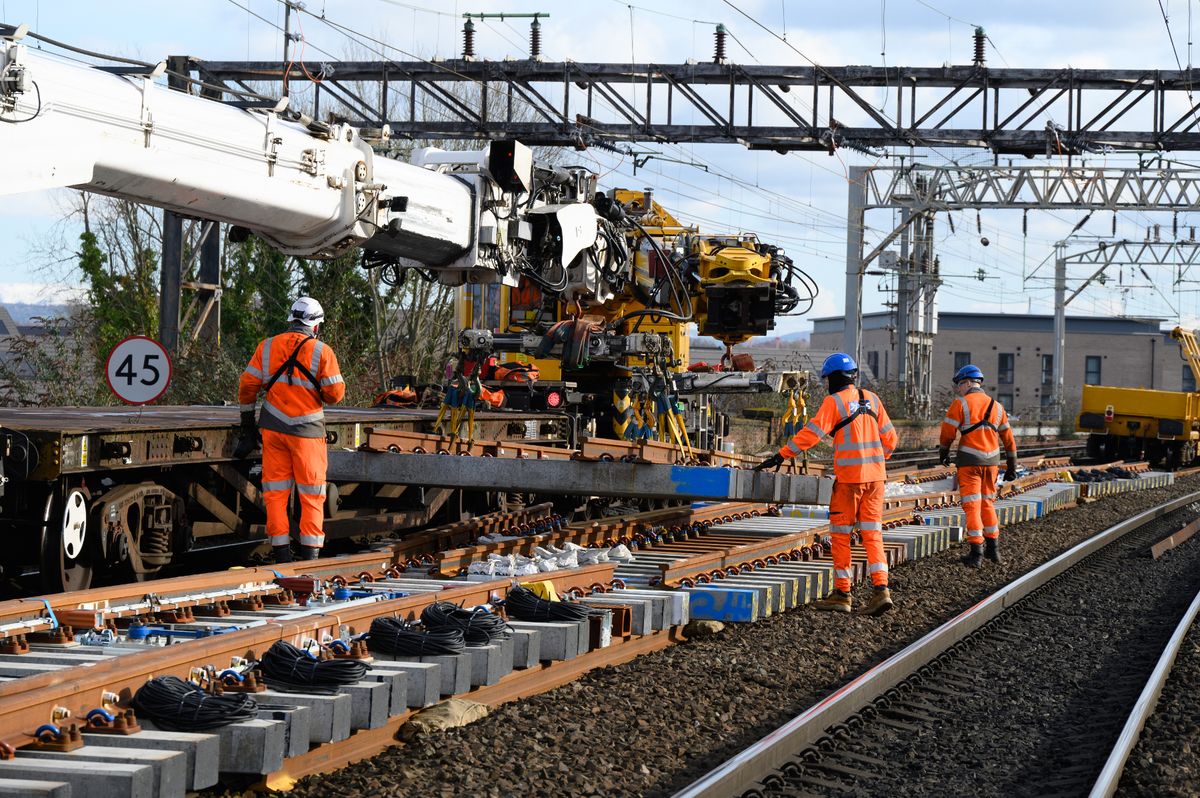
On Monday (February 23), the station finally re-opened to passengers as normal. Network Rail has now revealed the extent of the work carried out during days of ‘intense’ work, which included the overhaul of tracks across six lines.
Engineers have replaced eleven sets of points, 9km of signalling and telecoms cabling, 4,000 timber sleepers and 5,500 tonnes of new railway foundation stone. Improvements also took place inside the station, including the repainting of platform edges, improvements in emergency lighting and a litter pick on the tracks between platforms.
Manchester Piccadilly was almost fully shut over the February half term, with platforms 1 to 12 closed as track and signalling upgrades were carried out(Image: Network Rail)
Network Rail said it is estimated that the Piccadilly corridor carries as much as 30 million tonnes of traffic each year. Each day, around 908 passenger services and 28 freight cross the path, with over 38 million journeys made between 2023 and 2024.
Brian Paynter, Network Rail Capital Delivery track director, said: “We would like to say a big thank you to passengers for their patience while this once-in-a-generation upgrade has taken place over the last nine days. Manchester Piccadilly is one of the country’s busiest stations and it’s a key hub for people travelling to the North West.
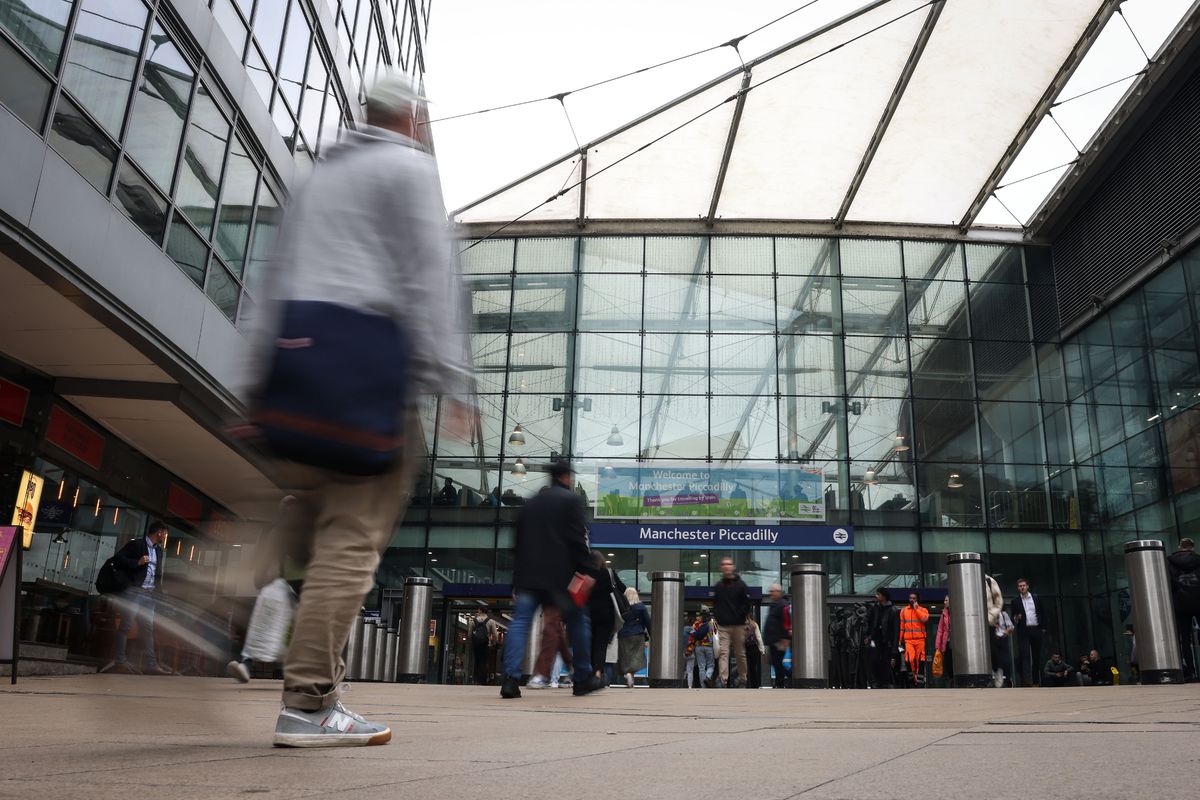
It is one of the country’s busiest stations(Image: Manchester Evening News)
“Upgrading the track over six lines in what’s known as the Piccadilly corridor will make journeys more reliable and the points and signalling systems less prone to faults – meaning fewer delays for passengers. It’s all part of our long-term commitment to invest millions of pounds to make the North West’s railway fit for the future.”
Simon Elliott, network director for rail at TfGM, added: “This was a once in a generation piece of work that will future-proof journeys for people travelling to and from Manchester Piccadilly train station for years to come.
“By working together with partners across the rail industry we were able to keep people moving and we would like to thank everyone for their patience while these works took place and all of our colleagues who helped people to make their journeys on Bee Network trams and buses.”