
Since its inception, Marseille-based publishing house Chose Commune has established itself as a sensitive laboratory for artistic photography. With five recently published new books, it confirms its commitment to unique visual writing, often woven with intimacy, memory, territory, or introspection. These books, each in their own way, map inner realities that are as political as they are personal. Blind magazine offers you a selection of five photographic books.
Plates I–XXXI by Lia Darjes
© Lia Darjes
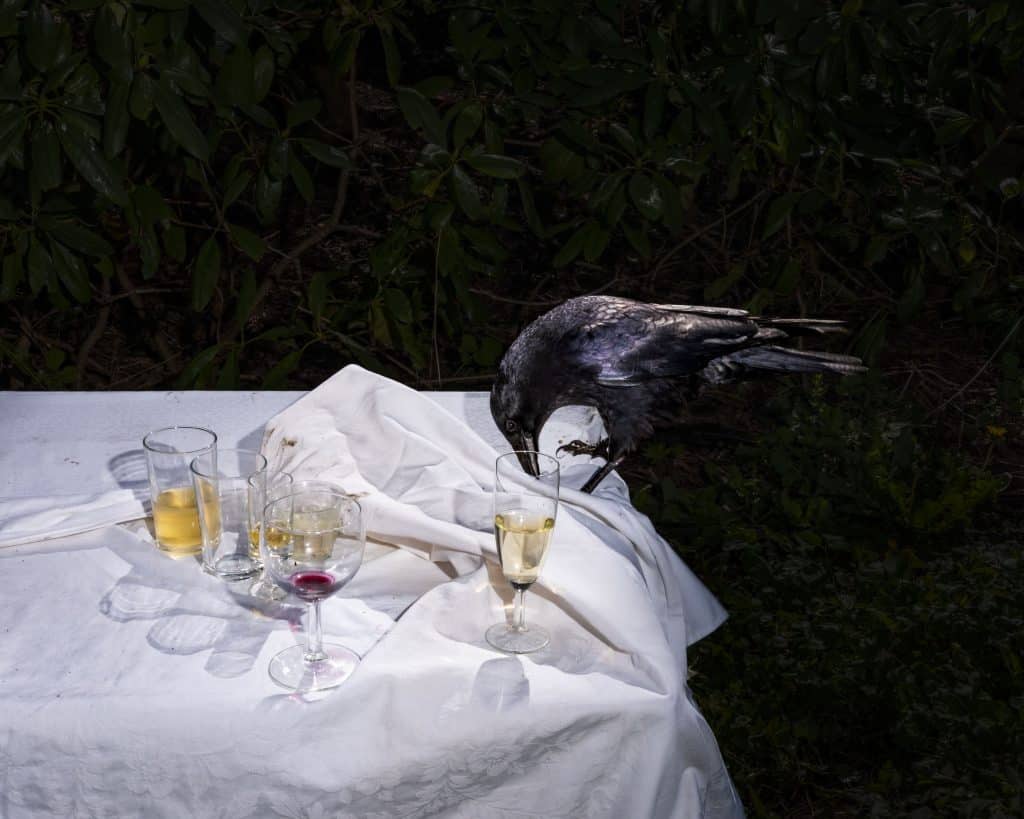
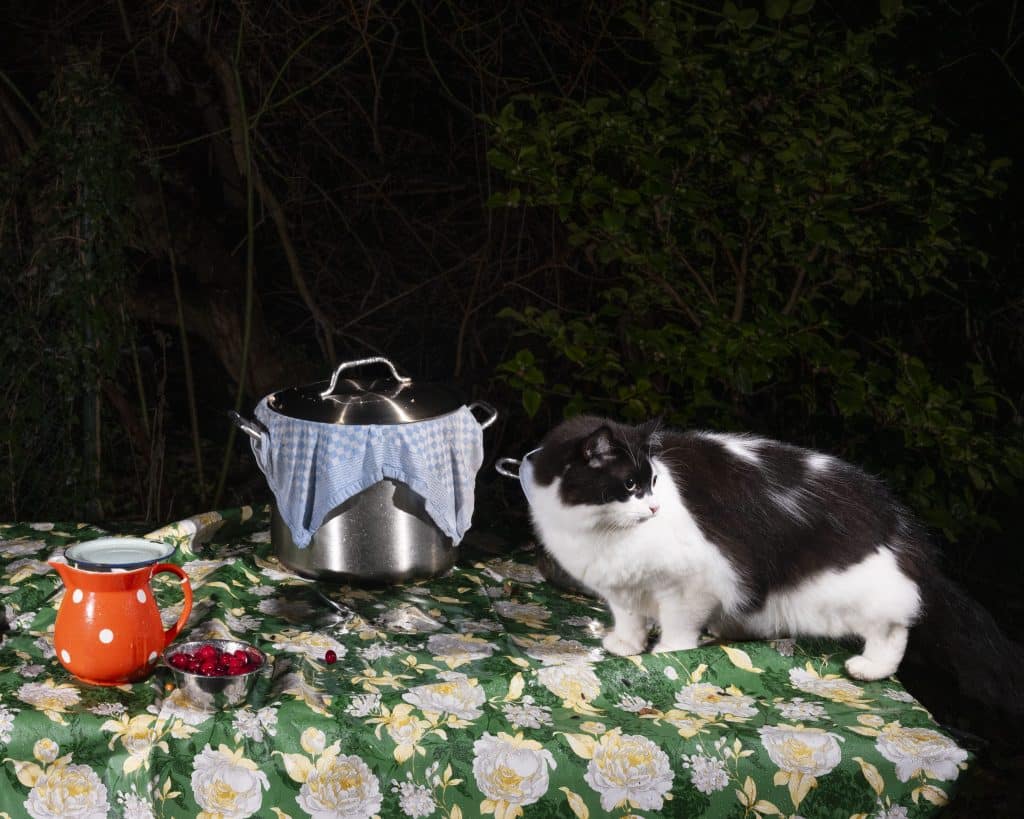
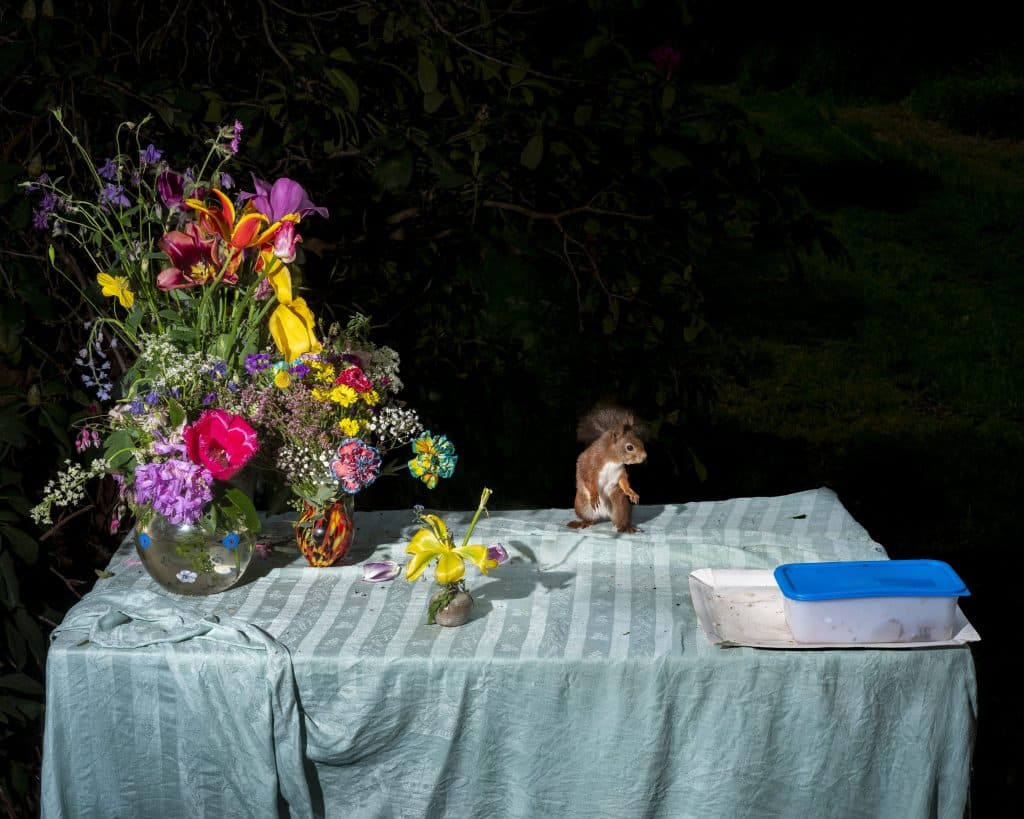
With Plates I–XXXI , Lia Darjes invites us to a game of sensory hide-and-seek where the guests are slugs, tits, squirrels, ants, and other furtive creatures. This book is a miniature theater set up in the hollow of gardens, where the artist places the remains of a meal and leaves it to her camera to watch for the unexpected. At the crossroads of documentary and installation, this series subtly evokes the still lifes of the Dutch masters—those whom Darjes admires—while updating them in a contemporary temporality: that of patience, controlled chance, and attention paid to small beings and their world. These are not constructed scenes, but abandoned stagings, given over to the spontaneity of the living. The camera, triggered by movement, then captures a world that we thought was innocuous and which suddenly reveals itself to be full of poetry. Composed of 31 vividly colored photographs, the book is a silent meditation on the small life that surrounds us. There is a rare attention to the ordinary, a respect for these presences that our gaze too often forgets. Darjes, who now teaches photography at the Ostkreuzschule für Fotografie in Berlin, continues here a sensitive body of work begun with Tempora Morte , her project on the stalls of Kaliningrad. With Plates I–XXXI , she delves even further into this vein of poetic documentary, where still life becomes the site of a discreet revelation.
© Lia Darjes
© Lia Darjes
Between the skin and sea by Katrin Koenning
© Katrin Koenning
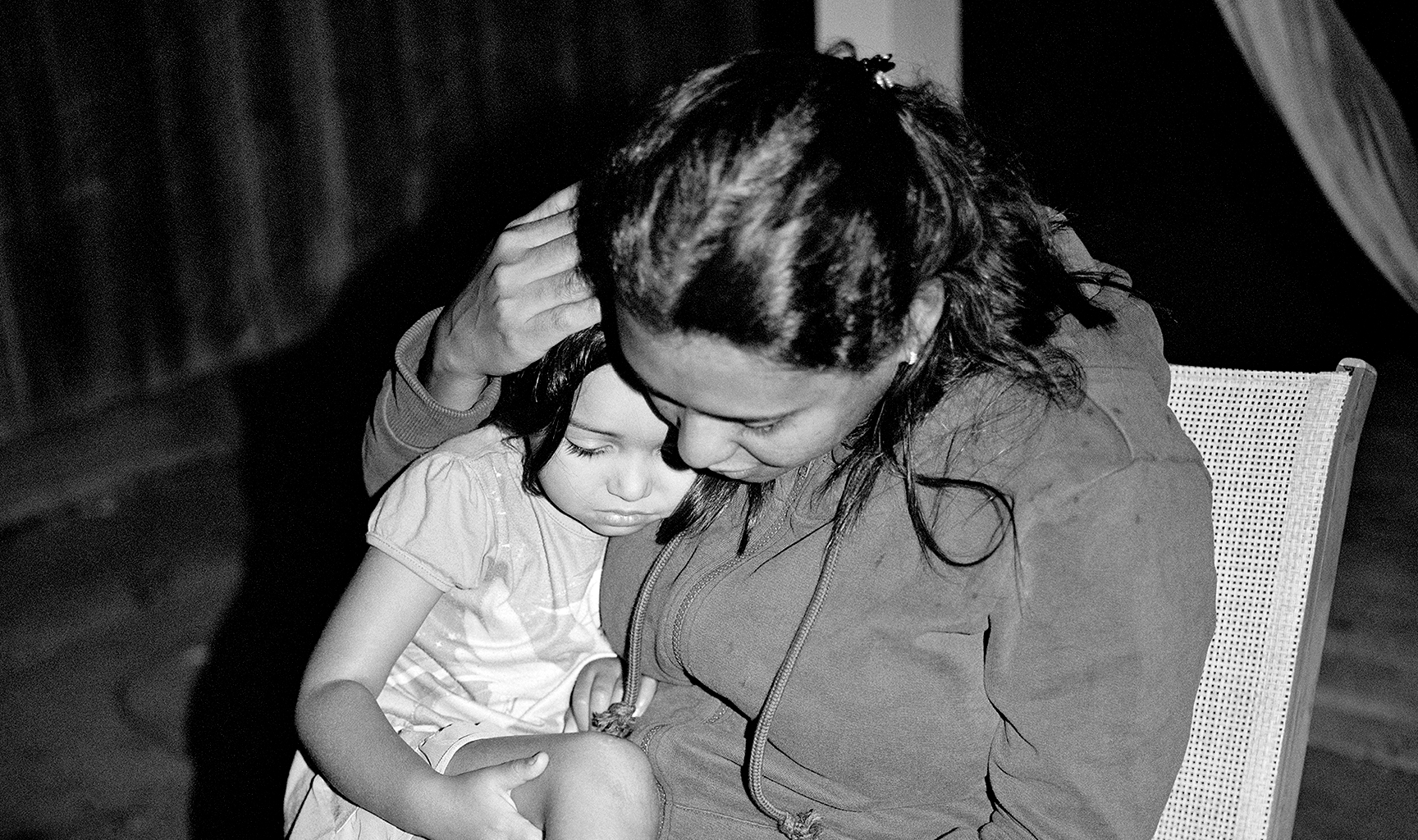
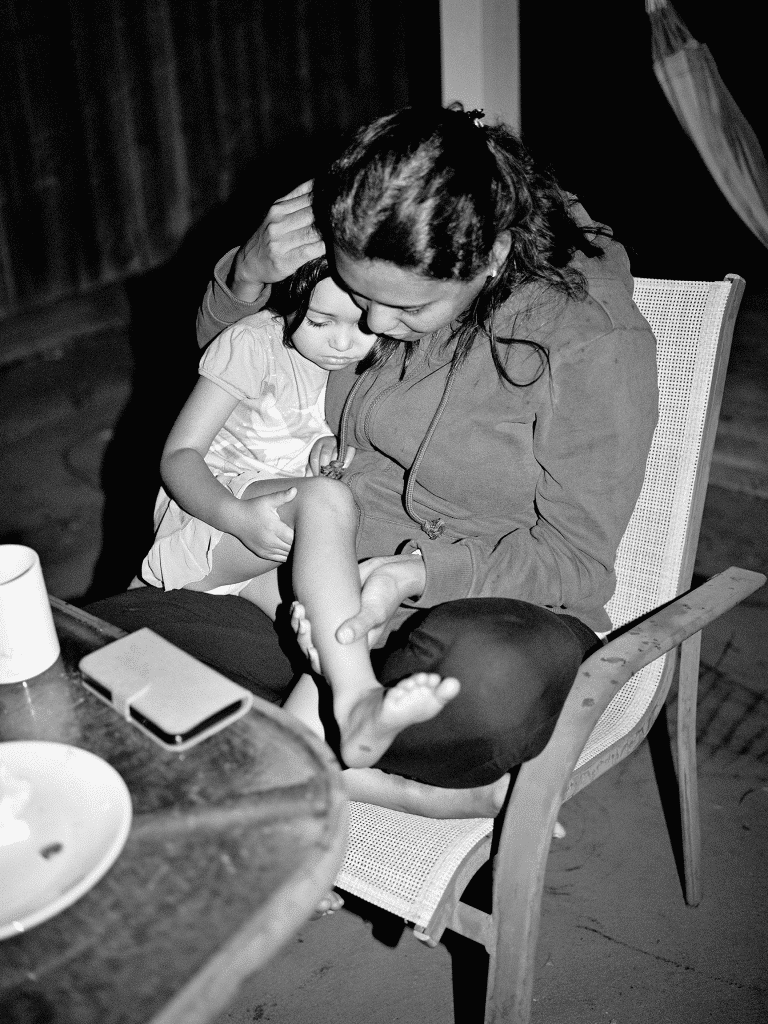
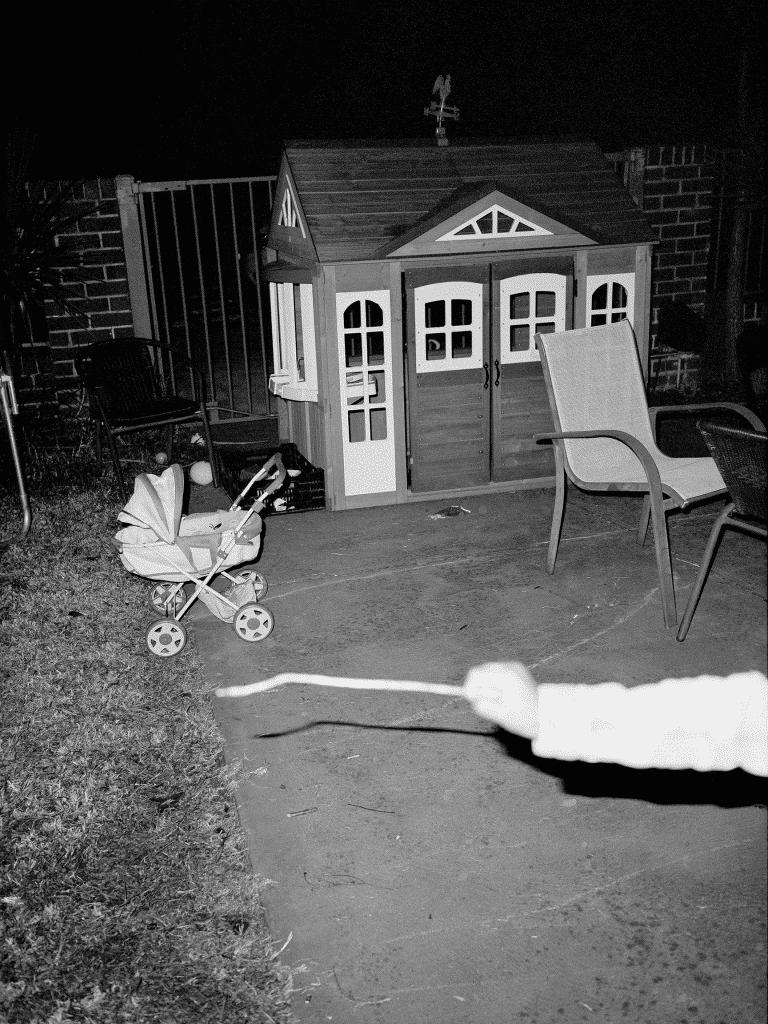
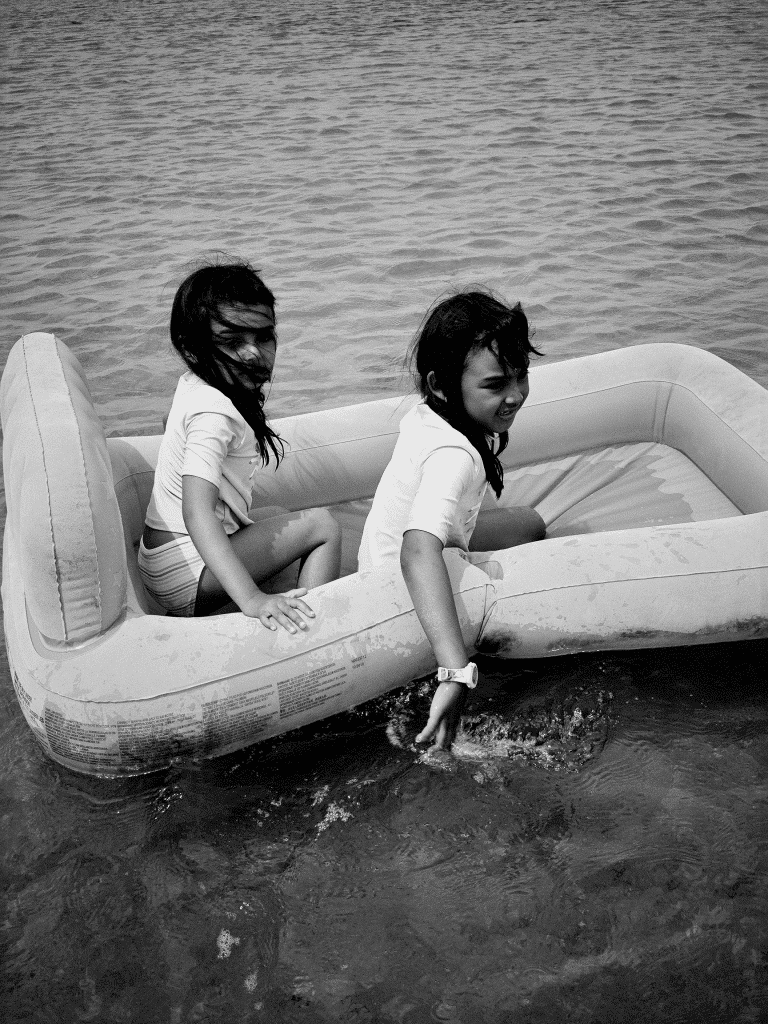
In this poignant first monograph by German-Australian artist Katrin Koenning, photography becomes living memory. This book, born between 2020 and 2023, spans three years of global and personal upheaval—forest fires, mourning, a pandemic—and takes up residence in a restricted, almost immobile space: taken as close as possible to the artist’s personal sphere, these photographs reveal fragments of relationships, subtle interactions, and profoundly human connections. It is from this assumed hyper-locality that Koenning draws the strength of a visual narrative of rare intensity. The territory she explores is also that of connection—to loved ones, to the absent, to the elements—and of the ever-renewed attempt to inhabit the present. The images, imbued with shadow and light, with silences, capture a nostalgic density. Fragments of faces, objects, landscapes, bare branches, beloved bodies. The book traces the contours of a fragile refuge, an archipelago of shared intimacies. Koenning invokes photographs that trace “webs of love, grief, kinship, refuge, and repair” —all invisible threads that weave a world in reconstruction.
© Katrin Koenning
© Katrin Koenning
Popihuise of Vuyo Mabheka
© Vuyo Mabheka
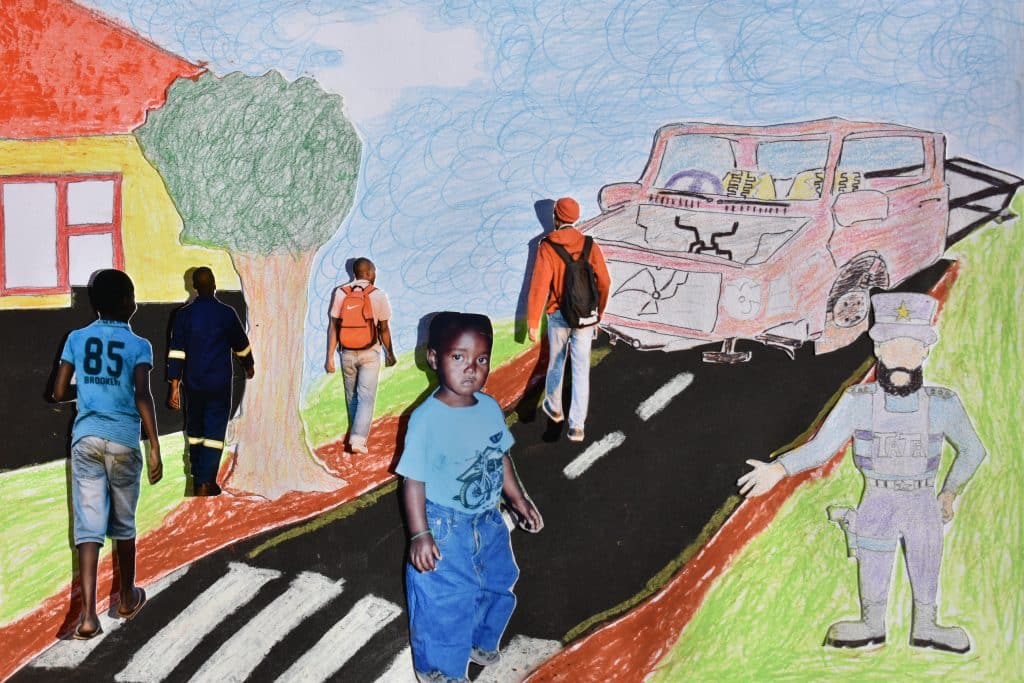
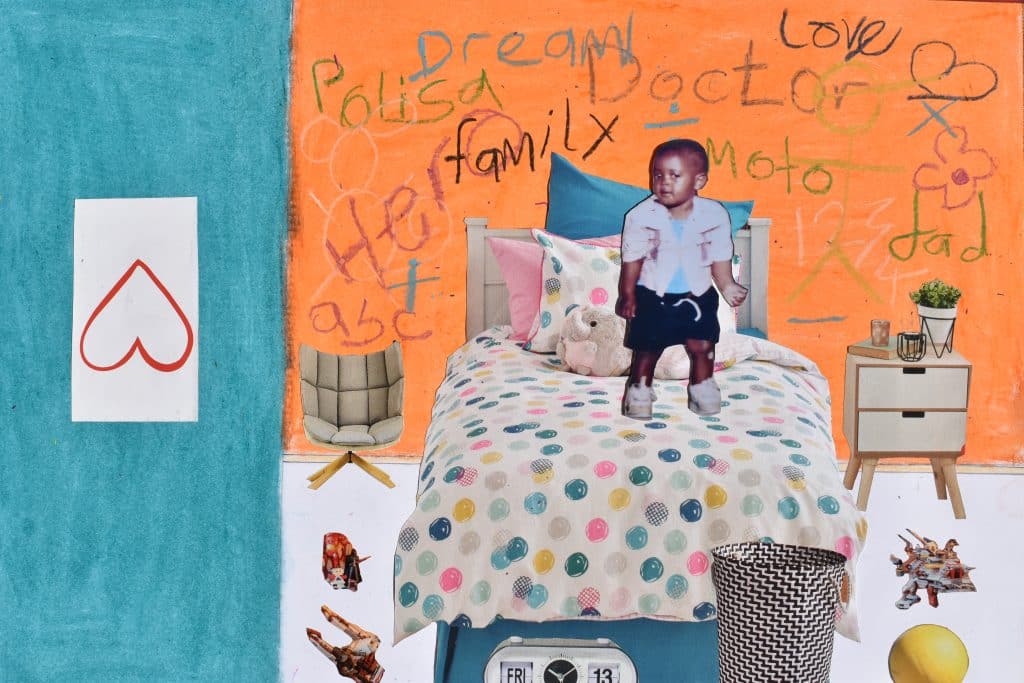
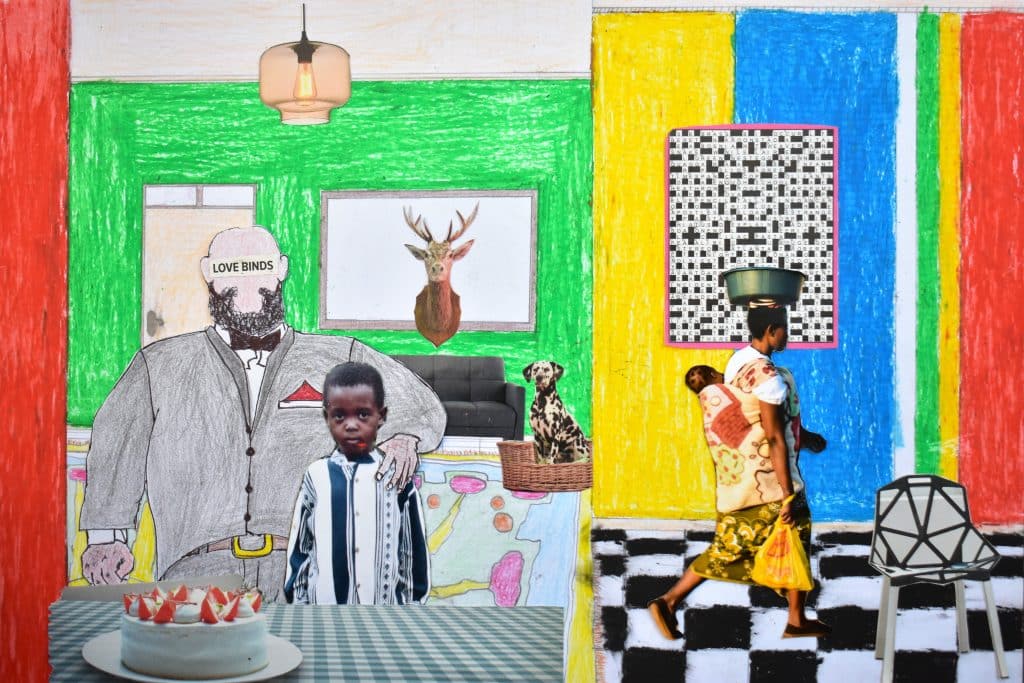
With Popihuise , Vuyo Mabheka’s first book, Chose Commune continues its work publishing intimate and political photography. The book, whose title takes its cue from the Afrikaans word pophuis – literally “doll’s house” – unfolds as the rewriting of a memory in ruins and reconstruction. A place where childhood memories, real or imagined, collide in poetic chaos. Born in 1999 in Libode, in the Eastern Cape of South Africa, Mabheka anchors his work in the multiple layers of his personal history, marked by absence and violence, but also by imagination and resilience. Popihuise is an attempt at repair through images, a fragmented rewriting of the artist’s wounded memory. It assembles archival photographs, cobbled-together collages, drawings, staged scenes, and portraits. He summons the ghostly figures and presences of his life—an absent father, imaginary friends, faceless silhouettes—who populate the interstices of his biography. The aesthetics of childhood diary and naiveté flirt with the brutality of reality. Burning tires intersect with abandoned toys and flowering trees; graffitied walls become canvases of expression; faces, partly erased or masked, challenge our gaze. His work bears within it the stigmata of a colonial legacy as much as a breath of reinvention. “Popihuise is my story,” he states in the text that accompanies his images—a fragment of confession. Popihuise is an attempt to reconcile with the child one was, or would have liked to be. And through it, with a whole hidden part of South African history.
© Vuyo Mabheka
© Vuyo Mabheka
1960-1980 of Fusako Kodama
© Kodama Fusako Shinjuku
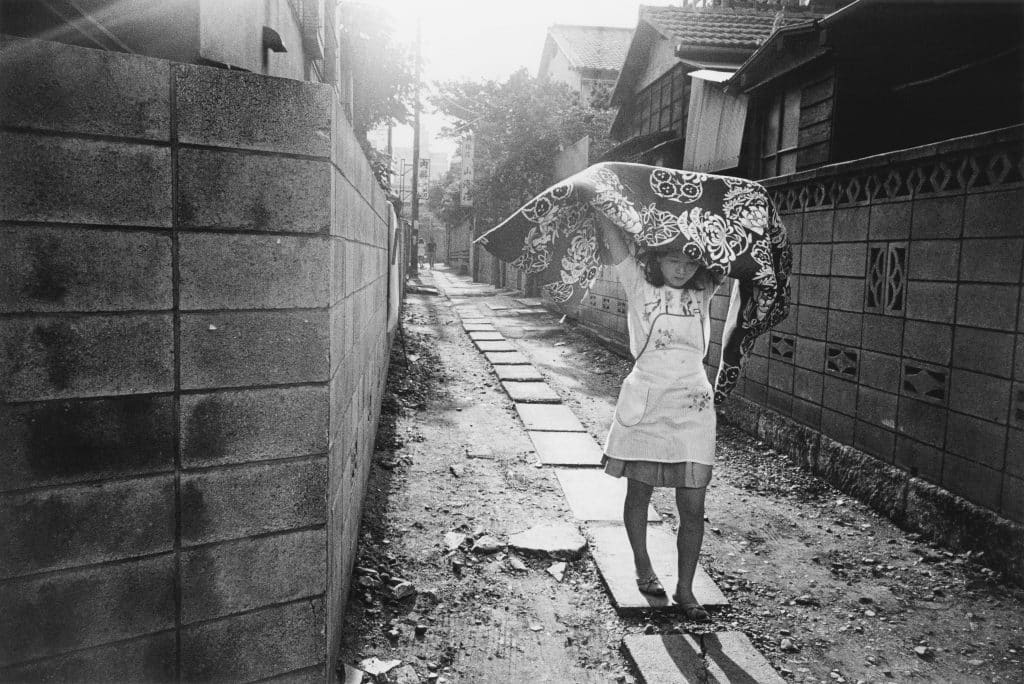
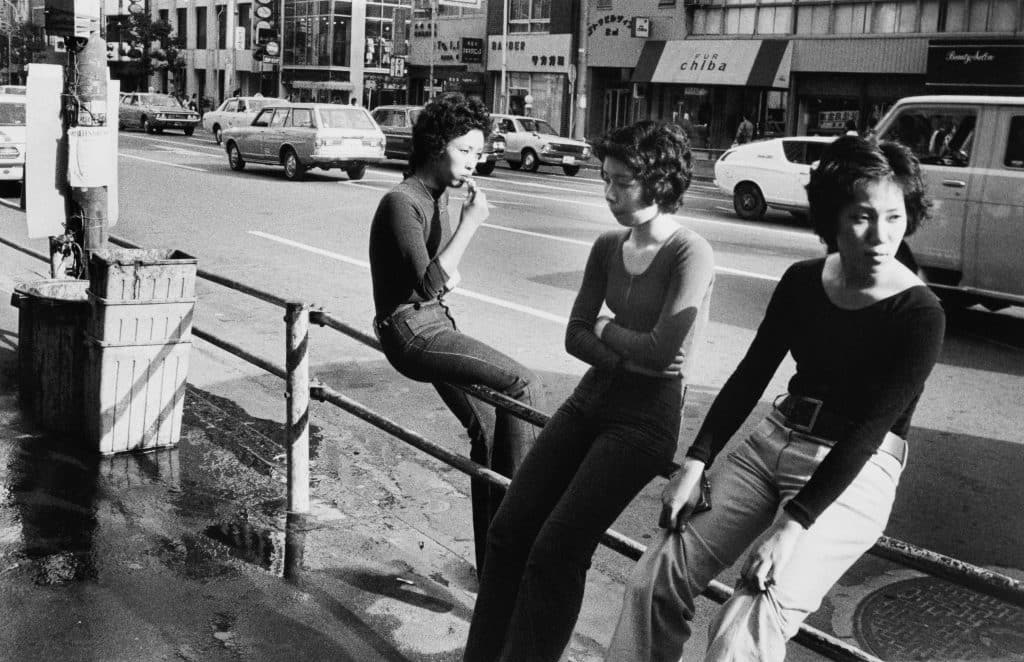
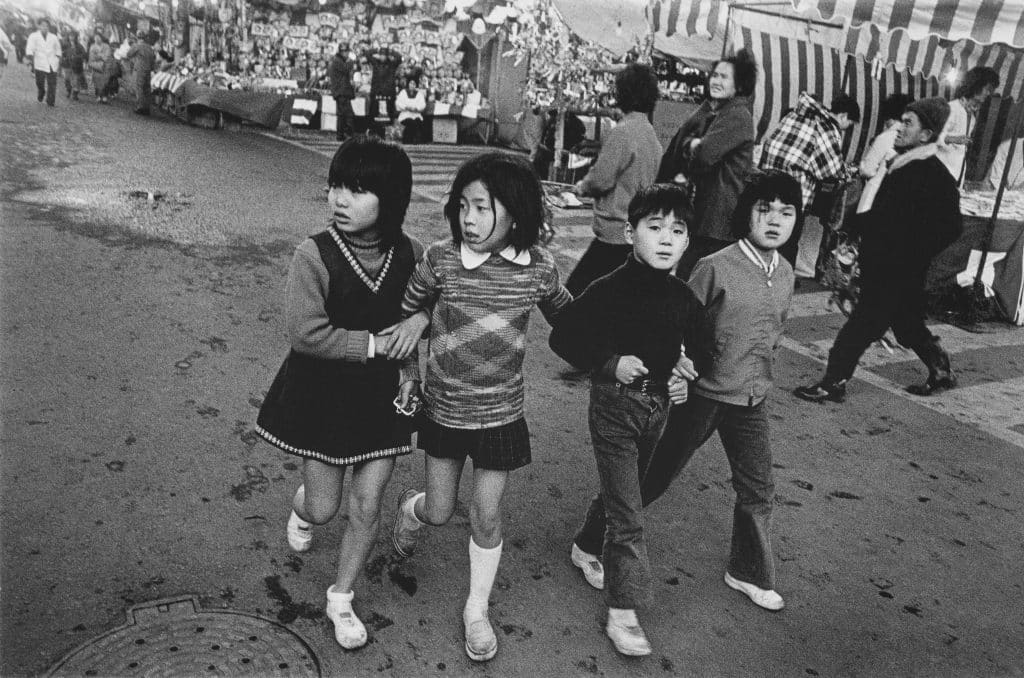
With 1960-1980 , Chose Commune unearths the vibrant work of Fusako Kodama, a Japanese photographer unjustly overlooked in the West. This book, the first to be dedicated to her outside of Japan, captures the essence of a country in full metamorphosis, where urban chaos embraces the poetry of everyday life. Born in 1945, trained by masters Seiiji Otsuji and Yasuhiro Ishimoto at the Kuwasawa school (heir to the Bauhaus), Kodama developed an instantly recognizable style: instinctive frames, offbeat perspectives, bodies captured in their momentum. Her images, taken on the fly between Tokyo, Osaka, and the countryside, reveal a Japan torn between tradition and modernist frenzy. A man in a suit crosses Shinjuku, blurred like a hurried ghost; children play in the alleys, their shadows stretching across the concrete. The book, designed with an almost choreographic attention, echoes the typical silver halide prints of 1970s film and captures the rhythm of her urban wanderings. By deploying a subtle grid between agitation and lightness, Kodama captures the changing mood of a Japan where frenetic urban planning and collective memory confront and coexist. 1960-1980 is not only an unexpected return to a pivotal decade: it is the rediscovery of a sensitive and lucid photographer, a flâneuse who dances with the world.
© Kodama Fusako Shinjuku
© Kodama Fusako Shinjuku
Screenshots from a series of videos about a rice field and its surroundings Cintia Tortosa Santisteban
© Cintia Tortosa Santisteban
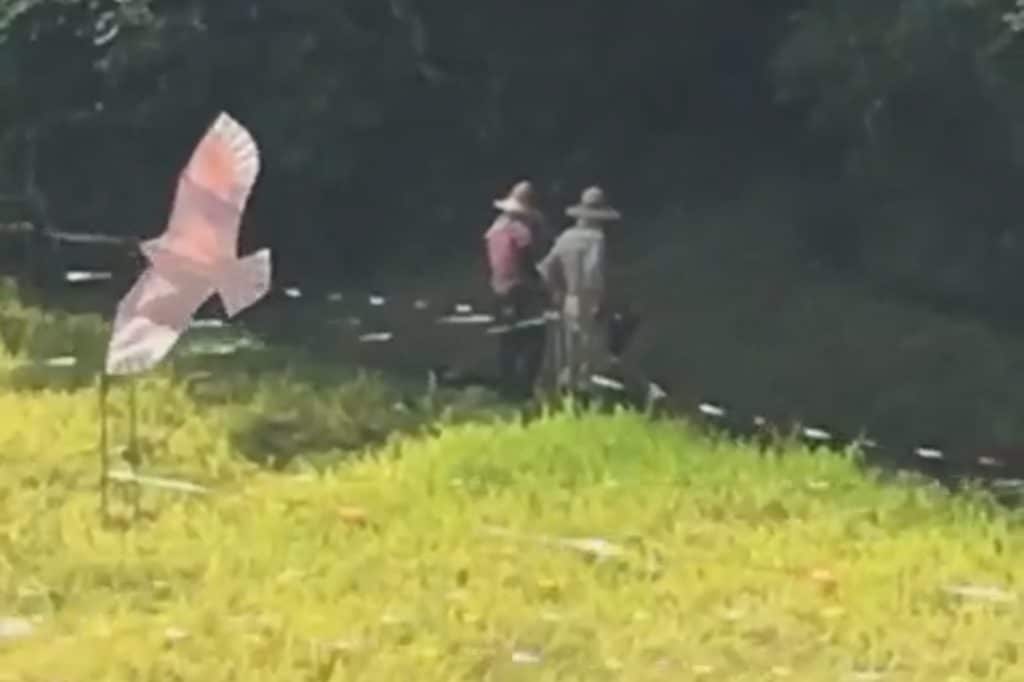
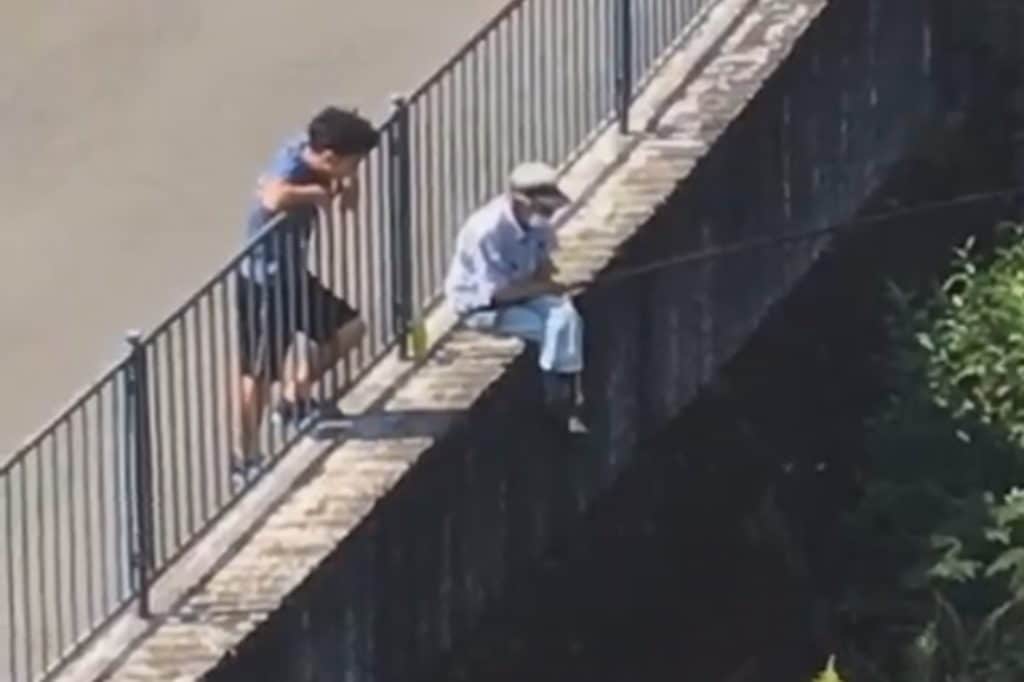
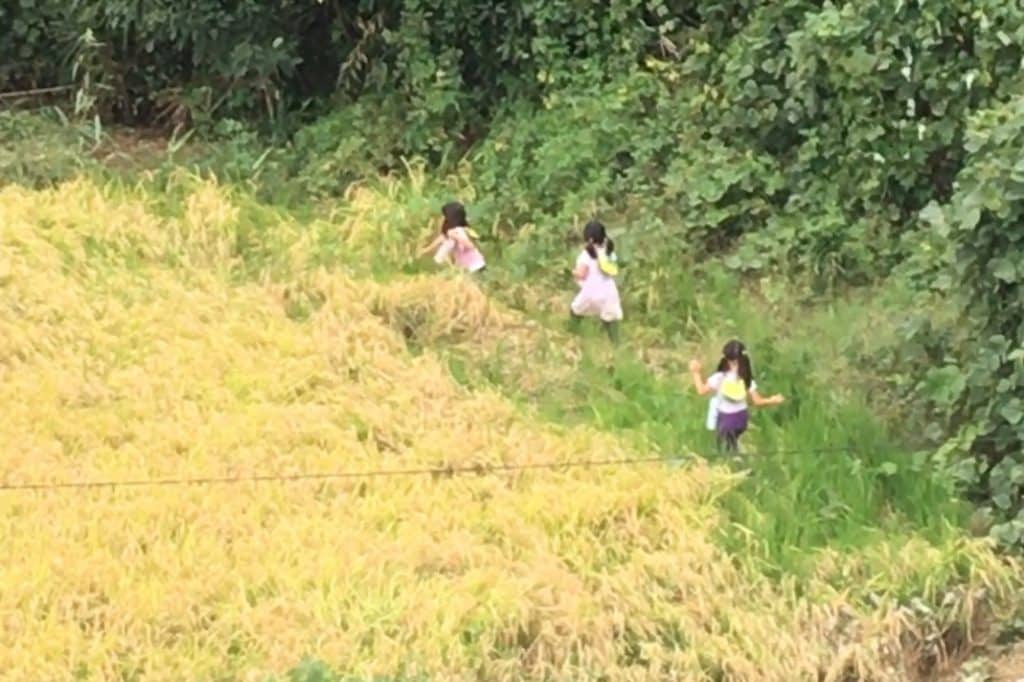
With Screenshots from a series of videos about a rice field and its surroundings , Cintia Tortosa Santisteban has created an observatory book of rare delicacy. This first work, born from a daily practice as modest as it is rigorous, elevates the banal to the rank of silent intrigue. From the 5th floor of her apartment in Kanagawa, Japan, the Spanish artist films the same rice field every morning, with the regularity of a Buddhist monk. ” Cintia Tortosa Santisteban contemplates this daily life like a soap opera, made up of ephemeral and always singular moments, which reveal the hidden details of days that follow one another without ever being alike. ” Three years of video archives, a thousand sequences condensed into a hundred still images that tell the story of the permanent metamorphosis of reality. Under her lens, a puddle becomes a mirror of the sky, the shadow of a passerby turns into an ephemeral trace, the sheaves of rice change with the seasons. With no formal training in photography, Tortosa Santisteban draws her visual language from literature and its sensitivity to the melancholy of fleeting things. Her screenshots, often blurry or grainy, embracing their ” digital trash ” quality , transform technical flaws into poetic virtues. This book is an exercise in paying attention to the world. The old woman with the umbrella, the children, the peasants, the fishermen, the bicycles, the mothers with their babies—they compose a miniature human comedy before our eyes.
© Cintia Tortosa Santisteban
© Cintia Tortosa Santisteban