
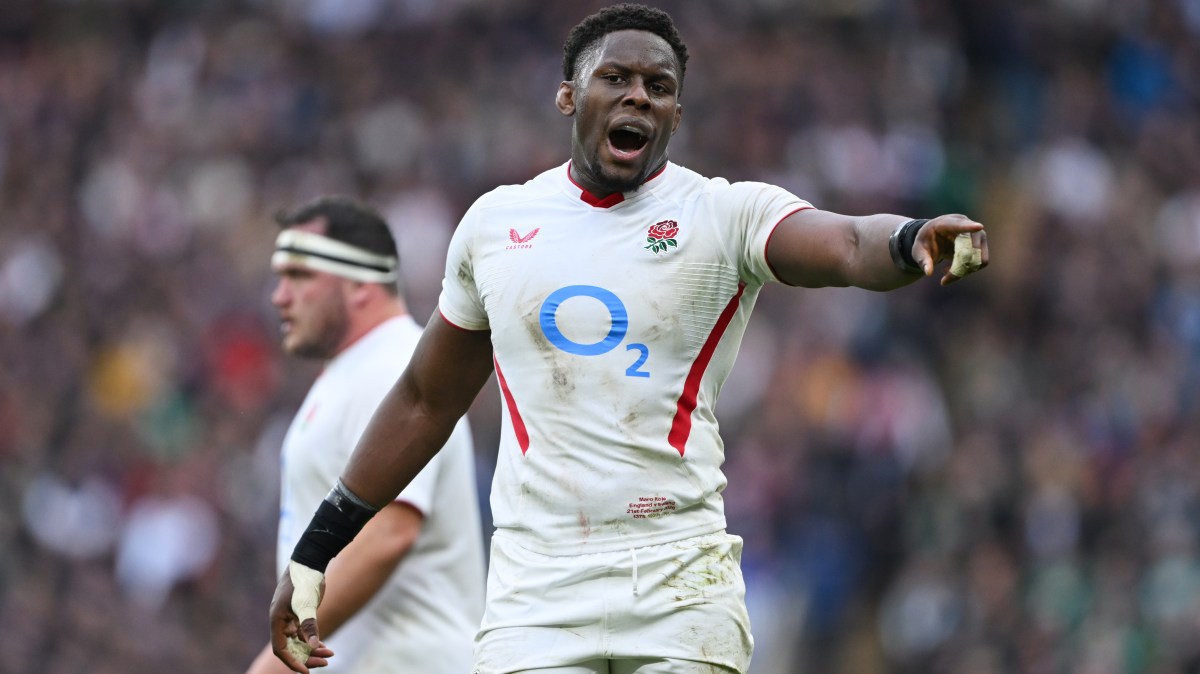
Maro Itoje’s 100th England cap began with a hint that he might be returning to his sharpest.
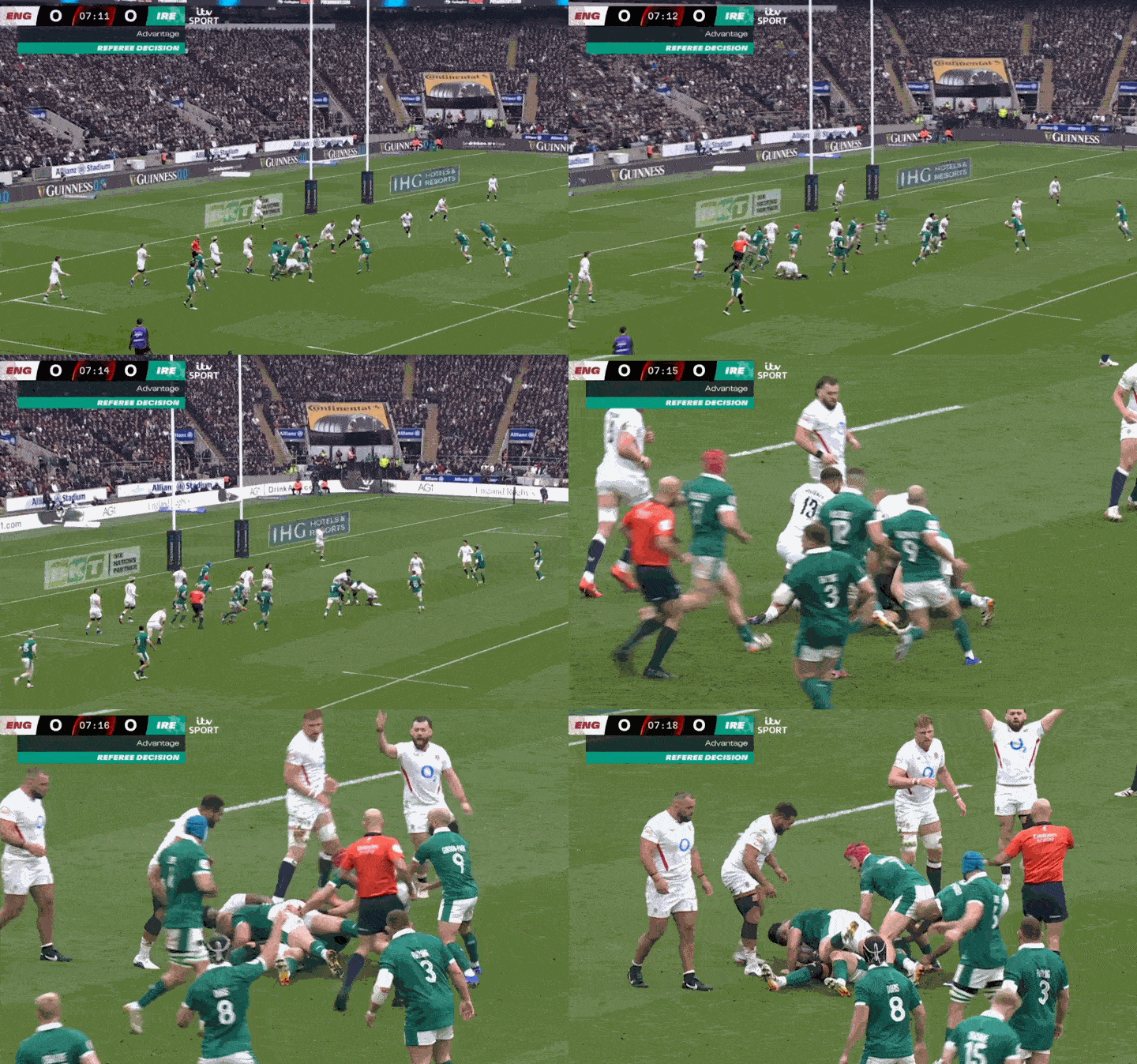
Seven minutes in, after a savage maul turnover from Joe McCarthy, Ireland were pummelling away inside the England 22 until Garry Ringrose was lassoed by Ollie Lawrence. Itoje burrowed in and clamped over the ball. Jeremy Loughman barged him backwards, but Andrea Piardi, the referee, had seen enough and blew his whistle.
Unfortunately for England, their opponents had been playing under penalty advantage. Itoje’s intervention only meant that the visiting side settled for three points, via an easy kick for Jack Crowley, rather than five or seven. Still, a copybook turnover suggested that he had put another Murrayfield defeat behind him and could mark his magnificent milestone with an influential performance.
An hour or so later, England surely scented a shot at redemption. Lawrence’s try had reduced the deficit to 29-14, with a yellow card for the Ireland full back Jamie Osborne presenting a window for the home team to save themselves, or at least set up a nervy finish.
It was at this point that Steve Borthwick opted to replace his figurehead. Itoje has been England’s marathon man. His capacity to endure the entirety of Test matches was outlined as a key reason why he succeeded Jamie George as captain, because the latter had been splitting shifts 50-30 with Luke Cowan-Dickie.
If it had been jarring to see Itoje leave the field before the final quarter against Scotland, this reinforced a suspicion that the 31-year-old remained short of full fitness. Borthwick acknowledged as much afterwards, explaining that his captain was “in very good condition” yet still developing his “sharpness”, having only appeared in three matches for Saracens since November.
Itoje missed the beginning of England’s pre-tournament camp in Girona, Spain to attend the funeral of his mother, Florence, in Nigeria. In a typically eloquent interview with the BBC’s Rugby Union Weekly podcast, he admitted that it felt like he had missed “a lot more” than two days of training because of how much the squad had “moved forward”.
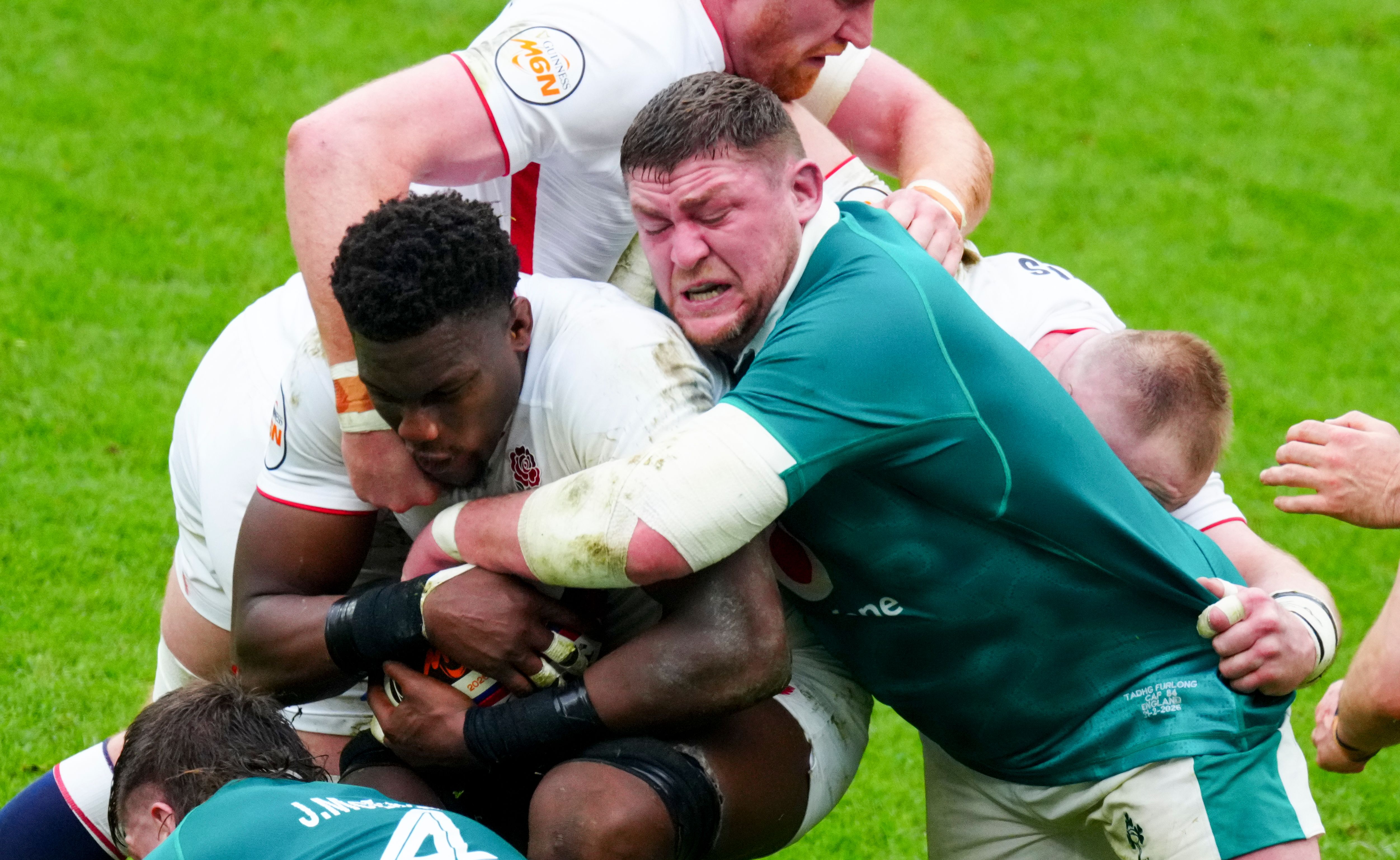
England’s breakdown was better with Itoje on the pitch
JAVIER GARCIA/SHUTTERSTOCK
Borthwick will have thought long and hard about how to look after Itoje, who has been comforted by his Christian faith. Everyone confronts grief differently, but it can be emotionally exhausting. And then you factor in wider context. The first competitive game of Itoje’s 2024-25 season took place on September 21 at Kingsholm. The last was on August 2, almost 11 months later, for the British & Irish Lions in Sydney.
As noted by The Telegraph, Itoje has accumulated more than 1,000 minutes of Test rugby union more than anyone else on the planet since his debut a decade ago. He is in uncharted territory.
Last week, many paid tribute to Itoje’s remarkable consistency. He occasionally becomes a victim of this high bar, with merely decent displays going unappreciated because they feature fewer eye-catching moments. Against Wales at home, Borthwick started Ollie Chessum and Alex Coles in England’s engine room with Itoje among the replacements.
That went well enough. Coles and Chessum collaborated effectively as a partnership. Itoje’s yellow card, within seconds of joining the fray because England were on a team warning, was just a minor inconvenience. The choice of whether to promote Itoje to the starting XV for Scotland was perhaps a more pertinent call.
Put yourself in the shoes of both men. Itoje feels ownership over this side and will have been itching for a more central role. Borthwick had reason to trust that Itoje could cope with starting and would return to form. You can be certain that England’s conditioning gurus, Dan Tobin and Phil Morrow, will have pored over Itoje’s GPS numbers from training and compared them to previous markers.
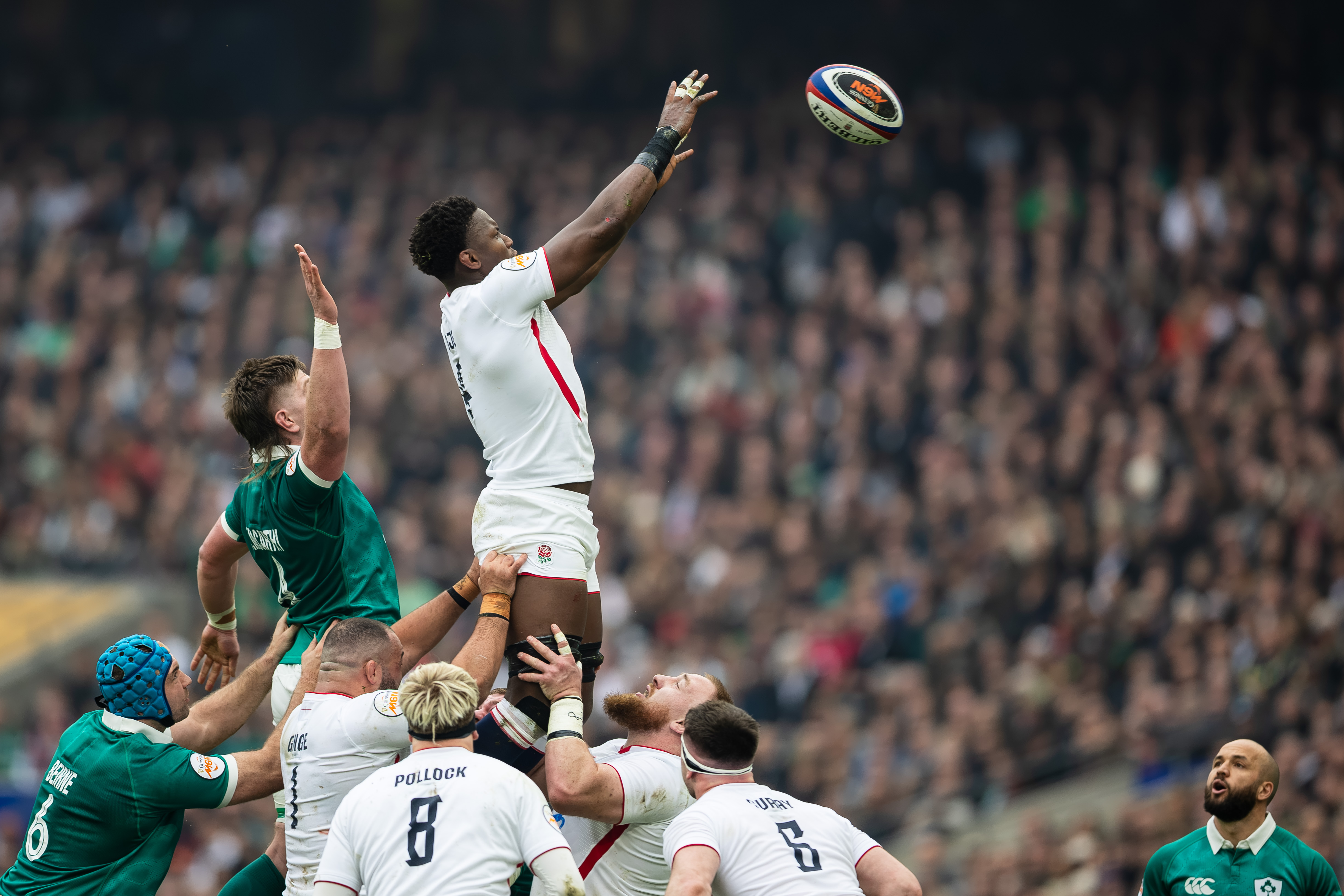
He may still be returning to peak sharpness but Itoje’s strengths in the lineout remain
SIMON KING/PROSPORTS/SHUTTERSTOCK
By the eye test, Itoje looked sluggish at Murrayfield. But it was certainly unfair to blame him for Huw Jones’s first try, when he found himself scrambling across from the edge of the defensive line after Tom Roebuck had shot up in vain to pressurise Finn Russell. Just as with Ellis Genge sprinting to dive on a loose ball later in the first half, this was a forward firefighting in a dire situation.
Itoje, who has only conceded a single penalty this championship, holds himself to impeccable standards. He will have been frustrated with England’s early lineout woes on Saturday, even if they eased once George had relieved Cowan-Dickie at hooker. Across the first three rounds Itoje is tackling more (completing 13 per 80 minutes compared to 10.6) and carrying more (7.4 times per 80 minutes compared to 5.2) than he did over last season’s Six Nations.
His big assets have always been lineout jumping and defensive disruption. In phase attack, he is more of a facilitator. According to Stats Perform, Itoje is averaging a massive 32.2 attacking ruck arrivals per 80 minutes in this Six Nations. Stats Perform estimates that he has been effective at 88.5 per cent of these arrivals. Again, these figures are up on the 2025 Six Nations (28.4 attacking rucks at 70.4 per cent effectiveness).
England’s breakdown has been scruffy over the past two games, yet truly capitulated in a flurry of Ireland jackal turnovers after Itoje had gone off. When Itoje is on the scene, he tends to clear ruck threats. He was integral to more strong scrummaging and the carnage largely occurred away from him, in the aerial battle and then out in the back line. Of course, he will reflect on how he might have rallied his troops to stop a downward spiral that spun into a 22-0 hole. Dan Sheehan’s try, Ireland’s fourth, encapsulated the difference in bite between the two packs.
There is a valid argument for him taking a summer sabbatical from England duty when Borthwick’s charges bounce between Johannesburg, Liverpool and Santiago del Estero in northern Argentina on their Nations Championship schedule.
Here is the counterpoint: these past two matches have been reminiscent of the 2018 Six Nations and the 2023 World Cup warm-ups; horribly difficult campaigns that led to something brighter. Itoje was part of both, and is now in a position to lean on those experiences, calmly consolidate and ensure that England — his England — get back on track in Rome.