
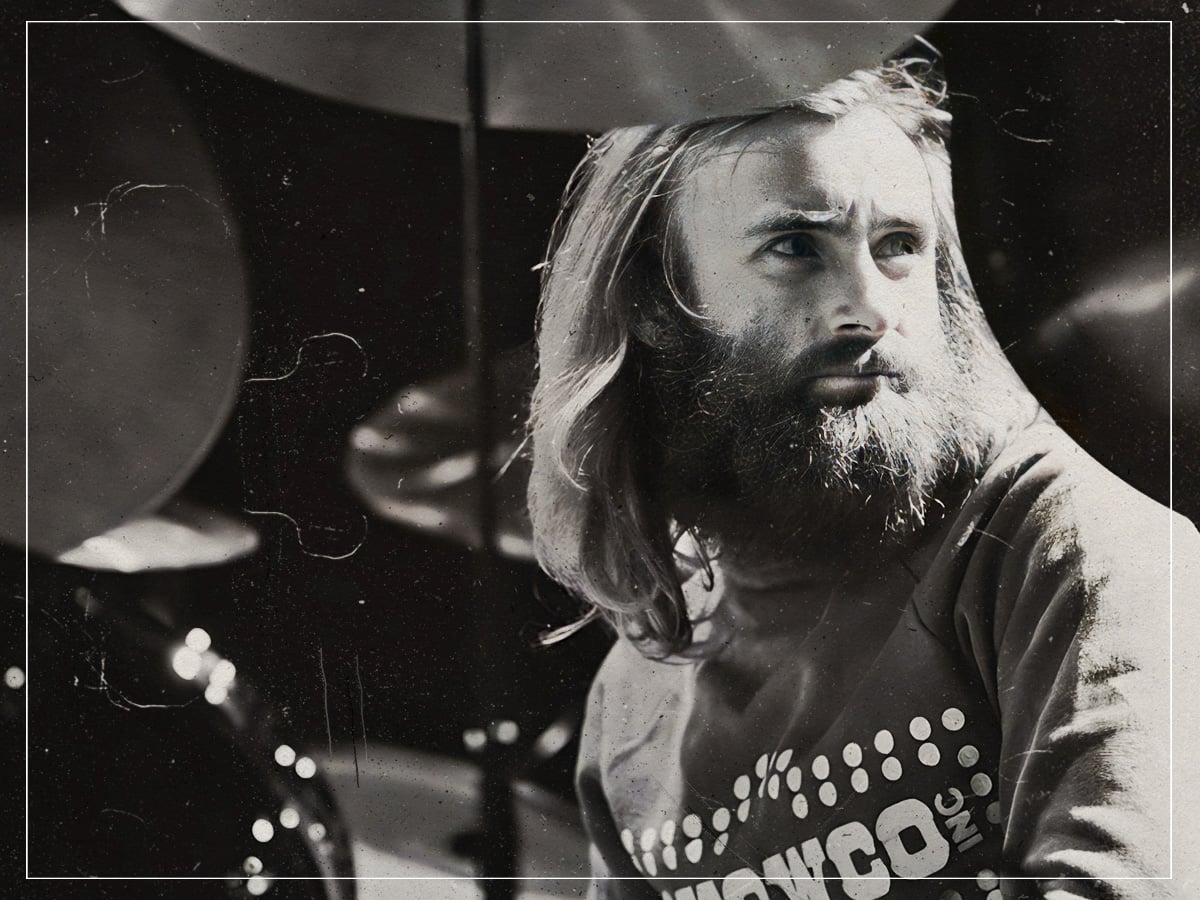
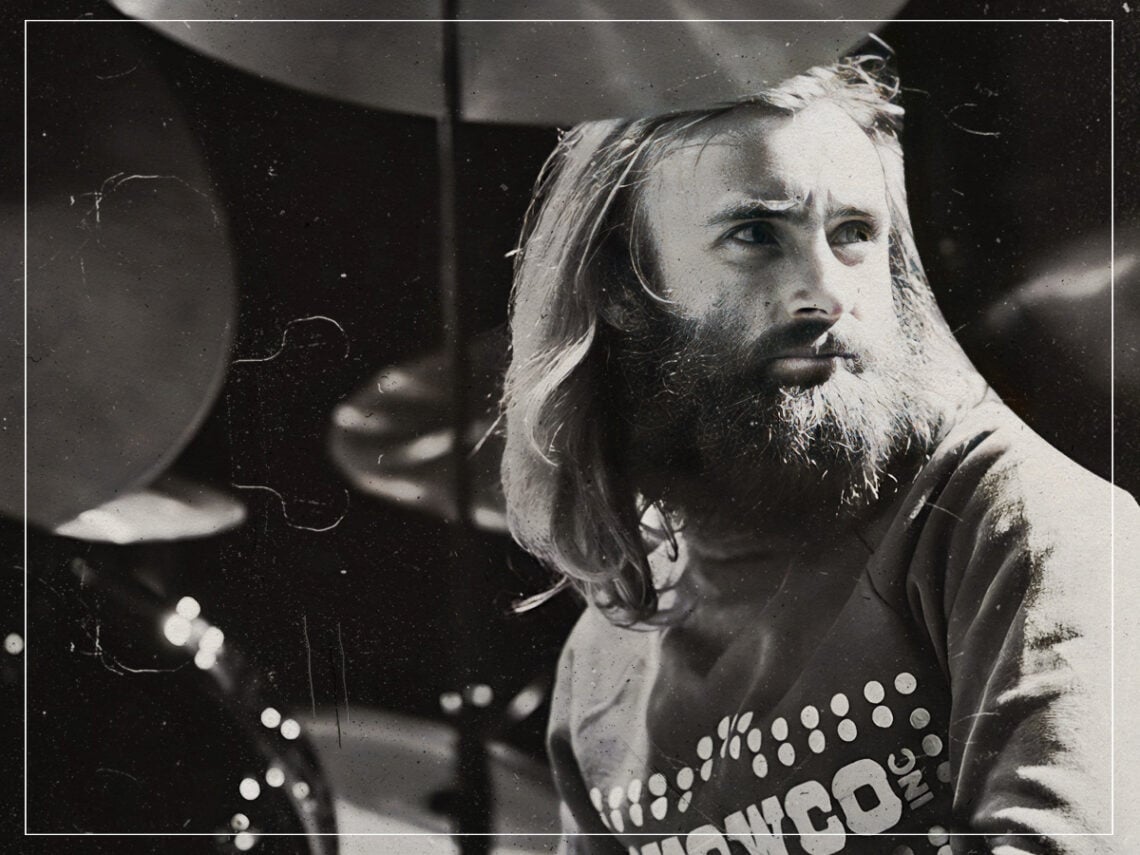
(Credits: Far Out / TIDAL)
Tue 24 February 2026 17:01, UK
Phil Collins is a bit of an enigma when it comes to the world of music.
He is one artist who has seemingly spent the majority of his career being lambasted for being somewhat uncool while also becoming one of the best-selling British rock stars of all time. His musical ability has always allowed him to tap into the collective consciousness and find good ground to embed his music into the minds of the public. He achieved it because he is, for the most part, a musical polymath.
From day one, Phil Collins was never meant to be tied to strictly one band. Though he may have gotten his feet wet with Genesis, Collins never came into his own until he got behind the microphone to sing, with the band rising to new heights after the departure of Peter Gabriel. Despite the massive hits they got out of albums like Abacab, Collins was also looking to have some fun in his solo career.
While the band had taken various breaks between touring, Collins had come to the end of the road in his first marriage. Not wanting to deal with the life of a rock star anymore, Collins’ wife took his children and left for Vancouver, leaving him with an empty home. Taking time to work on his marriage, Collins channelled all of his creative energy into Face Value, which would be laced with all his pent-up feelings towards his marriage.
Once the album began gaining traction off songs like ‘In the Air Tonight’, Collins managed to toe the line between solo star and the lead singer of Genesis for years, never having time off when promoting albums like No Jacket Required at the same time as the band were making tracks like ‘That’s All’. Given the complex nature of Genesis, though, Collins’ solo work was never going to be as intricate.
 (Credits: Far Out / Alamy)
Looking to make the pop music he loved as a kid, Collins would slip in various pop tunes alongside his more extravagant material, even reworking the 1960s hit ‘You Can’t Hurry Love’ for a new generation. Although Collins may have been on the right track as a pop star, he claimed he hit a wall when working on ‘Sussudio’.
Having nonsense lyrics throughout most of the song, Collins admitted to ad-libbing most of the material, thinking it was a pseudo-love song he could quickly sell. Although the song would become a significant hit for Collins, he doesn’t look back on this era of his solo career all that fondly.
When talking about the song later, Collins would say that he isn’t necessarily a fan of the track. Speaking to Rolling Stone, the singer would say that he didn’t feel as involved with the song as he thought he could, recalling, “At the time, I wasn’t being me. I’ve grown up a bit now and much prefer to play songs that are me. I only play a bit part in that one”.
Even though Collins might take a back seat for most of the song, the power comes from the players that populate his rhythm section. Being influenced by Earth, Wind and Fire and Prince, this was the closest that Collins would ever come to writing a pure R&B song for himself, complete with a brilliant horn section.
Granted, Collins didn’t have time to dwell on his R&B-infused hit for long. Towards the end of the decade, Collins would help steer Genesis through their commercial peak with Invisible Touch, giving them a second wind on the charts with songs like the title track and ‘Throwing It All Away’. Collins may have been everywhere in the 1980s, but ‘Sussudio’ where he seemed to take his hand off the wheel.