
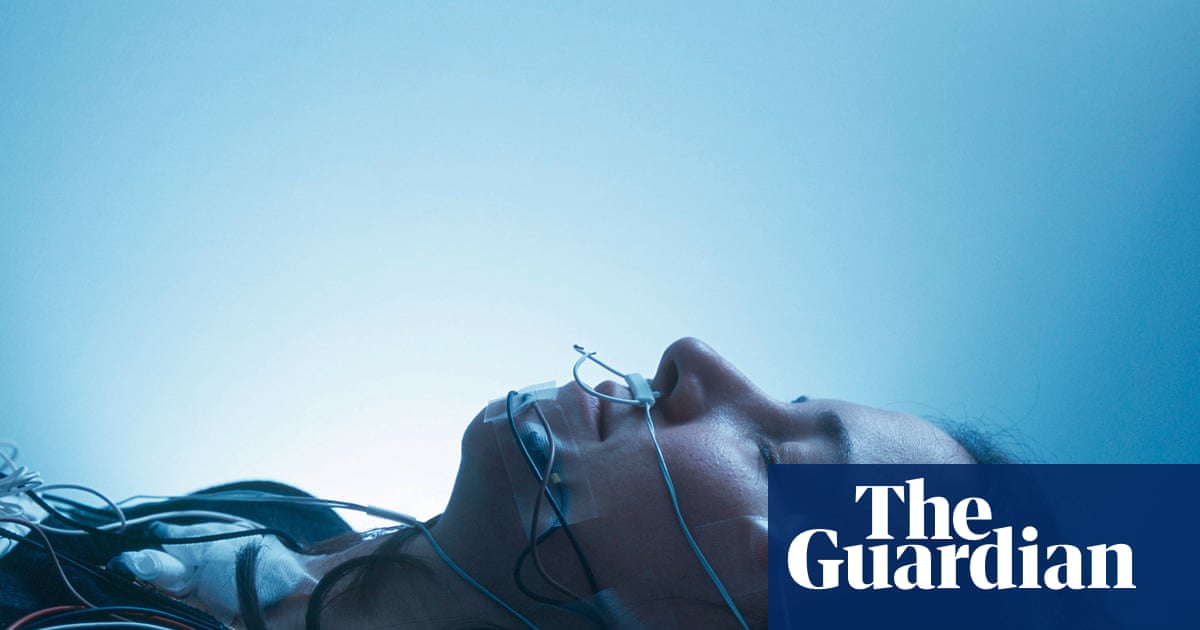
Obstructive sleep apnoea costs the US and UK economies more than £137bn ($185bn) a year, according to research.
People with the serious health condition repeatedly stop breathing temporarily while asleep; they tend to snore very loudly and can wake up gasping for breath.
Sufferers will also often experience excessive daytime fatigue. The condition is thought to affect about 1 billion people globally – including 8 million in the UK – though up to 85% are undiagnosed. Untreated, it is linked to increased risks of heart attack and stroke.
A new study, led by researchers at University College London, surveyed more than 4,000 adults in the UK and US and found that about a fifth of respondents reported breathing pauses on three or more nights and excessive daytime sleepiness – core criteria for a diagnosis of sleep apnoea.
They then estimated the impact of the condition through lost workdays and reduced performance while at work. The authors calculated that each year, obstructive sleep apnoea cost the US economy $180bn (£133bn) and the UK economy £4.2bn.
This is probably an underestimate, they concluded, as the analysis did not include increased medical expenditure or the costs of road traffic and workplace accidents.
The study, published in the journal Thorax, calls for workplace screening and earlier treatment.
“Given the significant yet often overlooked burden of [obstructive sleep apnoea] and its economic impact, we urge policymakers to allocate resources towards developing an effective screening strategy and implementing targeted public health campaigns and policies,” the authors wrote.
“Early identification and treatment of [obstructive sleep apnoea], along with proactive early follow-up, could result in substantial savings, potentially amounting to billions annually in productivity costs.”
But while new low-cost technologies and screening algorithms could make the condition easier to diagnose, treatment is not always easy to maintain.
Nearly two-thirds of patients stop continuous positive airway pressure therapy, the standard treatment for sleep apnoea. Alternatives, such as weight loss drugs, mouth guards to keep airways open and hypoglossal nerve stimulation implants, are not suitable for all patients with the condition.
And some workers may fear being penalised, some experts cautioned. The trade union Unite, which represents many road haulage and passenger transport drivers, is supportive of screening, but only provided drivers are fully protected, not targeted. Adrian Jones, national officer at Unite, said: “Professional drivers often hide issues of sleep apnoea out of fear of losing their jobs.
“Before introducing screening, employers must be fully educated that sleep apnoea can be effectively managed. Workers must have the confidence that they will be supported, not dismissed, if a problem is identified.”