
Home » AFRICA » Morocco Overtakes Uganda, Zimbabwe, South Africa, Eswatini, Mozambique, Benin, And More In Revolutionizing Africa’s Economic Growth And Tourism With Golf, Sustainable Destinations, And Luxury Travel Experiences
Published on
February 23, 2026
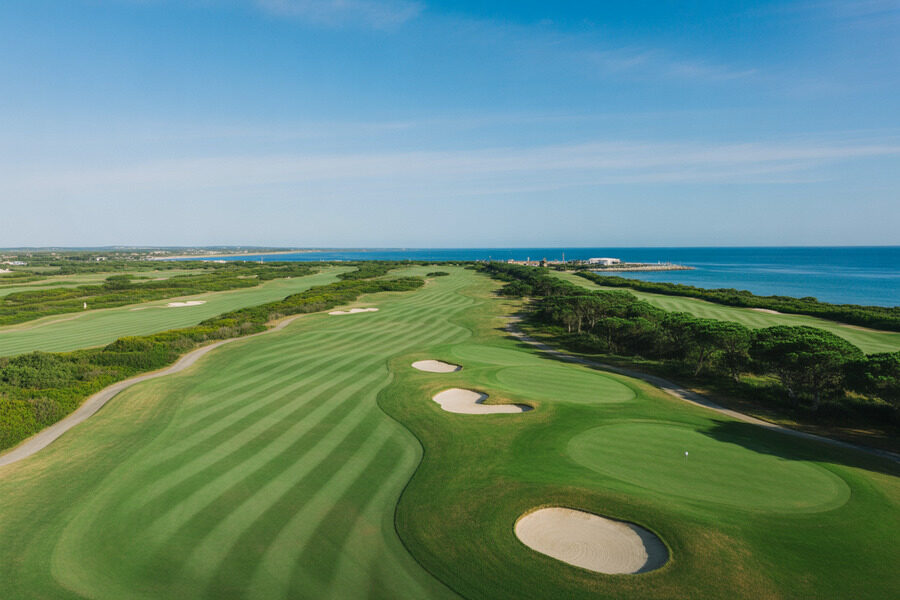
Image generated with Ai
Morocco has surged ahead of its African counterparts in leveraging golf tourism to accelerate economic growth and boost tourism revenue, thanks to its exceptional blend of world-class golf courses, eco-conscious development, and luxury offerings. By integrating sustainability with top-tier golfing experiences, Morocco has positioned itself as the leading golf destination in Africa, attracting high-spending international visitors and offering a diverse range of leisure activities. As a result, it is outpacing countries like Uganda, Zimbabwe, South Africa, Eswatini, Mozambique, and Benin, each of which is also exploring golf’s potential but has yet to match Morocco’s integrated approach.
Africa is rapidly evolving as a key global destination for golf tourism, and Morocco has emerged as a standout leader in this transformative trend. By combining world-class golf infrastructure with sustainable tourism practices, Morocco has not only positioned itself as a top-tier golfing destination but also as a catalyst for economic growth across the continent. The synergy between golf tourism and economic expansion is apparent, with Morocco leading the charge, surpassing countries like Uganda, Zimbabwe, South Africa, Eswatini, Mozambique, and Benin. Each of these countries is making strides to incorporate golf tourism into their strategies, but Morocco’s holistic approach, embracing luxury, sustainability, and inclusivity, has set it apart.
Morocco: The Gold Standard of Golf Tourism in Africa
Morocco has long been celebrated for its rich history, stunning landscapes, and vibrant culture. But in recent years, the country has turned golf into a driving force behind its economic and tourism success. In 2026, Morocco was named the Best African Golf Destination of the Year, a recognition that reflects its world-class courses and a booming golf tourism sector. With over 30 prestigious courses, including the legendary Royal Golf Dar Es Salam and Golf de l’Ocean, Morocco has positioned itself as the golf capital of North Africa.
Not only has Morocco attracted golf enthusiasts from Europe and the U.S., but its focus on sustainability and luxury has also appealed to high-spending visitors. The government’s Moroccan Golf Tourism Strategy has integrated eco-friendly development practices into many of its golf resorts, ensuring that the natural beauty of the country is preserved while offering world-class golfing experiences. This sustainable approach is essential to Morocco’s long-term success, and it aligns with global trends toward responsible tourism.
Advertisement
Advertisement
Through events like the Hassan II Golf Trophy, Morocco has gained international recognition as a hub for competitive golf, with major sponsors, media exposure, and an expanding visitor base. The Moroccan Tourism Ministry continues to leverage golf as a tool for economic diversification, attracting tourists who typically stay longer and spend more than regular travelers.
Uganda: A Rising Star in Golf Tourism
Uganda, known for its stunning landscapes and wildlife, is slowly carving a niche in the golf tourism industry. The Uganda Golf Open, held annually in Kampala, attracts golfers from across the globe and showcases Uganda’s potential as a golf destination. The country is actively investing in its golf infrastructure, with several new courses in development, including the Jinja Golf Course, located near the picturesque Nile River. These new facilities aim to blend golf with Uganda’s other main attractions, such as its wildlife safaris and mountain treks, making the country an exciting new player in African golf tourism.
Advertisement
Advertisement
Incorporating eco-tourism principles, Uganda is focusing on developing courses that do not disrupt local wildlife habitats, ensuring that the sport complements the natural beauty that attracts many visitors to the country. Uganda’s government is keen to leverage the golf-tourism synergy to boost its economy, offering tourists an unforgettable combination of adventure and sport.
Although it still faces challenges, including infrastructure development and international marketing, Uganda’s golf tourism sector is growing steadily and becoming an increasingly attractive option for eco-conscious travelers looking for new experiences.
Zimbabwe: Combining Safari with Golf
Zimbabwe, home to Victoria Falls and an abundance of wildlife, has long been a prime tourism destination. Now, it is positioning itself as an exciting new golf destination with a golf-and-safari tourism concept. Zimbabwe’s luxury golf resorts, such as the Royal Harare Golf Club and The Elephant Hills Golf Course, offer travelers a combination of world-class golfing and the chance to explore the country’s national parks and wildlife sanctuaries.
Zimbabwe’s appeal as a golf destination is enhanced by its rich cultural heritage and eco-tourism credentials. The country’s government has prioritized sustainable development within its golf tourism strategy, working with conservationists to ensure that golf resorts do not negatively impact the environment. By integrating golf with wildlife conservation and creating sustainable golf courses, Zimbabwe aims to attract affluent tourists while promoting responsible tourism practices.
South Africa: The African Golf Tourism Leader
No conversation about African golf tourism would be complete without acknowledging South Africa, which is widely considered the continent’s leading golf destination. The country boasts over 450 golf courses, many of which are ranked among the world’s best. From the Western Cape’s Fancourt to Pinnacle Point, South Africa has built a reputation for offering challenging courses set in spectacular landscapes.
South Africa’s integration of golf tourism with wildlife and beach tourism makes it an ideal destination for those seeking variety in their holiday experience. The Sunshine Tour, Africa’s premier professional golf tour, is headquartered in South Africa, ensuring that the country remains at the forefront of golf’s global stage.
In addition, South Africa’s sustainable tourism initiatives, such as the Green Golf Course certification program, ensure that golf resorts adhere to environmentally responsible practices. South African Tourism is capitalizing on the growing golf market to boost the country’s economy, with golf tourists often extending their stays to experience the country’s rich history, culture, and wildlife.
Eswatini: A Hidden Gem with Expanding Golf Infrastructure
Eswatini, formerly Swaziland, is a small kingdom nestled in Southern Africa, but it is slowly gaining traction as a golf destination. The Royal Swazi Spa Resort, which features a top-rated golf course, has been a key driver in positioning the country as an emerging golf tourism market. The Eswatini Golf Open attracts golfers from across the region, and the country’s tranquil atmosphere and natural beauty make it an appealing destination for golfers seeking a more relaxed, intimate experience.
Eswatini’s strategy is centered around regional tourism growth, leveraging its proximity to South Africa and Mozambique to attract international visitors. With a focus on eco-tourism and cultural experiences, Eswatini offers a unique fusion of golf, nature, and local heritage, all of which contribute to its growing appeal.
Mozambique: Golf as a Tool for Economic Diversification
Mozambique is starting to make waves in golf tourism, particularly in the coastal city of Maputo, where golf courses such as the Maputo Golf Club are gaining international attention. The country’s untouched beaches and luxury resorts provide a stunning backdrop for golf tourism, and the government is eager to use golf to diversify its tourism offerings beyond its famous coastline.
Mozambique’s government has recently started investing in sustainable golf course development, particularly in pristine, eco-sensitive areas that attract affluent tourists. These efforts aim to make golf a central component of Mozambique’s broader tourism strategy, promoting both luxury travel and responsible, eco-conscious experiences.
With a growing golf tourism infrastructure, Mozambique is well-positioned to compete with other southern African nations in attracting international golf tourists. By combining safari tourism with high-end golf experiences, Mozambique offers something unique for travelers.
Benin: The New Frontier for Golf Tourism in West Africa
Benin, often overlooked in discussions of African golf tourism, is making significant strides with the development of its Golf d’Avlékété course. Located in the city of Ouidah, this course is part of the country’s larger efforts to diversify its tourism offerings and attract higher-spending visitors. Benin’s government is keen to use golf tourism as a tool to boost its economy and provide new opportunities for local communities.
Benin’s golf courses are developed with sustainability in mind, ensuring that the local environment is preserved while offering a high-quality golfing experience. As the country continues to build its golf tourism infrastructure, it is poised to become an emerging market for eco-conscious golfers seeking a unique experience in West Africa.
The Future of Golf Tourism in Africa
The development of golf tourism across Africa offers a glimpse into the continent’s economic future. Countries like Morocco, Uganda, Zimbabwe, South Africa, Eswatini, Mozambique, and Benin are capitalizing on golf’s growing popularity to drive economic growth, diversify their tourism sectors, and promote sustainable travel. Golf tourism not only brings in high-spending visitors but also creates jobs, supports local businesses, and helps protect the environment through responsible development.
In the coming years, Africa’s golf tourism industry is set to expand further, with more countries joining the race to become top golf destinations. For now, Morocco stands as the undisputed leader, thanks to its world-class courses, eco-friendly practices, and a strategic focus on high-end tourism. But with the support of governments, local communities, and international partnerships, Africa’s golf tourism future looks brighter than ever.
Morocco has overtaken Uganda, Zimbabwe, South Africa, Eswatini, Mozambique, Benin, and more in driving Africa’s tourism revenue growth through golf, thanks to its world-class courses, sustainable luxury resorts, and strategic global partnerships. These efforts have positioned Morocco as the continent’s premier golf tourism destination, attracting high-spending visitors and fostering economic development.
By embracing luxury, sustainability, and cultural integration, these African countries are setting the stage for a prosperous future in golf tourism, contributing to the continent’s economic growth and global tourism appeal.
