
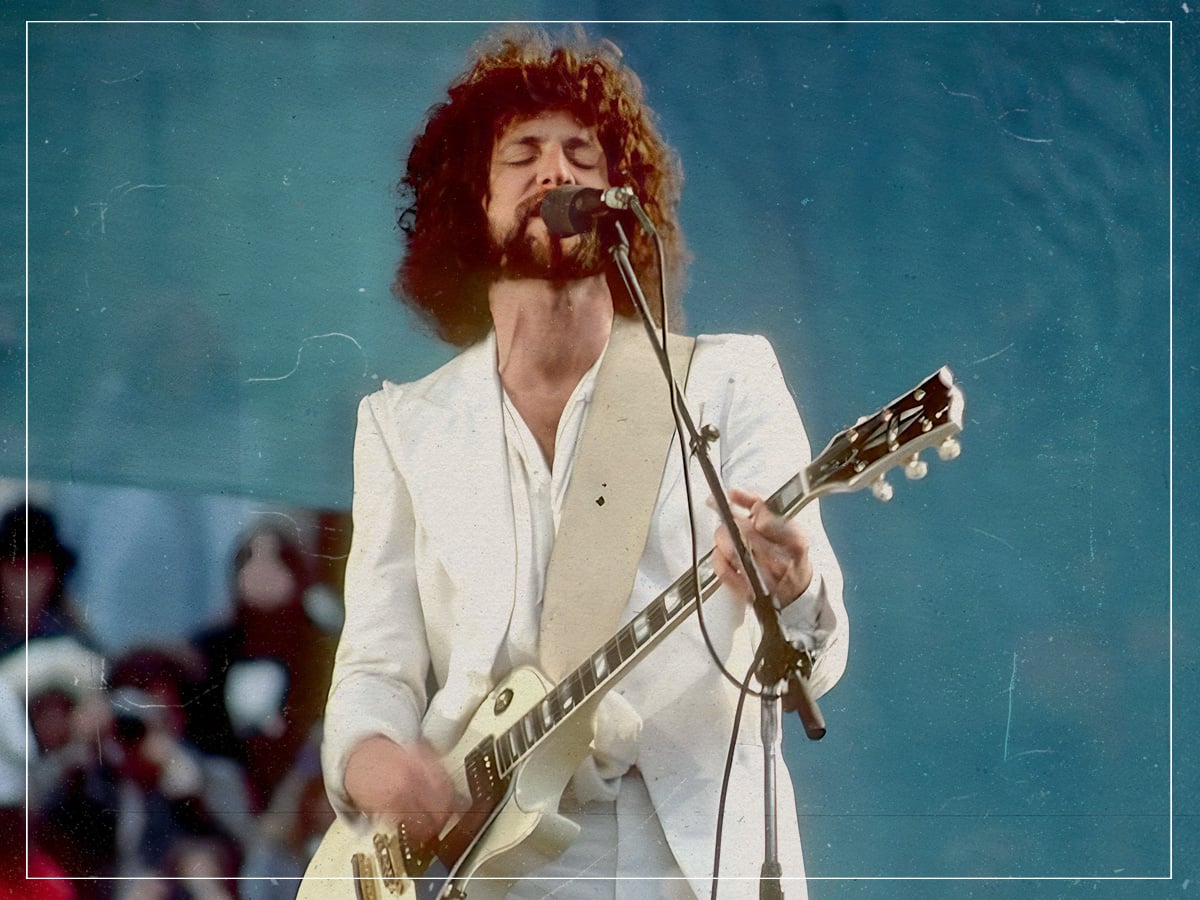
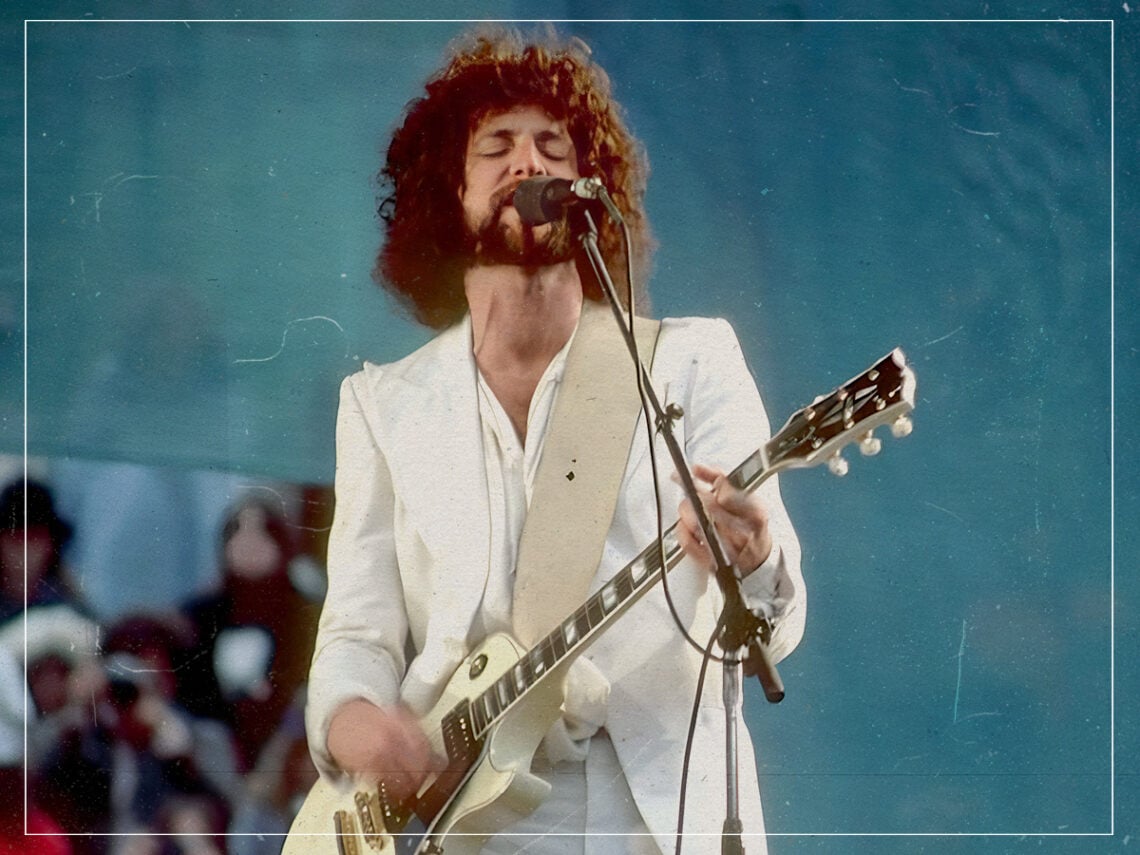
(Credits: Far Out / Press)
Wed 25 February 2026 17:35, UK
Every artist will want some sort of challenge when playing their songs. Even though it might be easy to rewrite their past material and make one classic after the next, there is always that creative spirit that wants to make something that goes against the usual formula. Although Lindsey Buckingham had already been going against the grain from the minute he joined Fleetwood Mac, one track was almost too difficult for him to take on.
Compared to the rest of the guitarists the band had had up until that point, Buckingham was already fairly unique. Before they became known for their incredible harmonies and rootsy take on rock and roll, the earliest incarnation of the group featured a revolving door of blues guitarists, with everyone from Peter Green to Bob Welch stepping behind the fretboard.
While Buckingham may have had a healthy respect for the blues, his upbringing came from the sounds of folk and bluegrass. Known for playing exclusively with his fingers, Buckingham was known for making different fingerpicking patterns across Fleetwood Mac’s best work, creating cascading rhythms across songs like ‘The Chain’ and ‘Gold Dust Woman’.
If Buckingham wasn’t getting a workout behind the fretboard, though, he was often put through the emotional wringer as well. Once the band sat down to write Rumours, half of the songs would be about the group’s fracturing relationship with each other, featuring Buckingham seething with anger on tracks like ‘Second Hand News’ and ‘Go Your Own Way’.
By the time the band ventured into the 1980s, they had undergone another stylistic change. While the emotional weight of the songs was still intact, albums like Mirage and Tango in the Night saw them embrace the sonic styles of the time, including various keyboard effects that gave each track a slick sheen whenever they came on.
At the very start of Tango in the Night, though, Buckingham had his work cut out on the song ‘Big Love’. While most of the track follows a frailty standard chord progression, the rhythms keep things interesting, as the guitarist fingerpicks two different rhythms between his thumb and his finger to create a seamless barrage of notes at a time.
Despite being one of the finest performances that Buckingham would ever lay down on record, he said that he did get a workout trying to play it correctly. Even when playing the song live today, Buckingham recalled that the track would often cause him pain when trying to get every note to ring out correctly.
When speaking to Vulture, Buckingham recalled the physical strain that went into the piece, saying, “‘Big Love’ evolved from what it had been as an ensemble to a single guitar-and-voice piece onstage and became the template idea for quite a few other songs to follow. I don’t think it ever got more rigorous than ‘Big Love’ with the actual demands of the part required. It’s a finger-hurter, for sure.”
Reducing a consummate guitarist to figurative tears over the pain is something of a neat feat to achieve for any song. Buckingham has been performing as a guitarist for the majority of his life, so to be stricken by a single tune is something of an interesting moment.
The track is a curious one, too. Not only was it the first to be released as Fleetwood Mac got back together to give it another go at being a band, but it is a little out of their usual range of motion. In fact, Buckingham called it a “lustful mid-to-up tempo number featuring love grunts”, which isn’t really typical of the group.
While the original track is masked by the different effects from the other musicians, it’s easier to appreciate Buckingham’s dexterity when he plays the song live, often playing it as a solo acoustic piece and going through fretboard acrobatics trying to get the right tone. Fleetwood Mac may have been known as one of the titans of soft rock in their time, but ‘Big Love’ is proof that they had a guitar wizard in tow as well.