
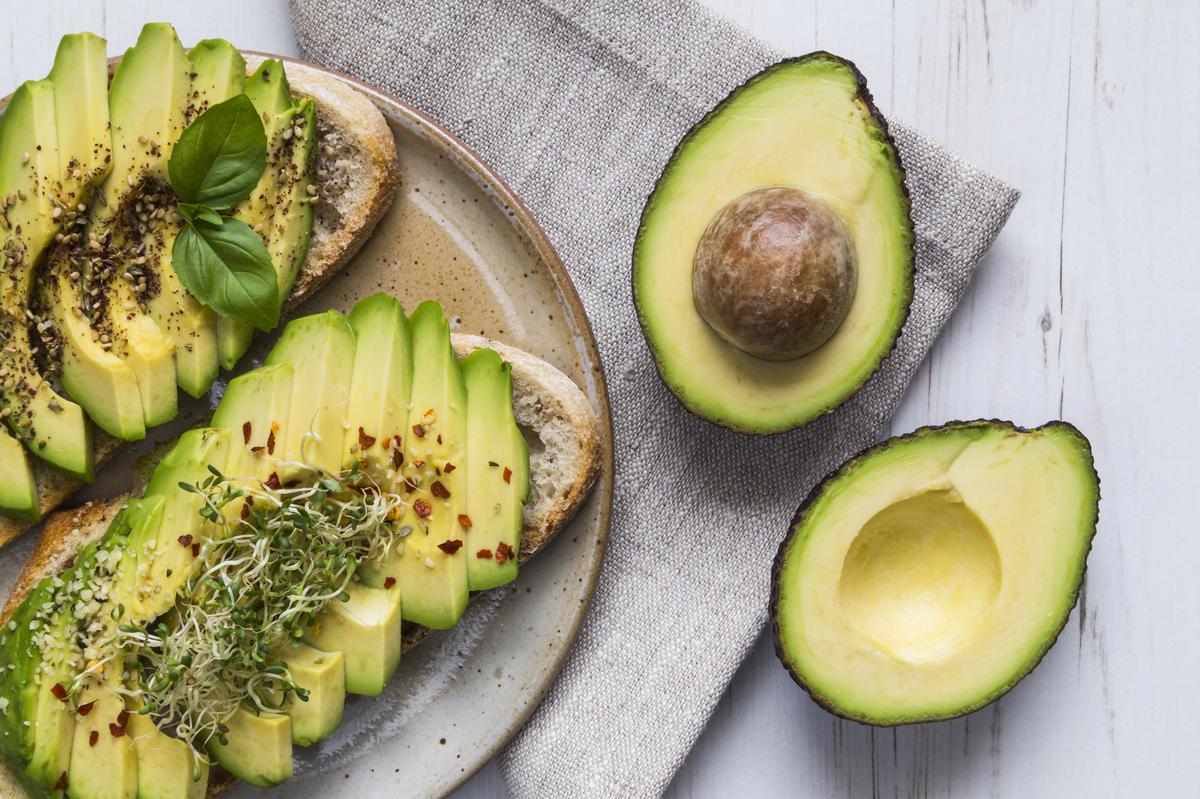
Avocado may look humble, but it is a remarkably complex food. Botanically, it’s a single-seeded berry and a climacteric fruit, which means it ripens after harvest as it releases ethylene. A firm avocado is a sign of freshness, and you can speed ripening by placing it with bananas, apples, or kiwis. That gentle chemistry turns hard flesh into buttery cream, unlocking flavor and nutrition in a way few fruits can match.
A fruit with extraordinary fat quality
Unlike most fruits, avocado is rich in fat, yet its profile is uniquely beneficial. Roughly 80% of its fats are monounsaturated, dominated by oleic acid—the same heart-friendly fat found in olive oil. This balance supports healthy blood lipids, offering a smart alternative to saturated fats common in many processed foods. It also supplies some polyunsaturated fats, while containing no cholesterol. The result is a food that supports cardiovascular well-being, especially when used to replace less healthy fats.
“Avocado’s balanced fat profile can help improve heart markers by nudging HDL upward and easing LDL downward,” notes a Béarn-based dietitian.
Because it’s low in sugar and modest in protein, avocado stands apart from typical fruits. For those managing energy intake or seeking steady satiety, its fat content makes meals more satisfying, curbing the urge to snack soon after you eat.
Micronutrients that punch above their weight
Avocado supplies a robust array of potassium, plus phosphorus, magnesium, and a touch of iron. Potassium aids fluid balance and supports normal blood pressure, making avocado a smart ally for cardiovascular health. It also delivers B vitamins—including folate—for energy metabolism and cellular repair. You’ll find vitamin E paired with natural fats, which helps shield those fats from oxidation. And while it’s not a citrus powerhouse, avocado still provides a meaningful amount of vitamin C, more than many expect from such a creamy food.
The fruit is also rich in antioxidants, notably lutein and zeaxanthin, which concentrate in the eye’s macula and support visual function. Together with both soluble and insoluble fibers, these compounds nourish the microbiota and contribute to regular, comfortable digestion.
Satiety, glycemic balance, and weight management
Avocado fits seamlessly into low-carb or low-GI eating patterns. Its fats slow gastric emptying, which can blunt post-meal glucose spikes when avocado is paired with carbohydrate-rich foods. That effect helps stabilize energy and can reduce the rollercoaster of hunger and cravings. Despite old myths, avocado does not inherently drive weight gain; used in place of refined fats or sugary snacks, it often supports better appetite control.
Because it’s calorie-dense yet satiating, portion awareness remains helpful. Many people find that half a medium avocado feels satisfying, especially alongside lean proteins, legumes, or whole grains.
Choosing, ripening, and storing like a pro
Varieties such as Hass and Fuerte are widely enjoyed for flavor and texture. A ripe avocado yields to gentle pressure near the stem without feeling mushy. If it’s too firm, let it ripen on the counter, ideally near ethylene-producing fruit. To slow ripening, move it to the refrigerator once it’s perfectly soft to the touch.
After cutting, oxidation can brown the flesh. To limit this, keep the pit in place, brush exposed surfaces with lemon or lime juice, and wrap tightly before chilling. Even if the surface browns, a thin layer scraped away reveals perfectly green creamy goodness beneath.
Easy, versatile ways to enjoy it
Avocado’s neutral, buttery profile adapts to bold, bright, or delicate flavors. Try it in both savory and sweet preparations, and let its fat carry herbs, citrus, and spices across your palate.
Smash with lemon, sea salt, and herbs for a quick tartine or dip-in minutes.
Whisk into a silky green mayonnaise for fish, chicken, or grain bowls.
Broil halves with a squeeze of lime, a sprinkle of chili, and a soft-cooked egg.
Blend into a cacao-avocado mousse for a lush, dairy-free dessert.
Add cubes to citrusy salads with fennel, radish, and toasted seeds.
Fold into a green smoothie with spinach, kiwi, and ginger for velvet-like body.
A small fruit with a big impact
Beyond nutrition, avocado invites mindful eating: slow bites, creamy textures, and bright pairings that make simple meals feel special. Its synergy of fats, fiber, and micronutrients nurtures the heart, the gut, and long-lasting energy. With a few ripening tricks and creative ideas, this “very special” fruit becomes an everyday ally—as satisfying for the palate as it is for overall health.