
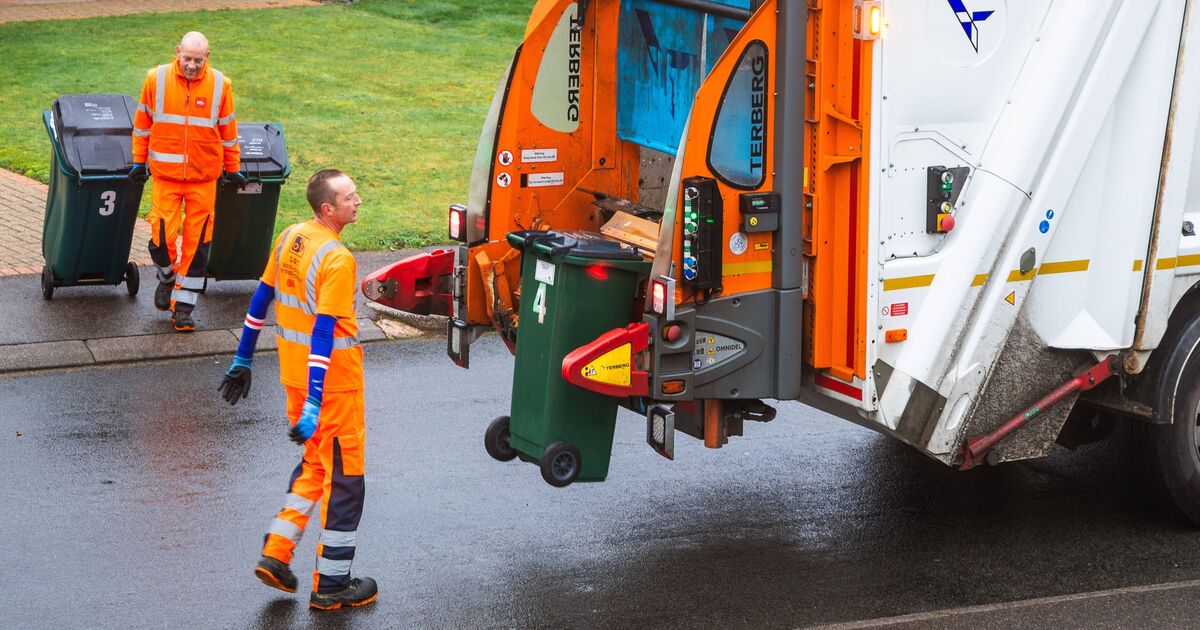
The binman shared the message on TikTok (stock image) (Image: Getty)
A binman who often shares glimpses of his job online has shared some recycling ‘rules’ he urges people to follow, or to at least keep in mind when filling up their bins at home.
In a TikTok clip, @Theno1.binman responded to a follower’s question about whether they really need to peel the labels off jars and tins.
There are plenty of ‘hacks’ online for those wanting to be as meticulous as possible when organising their recycling. For persistent labels that won’t come off, people sometimes soak jars and tins in hot water to soften the glue between stubborn paper layers.
He responded to the comment: “No, you don’t need to. There’s a certain number of items you are allowed to leave [labels] on. We don’t expect you to have to scrape off the paper or whatever it is.”
However, he said that there is another crucial rule for recycling tins and jars that must be followed. Those who ignore it risk their bins being abandoned on collection day, reports the Mirror.
He explained: “That doesn’t mean you shouldn’t clean them still. If there is food inside that needs to come out, we don’t want it. It can spread across other things and can become a contaminated bin, and nobody wants that.”
The Recycle Now website confirms that labels “can be left on” food and drink tins, but highlights that these items must be emptied and rinsed out. Zero Waste Scotland also said online that Scots can “leave the labels on unless your council has advised otherwise,” as can people recycling items in Wales, according to Wales Recycles.
The rules about what can and cannot be placed in recycling bins vary from region to region, though some are consistent across the UK. The Recycle Now website provides a full list of all potential materials that individuals might consider for recycling, along with guidelines to avoid complications at the recycling facility.
For the most accurate information about recycling in your area, look up the rules on your local council’s website for any specific restrictions that may apply. For instance, certain London boroughs do not accept shredded paper, whilst other parts of the UK have no problem with it, and some require it to be kept in something like a paper bag, box, or envelope to prevent it from scattering or jamming sorting equipment.
General rules when recycling glass bottles and jars:Empty and give a quick rinse: Leftover food and liquid can contaminate other recyclables, potentially ruining the recycling batch Replace lids and caps: This minimises the likelihood of them being misplaced during sorting, as they can be recycled separately.
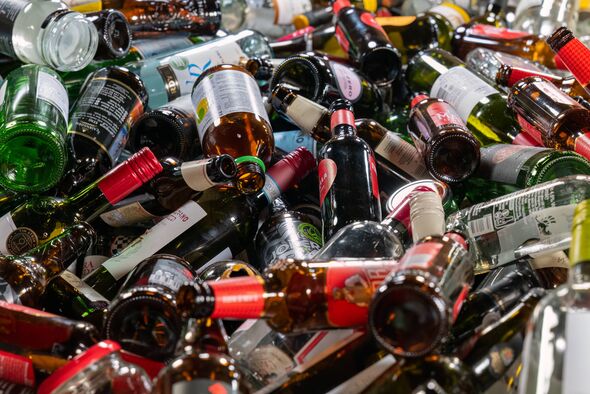
People might be wasting time following this ‘glass bottle rule’ (Image: Getty )
Previously, the popular TikTok binman with over 155,000 followers claimed that people risk having their rubbish left at the kerbside if they attempt to “sneak” a banned item into their bins. He warned that most local councils won’t take the chance of collecting polystyrene if it’s mixed with approved recycling materials.
While the material is technically recyclable, it presents hazards that make disposal problematic. Recycle Now, the national recycling initiative, stated on its website that polystyrene is “a type of plastic which is not commonly recycled and should be placed in the waste bin”.
Most packaging, including food and household items, often states whether it can be recycled. Sometimes, entire items can go into the recycling bin whole – such as toilet roll tubes and plastic bottles – but the rules vary slightly in different parts of the country.