
Last Updated:February 25, 2026, 13:13 IST
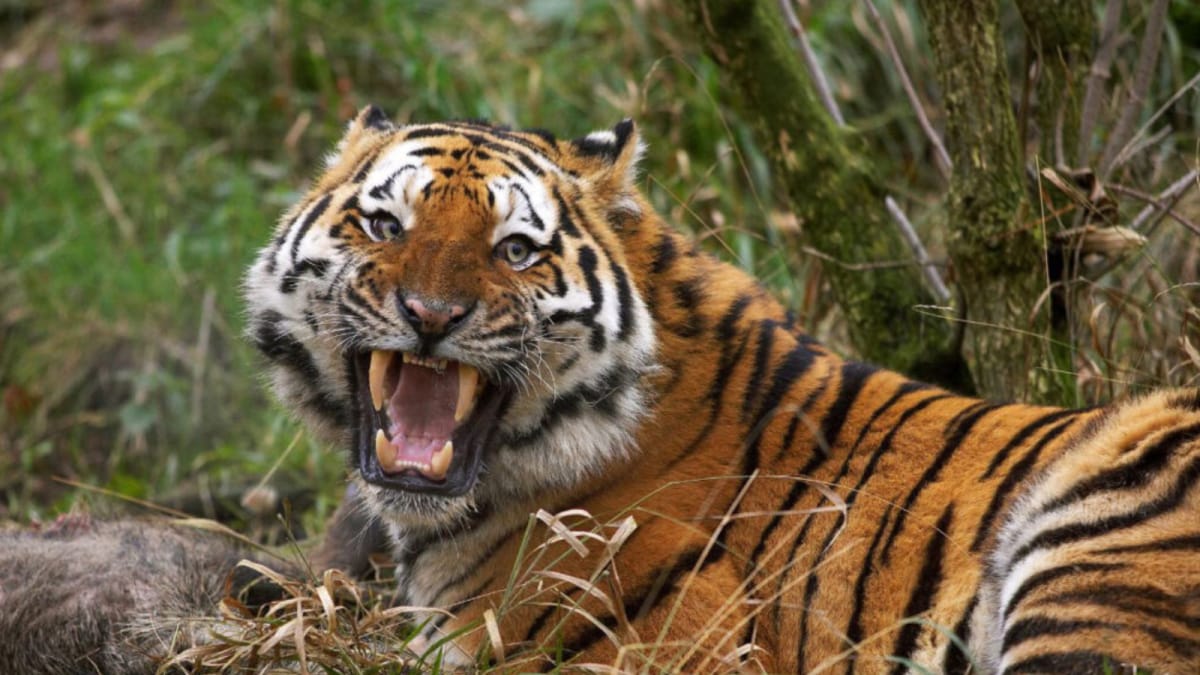
In China, nearly 200 Siberian tigers at the Siberia Tiger Park in Heilongjiang Province have been placed on a rotational “intermittent fasting program.”




The fasting plan will run from February 1 to March 31.(Photo Credit: X)
Looks like post-festival detox isn’t just a human trend anymore. Even tigers are pouncing on it. Yes, you read that right. In China, nearly 200 Siberian tigers at the Siberian Tiger Park in Heilongjiang Province have been placed on a rotational “intermittent fasting program.”
According to a report in Global Times, the move comes after the tourist attraction saw a sharp rise in visitors during the Spring Festival holidays, which also led to increased tiger feeding activity inside the park.
As per the report, a public notice has mentioned that the park has introduced a rotational “fasting program” to safeguard the health and welfare of the animals.
Tigers Put On Rotational Intermittent Fasting In China
The notice, dated January 20 and displayed at the entrance, states that the fasting plan will run from February 1 to March 31. It applies to 11 free-range enclosures inside the park. Under this system, one enclosure will be placed on the official “fasting” list each day.
This means that on any given day, tigers in one selected enclosure will not receive meat strip feeding from visitors. The schedule will rotate daily so that the fasting period is distributed across different enclosures over the two-month duration.
A staff member from the park told the Global Times that the step is part of scientific management. According to the staff member, the park is adjusting and optimising the feeding regime of the Siberian tigers in response to the increased feeding activity during the holiday season. At the same time, efforts are being made to ensure that visitors can still enjoy watching tiger feeding when they visit.
The notice clearly mentions that meat strip feeding is banned in the enclosure marked for fasting on that day. Visitors have been asked to strictly follow park regulations to protect the animals’ health. It also notes that the fasting arrangement may be modified depending on operational requirements and feeding needs.
Tourist Rush During Spring Festival
The change in feeding policy comes after a major spike in tourist numbers during China’s Spring Festival holidays. Local media reports highlighted a steady rise in visitor arrivals followed by a record-breaking peak.
On February 17, the park recorded 7,708 visitors. The next day, February 18, the number crossed 10,000, marking the highest daily footfall at the scenic area, as per the report. The surge in visitors directly led to more frequent feeding interactions inside the park.
The Siberia Tiger Park spreads across 800,000 square meters and is recognised as a national AAAA-level tourist attraction. It combines tiger breeding and rearing with scientific research, conservation efforts and popular science education. Alongside these functions, the park also operates as a tourism and sightseeing destination.
What Siberian Tigers Eat In The Wild
The Siberian tiger, also known as the Amur tiger, is a solitary apex predator. In its natural habitat across the Russian Far East and Northeast China, its diet mainly consists of large hoofed animals.
Wild boar form a major share of their food intake and often make up more than half of their total diet. Deer species are also important prey. These include Manchurian wapiti (red deer), sika deer, roe deer and musk deer. Moose are occasionally hunted due to their size, which provides a large amount of meat from a single kill.
When preferred large prey is limited, Siberian tigers diversify their diet. They hunt smaller mammals such as hares, rabbits, pikas, badgers and raccoon dogs. Unlike many other tiger populations, they are also known to hunt bears including Asiatic black bears and Ussuri brown bears. Bears account for roughly 2 to 3 per cent of their annual diet.
These tigers are strong swimmers as well. They catch fish, particularly salmon during spawning season,and may also consume turtles. At times, they eat birds, rodents, frogs,and lizards.
Feeding Habits And Patterns
An adult Siberian tiger requires around 9 kilograms (20 pounds) of meat per day to survive the harsh cold climate. But they do not hunt every day. After a successful hunt, a tiger can consume between 27 and 50 kilograms (60 to 110 pounds) of meat in one sitting.
Typically, they kill one large animal per week which results in approximately 50 to 60 large kills in a year. After making a kill, they usually drag the carcass to a secluded location and may feed on it for two to four days before hunting again.
Location :
Delhi, India, India
First Published:
February 25, 2026, 13:13 IST
News world Not Just You, Even These Tigers Are On Intermittent Fasting For ‘Health Benefits’ – What They Eat In The WildDisclaimer: Comments reflect users’ views, not News18’s. Please keep discussions respectful and constructive. Abusive, defamatory, or illegal comments will be removed. News18 may disable any comment at its discretion. By posting, you agree to our Terms of Use and Privacy Policy.
Read More