
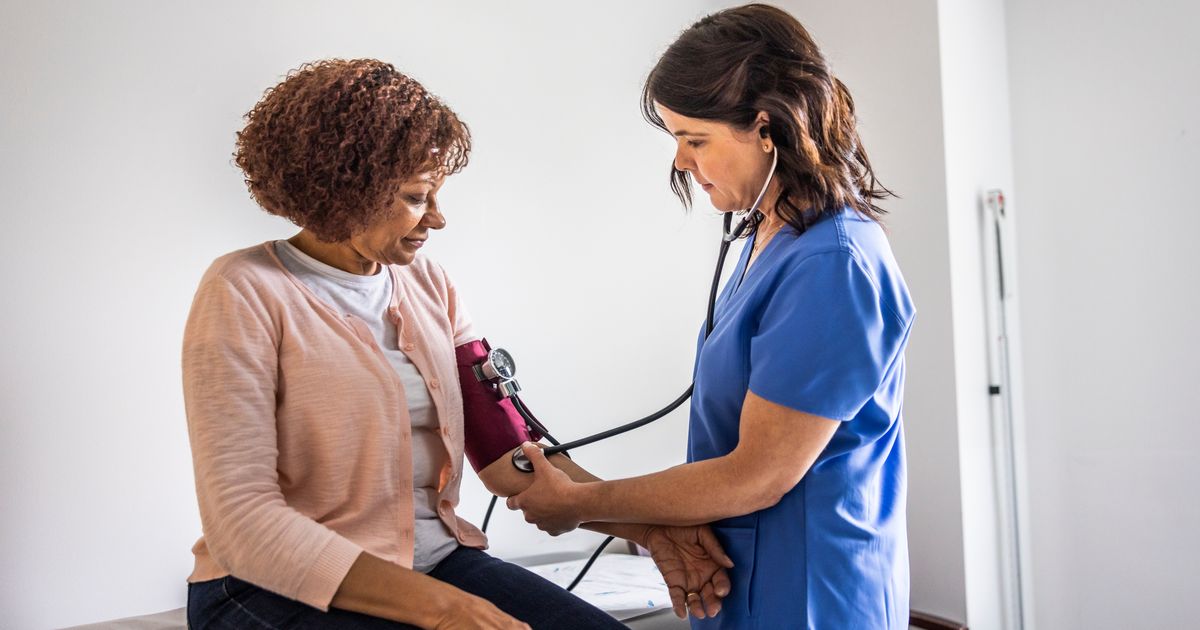
A renowned cardiologist has shared their top seven tips to follow to improve your heart health and prevent high blood pressure Georgia Burns Trainee Trends, Showbiz and Lifestyle Writer and Hanna Geissler
12:02, 26 Feb 2026

High blood pressure has been nick named the ‘silence killer'(Image: GettyImages)
An estimated five million people across the UK are believed to be living with an undiagnosed silent killer – high blood pressure. When blood pushes too forcefully against artery walls over time, it places extra strain on the heart and damages blood vessels, raising the risk of serious conditions such as heart attacks, strokes, chronic kidney disease and dementia.
As charities encourage people to “Know Your Numbers” during Heart Month this February, a leading cardiologist has revealed the seven practical steps you can take to reduce high blood pressure and boost your heart health.
Dr Oliver Segal, a consultant cardiologist and electrophysiologist at HCA Healthcare UK The Harley Street Clinic, said high blood pressure is known as a silent killer because it often causes no noticeable symptoms.
Speaking to The Express, he added: “The damage accumulates gradually and painlessly, which is why early identification and sustained control are so important. Blood pressure is highly modifiable, and even modest improvements significantly reduce long-term cardiovascular risk.”
Here are Dr Segal’s seven tips to help support a healthier heart.
Regular monitoring
Blood pressure machines can be used at home to take a reading in a few minutes(Image: GettyImages)
You can purchase a basic at-home blood pressure monitor for around £10 to £20 from Amazon or other online retailers. Dr Segal said: “Home blood pressure monitoring provides a more accurate reflection of usual readings than occasional clinic checks.
“Readings should be taken seated, after five minutes of rest, with back supported and arm at heart level. Tracking trends over time is more meaningful than focusing on a single reading.”
Many pharmacies also provide free blood pressure checks, while the British Heart Foundation (BHF) has teamed up with Tesco to offer testing at more than 350 Tesco Pharmacy locations this month.
Weight management
Dr Segal said: “Excess weight increases vascular resistance and activates hormonal pathways that raise blood pressure. Losing as little as 5–10 percent of body weight can meaningfully reduce systolic blood pressure.”
Shedding excess weight eases the strain on the heart by reducing the effort needed to circulate around the body. Obesity is also linked to a higher risk of related conditions including high cholesterol and type 2 diabetes.
Get more Daily Record exclusives by signing up for free to Google’s preferred sources. Click HERE
Reducing sodium intake
Recent research by the British Heart Foundation found that millions of people across Britain are putting their health at risk by consuming excessive amounts of salt – equivalent to around 155 packets of crisps each week. The analysis showed that working-age adults in England typically consume 8.4g of salt per day, around 40 percent above the recommended maximum intake of 6g.
Dr Segal said: “High salt intake promotes fluid retention and increases vascular tone. Processed and packaged foods are a major source of hidden sodium. Limiting intake to recommended levels can reduce systolic blood pressure by several mmHg.”
Increasing potassium intake
Potassium is a vital mineral that helps regulate nerve signalling and supports healthy muscle and heart function. Dr Segal said: “Potassium helps balance sodium and supports healthy blood vessel function.
“Foods such as leafy greens, beans, lentils, fruit and vegetables are beneficial. Other good sources of potassium include bananas, nuts and seeds, fish, beef, chicken and turkey.”
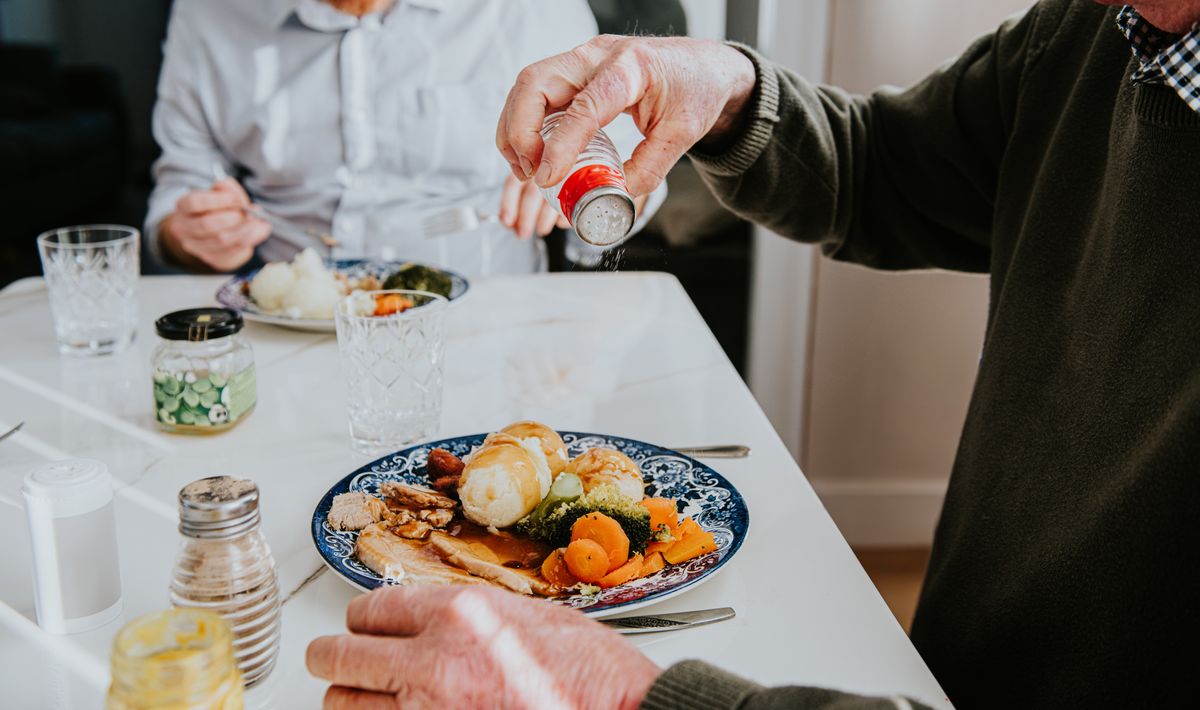
Recent analysis found millions of Britons are eating too much salt(Image: GettyImages)
Regular physical activity
Getting enough exercise can help prevent a wide range of long-term conditions, including heart disease, type 2 diabetes, bowel cancer and osteoarthritis. Studies also show that regular physical activity improves self-esteem, lifts mood and enhances sleep quality and energy levels.
Dr Segal explains: “At least 150 minutes of moderate aerobic activity per week improves endothelial function and lowers resting blood pressure. Even brisk walking most days of the week can produce measurable reductions.”
Limiting alcohol consumption
Dr Segal said: “Excess alcohol stimulates the sympathetic nervous system and contributes to sustained elevations in blood pressure.”
Men and women are advised to limit their regular alcohol intake to no more than 14 units a week.
This is equivalent to six pints of average-strength beer or 10 small glasses of lower-strength wine. A 750ml bottle of red, white or rosé wine (ABV 13.5%) contains roughly 10 units.The NHS advises those drinking close to the limit to spread their drinking over three or more days.
Medication when needed
Dr Segal said: “If lifestyle adjustments are insufficient, antihypertensive medications such as ACE inhibitors, angiotensin receptor blockers, calcium channel blockers or thiazide-like diuretics are highly effective.
“These medications significantly reduce the risk of heart attack, stroke and heart failure when taken consistently. Treatment is preventative and long-term.”
Pharmacies have recently reported shortages of commonly prescribed blood pressure medicines, including propranolol and ramipril. However, pharmacists and GPs can help arrange suitable alternative medications where needed.